Wikipedia doesn’t stay still. Every day, thousands of editors make changes-some small, some massive-that reshape how information is organized, presented, and trusted. The Signpost, Wikipedia’s independent community newspaper, doesn’t just report these changes. It digs into them. Its Special Reports go beyond headlines to show why certain policies shifted, how edit wars were resolved, and who was behind the biggest updates in the last year.
How Wikipedia’s Content Policies Shifted in 2025
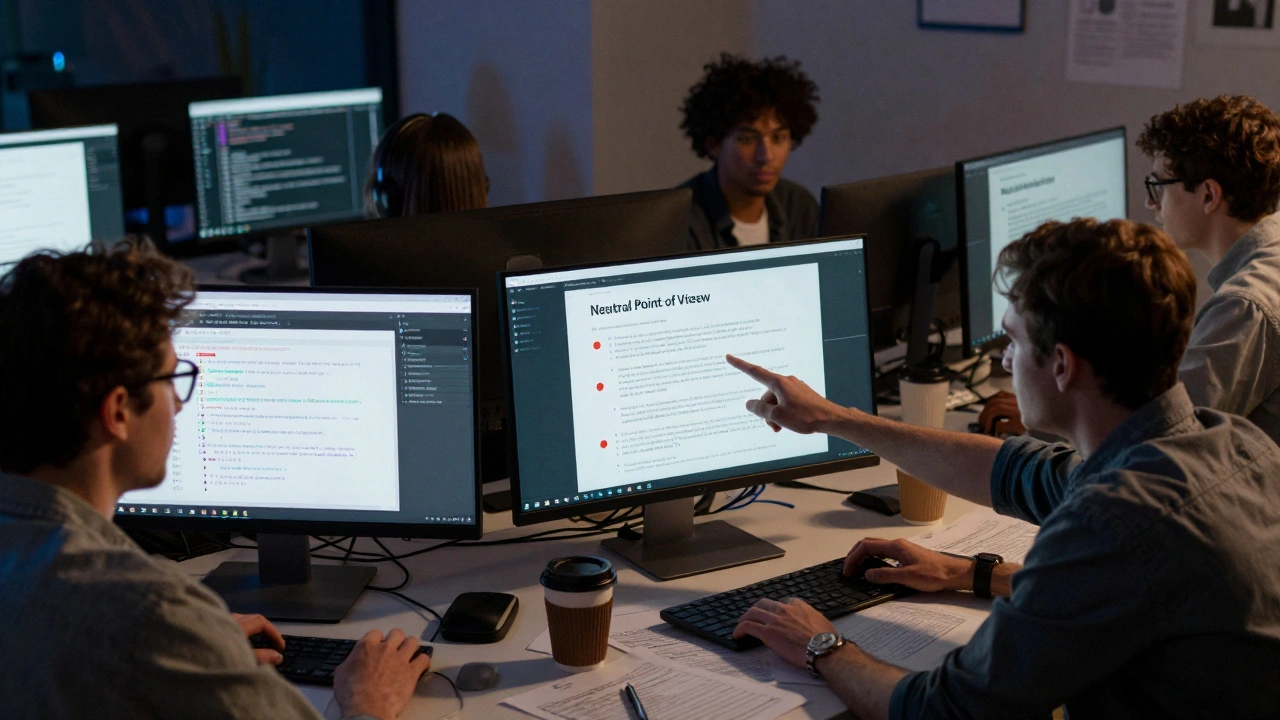
In early 2025, Wikipedia’s Arbitration Committee made a rare but critical decision: it updated the Neutral Point of View policy to explicitly address AI-generated content. Before this, the policy only warned against original research. Now, it requires editors to disclose if AI tools were used to draft or summarize text. This wasn’t a reaction to a single incident-it was the result of 18 months of community debate, triggered by a surge in AI-assisted edits during the U.S. presidential election cycle.
Editors noticed a pattern. Articles on political candidates were being rewritten with polished, factual-sounding paragraphs that lacked citations. Some were generated by bots trained on Wikipedia’s own data. The community didn’t ban AI use outright. Instead, they demanded transparency. If you use ChatGPT to summarize a 50-page report, you must link to the original source. You can’t just paste the output and call it a day.
This change didn’t come from the Wikimedia Foundation. It came from editors on the English Wikipedia talk pages, in IRC channels, and in long-form essays published on The Signpost. The policy update now appears in 14 language versions of Wikipedia, each adapting it slightly based on local norms.
The Rise of the “Edit-a-Thon” Movement
One of the most visible changes in 2025 was the explosion of edit-a-thons-organized events where volunteers focus on improving underrepresented topics. These aren’t new, but their scale and coordination are. In 2024, there were 1,200 edit-a-thons worldwide. In 2025, that number jumped to 3,800.
Why? Because of a single initiative: the Global Knowledge Equity Project. Launched by the Wikimedia Foundation, it gave grants to local groups to host events targeting content gaps. Think: articles on Indigenous scientists, women in African politics, or local folklore from Southeast Asia. These weren’t just added-they were vetted, cited, and linked to existing knowledge.
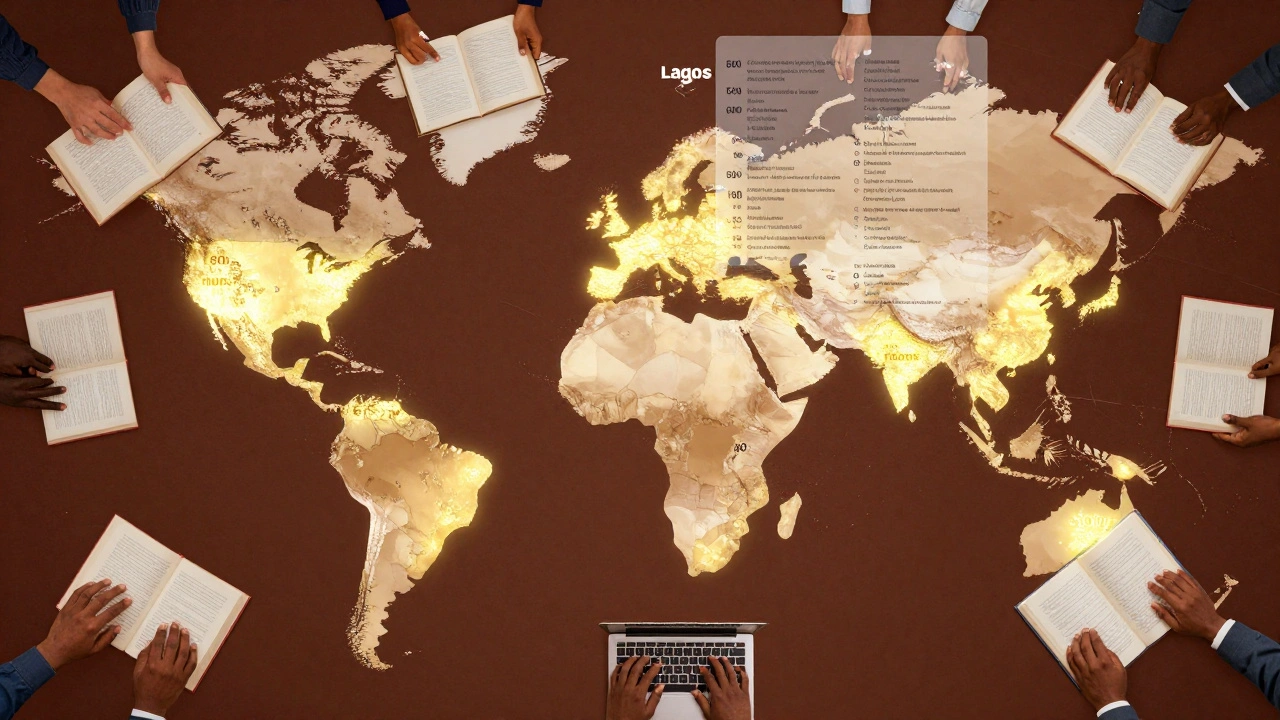
One standout case: the edit-a-thon in Lagos, Nigeria, produced over 600 new articles on Nigerian engineers and inventors. Within six months, those articles were cited in school curriculums across West Africa. The Signpost covered the event in depth, tracking how citations grew, how vandalism was handled, and how new editors were onboarded.
What Happened to the “Four Corners” Rule?
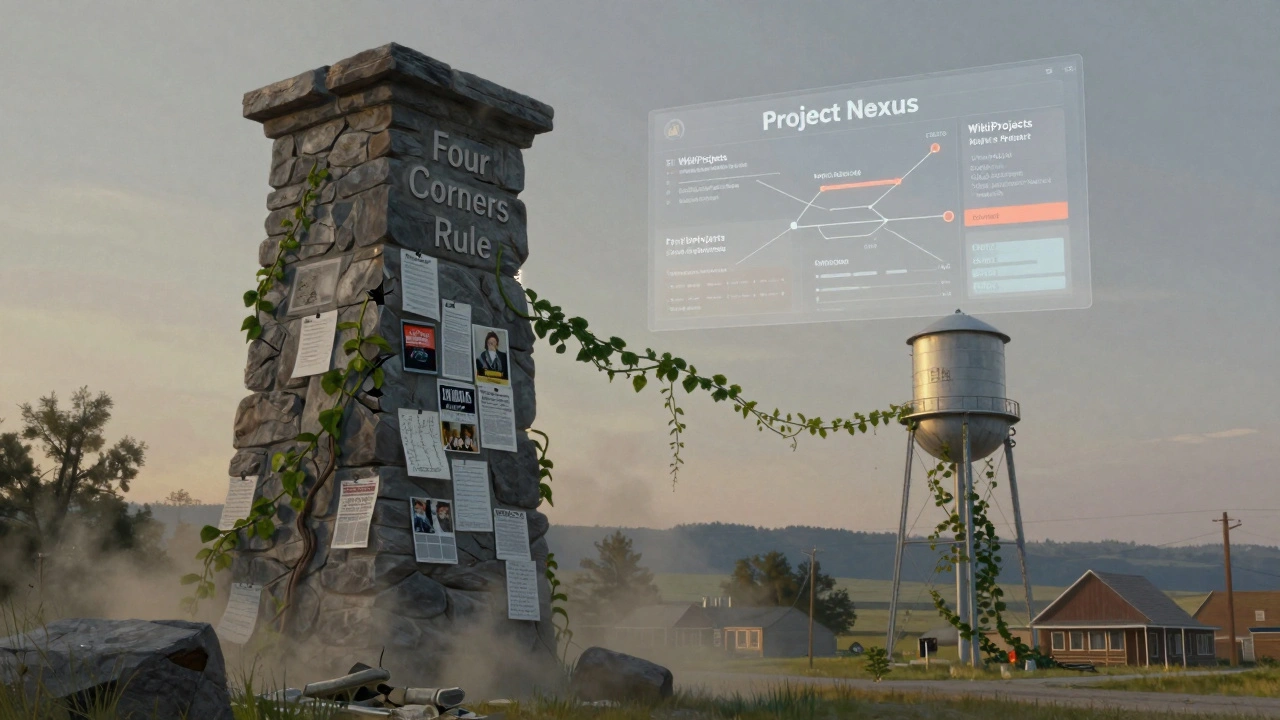
For years, Wikipedia editors followed an unwritten rule: if a topic had four reliable sources, it deserved an article. This was the backbone of notability. But in late 2025, the community voted to retire the rule. Not because it was broken, but because it was too rigid.
The old rule worked for celebrities and corporations. It didn’t work for grassroots movements, obscure academic theories, or local history. A small-town historical society in Montana had documented the history of its 1920s water tower for decades. It had photos, oral histories, and newspaper clippings. But under the Four Corners rule, it was rejected-no academic journal had cited it.
The new policy, called Contextual Notability, asks: Is this topic significant to a community, even if it’s not famous? Editors now weigh depth, longevity, and local impact over citation count. The Signpost published a side-by-side comparison of 10 articles that were deleted under the old rule and later restored under the new one. The results? Seven of them now have more than 10,000 monthly views.
The New “WikiProject” Ecosystem
Wikipedia’s WikiProjects-volunteer groups focused on specific topics like medicine, film, or military history-used to operate in silos. In 2025, they began sharing tools and data. The result? A unified dashboard called Project Nexus.
Now, editors working on medical articles can see how many citations are missing across all health-related pages. Film editors can flag inconsistencies between Wikipedia and IMDb. And the data is public. Anyone can view which projects are growing, which are stagnant, and which have the highest edit-to-citation ratios.
The Signpost ran a multi-part series on Project Nexus, showing how it reduced duplication. For example, before Nexus, 17 different WikiProjects were editing articles on climate science. After integration, they merged 32 overlapping pages and created a single, peer-reviewed template. The result? A 40% drop in edit conflicts on climate-related topics.
How Wikipedia Handles Disinformation in Real Time
During the 2025 European elections, false claims about voting machines spread fast. Wikipedia didn’t wait for official statements. Editors activated a new protocol: the Emergency Verification Network.
This network connects 120 volunteer fact-checkers across 15 countries. When a false claim appears on Wikipedia, one editor flags it. Another pulls primary sources. A third checks social media trends. A fourth writes a clear summary. All within 90 minutes.
The Signpost documented one case: a false claim that Belgium had banned mail-in voting. Within an hour, the claim was tagged, sourced, and rewritten. The original edit was reverted. The correction was then translated into French, Dutch, and German. By the time major news outlets picked up the story, Wikipedia already had a clear, cited answer.
This isn’t magic. It’s a system built on trust, training, and real-time communication. The Signpost’s report included screenshots of the chat logs, timestamps, and the exact sources used. No anonymity. No guesswork.
Why These Changes Matter
Wikipedia isn’t just a website. It’s a living archive shaped by thousands of people making daily choices. The changes reported by The Signpost aren’t technical tweaks-they’re cultural shifts. They reflect how a global community decides what knowledge is worth preserving.
These aren’t updates you’ll see in a press release. They’re the result of quiet, persistent work. Someone spent 14 hours arguing on a talk page. Someone else wrote 12 citations from old microfilm. Someone else translated a policy into Swahili so editors in Tanzania could apply it.
Wikipedia’s strength has always been its transparency. The Signpost doesn’t just report changes. It shows the human effort behind them. And that’s what makes it essential reading for anyone who uses Wikipedia-not just as a source, but as a community.
What is The Signpost and how is it different from Wikipedia?
The Signpost is an independent, volunteer-run newspaper published on Wikipedia’s English-language site. It’s not part of Wikipedia’s official content but covers news about Wikipedia itself-policy changes, editor conflicts, community events, and technical updates. Unlike Wikipedia articles, which aim for neutrality and permanence, The Signpost is opinionated, timely, and written in a journalistic style. It’s like a newspaper for the Wikipedia community.
Who writes for The Signpost?
All contributors are volunteer Wikipedia editors. Many have been editing for over a decade. Some are former administrators, others are newcomers who noticed gaps in coverage. There’s no pay, no staff, and no editorial board. Articles are peer-reviewed by other editors before publication. The most respected contributors often have hundreds of thousands of edits across multiple projects.
Are The Signpost’s reports verified?
Yes. Every major report includes citations to Wikipedia edit histories, talk page discussions, and official Wikimedia Foundation statements. The Signpost doesn’t rely on anonymous sources. If a claim is made, it’s backed by a diff link (a direct link to a specific edit) or a public record. Readers can click through and verify everything themselves.
How often does The Signpost publish Special Reports?
Special Reports are published quarterly, usually following major policy votes or large-scale community events. Between these, The Signpost releases weekly news roundups. The 2025 Special Reports covered AI policy changes, the Global Knowledge Equity Project, and the Emergency Verification Network-all of which had lasting impacts on Wikipedia’s structure.
Can I contribute to The Signpost?
Absolutely. The Signpost welcomes new writers, especially those who’ve experienced major changes firsthand. You don’t need to be a seasoned editor, but you must understand how Wikipedia works. Start by reading past reports, then pitch an idea on the publication’s talk page. Many contributors began by correcting a single typo in a report-and ended up writing their own.