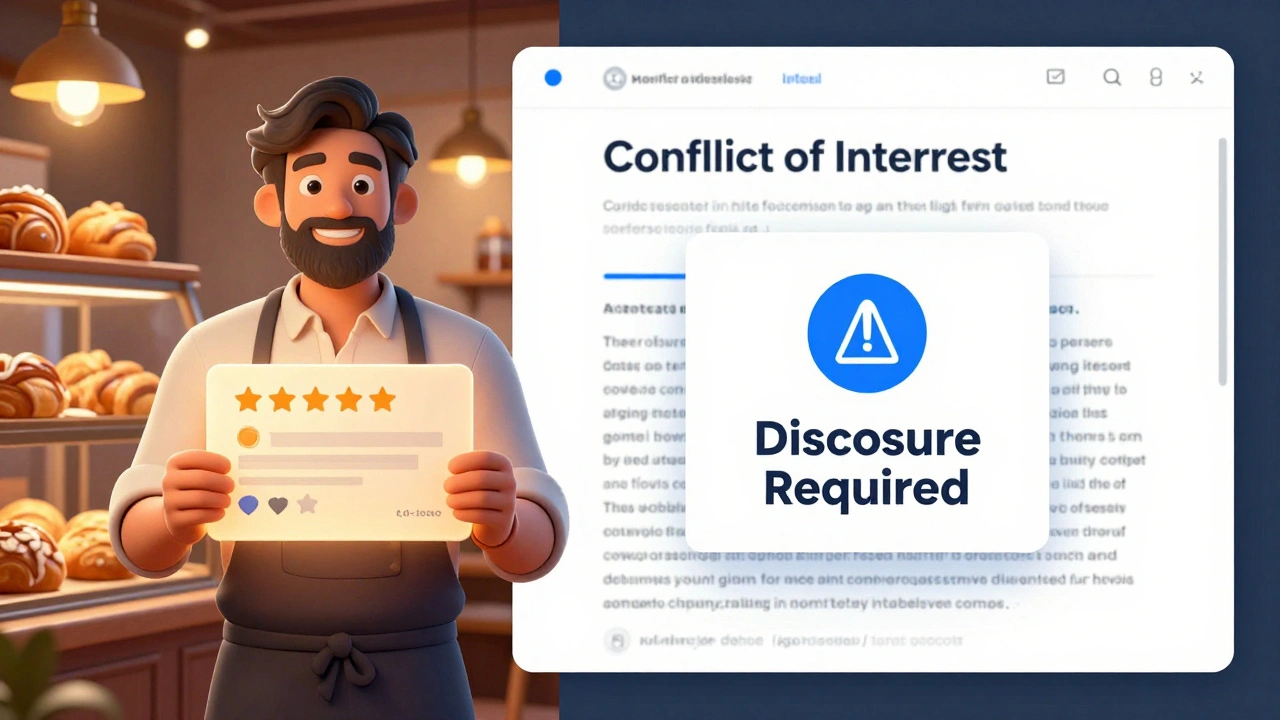
Imagine you just finished writing a glowing review for your favorite local bakery. You feel proud. Now, imagine that same bakery owner asks you to write the entry about their business on Wikipedia, which is the free online encyclopedia that anyone can edit. It sounds harmless, right? But this scenario represents one of the most persistent challenges in collaborative content creation: the Conflict of Interest (COI), which refers to a situation where a contributor’s personal or financial interests could compromise their ability to provide neutral information.
For years, Wikipedia struggled with editors secretly promoting companies, politicians, and public figures they were connected to. The result was biased articles, deleted content, and damaged trust. Today, however, the platform has evolved significantly. Instead of relying solely on honor systems, Wikipedia now employs a multi-layered defense strategy involving strict disclosure policies, automated detection tools, and dedicated volunteer oversight teams.
The Core Principle: Disclosure Over Prohibition
Unlike many corporate environments where conflicts of interest are strictly prohibited, Wikipedia takes a different approach. The platform does not ban people from editing articles about themselves or their employers. Instead, it mandates full transparency. This philosophy stems from the belief that open participation drives knowledge growth, but only if the community can verify neutrality.
The cornerstone of this approach is the requirement for disclosure. If you have a significant connection to the subject of an article-whether you work there, own stock, or are related to the person featured-you must state this clearly. This isn't just a suggestion; it is a fundamental rule enforced by the community. Failure to disclose can lead to account bans and the immediate reversion of edits.
Here is how the disclosure process works in practice:
- User Talk Pages: Editors must post a clear statement on their user talk page explaining their connection to the topic.
- Edit Summaries: When making changes, contributors should mention their affiliation in the edit summary box.
- Discussion Pages: Before proposing major changes to controversial topics, editors must discuss their intentions on the article’s talk page.
This transparency allows other volunteers to scrutinize the content more closely. It shifts the burden from hiding bias to proving neutrality. While it might seem counterintuitive to allow interested parties to edit, the logic is that their expertise can improve accuracy, provided they remain objective.
The Edit Filtering System: Automated Gatekeeping
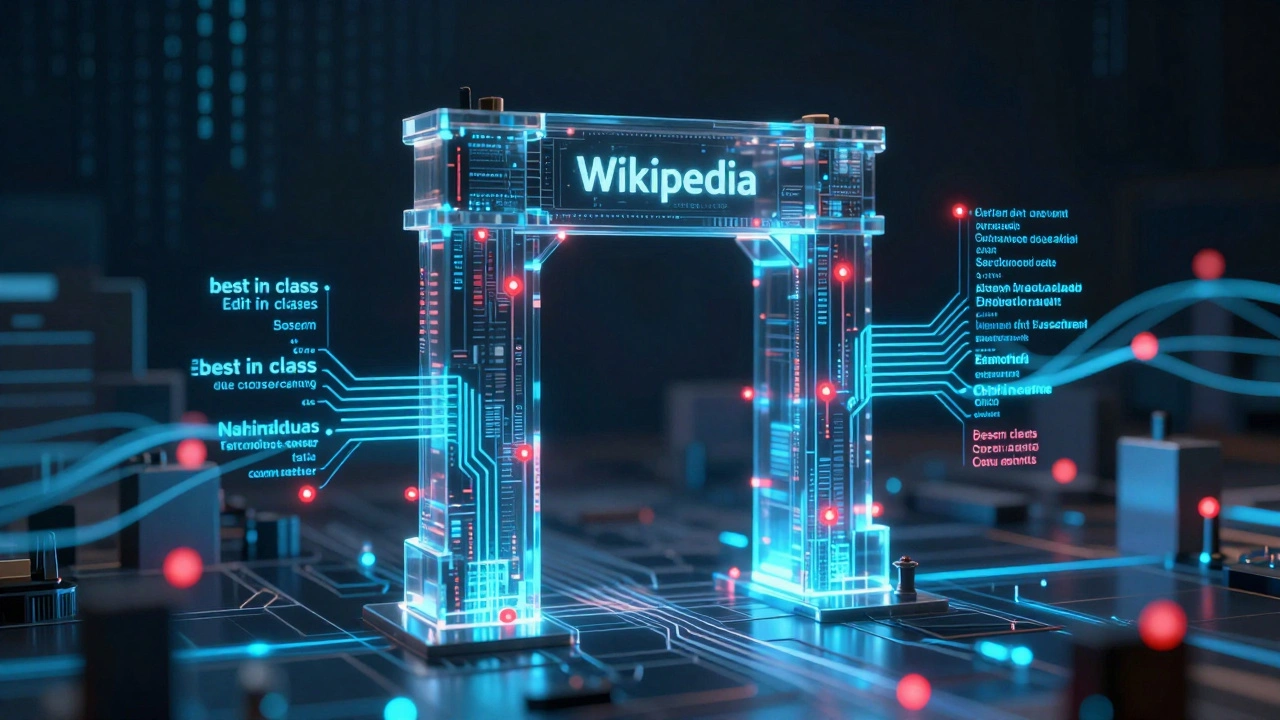
Human vigilance alone cannot catch every instance of hidden bias. To address this, Wikipedia introduced the Edit Filter, which is an automated tool designed to detect and block potentially problematic edits before they go live. This system acts as a digital gatekeeper, scanning incoming changes for patterns associated with spam, vandalism, and undisclosed conflicts of interest.
The Edit Filter uses complex algorithms to analyze various data points. It looks at the text being added, the history of the user account, and even the IP address associated with the edit. For example, if a new account tries to add promotional language like "best in class" or "world-leading" to an article about a specific company, the filter may flag it automatically.
When a trigger occurs, the edit doesn’t necessarily get blocked immediately. Instead, it often goes into a queue for review. Volunteer administrators then examine the change. If they determine it violates COI guidelines, they reject it and notify the editor. This semi-automated process significantly reduces the workload on human moderators while maintaining high standards of quality control.
The effectiveness of the Edit Filter depends heavily on its configuration. Different communities maintain different sets of filters based on their specific needs. English Wikipedia, for instance, has some of the most sophisticated filters due to its large size and frequent targeting by spammers.
Paid Editing and Professional Contributors
A growing segment of Wikipedia activity comes from professionals hired to manage online reputations. This includes PR firms, marketing agencies, and individual consultants who specialize in creating or improving entries for clients. This practice, known as Paid Editing, involves compensating individuals to create or modify content on behalf of third parties, raises serious ethical questions.
Wikipedia’s stance on paid editing is nuanced. It is not illegal, but it requires rigorous adherence to disclosure rules. Anyone receiving compensation must explicitly state who pays them and why. They must also follow the same neutrality guidelines as unpaid volunteers. In fact, they are often held to a higher standard because their livelihood depends on the outcome.
However, the line between legitimate professional contribution and covert promotion is thin. Many cases involve subtle manipulation rather than obvious advertising. For instance, an editor might remove negative but verified information under the guise of "improving flow." Detecting these subtle biases requires deep familiarity with the subject matter and careful analysis of edit histories.
To combat abuse, Wikipedia maintains a list of registered paid editors. This registry serves as a public record of who is working professionally on the platform. While not all paid editors register voluntarily, those caught violating policies without disclosing their status face severe penalties. This system aims to bring legitimacy to professional contributions while protecting against deception.

Community Oversight and Manual Review
Despite advanced technology, human judgment remains essential. The backbone of Wikipedia’s COI management is its vast network of volunteer reviewers. These individuals dedicate thousands of hours to monitoring recent changes, investigating suspicious accounts, and enforcing community norms.
Several specialized groups handle COI-related issues:
- Administrators: General enforcers who revert bad edits and issue warnings.
- Bureaucrats: Higher-level officials who handle appeals and complex disputes.
- Conflict of Interest Committee: A dedicated group focused specifically on analyzing systemic COI problems.
These volunteers use a variety of tools to track behavior. One common method is examining the "diffs"-the visual comparison between old and new versions of a page. By looking at what was added, removed, or changed, reviewers can spot signs of bias. Promotional tone, lack of citations, and selective omission of facts are red flags.
Another powerful technique is analyzing user talk pages. Often, editors reveal their affiliations indirectly through conversations with others. Volunteers look for inconsistencies between stated identities and actual behavior. If someone claims to be a neutral observer but consistently defends a single viewpoint, scrutiny increases.
Manual review is slow compared to automation, but it captures nuances that algorithms miss. It allows for contextual understanding and fair consideration of edge cases. Without this human element, Wikipedia would struggle to maintain its reputation for reliability.
Challenges and Future Directions
Handling conflicts of interest is an ongoing battle. As long as there are incentives to influence public perception, bad actors will find ways to exploit the system. New techniques emerge constantly, from coordinated editing campaigns using multiple fake accounts to sophisticated AI-generated text designed to mimic neutral tone.
One major challenge is balancing openness with security. Strict restrictions risk alienating good-faith contributors, especially experts who want to share knowledge but fear bureaucratic hurdles. Finding the right balance requires continuous experimentation and feedback loops within the community.
Future developments likely focus on enhancing artificial intelligence capabilities. Machine learning models could become better at detecting subtle biases and identifying networks of colluding accounts. Additionally, improved verification methods might help confirm the identity of high-risk contributors without compromising privacy.
Education plays a crucial role too. Teaching potential editors about COI principles before they start contributing could prevent many violations. Clearer guidelines and more accessible resources would empower users to navigate the rules confidently.
Can I edit my own Wikipedia page?
Technically yes, but it is strongly discouraged. Self-editing creates an inherent conflict of interest. Instead, propose changes on the talk page or hire a registered professional editor who discloses their relationship.
What happens if I fail to disclose a conflict of interest?
Your edits may be reverted, and your account could be blocked or banned. Severe or repeated violations can result in permanent bans across all Wikimedia projects.
Is paid editing legal on Wikipedia?
Yes, paid editing is permitted as long as you fully disclose who pays you and adhere strictly to neutrality guidelines. Undisclosed paid editing is considered deceptive and punishable.
How does the Edit Filter work?
The Edit Filter scans edits for keywords, patterns, and behaviors linked to spam or bias. Suspicious edits are flagged for manual review or blocked automatically depending on severity.
Who reviews suspected COI edits?
Volunteer administrators and specialized committees review flagged edits. They assess context, check disclosures, and decide whether to accept, reject, or request modifications.