Wikipedia isn’t just a collection of articles-it’s a living community of over 100,000 active editors who fight daily to keep the site useful, accurate, and safe. But with millions of contributors from every corner of the globe, conflict is inevitable. That’s why Wikipedia has built one of the most detailed and enforced sets of behavioral policies in the digital world. It doesn’t rely on corporate HR departments or paid moderators. Instead, it uses volunteer editors, automated tools, and a transparent system of warnings, blocks, and appeals to keep things civil.
What Counts as Uncivil Behavior on Wikipedia?
Wikipedia’s civility policy isn’t about being nice for the sake of politeness. It’s about keeping the project functional. The rule is simple: don’t attack people. That means no personal insults, no mocking someone’s accent or background, no implying someone is stupid for making an edit. It also means no persistent disruption-even if your edits are technically correct, if you’re badgering others or refusing to discuss changes, you’re breaking the rules.
Real examples happen every day. One editor might repeatedly revert a change made by someone else, adding sarcastic comments like “You clearly don’t understand basic history.” Another might post a long rant in an article’s talk page accusing others of being “paid shills.” These aren’t just annoying-they’re violations. The policy doesn’t care if you’re right. If your tone makes collaboration impossible, you’re out of line.
How Harassment Is Defined and Handled
Wikipedia’s harassment policy is stricter than most social media platforms. It covers not just direct threats or hate speech, but also patterns of behavior meant to intimidate. That includes:
- Repeatedly tagging someone in edit summaries to provoke a reaction
- Posting private information about an editor (doxxing)
- Creating sockpuppet accounts to gang up on someone
- Reporting someone to authorities (like law enforcement) for making an edit
One case in 2023 involved an editor who created over 20 fake accounts to flood the talk page of a woman writing about gender in science. She received dozens of hostile messages, many using slurs. The community flagged it, checked the IP logs, and confirmed the sockpuppets. All were blocked within 48 hours. The main offender got a permanent ban.
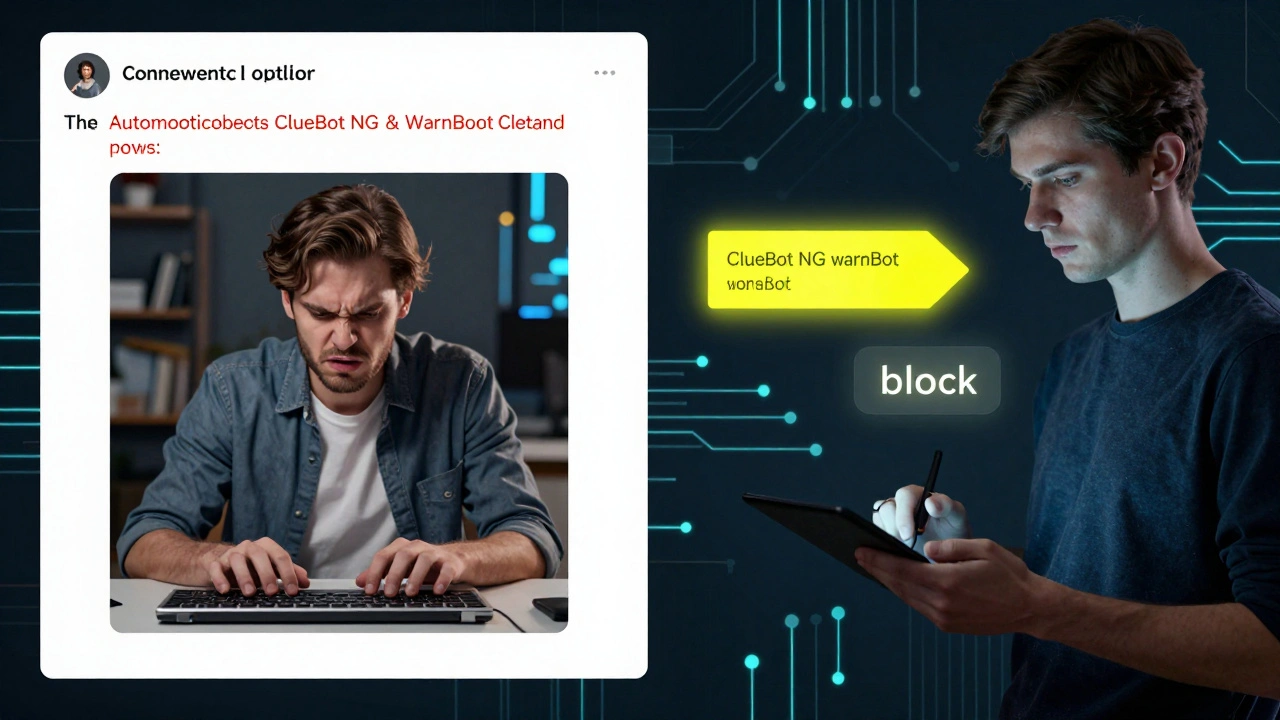
Wikipedia doesn’t wait for complaints. Volunteers monitor edit histories for signs of coordinated harassment. Tools like ClueBot NG and WarnBot automatically flag repeated negative language. If three editors independently report the same user for harassment, an administrator can act without waiting for a formal complaint.
The Block System: How and When Editors Are Locked Out
Blocking is Wikipedia’s main tool for enforcing behavior. It’s not punishment-it’s a pause button. A block stops someone from editing, but doesn’t delete their past work. Blocks can last from a few hours to forever.
There are three main types:
- Short-term blocks (a few hours to a few days): For first-time offenses, like a single insult or minor disruption. Often comes with a warning message.
- Extended blocks (weeks to months): For repeated violations, even if each one seems small. If someone gets three warnings for uncivil behavior in a month, they’re likely looking at a 30-day block.
- Indefinite blocks: For severe or persistent abuse-harassment, doxxing, sockpuppetry, or vandalism with malicious intent.
Blocks are public. Every block has a reason listed on the user’s talk page, and the log is visible to anyone. If you’re blocked, you can appeal. You don’t need a lawyer-you just need to write a clear message explaining what you’ll do differently. Many people get unblocked after writing sincere apologies and showing they understand the rules.
Who Makes the Calls? The Role of Administrators
Only about 1,500 of Wikipedia’s 30 million registered users are administrators. These aren’t hired staff-they’re volunteers who’ve earned trust by editing consistently for years. To become an admin, you need to show you understand policy, can stay calm under pressure, and don’t abuse power.
Admins can block users, delete pages, and protect articles. But they can’t act alone on serious cases. If someone is accused of harassment, at least two other admins must review the evidence before a long-term block is issued. There’s also a CheckUser team-only 100 people worldwide-who can see IP addresses and account links to detect sockpuppets. Their work is secret, but their decisions are reviewed by other admins.
There’s no appeal to a corporate office. If you think an admin acted unfairly, you can ask for a second opinion on the Administrators’ Noticeboard. Hundreds of editors watch that page. If enough people agree you were wronged, the block can be overturned.
What Happens When the System Fails?
The system isn’t perfect. Sometimes a good-faith editor gets blocked because they’re blunt. Sometimes a harasser slips through because they’re clever. In 2022, a user used coded language and foreign-language sockpuppets to evade detection for over a year. When they were finally caught, it was because another editor noticed the same writing style across dozens of accounts.
Wikipedia fixes these gaps by learning. After that case, the CheckUser team improved their pattern-matching tools. The community also updated its guidelines to include “linguistic profiling” as a red flag.
There’s no central authority telling editors what to do. The rules evolve through discussion. If enough editors agree a policy is outdated, they change it. The Arbitration Committee-a group of 12 elected volunteers-handles the most complex disputes. They can impose restrictions like “no editing on politics articles” or “must use only one account.” Their rulings are final and binding.
Why This System Works Better Than You Think
Most websites rely on algorithms or paid moderators. YouTube deletes videos based on AI flags. Twitter bans accounts with little explanation. Wikipedia does something different: it gives people a voice. Every block is explained. Every appeal is reviewed. Every rule is open for debate.
That’s why, despite its flaws, Wikipedia remains one of the most reliable sources of information on the internet. It’s not because it’s perfect-it’s because it’s transparent. You can see who did what, why, and how it was fixed. You can even read the full logs of every block, every warning, every arbitration case.
It’s messy. It’s slow. It’s exhausting for the volunteers who do the work. But it’s honest. And that’s why, in a world full of opaque moderation, Wikipedia’s system still earns trust.
What You Can Do If You’re New to Wikipedia
If you’re starting to edit, here’s what matters:
- Assume good faith. If someone reverts your edit, ask why instead of accusing them.
- Use the talk page. Never argue in an article’s main text.
- Don’t respond to insults. Block and report, don’t retaliate.
- Read the civility and harassment policies before you edit anything controversial.
- Don’t create multiple accounts. Even if you think it’s harmless, it’s against the rules.
Wikipedia doesn’t want you to be perfect. It wants you to be respectful. One good-faith edit can turn into a lifelong contribution. One angry comment can get you blocked for months.
Can you get banned from Wikipedia for making a mistake?
No. Mistakes don’t get you banned. Wikipedia is built on the idea that anyone can improve articles. If you accidentally add wrong information, someone will fix it. Bans only happen for repeated bad behavior-like harassing others, spamming, or lying about your identity. A single error, even a big one, is just a chance to learn.
How long does a Wikipedia block last?
Blocks range from a few hours to permanent. First-time offenders usually get 24 to 72 hours. Repeat offenders get longer blocks-weeks or months. If someone keeps violating rules after multiple warnings, they get an indefinite block. The length depends on severity, history, and whether the person shows they understand the problem.
Can you appeal a block?
Yes. Every blocked user can appeal by posting on their talk page or the Administrators’ Noticeboard. You don’t need to be an expert-you just need to explain what you did wrong and how you’ll change. Many people get unblocked after writing a sincere message. The key is to avoid blaming others and focus on your own actions.
Do Wikipedia admins get paid?
No. Wikipedia administrators are volunteers. They’re regular users who’ve been trusted by the community to handle blocks, deletions, and protections. They don’t get money, titles, or special privileges beyond the tools they need to do their job. Many have full-time jobs outside Wikipedia and edit in their free time.
What happens if someone lies about being harassed?
False reports are taken seriously. If someone falsely accuses another editor of harassment to get them blocked, the accuser can be blocked themselves. The community checks evidence-edit histories, IP logs, message patterns-before acting. Fabricating claims undermines trust, and Wikipedia doesn’t tolerate that. There have been cases where users were banned for making fake harassment claims.
What Comes Next for Wikipedia’s Policies?
Wikipedia is constantly updating its rules. In 2025, the community started testing a new system called “Behavioral Feedback Tags.” When an editor makes a hostile comment, another user can add a tag like “uncivil tone” or “personal attack.” These tags don’t trigger blocks-they just help admins spot patterns faster. Early results show a 30% drop in repeat offenses in test areas.
There’s also growing pressure to make policies more global. Most rules were written by English-speaking editors in North America and Europe. Now, editors from Africa, Asia, and Latin America are pushing for clearer guidelines on cultural differences-like what counts as “insulting” in different contexts.
Wikipedia won’t ever be flawless. But its strength isn’t in perfection. It’s in openness. You can see every decision, every argument, every change. That transparency is what keeps it alive-and what makes it different from every other major website on the internet.