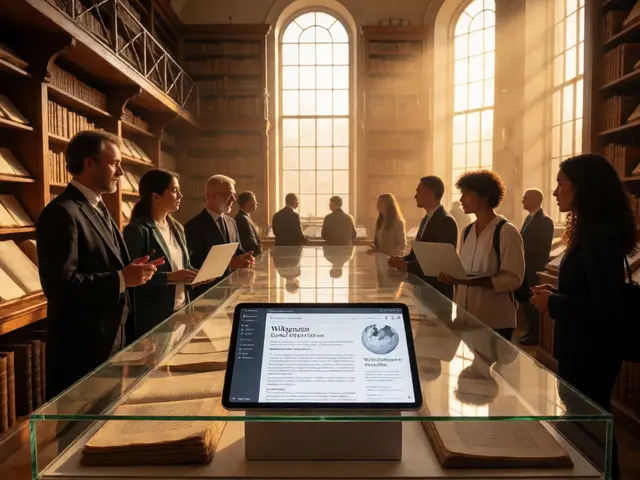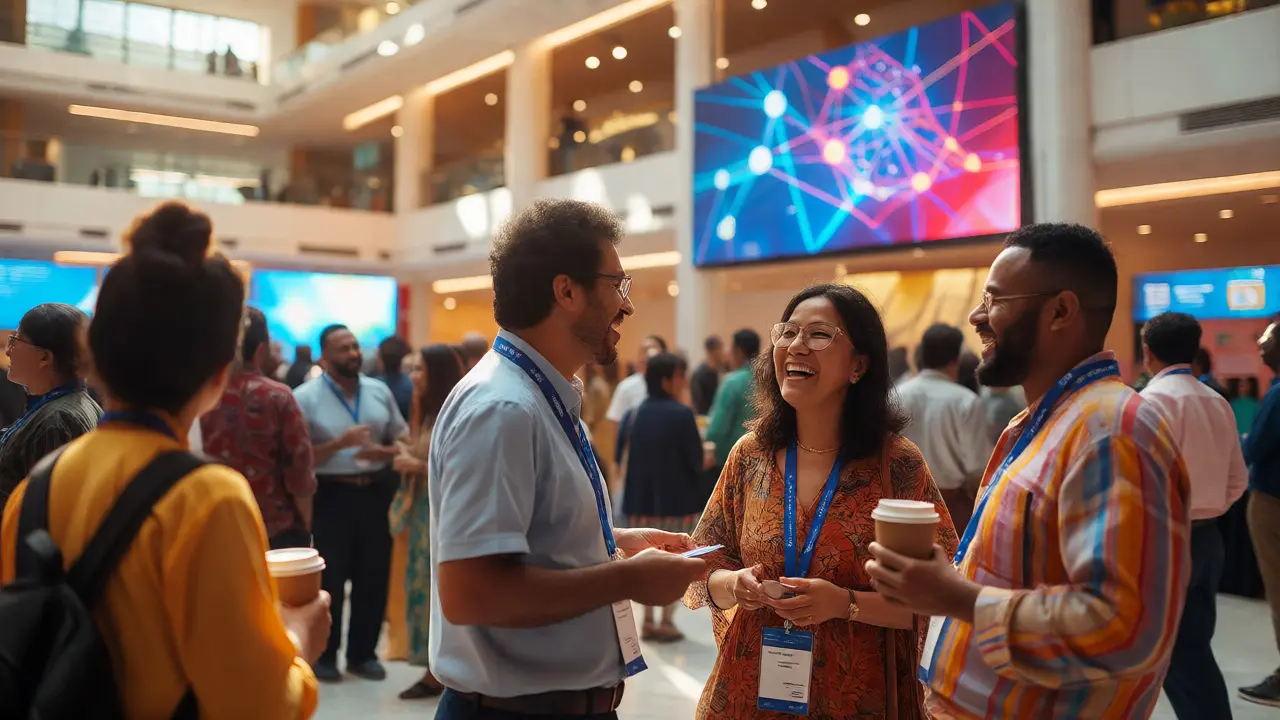
You’ve probably clicked a Wikipedia link a thousand times. Maybe you’ve even edited one-fixing a typo or adding a citation at 2 AM. But have you ever wondered who actually keeps this massive digital library running? It’s not just algorithms and servers. It’s people. Thousands of them. And once a year, they all try to fit into the same room (or virtual space) for Wikimania. This isn’t your typical tech conference with flashy booths and expensive swag bags. It’s a global reunion for the folks who believe that free knowledge should belong to everyone.
If you’re new to the ecosystem, Wikimania might sound like jargon. Let’s clear that up right now. Wikimania is the annual international conference organized by the Wikimedia Foundation and its community volunteers. Think of it as the Super Bowl of open-source collaboration, but instead of football, the game is building encyclopedias, dictionaries, and media archives in hundreds of languages. It started back in 2005 in Frankfurt, Germany, and has since traveled the world-from London to Cape Town, from Mexico City to Singapore. Each edition brings together editors, developers, researchers, activists, and curious newcomers to share ideas, argue about policies, and plan the future of projects like Wikipedia, Wikidata, and Wikimedia Commons.
Why Do People Fly Across the World for This?
It’s easy to assume that because Wikipedia is online, everything happens digitally. But editing an article can feel lonely. You’re staring at a screen, debating with someone in another time zone whether a certain source is reliable. Wikimania fixes that isolation. When you meet the person you’ve been arguing with on a talk page, suddenly the tone changes. You realize they’re not a troll; they’re a librarian from Brazil who cares deeply about accuracy. These face-to-face interactions build trust, which is the currency of any successful community project.
Beyond social bonding, the conference serves as a crucial brainstorming hub. Major technical updates are often announced here. For instance, when the Wikimedia Foundation rolled out significant changes to how mobile users edit articles, much of the feedback loop happened during Wikimania sessions. Volunteers test new tools live, give brutal honesty in workshops, and help shape features before they reach millions of users. If you’re a developer, you get direct access to the people who use your code daily. If you’re an editor, you learn how to use new gadgets without reading dry documentation.
The Core Pillars of the Event
While every year has its own theme, the structure of Wikimania remains fairly consistent. It usually spans four to five days, mixing formal presentations with informal hangouts. Here’s what typically goes down:
- Keynotes and Panels: Experts discuss big-picture issues like AI integration, misinformation, and funding models. You’ll hear from staff at the Wikimedia Foundation, but also from independent scholars and journalists.
- Breakout Sessions: These are deep dives into specific topics. One room might be discussing how to improve content coverage in Indigenous languages, while another tackles the legal challenges of uploading photos under Creative Commons licenses.
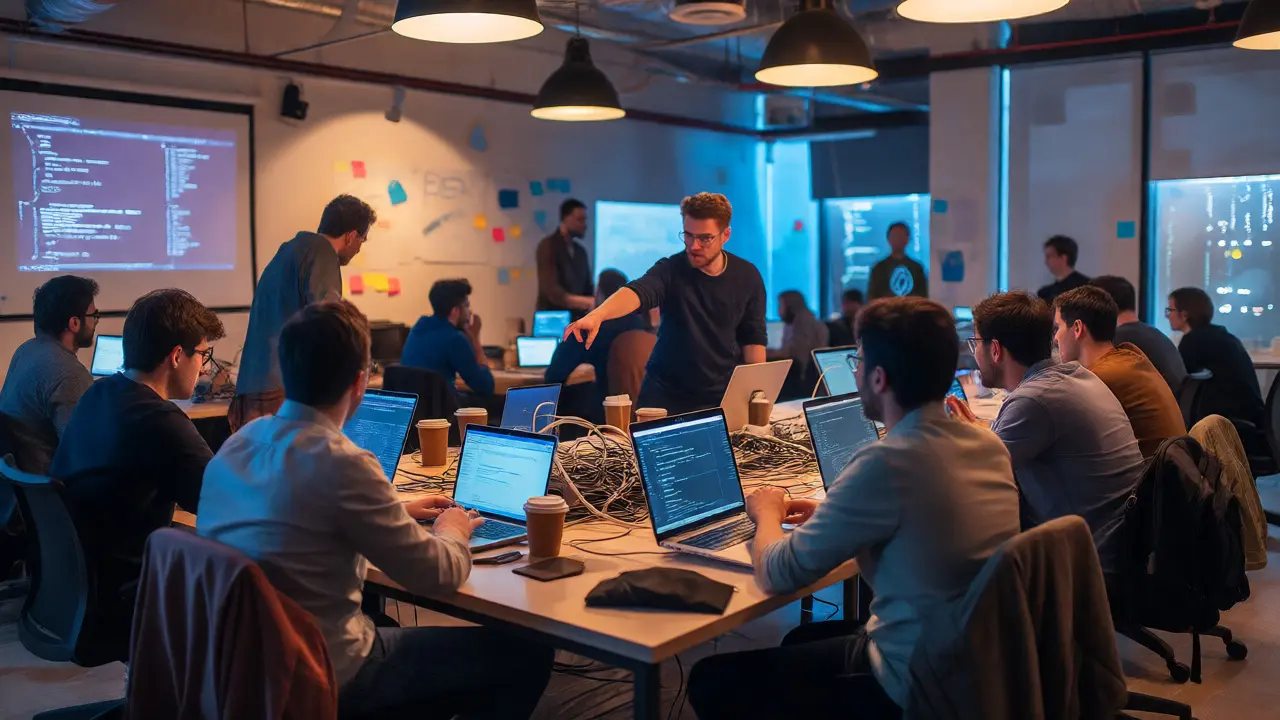
- Hackathons: Developers and power-users team up to fix bugs, create new bots, or prototype tools. It’s intense, coffee-fueled, and highly productive.
- Social Events: From guided city tours to “WikiWalks” where participants take photos of local landmarks for Wikimedia Commons, these activities reinforce the mission of documenting the world visually.
The diversity is staggering. In recent years, attendees have come from over 100 countries. You might sit next to a professor from Japan working on medical articles, a student from Nigeria organizing hackathons for girls, and a retiree from Sweden who spends his weekends translating historical texts. This mix creates unique cross-pollination of ideas. A solution developed for low-bandwidth areas in Southeast Asia might end up helping rural communities in South America.
How Wikimania Differs from Other Tech Conferences
If you’ve been to Web Summit or CES, you know the vibe: networking cards, sales pitches, and a focus on profit. Wikimania flips that script. There’s no sponsorship booth trying to sell you cloud storage. Instead, the value proposition is communal growth. The open knowledge movement relies on non-commercial principles, and the conference reflects that. Talks aren’t recorded for paywalls; they’re uploaded to YouTube immediately. Slides are shared openly. The goal isn’t to monetize attention but to spread best practices.
| Feature | Wikimania | Typical Tech Conference |
|---|---|---|
| Primary Goal | Community building & knowledge sharing | Networking & product marketing |
| Cost Structure | Low cost, scholarships available | High ticket prices ($500-$2000+) |
| Content Access | Openly licensed (CC BY-SA) | Often proprietary or paid |
| Participant Role | Active contributors/editors | Consumers/prospective buyers |
| Diversity Focus | Linguistic & geographic inclusivity | Industry-specific verticals |
This difference attracts a specific kind of attendee. You won’t find many venture capitalists here. You will find teachers using Wikipedia in classrooms, archivists digitizing old manuscripts, and activists fighting for internet freedom. The energy is collaborative rather than competitive. If someone presents a brilliant idea, the immediate response isn’t “How do I copy this?” but “How can we implement this globally?”
The Impact on Local Communities
One of the most underrated aspects of Wikimania is its effect on the host city. Before the event arrives, local Wikipedians organize “edit-a-thons” to document their own neighborhoods. They upload photos of street art, historic buildings, and local festivals. This process, often called “GLAM” work (Galleries, Libraries, Archives, Museums), helps fill gaps in regional coverage.
For example, when Wikimania was held in Berlin, German-speaking communities saw a spike in contributions related to European history. When it moved to Nairobi, African Wikipedians gained visibility and momentum, leading to more robust coverage of post-colonial history and local biodiversity. The conference acts as a catalyst. Even if you don’t attend, your local chapter might hold satellite events inspired by the main gathering. These smaller meetups keep the momentum going throughout the year, ensuring that the conversation doesn’t stop when the plane lands.
Challenges and Controversies
It’s not all smooth sailing. Organizing a global event for a decentralized community comes with headaches. Funding is always tight. The Wikimedia Foundation covers some costs, but much relies on donations and sponsorships that align with open-source values. Finding a venue that is accessible, affordable, and centrally located in a diverse country is a logistical nightmare.
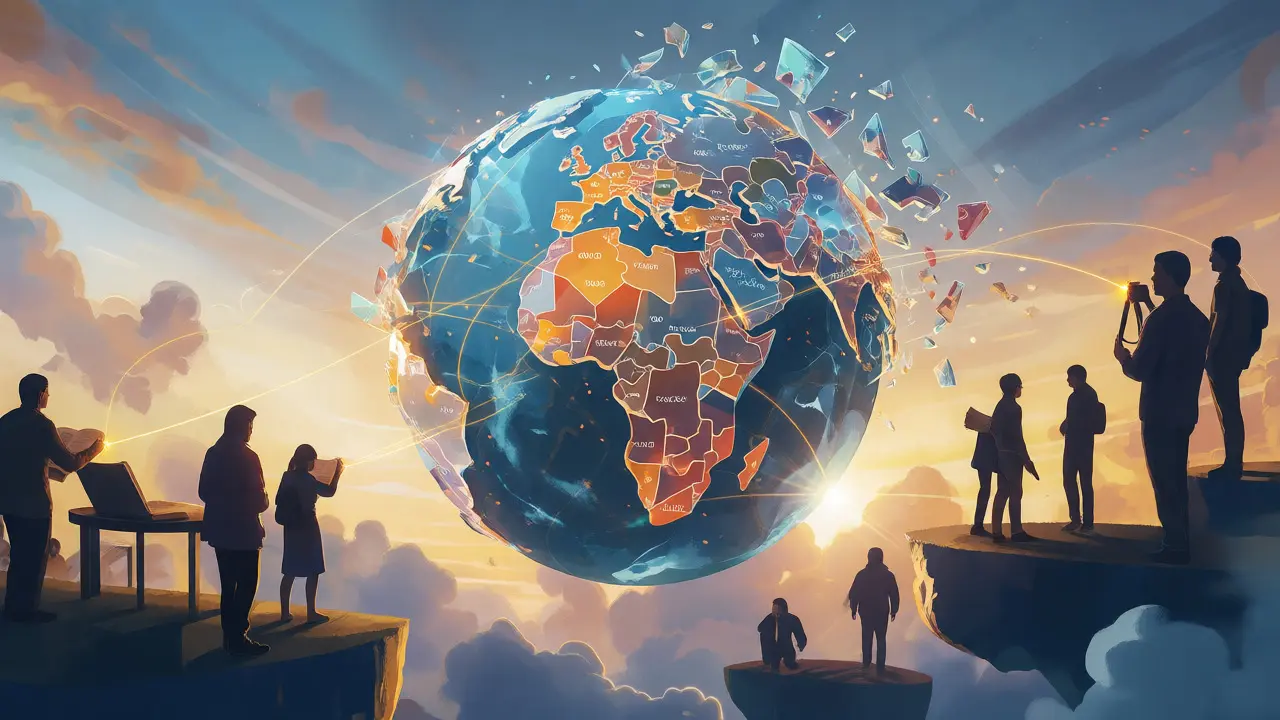
There are also internal debates. Who gets to speak? How do we ensure voices from the Global South aren’t overshadowed by Western perspectives? Language barriers remain a hurdle despite translation efforts. Some critics argue that the conference still leans too heavily toward English speakers. To address this, recent editions have prioritized simultaneous interpretation in multiple languages and offered travel grants specifically for first-time attendees from underrepresented regions. It’s an ongoing struggle, but the willingness to critique themselves shows the community’s maturity.
Should You Attend?
If you’ve ever felt passionate about correcting a factual error or marvelled at the sheer scale of human collaboration, Wikimania is worth considering. It’s not for everyone. If you prefer polished corporate environments and strict agendas, you might find the chaotic, grassroots nature frustrating. But if you thrive on connection, learning, and contributing to something bigger than yourself, you’ll likely leave inspired.
Preparation matters. Don’t just show up and watch. Pick sessions that challenge your assumptions. Bring questions. Meet people in the hallway tracks-that’s where the real magic happens. And remember, you don’t need to be a coding wizard or a historian. You just need curiosity and a willingness to listen.
Is Wikimania only for Wikipedia editors?
No. While Wikipedia editors make up a large portion of attendees, the conference welcomes anyone interested in open knowledge. This includes users of other Wikimedia projects like Wiktionary, Wikiquote, and Wikimedia Commons, as well as researchers, educators, librarians, developers, and advocates for digital rights.
Do I need to speak English to attend?
English is the primary language of the conference, but many sessions offer simultaneous translation into several major languages. Additionally, there are specific track sessions conducted entirely in other languages. However, knowing basic English helps significantly with networking and navigating the general schedule.
How much does it cost to go to Wikimania?
Ticket prices vary by year and location but are generally kept low to encourage attendance. Many attendees apply for scholarships or travel grants provided by the Wikimedia Foundation or local chapters. These grants can cover registration fees, flights, and accommodation, especially for those from developing countries or first-time participants.
Can I present at Wikimania?
Yes. Most Wikimanias have an open call for proposals months in advance. You can submit abstracts for talks, workshops, or posters. Selection committees look for diverse topics and speakers, so don’t hesitate to submit even if you’re new to public speaking. The community values fresh perspectives and practical experiences.
What happens if I miss the live event?
Don’t worry. All keynotes and most breakout sessions are recorded and uploaded to Wikimedia Commons and YouTube shortly after the event. You can watch them anytime. While you miss the networking aspect, the educational content remains freely accessible to everyone forever.