You think you know the story. You read the headline, skim the article, and move on. But what if the truth wasn't just about what was said, but how it changed over time? Most people treat Wikipedia as a static encyclopedia-a place where facts go to die or be preserved forever. In reality, it is a living, breathing archive of public perception. Every edit, every reversion, and every deleted sentence tells a story about power, bias, and consensus.
For journalists, researchers, and curious minds, the History tab is one of the most underutilized tools in modern media literacy. It allows you to track narrative changes in real-time. You can see exactly when a controversial figure’s description shifted from "entrepreneur" to "fraudster," or when a political event was reframed by editors with different ideological leanings. This isn’t just trivia; it’s forensic evidence of how narratives are constructed.
| Metric | What It Reveals | Journalistic Value |
|---|---|---|
| Edit Frequency | Spike in edits after an event | Indicates breaking news impact or coordinated editing campaigns |
| Revert Rate | How often edits are undone | Highlights contested facts or potential vandalism/bias wars |
| Editor Diversity | Number of unique IP addresses/users | Distinguishes between organic community consensus and single-source manipulation |
| Content Delta | Specific words added or removed | Shows subtle shifts in tone (e.g., "claimed" vs. "stated") |
The Anatomy of a Contested Narrative
Let’s look at a concrete example. Imagine a tech CEO faces allegations of misconduct. The initial Wikipedia entry might describe them neutrally: "CEO of TechCorp, known for innovation." Two days later, after major news outlets report on lawsuits, the entry might change to: "CEO of TechCorp, currently facing legal challenges regarding workplace conduct." A week later, if the charges are dropped, it might revert or add nuance: "...charges were dismissed in October 2026." This sequence isn’t random. It reflects the Reliable Sources Policy of Wikipedia. Editors cannot insert their opinions; they must cite published sources. Therefore, tracking these changes reveals which media outlets are driving the narrative. If a fringe blog gets cited before a major newspaper, you know the narrative started there. If a major outlet’s coverage is ignored until weeks later, you spot a lag in mainstream acknowledgment.
Why does this matter? Because memory is short. By checking the history, you can catch gaslighting. Did a politician’s stance really shift, or did an editor quietly rewrite the past to make them look consistent? You can verify this by comparing the version from six months ago with today’s version. Tools like WikiBlame allow you to trace specific sentences back to their original author and date, stripping away the anonymity of the current page.
Tools for the Digital Sleuth
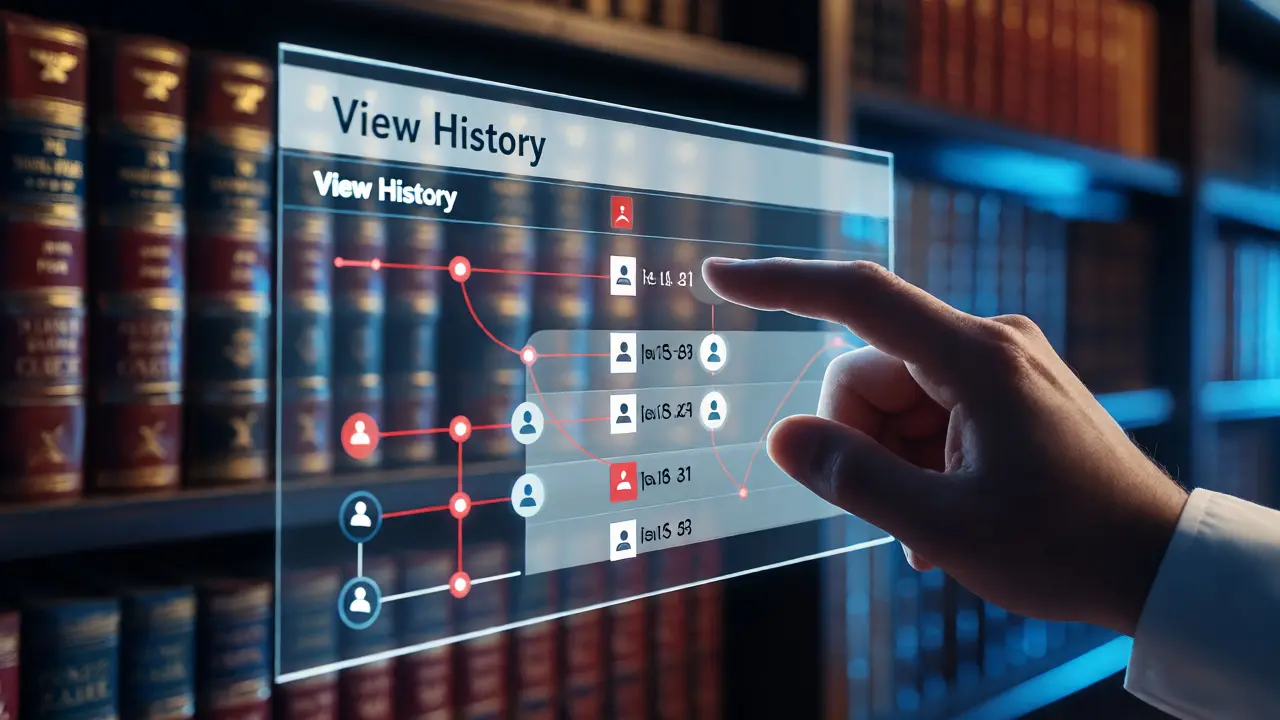
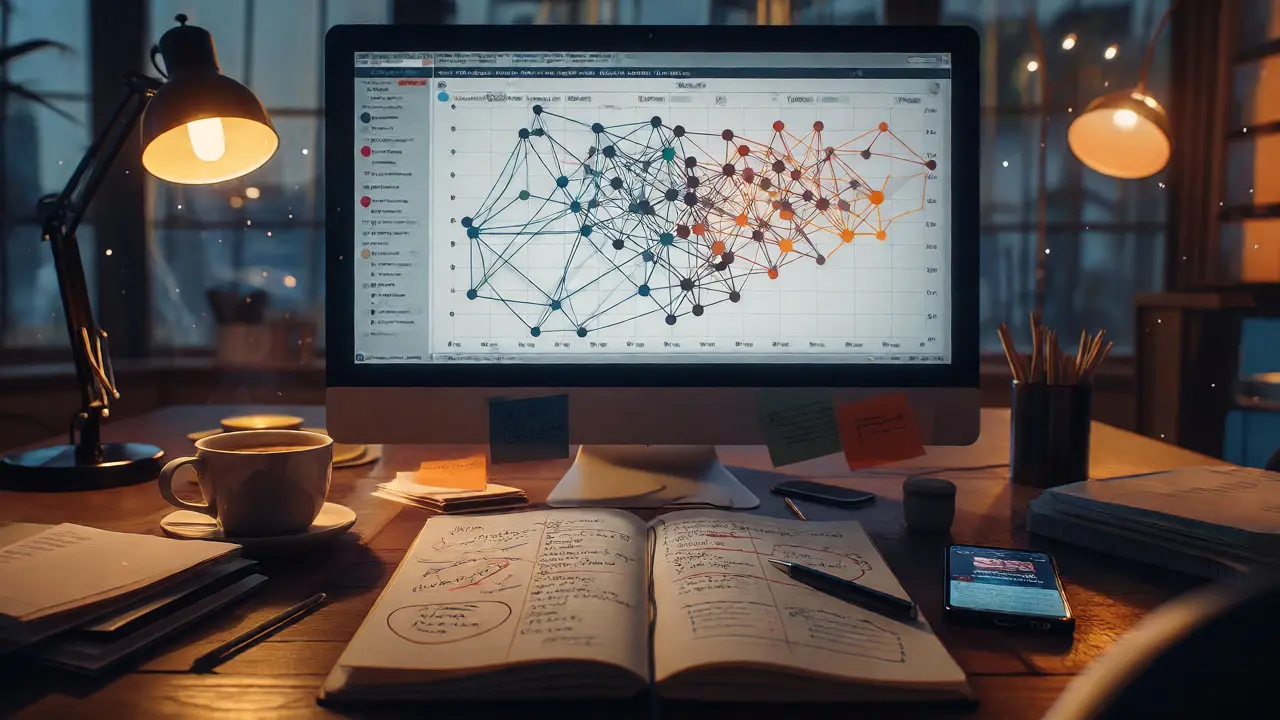
You don’t need to be a coder to do this, but knowing the right tools speeds up the process significantly. The built-in "View history" button is your starting point. It lists every revision with a timestamp and a brief summary. But raw data is hard to digest. That’s where third-party extensions come in. Huggle is a tool used primarily by anti-vandalism patrols, but its interface offers a side-by-side diff view that is invaluable for spotting malicious or biased edits instantly. For deeper analysis, WikiGrok visualizes the social network of editors, showing who interacts with whom. Are the same five users always reverting each other? That’s an edit war, not a consensus.
- RevisionSlider: A browser extension that lets you scrub through time using a slider bar, visually seeing the text grow or shrink.
- Xtools: Provides detailed statistics on user contributions, helping you determine if an editor is a long-term contributor or a new account created solely to push a specific agenda.
- Wikidata Query Service: Allows you to query structured data across thousands of pages, useful for tracking trends across entire categories of news subjects.
Detecting Bias Through Language Shifts
Words carry weight. In journalism, we talk about "loaded language." Wikipedia’s Neutral Point of View (NPOV) policy tries to strip this out, but it doesn’t always succeed immediately. By analyzing the diffs (the differences between versions), you can track semantic drift.
Consider the difference between "terrorist" and "militant." These terms are often swapped in edit histories depending on the geopolitical perspective of the editor making the change. If a page consistently flips between these two terms within hours, it signals a highly contested definition. As a journalist, this tells you that the classification itself is part of the story. You shouldn’t just report the event; you should report the battle over its label.
Another common tactic is the addition of qualifiers. An edit might change "He won the election" to "He won the election amid allegations of irregularities." This small insertion frames the entire victory differently. Tracking when such qualifiers appear-and who added them-reveals the moment skepticism entered the mainstream record.

The Role of Anonymous Editors
A significant portion of Wikipedia edits comes from anonymous IP addresses. While some are casual readers fixing typos, others represent institutional interests. Corporations, political parties, and PR firms often employ staff to monitor and adjust their entries. How do you spot them? Look for clusters of edits from the same IP range occurring during business hours. Look for edits that remove negative citations without adding replacements. Look for "sock puppet" accounts-new usernames that suddenly appear to defend a specific viewpoint when an anonymous user is being challenged. CheckUser investigations, though private, often reveal that seemingly independent editors share the same device fingerprint.
For news subjects, this is critical. If a celebrity’s scandal is downplayed in their bio, check the history. Was the removal done by a verified editor with a good standing, or by a brand-new account? The credibility of the source matters more than the content itself when assessing reliability.
Practical Steps for Journalists
So, how do you integrate this into your workflow? Here is a simple checklist for verifying a news subject’s narrative integrity:
- Identify the Peak Activity: Go to the History tab and sort by date. Find the period with the highest number of edits. This usually corresponds to the peak of media attention.
- Analyze the Diffs: Click on the "diff" links for the top ten edits in that period. Read what was added and removed. Ignore formatting changes; focus on factual claims and adjectives.
- Trace the Citations: When a new claim is added, click the footnote. Does it link to a reputable source? Or does it link to a press release or a low-quality blog?
- Check the Talk Page: Every article has a discussion page. Editors argue there. Search for keywords related to the controversy. Often, the reasoning behind an edit is explained in detail here.
- Compare Versions: Use the "Compare selected revisions" feature to create a clean comparison between the pre-controversy version and the post-controversy version. This gives you a clear picture of the narrative arc.
Ethical Considerations and Limitations
While powerful, Wikipedia history isn’t infallible. Vandalism can obscure truth. Sometimes, a bad actor deletes accurate information, and it takes weeks for the community to restore it. During that window, the "official" record is wrong. Always cross-reference with other sources like Internet Archive snapshots, which capture the page state independently of Wikipedia’s database.
Also, remember that Wikipedia reflects the availability of sources, not necessarily the absolute truth. If a small town scandal never made national news, it won’t appear in the history, even if it happened. Conversely, if a rumor goes viral on Twitter, it might get added to Wikipedia before it’s debunked, creating a temporary false record. Your job is to interpret these gaps and spikes, not just accept them as fact.
Frequently Asked Questions
Can I see who edited a Wikipedia page?
Yes, but with limitations. Registered users have public profiles showing their contribution history. Anonymous users are identified only by their IP address, which can be dynamic and shared among many people. You can see the timestamp and the edit summary, but the human identity behind an anonymous edit remains hidden unless they disclose it.
How far back does Wikipedia history go?
It goes back to the creation of the page. For articles created shortly after Wikipedia's launch in 2001, you can see nearly every single edit ever made. There is no deletion of history unless a page is completely deleted and recreated, in which case the old history is archived but still accessible via special logs.
Is Wikipedia history reliable for academic research?
It is reliable as a dataset of public discourse and editorial behavior, not necessarily as a source of primary facts. Scholars use it to study collective intelligence, bias, and information diffusion. However, you should cite the specific revision ID if you are quoting a historical version of the page.
What is an 'edit war'?
An edit war occurs when two or more editors repeatedly undo each other's changes because they disagree on the content. This is visible in the history as rapid-fire reversions. It indicates a lack of consensus and often leads to administrative intervention, such as page protection.
Do bots affect the history?
Yes, automated scripts (bots) perform maintenance tasks like fixing links or categorizing pages. They mark their edits with a bot flag. When analyzing narrative changes, you should filter out bot edits to focus on human-driven content modifications.