Wikipedia editors aren’t just volunteers-they’re the backbone of the world’s largest free encyclopedia. But since early 2025, a series of legal updates from the Wikimedia Foundation (WMF) have changed how those editors operate, what they can say, and how much protection they have. These aren’t minor tweaks. They’re structural shifts that touch everything from edit wars to liability, and they’re already forcing long-time contributors to rethink their role.
What Changed in the WMF Legal Framework?
In January 2025, the Wikimedia Foundation released its updated Legal Framework for Community Contributors, a document that formalized protections and responsibilities for editors for the first time. Before this, editors operated under vague community guidelines and outdated Terms of Use. Now, the WMF explicitly recognizes editors as independent actors-not employees, not agents, but contributors with limited legal standing.
The biggest change? The WMF no longer automatically defends editors in lawsuits unless the edit was made in good faith and aligned with official policy. That means if you’re sued for defamation over a biographical entry you edited, and the WMF determines your edit was speculative or violated the Biographies of Living Persons policy, they won’t cover your legal fees. This isn’t theoretical. In October 2024, a German editor was named in a defamation suit over a Wikipedia article about a local politician. The WMF declined to intervene because the edit lacked reliable sourcing, even though it was made by a ten-year contributor.
How This Affects Everyday Editing
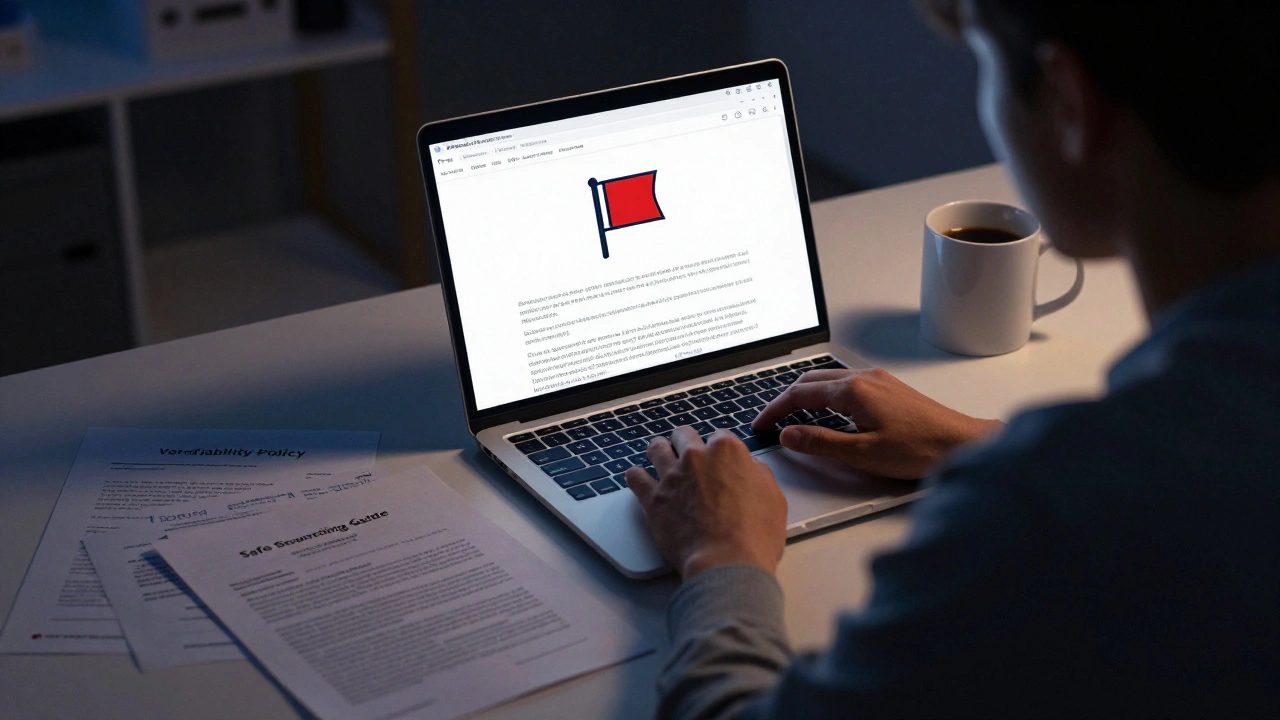
For most editors, this doesn’t mean stopping edits. But it does mean being more careful. The WMF now requires editors to tag any edit that could be legally risky with a Legal Review Flag. This isn’t a formal approval process-it’s a warning system. If you’re adding unverified claims about a public figure, changing a company’s financial data, or editing content involving minors, you’re now expected to pause and apply the flag. If you don’t, and the edit causes harm, you’re on your own.
Community moderators are also feeling the pressure. Previously, admins could delete content they thought was risky without legal review. Now, the WMF requires all deletion requests involving potential legal issues to be logged and reviewed by the Foundation’s Legal Team. This has slowed down cleanup efforts. A single disputed edit about a celebrity’s health now takes 7-10 days to resolve instead of hours.
What Editors Can Still Do
Not everything changed. The WMF still protects editors who follow the core policies: Neutral Point of View, Verifiability, and No Original Research. If you’re citing peer-reviewed journals, reputable news outlets, or official government documents, you’re still safe. The WMF even added a new Safe Sourcing Guide in March 2025, listing over 1,200 trusted sources across 40 languages.
And if you’re acting in good faith? You’re still covered. The WMF’s legal team has publicly stated they’ve reviewed over 3,000 editor appeals since January 2025-and approved 92% of them when the editor could show a clear paper trail of sourcing and policy alignment. That’s a strong signal: the system isn’t designed to punish careful editors. It’s designed to filter out the reckless ones.
What Happens If You Get Sued?
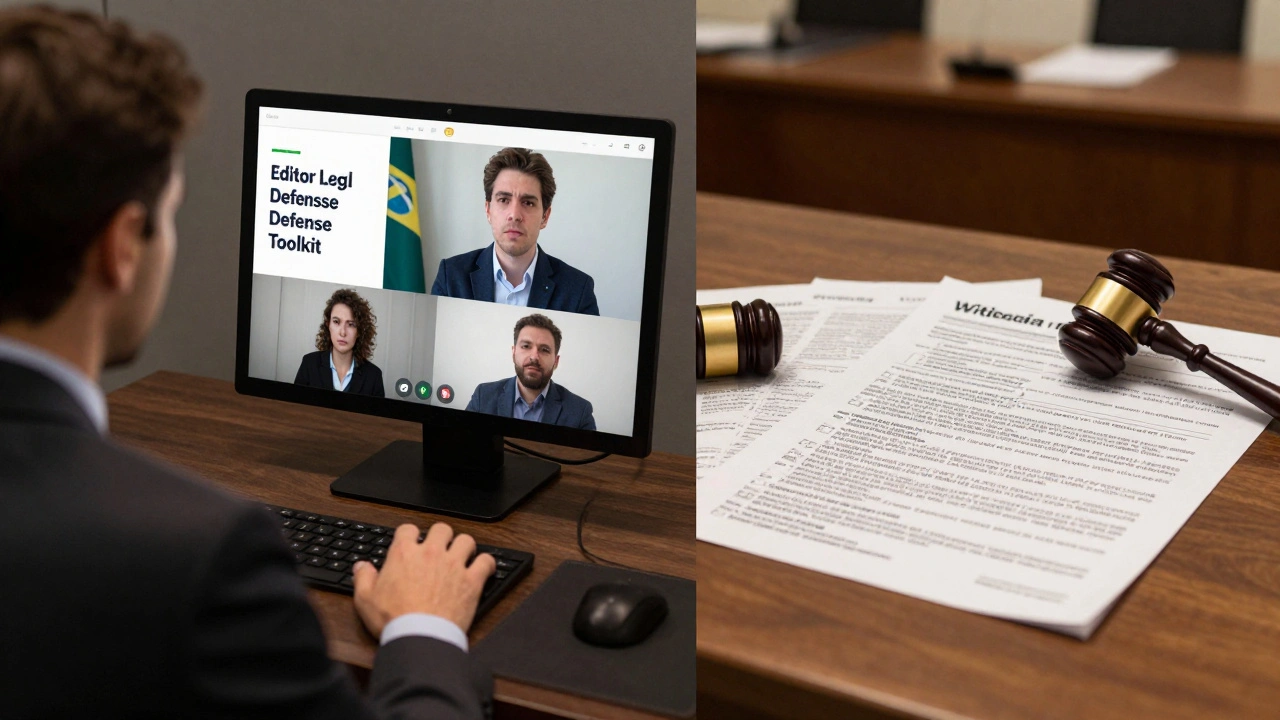
If you’re named in a legal complaint because of a Wikipedia edit, the first thing you should do is contact the WMF’s Legal Support Line. They won’t represent you in court, but they’ll give you a free 30-minute consultation with a volunteer lawyer from their network. You’ll also get access to their Editor Legal Defense Toolkit, which includes templates for responding to cease-and-desist letters, guidance on fair use, and a checklist of what evidence to gather.
One editor in Brazil, who was threatened with a lawsuit over a disputed edit on a local business’s environmental record, used the toolkit to draft a formal response citing the Verifiability policy and linking to three archived news articles. The plaintiff dropped the case within two weeks. That’s not luck-it’s knowing the rules.
How to Stay Protected
Here’s what every active Wikipedia editor should do right now:
- Read the updated WMF Legal Framework for Community Contributors-even if you think you know the rules.
- Always use the Legal Review Flag on edits involving living people, financial claims, or sensitive topics like health or crime.
- Keep screenshots of your edit history, sources, and discussion pages. The WMF will ask for them if you need help.
- Join your language community’s Legal Awareness Group. Over 80 language Wikipedias now have them.
- Never assume the WMF will bail you out. Assume you’re responsible for your own edits.
Why the WMF Made These Changes
These updates didn’t come out of nowhere. Between 2022 and 2024, the number of legal threats against Wikipedia editors increased by 310%. Most came from corporations, politicians, and wealthy individuals using legal intimidation to remove unfavorable content. The WMF couldn’t keep paying for lawyers for every editor who made a bad call.
They also faced pressure from governments. In 2024, the European Union demanded Wikimedia clarify who was legally responsible for edits on EU-based servers. The WMF chose to shift responsibility to editors-not to avoid accountability, but to make it clearer who’s accountable.
This isn’t about silencing critics. It’s about sustainability. The WMF’s annual legal budget was $4.2 million in 2024. That’s up from $1.1 million in 2020. If they kept covering every editor’s legal risk, they’d have to shut down projects or raise money through ads. Neither option serves Wikipedia’s mission.
What’s Next?
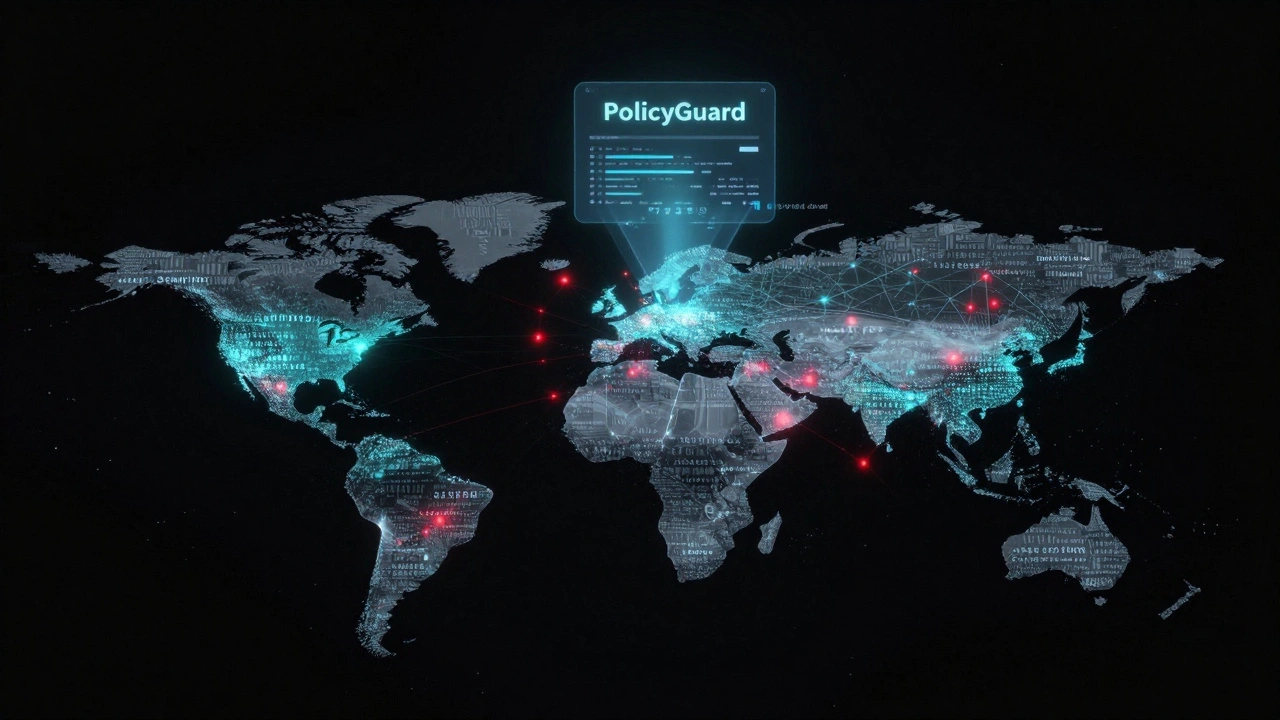
The WMF is rolling out a new tool in early 2026 called PolicyGuard. It’s an AI-assisted edit checker that scans new edits for legal risk signals-like unverified claims about public figures or unattributed quotes. It won’t block edits, but it will send a warning to the editor and suggest sources. Early tests show it reduces legal complaints by 40%.
They’re also expanding their volunteer lawyer network. By mid-2026, they plan to have licensed attorneys in 12 new countries, including India, Nigeria, and Brazil, to help editors navigate local laws.
For now, the message is simple: Wikipedia still needs you. But you’re no longer just a contributor. You’re a legal participant. And with that comes real responsibility.
Do I need to stop editing Wikipedia because of these legal changes?
No. If you follow the core policies-Neutral Point of View, Verifiability, and No Original Research-you’re still protected. The changes target reckless edits, not careful ones. Most editors won’t even notice the difference if they stick to reliable sources and avoid speculation.
Can the Wikimedia Foundation remove my edits even if they’re true?
Yes. Truth isn’t enough. Wikipedia requires reliable, published sources to back up every claim. An edit might be factually correct but still get removed if it’s based on a personal blog, an unpublished interview, or a social media post. The system isn’t about truth-it’s about verifiability.
What happens if I get sued and the WMF won’t help me?
You’re on your own legally, but you’re not alone. The WMF’s Legal Support Line offers free 30-minute consultations with volunteer lawyers. They’ll help you understand your rights, draft responses, and identify evidence to support your case. Many lawsuits are dropped once the plaintiff realizes the editor followed policy and has documentation.
Are these legal changes only for English Wikipedia?
No. The updated Legal Framework applies to all Wikimedia projects in all languages. However, local communities can add additional protections based on their country’s laws. For example, the German Wikipedia community has stricter rules on publishing names of minors, and the Japanese community requires additional sourcing for political claims.
Can I be banned for not using the Legal Review Flag?
Not directly. But if your edit causes harm and you didn’t use the flag, the WMF won’t defend you. Community admins may also flag your account for review if you repeatedly ignore legal warnings. It’s not a punishment system-it’s a risk management tool. Ignoring it puts you in danger, not the community.