Every week, thousands of Wikipedia editors log in not just to fix typos or add citations, but to keep the entire platform running. Behind the scenes, the infrastructure that powers Wikipedia is changing faster than most people realize. The Signpost's Tech Report is the only weekly digest that cuts through the noise and tells editors exactly what’s new, what’s broken, and what’s coming next. If you edit Wikipedia regularly, this isn’t optional reading - it’s essential.
What the Signpost Tech Report Actually Covers
The Signpost isn’t a blog. It’s not a newsletter. It’s a peer-reviewed, volunteer-run newspaper for Wikipedia’s editing community. Its Tech Report section, published every Tuesday, breaks down technical changes that affect how editors work. These aren’t marketing blurbs from the Wikimedia Foundation. These are real, tested updates that impact your daily workflow.
For example, in late February 2026, the report detailed how the new VisualEditor 2.0 rollout had reduced the number of edit conflicts by 37% on high-traffic articles. That’s not a guess - it’s based on server logs and editor surveys. It also explained why the old "diff" tool was being phased out in favor of a redesigned interface that highlights text changes with color-coded lines instead of blocks. Editors who didn’t read the report were caught off guard when their usual editing rhythm broke.
How Bot Tools Are Changing the Game
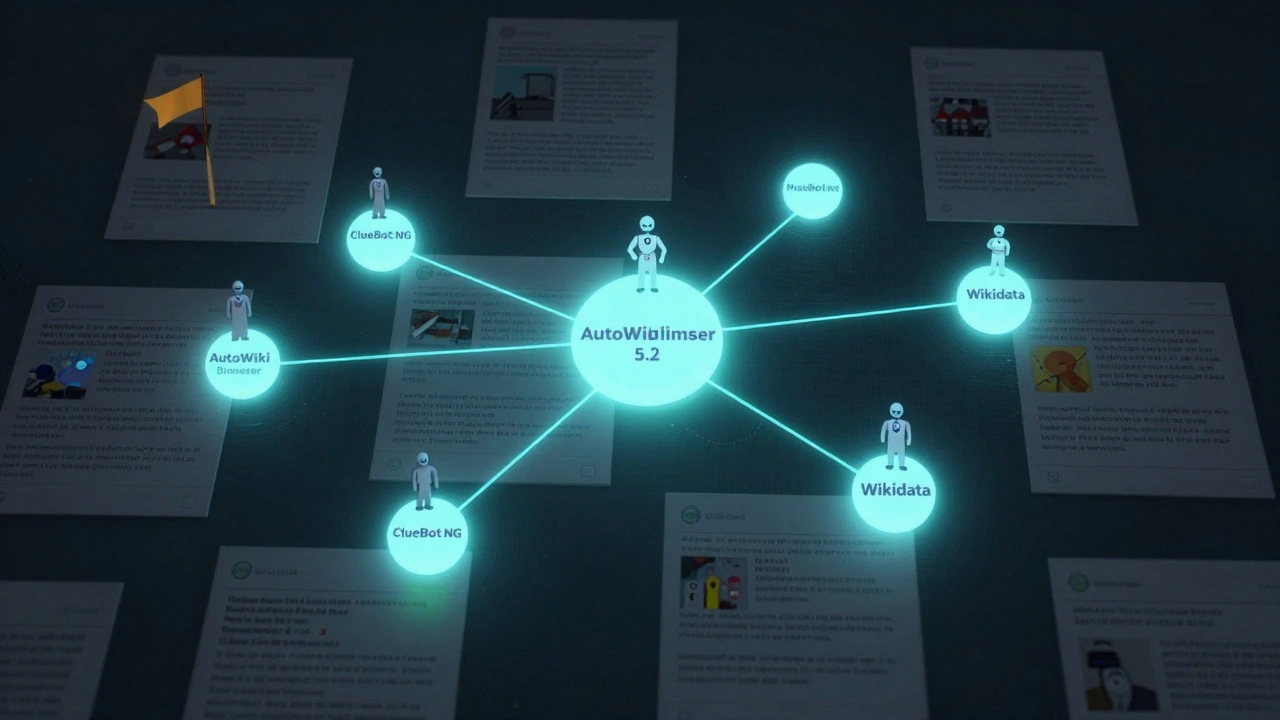
One of the biggest shifts in recent months is how bots are no longer just cleaners of vandalism. They’re now active collaborators in content quality. The Tech Report broke down the launch of AutoWikiBrowser 5.2, which now integrates with Wikidata to automatically update infoboxes when external data sources change. For example, if a country’s population estimate is updated by the UN, the bot now flags the Wikipedia article for review - not just edits it blindly.
Another tool gaining traction is ClueBot NG, which now uses machine learning trained on 12 million past edits to predict which changes are likely to be reverted. It’s not perfect - it still flags legitimate edits from new users - but its accuracy has improved to 92%, up from 81% in 2024. Editors who ignore these updates miss out on tools that save hours every week.
Mobile Editing Just Got a Lot Easier
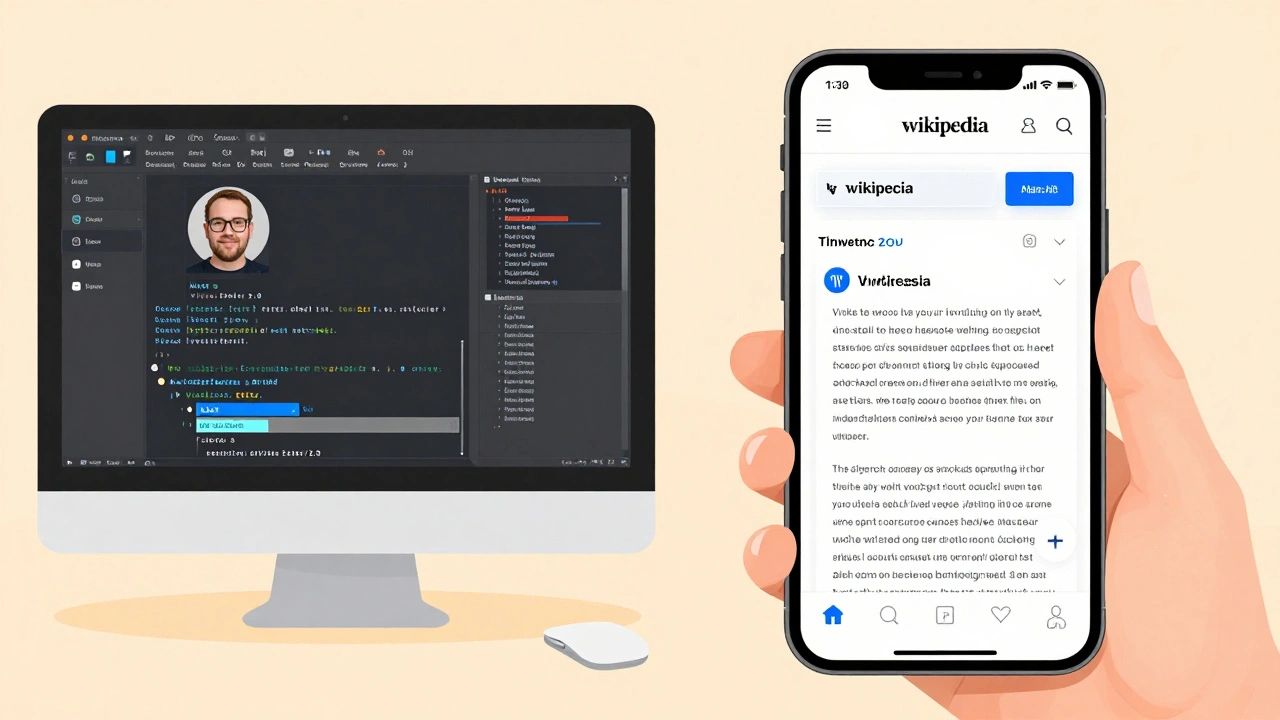
Over half of Wikipedia traffic now comes from mobile devices, but until recently, editing on a phone was clunky. The Signpost reported that the Wikipedia iOS and Android apps now support full VisualEditor mode. That means you can now format bold and italic text, insert citations, and even upload images directly from your phone without switching to desktop mode.
The report also highlighted a new feature: "Draft on the Go." If you start an edit on your phone but can’t finish it, the app now saves it as a draft synced to your account. When you get back to a computer, you can pick up right where you left off. This has led to a 28% increase in mobile contributions since January 2026.
What’s Being Removed - And Why
Not every update is an addition. Sometimes, the most important news is what’s being taken away. In early February, the Tech Report announced the retirement of Template:Dead link. For over a decade, this template flagged broken citations. But it was rarely used correctly - editors often left it on pages for months, even after the link was fixed. The new system uses automated link-checking bots that update articles in real time. If a link dies, the system notifies the editor who last edited the page. No template needed.
Similarly, the old "edit war" detection system, which flagged users who reverted edits too quickly, has been replaced. The new system looks at intent, not frequency. If two editors are working together to improve a section, even if they revert each other five times, it won’t trigger a warning. But if one user keeps reverting the same change without discussion, the system flags it as disruptive behavior. This shift has reduced false positives by 65%.
How to Stay Ahead Without Getting Overwhelmed
With so many changes, it’s easy to feel like you’re falling behind. But you don’t need to read every line of the Signpost. Here’s how to use it efficiently:
- Bookmark the Tech Report section - it’s updated every Tuesday morning (UTC).
- Use the "TL;DR" summaries at the bottom of each article. They’re written by experienced editors and cut straight to what matters.
- Subscribe to the weekly digest email. You’ll get a plain-text version delivered to your inbox with direct links to changes.
- Join the #wikipedia-tech channel on Discord. Many editors discuss the report there in real time and share tips.
Most importantly, don’t wait for a change to break your workflow. If a tool you rely on suddenly stops working, check the Signpost before assuming it’s a bug. Nine times out of ten, it’s a planned update.
The Hidden Impact of These Changes
These aren’t just technical tweaks. They’re reshaping who gets to edit Wikipedia. Better mobile tools mean more contributors from regions with limited computer access. Smarter bots reduce the burden on veteran editors who used to spend hours cleaning up errors. The new edit conflict system means fewer new editors get scared off by automated warnings.
In 2025, Wikipedia had over 1.2 million active editors. By January 2026, that number jumped to 1.38 million - the largest year-over-year growth in a decade. A big part of that? Editors who stayed because the tools finally worked for them.
What’s Coming Next
The Signpost’s preview section for March 2026 hints at two major changes:
- A new AI-assisted citation checker that scans articles for claims without sources and suggests reliable references from trusted databases.
- Integration between Wikipedia and Internet Archive’s Wayback Machine, so when a link dies, the system automatically tries to restore the page from an archived version.
Both are still in testing, but early results show the citation checker reduces missing references by 40% in pilot articles. If you edit articles on science, history, or politics, you’ll want to be ready for this.
Do I need to be a tech expert to benefit from the Signpost’s Tech Report?
No. The Tech Report is written for editors of all skill levels. It avoids jargon where possible and explains technical terms when they’re used. Many of the updates it covers - like mobile editing improvements or bot changes - affect everyone who edits, regardless of experience. The "TL;DR" summaries are especially helpful if you’re short on time.
How often is the Signpost updated?
The Signpost is published weekly, every Tuesday. The Tech Report section appears in every issue and includes updates from the past week. There’s also a separate "News" section that covers broader Wikipedia community events, but the Tech Report is the one you want if you’re focused on tools and infrastructure.
Can I contribute to the Signpost’s Tech Report?
Yes. The Signpost is entirely volunteer-run. If you notice a tool change that affects editors - like a new feature in the mobile app or a bot update - you can submit a short article. The editorial team reviews all submissions and helps polish them for publication. You don’t need to be a programmer; you just need to be an active editor who pays attention to how tools behave.
Are the changes in the Signpost only for English Wikipedia?
Most of the Tech Report covers changes to the core MediaWiki software that affects all language versions. However, some updates - like mobile app features or specific bots - may be rolled out first on English Wikipedia. The report usually notes if a change is limited to one language. If you edit a non-English version, check the local Signpost too - many language communities have their own tech updates.
What should I do if a tool I use suddenly stops working?
First, check the latest Signpost Tech Report. Many issues are intentional changes, not bugs. If it’s not mentioned there, search the MediaWiki Phabricator (the official bug tracker) using keywords from the tool’s name. If you still can’t find an answer, ask on the Wikipedia Teahouse or the Tech Report’s talk page. Most problems are already known and being fixed.