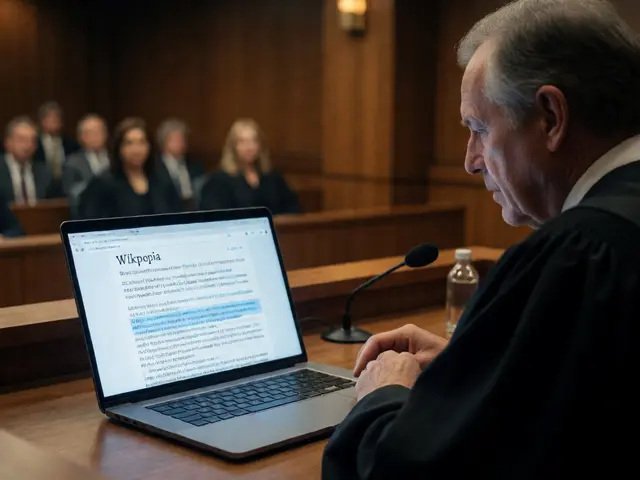
Have you ever wondered how a single decision by a few administrators can reshape the entire Wikipedia ecosystem? The Wikimedia Foundation is the non-profit organization that hosts and supports Wikimedia projects like Wikipedia, Wiktionary, and Commons. While editors usually drive content through consensus, the Board of Trustees holds ultimate legal authority. This power often manifests through "Office Actions"-unilateral decisions made without a full community vote. For many long-time contributors, this remains a source of tension. Understanding how these actions work, when they are justified, and how the community reacts is crucial for anyone navigating the project's governance landscape.
What Exactly Is an Office Action?
An Office Action is a formal decision issued by the Wikimedia Foundation Board of Trustees or its committees that takes effect immediately without requiring a global community vote. Unlike a standard policy change, which might take months to debate on Meta-Wiki, an Office Action can be implemented overnight. The Board reserves this right to handle urgent matters, such as emergency funding needs, structural reorganizations, or responses to external legal threats. It is not a tool used lightly; historically, the Foundation has preferred the slower, messier path of community consultation. However, when speed is prioritized over consensus, the Office Action mechanism kicks in.
The legal basis for this power stems from the fact that the Wikimedia Foundation is the sole owner of the domains and trademarks associated with the projects. Editors contribute freely, but the infrastructure belongs to the Foundation. Therefore, the Board can make binding administrative decisions that affect all users, provided they do not contradict existing contracts or fundamental rights established in previous policies.
Why Does the Board Use This Mechanism?
You might ask: if the community loves democracy, why does a top-down approach exist? There are three primary drivers behind most Office Actions:
- Urgency: Sometimes, waiting six months for a global vote means missing a critical window. Think of sudden changes in data privacy laws or immediate security risks.
- Structural Clarity: When roles between the Foundation and the community become blurred, the Board may step in to define boundaries clearly, ensuring operational efficiency.
- Legal Protection: To shield the non-profit from liability, the Board sometimes enforces stricter compliance measures that individual editors might resist due to workflow preferences.
For example, during periods of rapid growth in user numbers, the Foundation might issue an Office Action to update server infrastructure standards or data retention policies. These technical necessities rarely spark massive controversy because they are invisible to the average reader, but they significantly impact how administrators manage the platform.

Key Historical Examples and Their Impact
To understand the weight of an Office Action, look at past instances where this mechanism changed the status quo. One notable area involves the management of Stewards, who are global administrators with powers across multiple language versions of Wikimedia projects. Changes to how Stewards are appointed or monitored have occasionally been fast-tracked via Office Action when local communities struggled to reach consensus on oversight mechanisms.
Another frequent topic is the handling of Grants, which are financial awards given by the Foundation to support specific community initiatives or regional chapters. When grant criteria shifted to prioritize measurable impact over traditional activity metrics, some community members felt bypassed. The Office Action allowed the Board to align financial strategy with long-term sustainability goals, even if it meant short-term friction with local chapter leaders.
| Feature | Standard Policy Change | Office Action |
|---|---|---|
| Decision Maker | Global Community Consensus | Board of Trustees / Committees |
| Timeline | 3-12 months (discussion + voting) | Immediate to 2 weeks |
| Community Input | Mandatory and extensive | Optional or post-hoc feedback |
| Reversibility | High (can be voted out later) | Low (requires new Board action) |
| Typical Use Case | Content guidelines, editor rights | Emergency fixes, legal compliance, structure |
How the Community Responds to Top-Down Decisions
The reaction to an Office Action is rarely silent. The Wikimedia community is known for its passionate engagement. When the Board issues a unilateral directive, discussions flare up on Meta-Wiki, the central coordination hub for all Wikimedia projects where inter-project discussions take place. Editors analyze the text, compare it against past precedents, and gauge whether the action respects the spirit of the project’s founding principles.
Usually, the outcome falls into one of two categories. First, acceptance: if the community agrees the move was necessary, the discussion dies down, and the new rule becomes part of the operational fabric. Second, resistance: if the action feels arbitrary or disconnected from ground-level reality, it can lead to prolonged debates, petitions, or even calls for Board elections where candidates campaign on reversing the specific action. This dynamic highlights a core tension in the project: the balance between agile leadership and democratic participation.

Navigating the Process as an Editor
If you are an active contributor, how should you handle an incoming Office Action? Here is a practical guide:
- Read the Primary Source: Don’t rely on summaries in chat rooms. Go directly to the official announcement on the Wikimedia Blog or Meta-Wiki. Look for the specific rationale cited by the Board.
- Check for Transition Periods: Many Office Actions include a grace period where old rules still apply. Note these dates carefully to avoid editing violations.
- Participate in Feedback Windows: Even if there is no vote, the Board often opens a comment period. Constructive feedback here can influence implementation details, such as how the policy is communicated or enforced.
- Monitor Local Chapters: If you belong to a national chapter, check their internal communications. They often provide localized interpretations of complex Foundation-wide actions.
Remember, your role isn’t just to comply but to inform. A well-written comment explaining how a new rule affects daily workflows can help the Foundation refine its execution. The goal is collaborative improvement, not passive submission.
Future Implications and Governance Evolution
As the Wikimedia movement expands globally, the relevance of Office Actions is evolving. With more regional hubs gaining autonomy, the central Board’s need to micromanage local operations may decrease. However, global standards for data protection, accessibility, and copyright will likely remain areas where centralized action is required. The challenge for the next decade is defining the precise line between what requires global uniformity and what allows local flexibility.
For now, the Office Action remains a powerful, if controversial, tool. It ensures the Foundation can act decisively when the ship is in trouble. For the community, it serves as a reminder that while we build the encyclopedia together, the foundation beneath us is managed by a smaller group with significant legal leverage. Understanding this hierarchy helps set realistic expectations for how changes happen and how much influence any single editor holds in the grand scheme of things.
Can an Office Action override a previously voted-on community policy?
Yes, technically. Because the Board holds ultimate legal authority, an Office Action can supersede existing community policies if deemed necessary for legal compliance or organizational health. However, this is rare and usually triggers significant community backlash, making it a high-stakes maneuver for the Board.
Where can I find the list of all past Office Actions?
Most Office Actions are archived on Meta-Wiki under the Board of Trustees’ announcements section. You can also search the Wikimedia Blog for keywords like "Office Action" to find detailed explanations and press releases related to major decisions.
Do Office Actions apply to all Wikimedia projects equally?
Generally, yes. Since the Foundation owns the infrastructure for all projects, an Office Action affecting server management or data privacy applies to Wikipedia, Wikidata, Commons, and others simultaneously. However, content-specific policies may only apply to certain language versions if specified in the action text.
How long does it take for an Office Action to become permanent policy?
An Office Action is effective immediately upon publication. It becomes "permanent" in practice if the community accepts it and integrates it into local guidelines. If rejected, it remains in force until the Board rescinds it or a subsequent election brings in a different Board composition.
Is there a way to vote against an Office Action?
There is no direct vote to reject an Office Action once issued. Your primary avenue of influence is during the Board elections, where you can vote for trustees who advocate for your position. Additionally, sustained community pressure can lead the Board to voluntarily revoke or modify an action.