Imagine you are an active editor on the English Wikipedia. One day, your username turns red, and a message appears: "Blocked indefinitely by a global administrator." You didn't do anything wrong locally; you just got flagged for spamming across multiple language versions of the site. Or maybe you were blocked on the French Wikipedia for a minor edit war, but it doesn't affect your ability to edit on the Spanish version. This distinction between global bans and local blocks is one of the most confusing aspects of Wikipedia's governance structure. Understanding the difference helps editors navigate the system, avoid unnecessary conflicts, and know exactly who has the power to silence them.
The Core Difference: Scope and Authority
To understand why these two actions feel so different, you have to look at who executes them and where they apply. A local block is a tool used by administrators on a specific project, such as the English Wikipedia or the German Wikipedia. It only affects that single project. If you are blocked on en.wikipedia.org, you can still freely edit es.wikipedia.org, fr.wikipedia.org, or any other language version. The authority here lies with the local community. Administrators (admins) are elected by the users of that specific language version. They handle disputes, vandalism, and policy violations within their own sandbox.
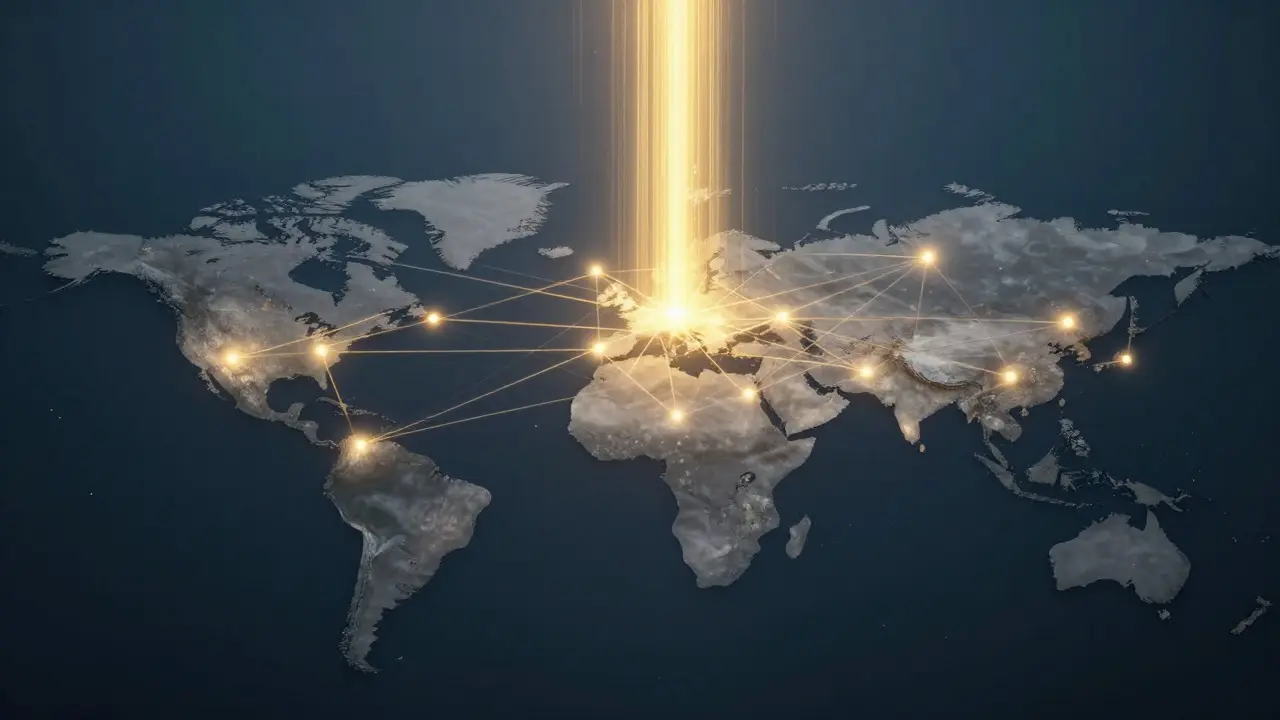
In contrast, a global ban is enforced by the Wikimedia Foundation, the non-profit organization that hosts all the projects. These bans are applied globally, meaning they stop you from editing every single Wikimedia project simultaneously. The decision-makers here are not local admins but a specialized group called the Stewards, or in severe cases, the Arbitration Committee (ArbCom) or the Board of Trustees. When you receive a global ban, your user account is effectively frozen across the entire ecosystem. You cannot create new pages, talk to other users, or even view certain restricted areas unless you appeal through the global channels.
Who Decides? Admins vs. Stewards
The people behind the keyboard matter as much as the action itself. Local administrators are volunteers chosen by their peers on a specific wiki. Their powers are limited to that wiki. They can block users, protect pages, and delete files, but their reach stops at the border of their language version. For example, an admin on the Italian Wikipedia has zero legal standing to block a user on the Japanese Wikipedia. This decentralization allows each community to develop its own culture and enforcement standards.
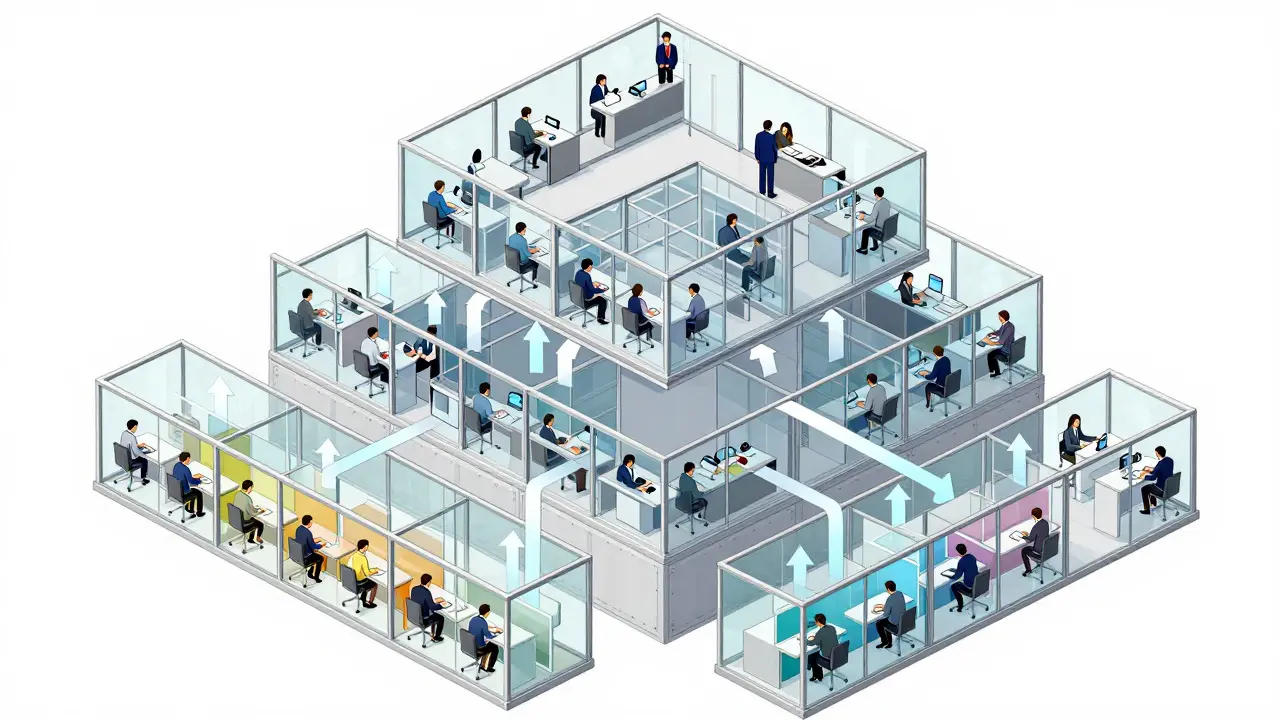
Global stewards, however, operate above the local level. They are elected by the entire Wikimedia community to handle cross-project issues. Their primary job is to deal with problems that don't respect borders: spam, advertising, mass vandalism, and harassment that spans multiple wikis. Because they act on behalf of the foundation, their decisions carry more weight and are harder to overturn. If a steward issues a global ban, it usually means the behavior was deemed harmful to the whole network, not just one part of it. There is also the role of the Arbitration Committee on the English Wikipedia, which can issue binding decisions that often lead to global sanctions if the offender continues to misbehave elsewhere.
Common Reasons for Each Type of Action
Why does someone get hit with a local block versus a global ban? The triggers are distinct. Local blocks typically arise from:
- Edit wars: Two users repeatedly reverting each other's changes on a specific article.
- Vandalism: Adding nonsense or false information to a page on a specific wiki.
- Talk page disruption: Being rude or argumentative in discussions on a particular project.
- Policy violation: Ignoring local guidelines, such as citation requirements or neutral point of view (NPOV) rules specific to that language community.
These are community-level issues. The solution is usually a temporary block, a warning, or a discussion with another admin.
Global bans, on the other hand, are reserved for behaviors that threaten the integrity of the entire platform. Common reasons include:
- Spam and Advertising: Creating accounts solely to link to external websites across multiple wikis.
- Cross-wiki Vandalism: Systematically destroying content on several language versions using multiple accounts.
- Harassment: Following a user from one wiki to another to intimidate or annoy them.
- Bypassing Blocks: Creating sock puppets (new accounts) to evade a local block, which is seen as a serious breach of trust.
- Legal Issues: Copyright infringement or defamation that could expose the Wikimedia Foundation to legal risk.
If you see a global ban notice, it almost always indicates a pattern of behavior rather than a one-off mistake.
The Process: How It Happens Step-by-Step
Knowing how the machinery works can help you anticipate what might happen next. Here is a simplified look at both processes.
- Local Block Process:
- An admin notices a violation on their wiki.
- The admin places a block, usually with a reason listed on your user page.
- You can request a review from another admin or go to the village pump (community forum) to discuss it.
- If you disagree, you can appeal to the Arbitration Committee (on major wikis like English) or wait for the block to expire.
- Global Ban Process:
- A steward or arbcom identifies cross-wiki misconduct.
- A case is opened on Meta-Wiki (the central hub for Wikimedia governance).
- Stewards investigate evidence across multiple wikis.
- A vote or consensus is reached among stewards.
- The ban is applied globally. You receive a notice on your user pages across all wikis.
- To appeal, you must submit a formal request to the stewards via Meta-Wiki. This process is slower and more formal than local appeals.
Notice the shift in venue. Local issues stay local. Global issues move to Meta-Wiki. This separation is crucial for understanding why some appeals take weeks while others take days.
Practical Implications for Editors
So, what does this mean for you as an editor? First, keep your edits clean and well-referenced. Most local blocks happen because of poor communication or stubbornness in edit wars. A polite message on a talk page can prevent a block entirely. Second, be careful with new accounts. If you create a second account without declaring it, and then use it to argue against a block, you risk a global ban for "sock puppetry." Transparency is key.
Third, understand that a local block is not the end of the world. It’s a pause button. Use that time to read the local policies, cool off, and prepare a better case. But a global ban is a significant hurdle. It requires you to engage with the broader Wikimedia community, which speaks many languages and operates under stricter procedural rules. If you find yourself facing a global ban, seek advice from experienced editors or stewards early. Don’t assume that winning a local debate will save you from a global sanction.
| Feature | Local Block | Global Ban |
|---|---|---|
| Scope | Single Wikipedia (e.g., English) | All Wikimedia Projects |
| Authority | Local Administrators | Stewards / ArbCom / Board |
| Typical Reason | Edit war, local vandalism | Spam, cross-wiki harassment |
| Appeal Venue | Local Village Pump / ArbCom | Meta-Wiki Steward Discussions |
| Duration | Often temporary (hours to months) | Often indefinite until appealed |
| Impact on Other Wikis | No impact | Complete freeze |
Navigating the Grey Areas
Not every situation is black and white. What happens if you are blocked locally, but you think the admin made a mistake? You appeal locally. But what if you believe the admin is biased? You can ask for a review by another admin. However, if you start creating new accounts to bypass the block while waiting for the appeal, you escalate the issue. Suddenly, it’s no longer just about the original edit; it’s about your integrity. That’s when stewards step in. They don’t care about the original edit anymore; they care about the fact that you tried to cheat the system. This is the most common path to an unexpected global ban.
Another grey area is "soft" global restrictions. Sometimes, instead of a full ban, stewards might impose a "global semi-protection" on specific pages or restrict your ability to create accounts. These are less dramatic but still limit your freedom. Always read the fine print of any restriction notice. It will tell you exactly what you can and cannot do, and how long it lasts.
Frequently Asked Questions
Can I edit other Wikipedias if I am locally blocked?
Yes. A local block only applies to the specific Wikipedia where it was issued. You can continue editing on other language versions unless a global ban is applied. However, be careful not to repeat the same behavior elsewhere, as it may attract attention from stewards.
Who are Stewards in the Wikimedia context?
Stewards are volunteer administrators elected by the entire Wikimedia community to manage cross-project tools. They handle global user rights, global bans, and technical issues that affect multiple wikis. They operate from Meta-Wiki.
What is the difference between a block and a ban?
In common usage, they are similar, but technically, a "block" prevents a user from editing, while a "ban" implies a longer-term or permanent exclusion. Locally, we usually say "blocked." Globally, the term "global ban" is standard, indicating a comprehensive restriction across all projects.
How do I appeal a global ban?
You must submit an appeal to the Stewards via Meta-Wiki. Create a topic on the Steward Discussion page, provide clear evidence of why the ban should be lifted, and maintain a polite tone. The process can take several weeks depending on the complexity of the case.
Does a local block affect my reputation on other wikis?
Not automatically. Other wikis do not see your local block history unless you mention it or it becomes public knowledge. However, if you behave poorly on multiple wikis, editors may connect the dots and report you for global attention. Clean conduct everywhere is the best way to protect your reputation.