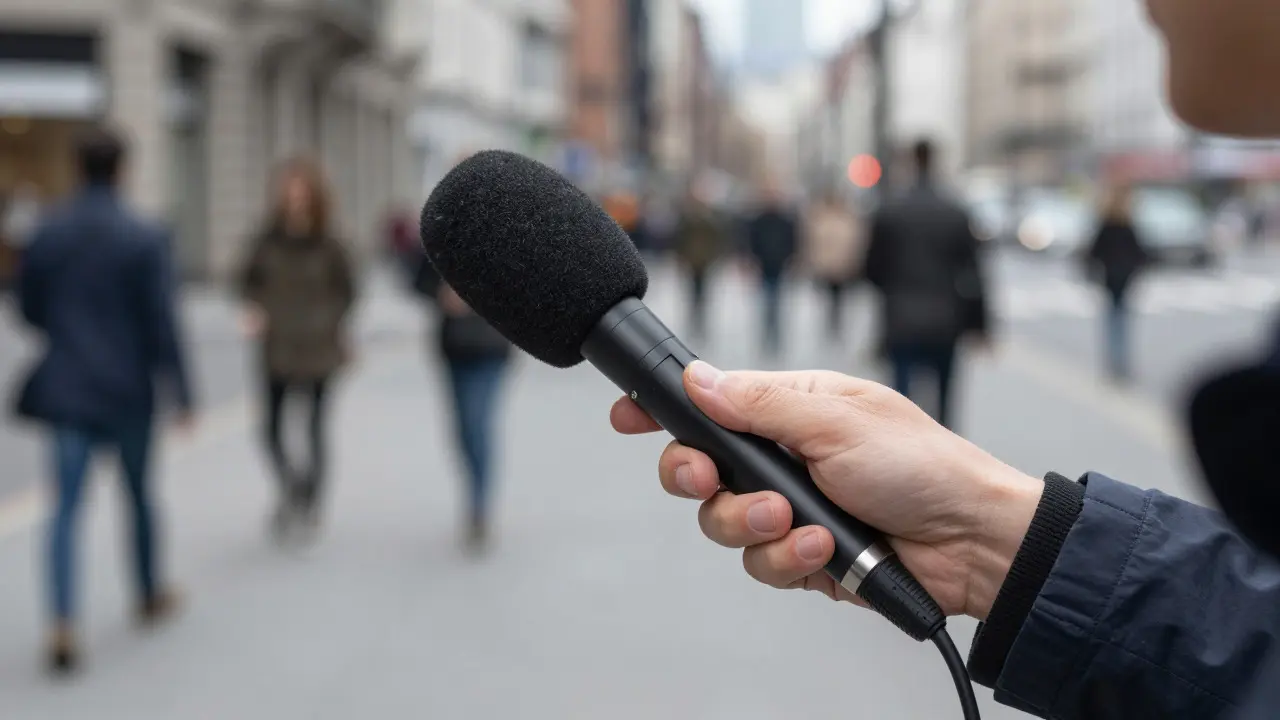
Walking up to a stranger on the street with a microphone in hand is risky. But doing it on Wikinews is a collaborative online newspaper that operates under strict free content licenses, and the risks multiply. You aren't just dealing with human feelings; you are dealing with legal frameworks like Creative Commons Attribution and GFDL. If you get this wrong, your interview might get deleted by an editor who knows more about copyright law than you do.
The core problem isn't just "did they say yes?" It's whether their "yes" survives the transfer from a private conversation to a global, editable database. This guide breaks down how to handle consent and recording so your work stays on the site and respects the people involved.
Understanding the License Trap
Most people think journalism means owning the story. On Wikinews, that assumption fails. The platform requires all text to be under free licenses. This means if you interview someone, their words become part of a corpus that anyone can copy, modify, and redistribute. Unlike traditional news outlets where the publisher holds the copyright, Wikinews relies on the contributor to secure the rights beforehand.
This creates a specific type of consent called explicit license grant. It is not enough to ask, "Can I quote you?" You need to ensure the source agrees to release their statement under the same terms as the article itself. For most modern Wikinews articles, this means CC BY-SA 4.0. If the source only wants to be quoted but doesn't want their name associated with a share-alike license, you have a mismatch that editors will flag.
Verbal vs. Written Consent
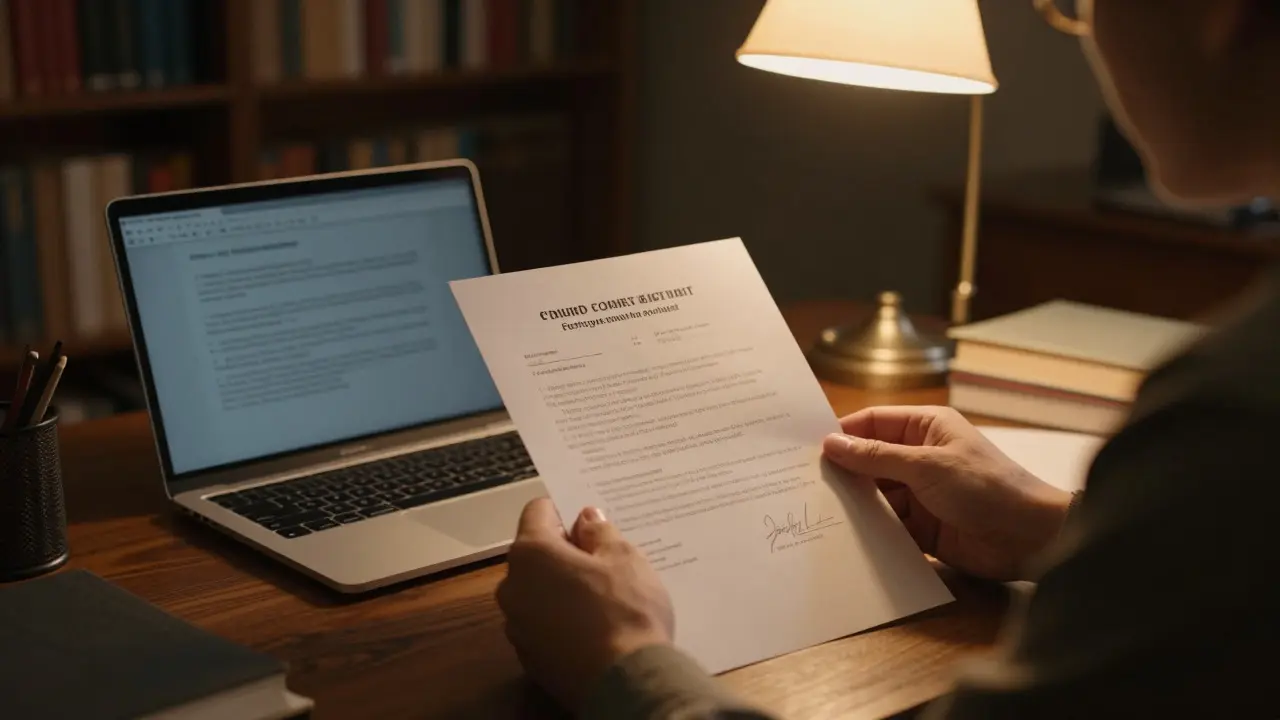
In fast-paced field reporting, verbal consent feels natural. However, for archival purposes on a wiki, written consent is the gold standard. Why? Because memory fades, and disputes happen. If a source later claims they didn't know their words would be published globally, a signed form saves your edit history from being reverted.
When you cannot get a physical signature, use a digital trail. Email confirmations work well. Send a draft of the exact quotes you plan to use and ask for a reply saying, "Approved for publication under CC BY-SA." Keep these emails in your notes or attached to the talk page if necessary. This practice aligns with general journalistic ethics standards but adds a layer of legal clarity required by open-source platforms.
The Nuance of Audio and Video Recording
Recording an interview is different from taking notes. Notes are yours; recordings are often considered derivative works. If you record an audio file and upload it to Wikimedia Commons, that file needs its own license. This is where many new contributors stumble. They assume the text license covers the media. It does not.
Here is the breakdown of media types:
- Audio Recordings: These require a separate license, typically CC BY-SA 3.0 or higher. You must inform the source that the *sound* of their voice is being released, not just the transcript.
- Video Clips: Even shorter clips require visual and audio consent. Check local laws regarding one-party vs. two-party consent for recording conversations.
- Photos: If you take a photo during the interview, the image is copyrighted by you (the photographer), but the likeness of the person may carry model release implications depending on jurisdiction.
A common pitfall is uploading a raw interview video to Commons without stripping out background noise or unrelated footage. Editors prefer clean, relevant assets. Always process your media before uploading to reduce storage clutter and improve usability.
Best Practices for Field Interviews
To streamline the process, adopt a consistent workflow. This reduces friction and ensures nothing is missed.
- Pre-interview Briefing: Explain what Wikinews is. Many sources confuse it with Wikipedia. Clarify that it is a news site, not an encyclopedia, and that the content is freely licensed.
- The "Two-Part" Ask: First, ask for permission to record. Second, ask for permission to publish the resulting content under a free license. Do not combine these into one vague question.
- Contextual Clarity: Tell them where the interview will appear. If they are a local politician, mention that the article will be visible worldwide, not just locally.
- Documentation: Take a photo of the consent form or save the email thread immediately after the interaction.
Using a standardized consent script helps. A simple phrase like, "Your words will be published on Wikinews under a Creative Commons license, meaning others can reuse them as long as they credit you. Do you agree?" is clear and direct.
Handling Sensitive Sources
Not every interview is with a public figure. When interviewing whistleblowers, activists, or victims of events, the stakes are higher. In these cases, anonymity might be requested. On Wikinews, anonymous sources are allowed but require careful attribution. You might write, "A source familiar with the matter stated..." rather than naming the individual.
However, even anonymous sources should ideally provide some form of consent to the *process*. While they don't need to sign a public document, having a recorded agreement that they understand the context protects both parties. If you are using a pseudonym, ensure the editor reviewing the article understands why the real name was withheld. Transparency with the editorial team is key to avoiding deletion.
| Method | Risk Level | Best For | Documentation Required |
|---|---|---|---|
| Verbal Only | High | Brief street interviews | None (risky) |
| Email Confirmation | Medium | Remote interviews | Saved email thread |
| Signed Form | Low | Long-form features | Scanned PDF or Photo |
| On-Air Statement | Medium-Low | Recorded video/audio | Timestamped clip |
Common Mistakes That Get Edits Reverted
Even with good intentions, technical errors can sink an article. Here are the top three mistakes to avoid:
Mistake 1: Assuming Fair Use Applies. Fair use is a US legal doctrine and is highly contested on international wikis. Relying on fair use for an entire interview transcript is a red flag for editors. Stick to explicit licenses.
Mistake 2: Ignoring Background Noise. If you record an interview in a busy cafe and capture other customers' conversations, those third parties also have rights. Blur faces in video and consider muting sections of audio where irrelevant speech occurs.
Mistake 3: Not Updating the Talk Page. After publishing, note on the article's talk page how consent was obtained. This transparency helps future editors verify the legitimacy of the content without chasing you down.
Frequently Asked Questions
Do I need consent for street interviews on Wikinews?
Yes. While some jurisdictions allow one-party consent for recording, Wikinews requires that the source agrees to the publication under a free license. Verbal consent is acceptable for brief quotes, but written confirmation is safer for longer excerpts.
What license should I use for my interview audio files?
Use Creative Commons Attribution ShareAlike (CC BY-SA) version 3.0 or higher. Ensure the source explicitly agrees that their voice will be released under this license, which allows others to remix and distribute the audio as long as they credit the original speaker.
Can I publish an interview if the source changes their mind later?
Generally, yes, once the content is published under a free license, the right to withdraw is limited unless fraud or mistake occurred. This is why getting clear, upfront consent regarding the permanence and reach of the publication is critical.
Is there a difference between quoting a tweet and conducting a formal interview?
Yes. Quoting a public social media post usually falls under fair use or the platform's terms, but a formal interview implies a direct exchange. For formal interviews, you must secure consent for the specific context of the Wikinews article, as the intent differs from casual social media sharing.
How do I cite the consent in the article?
You usually do not need to print the consent form in the article body. Instead, reference the method of consent in the references section or the talk page. For example, "Source confirmed via email on [Date]" provides a verifiable trail for editors.