You scroll through a Wikipedia article on a controversial social issue, and something feels off. The tone seems skewed, the sources feel cherry-picked, or the narrative aligns suspiciously with modern progressive talking points. You’re not alone in this suspicion. For years, critics have labeled the platform "woke," arguing that its editorial culture has drifted leftward, prioritizing ideological conformity over neutral point of view (NPOV). But is this perception backed by data, or is it a symptom of confirmation bias among users who expect encyclopedias to reflect their own worldviews? Let’s look at the actual mechanics of how Wikipedia builds knowledge to see where the bias truly lies.
The Myth of the Neutral Encyclopedia
First, we need to clear up a massive misunderstanding about what Wikipedia actually is. It isn’t a traditional encyclopedia written by tenured professors who hand you a finished product. It’s a collaborative project built on the principle of verifiability, not truth. This distinction is crucial. When you read an article, you aren’t reading the editor’s opinion; you are reading a summary of what reliable secondary sources say about a topic. If a majority of reputable news outlets and academic journals frame a historical event through a specific lens, Wikipedia mirrors that lens. Critics often mistake this mirroring for editorial bias. They want Wikipedia to be an arbiter of truth, but it functions more like a mirror reflecting the current state of public discourse. If the discourse shifts, the article shifts. That isn’t necessarily "woke" bias; it’s responsiveness.
Analyzing the "Systemic Bias" Data
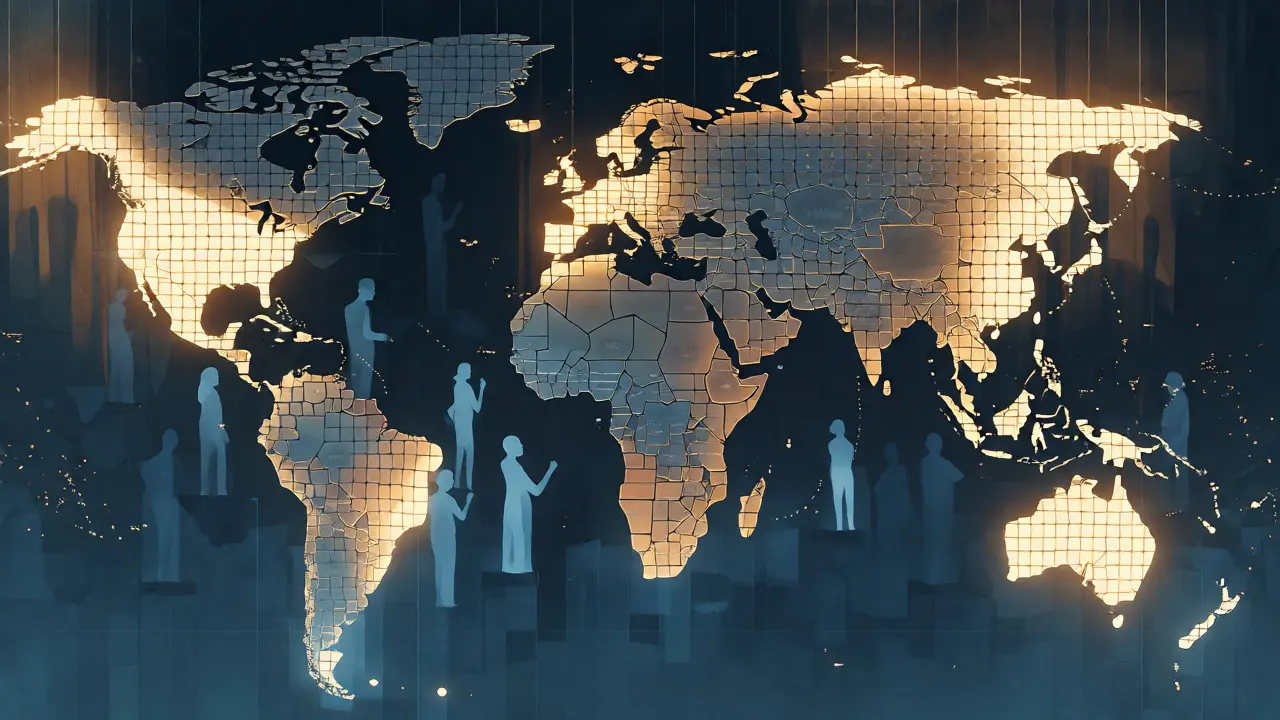
So, where does the idea of liberal bias come from? Much of it stems from studies analyzing editing patterns. Researchers from institutions like Oxford and Harvard have examined edit histories to track political leanings. Some data suggests that editors tend to cluster around center-left viewpoints, particularly in English-language articles. However, calling this "woke bias" oversimplifies the picture. What researchers often find is systemic bias, which refers to gaps in coverage rather than malicious ideological manipulation. For instance, biographies of women, people of color, and non-Western figures were historically underrepresented simply because fewer reliable sources existed about them, and fewer editors cared to write them. Fixing these gaps looks like "wokeness" to some, but it’s actually just filling in the blanks of a map that was previously half-empty.
| Perception Type | Common Claim | Source Reality | Editorial Mechanism |
|---|---|---|---|
| Ideological Skew | Editors push progressive agendas | Sources dominate the narrative | NPOV policy requires citing dominant reliable sources |
| Coverage Gap | Missing conservative perspectives | Lack of reliable citations | Verifiability prevents inclusion of unsourced opinions |
| Tone Policing | Language is overly sensitive | Evolving style guidelines | MOS (Manual of Style) updates reflect broader cultural norms |
| Demographic Bias | Editors are mostly young men | Historical demographic skew | Community outreach aims to diversify contributor base |
The Role of Reliable Sources
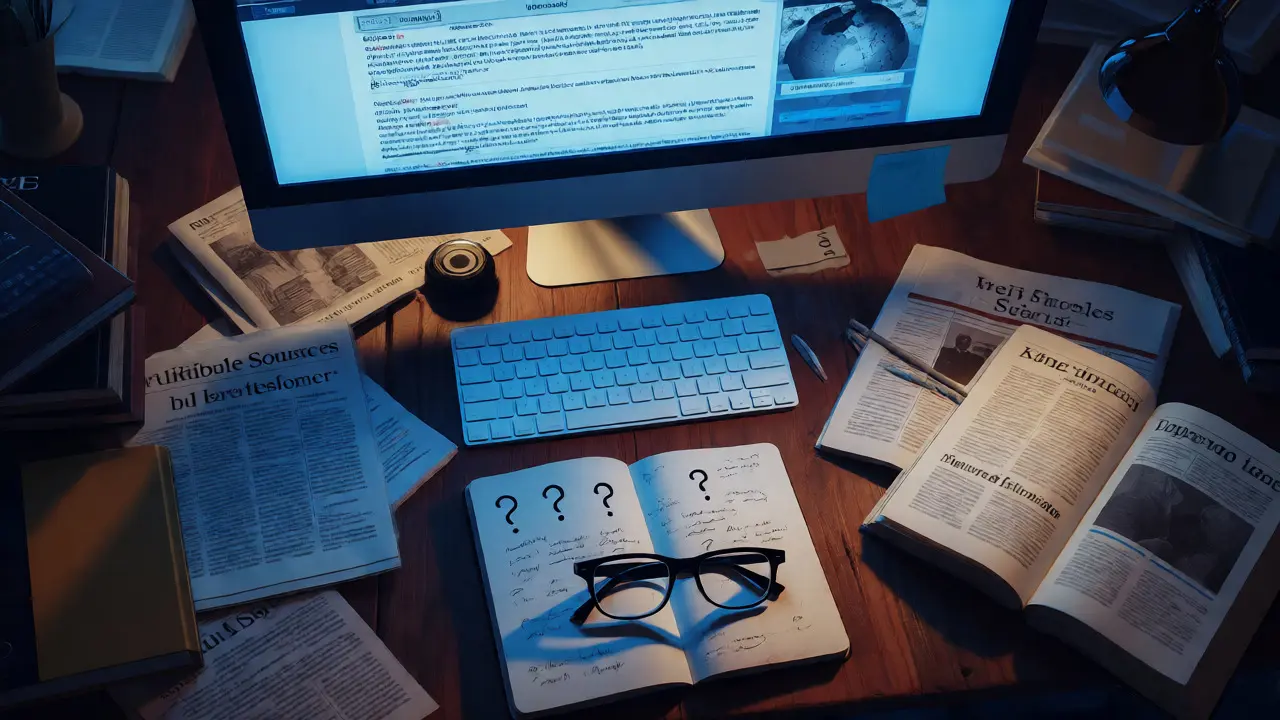
To understand why an article might feel biased, you have to look at the footnotes. Wikipedia’s core policy is Reliable Sources. Editors cannot insert their own thoughts. If you add a claim without a citation from a newspaper, book, or peer-reviewed journal, it gets deleted-often quickly. Here is the catch: mainstream media and academia have their own biases. If The New York Times and The Guardian both describe a protest as "chaotic," while Fox News calls it "lawless," the Wikipedia editor must weigh which term is more precise or if they should use both. Often, the resulting text sounds softer or more academic, which can irritate readers looking for punchy, partisan language. This isn’t conspiracy; it’s the friction of synthesizing conflicting reports into a single paragraph.
How Edit Wars Shape Narratives
Bias also emerges from the process itself, known as the "edit war." When two groups disagree on a fact-say, the casualty count in a conflict-they revert each other’s changes until a consensus forms or an administrator intervenes. Who wins these wars? Usually, the side with better sources and more patience. Historically, organized groups with strong institutional backing (like universities or major NGOs) have had an advantage in sourcing information compared to decentralized grassroots movements. This structural advantage can make certain narratives stickier than others. If a group consistently provides high-quality citations that meet Wikipedia’s strict standards, their perspective becomes embedded in the article. Critics argue this favors established institutions, which may hold progressive views on social issues, thereby reinforcing a perceived "elite" bias.
Case Study: Climate Change and Social Movements
Let’s look at concrete examples. Take the article on Climate Change. Is it "woke"? Most scientists agree on human-caused warming. Wikipedia reflects this scientific consensus. If you demand equal time for fringe theories, you’d call it biased. But since 97% of climate papers support the consensus, giving fringe views equal weight would actually be misleading. Now, look at social movements like Black Lives Matter. Early versions of the article faced heavy scrutiny. Editors debated whether to focus on police brutality statistics or property damage reports. Over time, the article expanded to include global reactions and legislative outcomes. Did it become "woke"? Or did it simply mature as more reliable sources became available documenting the movement’s impact? The shift in tone tracked the shift in public record, not a secret cabal of editors rewriting history.

Detecting Real Bias vs. Confirmation Bias
How do you tell if you’re seeing real bias or just your own expectations clashing with the text? Try this three-step audit. First, check the references. Are they diverse? Do they include international sources, or just US-centric ones? Second, look at the talk page. Every article has a hidden discussion tab. Read the arguments. If editors are actively debating the phrasing, the article is likely balanced. If one side dominates the discussion without rebuttal, that’s a red flag. Third, compare the article to other encyclopedias. Does Britannica or World Book present a significantly different angle? If yes, investigate why. Often, differences arise from publication dates or audience targeting, not ideological rigging.
The Future of Neutrality
As AI tools begin summarizing web content, the definition of "reliable source" is evolving. Automated systems might pull data from blogs or social media faster than human editors can verify them. This could introduce new types of noise. Meanwhile, Wikipedia continues to grapple with its demographic challenges. Efforts to recruit editors from the Global South and underrepresented communities aim to correct systemic gaps. These changes will inevitably alter the tone of many articles. Expect more nuance, less Anglo-centric framing, and perhaps a slower pace of change as consensus-building takes longer across diverse cultures. The goal remains NPOV, but achieving it requires acknowledging that every source carries a viewpoint.
Is Wikipedia owned by liberal billionaires?
No. Wikipedia is operated by the Wikimedia Foundation, a non-profit organization funded largely by small individual donations. While its founder Jimmy Wales has expressed centrist-libertarian views, he does not dictate content. Editorial decisions are made by the community of volunteers, not by owners or investors.
Why do some articles seem to delete conservative viewpoints?
Viewpoints are usually removed if they lack reliable sourcing or violate the Neutral Point of View policy. A conservative opinion stated without citation from a reputable outlet will be tagged for cleanup. If the source is considered unreliable (e.g., a partisan blog), it is removed regardless of political alignment. The standard is verifiability, not political balance.
Does Wikipedia have more left-wing editors?
Surveys suggest a slight skew toward center-left demographics among active English Wikipedia editors, particularly regarding social issues. However, this doesn't automatically translate to biased content because policies enforce reliance on published sources. The effect is more pronounced in coverage gaps (what gets written) than in factual distortion (how facts are presented).
What is the "Neutral Point of View" (NPOV) policy?
NPOV is Wikipedia's core content guideline. It states that all significant views published by reliable sources must be represented fairly and proportionately. It does not mean presenting all sides equally if one side lacks evidence. It means avoiding bias by attributing claims to their sources and maintaining a detached, encyclopedic tone.
Can I trust Wikipedia for academic research?
Use it as a starting point, not a final citation. Wikipedia helps you identify key topics, find primary sources via its references, and understand the general landscape. However, most professors discourage citing Wikipedia directly because its content is open to revision. Always trace the information back to the original cited source for rigorous work.