Ever been locked out of an online space because you broke a rule? On Wikipedia is a free, multilingual online encyclopedia operated by the non-profit Wikimedia Foundation, the consequences for breaking the rules can feel abrupt and confusing. You might see a message saying you are "blocked" or "banned," but do these terms mean the same thing? Not exactly. Understanding the difference between a temporary restriction and a permanent exile from the project helps you navigate the platform’s unique social contract.
The core issue isn't just about editing text; it's about maintaining a neutral point of view in a massive collaborative environment. When editors clash over facts, tone, or process, the system needs mechanisms to stop the bleeding. This article breaks down how those mechanisms work, who decides them, and what they actually mean for your ability to contribute.
The Difference Between a Block and a Ban
Many new users assume that being blocked means you are banned forever. In reality, a block is a technical restriction applied by an administrator to prevent specific actions on the wiki. It is usually temporary. A block might last for one hour, one week, or even one month. During this time, you cannot edit articles, create new pages, or sometimes even talk to other users on their talk pages. The goal is to cool off heated disputes or stop repetitive vandalism.
A ban, on the other hand, is a social decision made by the community. It is not a single button click by an admin. Instead, it is a consensus reached through discussion forums where editors agree that a user has repeatedly broken core policies to the point where their presence harms the project. Banning someone is rare and serious. It effectively ends their ability to contribute under their current username, though they may still edit anonymously if the ban doesn't cover IP addresses.
Think of it this way: a block is like a parking ticket. You pay the fine (wait out the time), and you can drive again. A ban is like losing your driver's license. You have to prove you've changed your behavior before you can get back behind the wheel, and often, you just find another car (an anonymous IP) to drive.
Who Has the Power to Decide?
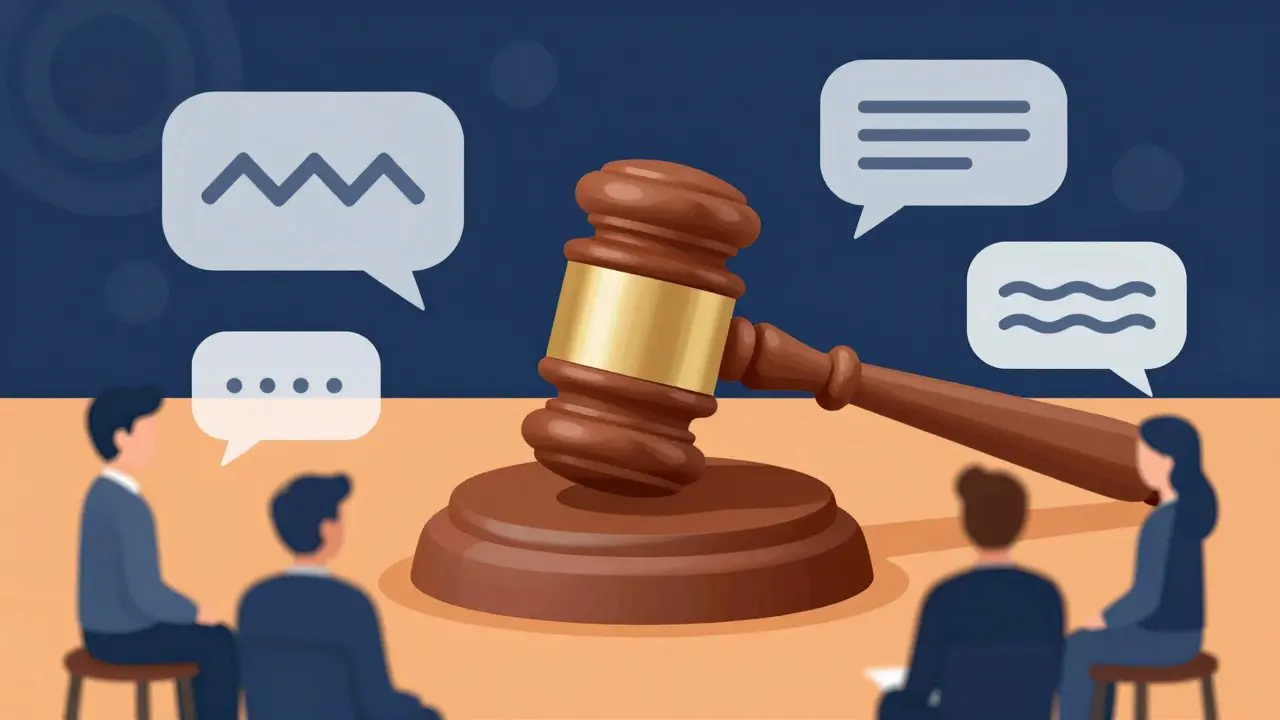
You might wonder who holds the gavel in these disputes. The answer involves two distinct groups: administrators and the broader community.
Administrators, often called admins, are volunteer editors granted special tools. They can delete pages, protect articles, and apply blocks. However, their power is checked by the community. If an admin applies a controversial block, other editors can discuss it on the "Requests for comment" page. If the community feels the admin acted unfairly, they can strip away the admin rights entirely through a process called desysopping. This keeps the power dynamic balanced.
For bans, the decision rests with the entire editor base. Discussions happen on dedicated pages where anyone can argue for or against a ban. There is no formal vote count like in a corporation. Instead, a "consensus" forms. If most active participants agree that a user is toxic or disruptive, the ban stands. This decentralized approach prevents any single person from having absolute authority, but it also means the process can be slow and emotionally charged.
Common Reasons for Restrictions
Why would Wikipedia lock you out? It rarely comes down to simple typos or minor disagreements. Most restrictions stem from behavioral issues rather than content errors. Here are the most frequent triggers:
- Personal Attacks: Arguing with another editor on their talk page using insults or ad hominem remarks. Wikipedia encourages civil discourse, so attacking the person instead of the argument is a quick way to get blocked.
- Disruptive Editing: Repeatedly reverting others' changes without leaving a note, or changing the same sentence back and forth multiple times in a short period. This is known as "edit warring."
- Lack of Consensus: Ignoring feedback from other editors and pushing a personal agenda into articles. If five people tell you to cite a source and you ignore them, you're disrupting the collaborative process.
- Vandalism: Adding obvious nonsense, fake facts, or offensive content. While obvious vandalism is often reverted instantly, repeated vandalism leads to longer blocks.
Notice that none of these reasons are about being "wrong" in a factual sense. You can be factually incorrect and still be welcomed if you listen to feedback. The problem arises when you refuse to collaborate.
The Process: From Warning to Exile
Wikipedia rarely jumps straight to a long-term block. There is a standard escalation path designed to give users a chance to fix their behavior.
- Talk Page Message: Another editor leaves a polite note explaining the issue. This is the first line of defense.
- Warning Tag: If the behavior continues, a warning template is placed on your user page or talk page. It specifies what needs to change and the potential consequences.
- Short Block: An admin applies a temporary block, often for 24 hours or one week. This forces a pause in activity.
- Discussion for Ban: If the user returns after the block and repeats the behavior, the community opens a formal discussion about whether to ban them permanently.
This step-by-step approach ensures that only truly persistent problems result in permanent exclusion. It protects good-faith editors who make mistakes while targeting those who actively undermine the project's goals.
How to Appeal a Decision
If you believe your block was unfair, you aren't stuck. Wikipedia has built-in appeal processes. For most blocks, you can request a review on the "Requests for comment" page. Other editors will look at the history of your edits and the discussions that led to the block. If they agree you were treated unfairly, they may shorten the block duration or remove it entirely.
Appealing a ban is harder. Since a ban is a community consensus, overturning it requires convincing the same group of editors that you have changed your ways. Usually, this involves staying away from the project for a significant period (often six months or more) and then returning to demonstrate mature, collaborative behavior. Jumping back in immediately after a ban is lifted is a common mistake that leads to re-banning.
| Feature | Block | Ban |
|---|---|---|
| Duration | Temporary (hours to months) | Permanent (until lifted by consensus) |
| Decided By | Administrator | Community Consensus |
| Typical Cause | Single incident or short-term disruption | Persistent, repeated rule-breaking |
| Appeal Process | Request for Comment | Community Discussion |
| Frequency | Very Common | Rare |
Navigating the Social Contract
Understanding these systems is less about memorizing rules and more about grasping the culture. Wikipedia runs on trust and cooperation. When you join, you are entering a shared workspace where individual ego takes a back seat to collective accuracy. The block and ban systems are safety nets, not punishments. They exist to keep the conversation productive.
If you ever find yourself on the receiving end of a restriction, take a breath. Read the messages left on your talk page. Look at the evidence cited against you. Often, the solution is simpler than you think: apologize, explain your perspective calmly, and agree to a compromise. The community is generally willing to forgive genuine mistakes, especially when met with humility. But if you fight every small correction, you signal that you value winning over contributing. That is the real trigger for long-term restrictions.
So, next time you see a "blocked" notice, don't panic. Check the reason, wait out the timer, and come back ready to collaborate. That is how you stay in good standing with one of the world's largest knowledge projects.
Can I edit Wikipedia while blocked?
Usually, no. A standard block prevents you from editing any articles or creating new pages. However, some blocks are "semi-blocks," which only stop you from editing certain protected pages, allowing you to continue working on other parts of the site. Always check the specific type of block mentioned in your notification.
Does a ban affect my other Wikimedia projects?
Not automatically. A ban on English Wikipedia does not immediately ban you from Spanish Wikipedia or Wikidata. However, if the behavior is severe, admins can request a global ban through the Steward team, which locks you out of all Wikimedia projects. This is reserved for extreme cases like harassment or account abuse.
How long does a typical block last?
It varies widely. First-time offenders for minor issues might receive a 1-hour or 1-day block. Repeat offenders or those involved in edit wars often face 1-week or 1-month blocks. Indefinite blocks are possible but rare for first-time offenses and usually indicate a serious breach of trust.
What is an IP block?
An IP block targets a specific internet address rather than a registered username. This is commonly used against anonymous vandals. If you are on a home connection, an IP block affects everyone using that same IP address, including family members. This is why registered accounts are preferred; they allow for clearer identification and fairer treatment.
Can an admin be removed for applying a bad block?
Yes. If the community believes an admin abused their power or ignored clear policy, they can initiate a review process. If the consensus is that the admin should lose their tools, they are "desysopped" and revert to normal editor status. This mechanism ensures accountability among those with elevated privileges.