Ever stared at a Wikipedia talk page that looks more like a courtroom drama than an encyclopedia discussion? You are not alone. Wikipedia is a free online encyclopedia where editors collaborate to create neutral articles using established policies and community consensus. While the goal is simple-neutral, verifiable information-the path there is often paved with heated debates over word choice, sourcing, and bias. Understanding how these fights actually get resolved is key for anyone who wants to edit effectively without getting stuck in a loop of reverts and warnings.
Most people think Wikipedia editing is just typing facts into a box. In reality, it is a complex social negotiation. The platform relies on Consensus, which is the process by which editors reach agreement through discussion rather than formal voting. When consensus breaks down, specific patterns emerge. These patterns are not random; they follow predictable paths based on the severity of the dispute and the tools available to the community.
The Anatomy of a Common Dispute
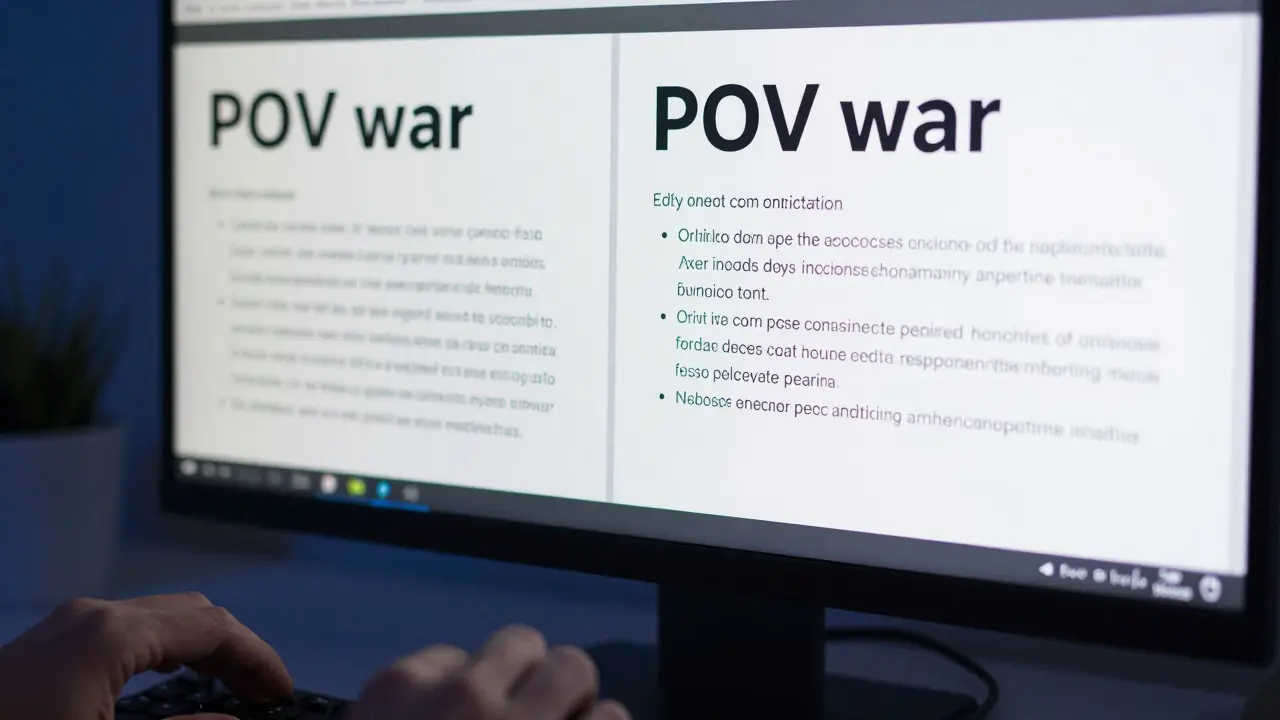
Before we look at resolution, we need to understand what triggers a fight. Most conflicts fall into three buckets: content accuracy, tone neutrality, and structural organization. A classic example is the "POV war," where two editors keep changing the same sentence back and forth because they disagree on how to phrase a controversial topic.
- Sourcing Wars: One editor cites a mainstream news source; another cites a niche academic paper or primary document. They argue about which source is more authoritative.
- Tone Battles: An article describes a politician as "controversial" versus "effective." Both might be true, but the nuance is where the fight happens.
- Notability Fights: Is this person famous enough to have their own page, or should they be merged into a broader article?
These issues rarely start with malice. Usually, one editor sees a gap in neutrality, and another sees a risk of bias. The friction comes from different interpretations of the same rules. This is why the first step in resolution is almost always a return to the basics: Neutral Point of View (NPOV), the policy requiring articles to represent all significant viewpoints fairly, with due weight given to each.
Step One: Talk Page Negotiation
The first line of defense is the Talk Page, the discussion space associated with every article where editors propose changes and resolve disagreements. If you change something someone else changed, you leave a note. If they revert it, you explain why your version is better according to policy. This back-and-forth is normal.
Effective talk page communication follows a few unwritten rules. First, assume good faith. Second, cite specific policy sections, not just personal opinion. Third, offer a compromise. For instance, if you can't agree on one adjective, maybe you can agree on removing the adjective entirely. Many disputes die here because both parties realize the energy spent arguing is higher than the value of the win.
| Dispute Type | Typical Trigger | First-Step Resolution |
|---|---|---|
| Sourcing Conflict | Disagreement on authority of sources | Cite WP:RS (Reliable Sources) guidelines |
| Tone/Bias Fight | Perceived slant in language | Apply NPOV principles; suggest neutral phrasing |
| Structural Issue | Section placement or length | Propose merge or split via talk page |
Escalation: Mediation and Requests for Comment
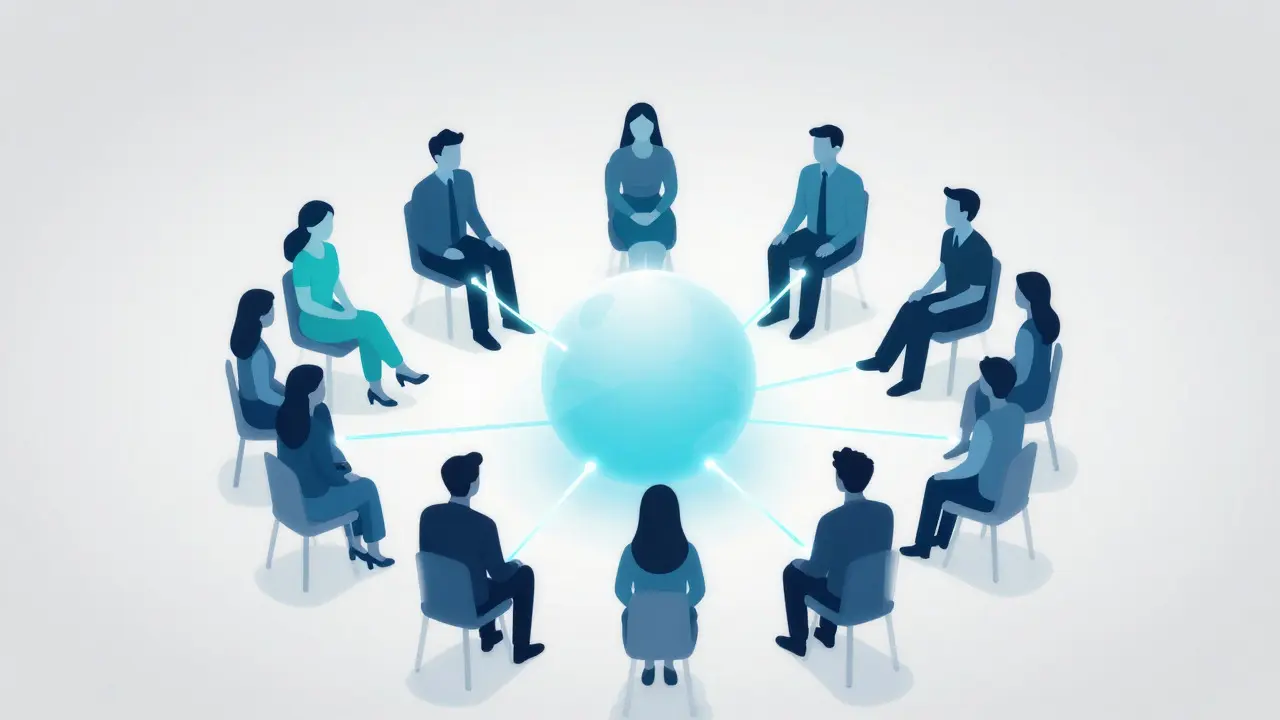
When talk page discussions stall, editors escalate. The next common pattern is posting a request for comment (RFC). This invites other editors to weigh in. It’s not a vote, but it provides social pressure and fresh perspectives. Often, a third party will point out that neither side is following policy correctly, breaking the deadlock.
If the fight continues, the dispute moves to the Mediation Cabal, a group of experienced volunteers who help resolve persistent interpersonal or content disputes between editors. Mediators don’t impose solutions; they facilitate dialogue. They ask questions like, "What outcome would satisfy both parties?" This human element is crucial. Wikipedia is a volunteer project, and burnout is real. Mediation helps preserve the collaborative spirit.
The Nuclear Option: Arbitration
For the most severe cases-often involving personal attacks or repeated rule-breaking-the dispute goes to the Arbitration Committee, the highest authority on Wikipedia that makes binding decisions on serious disputes and user conduct. This is rare. Only a small percentage of disputes ever reach this level. Arbitrators can ban users, protect pages, or impose strict editing conditions. Because it is so final, editors usually try hard to avoid it.
Research shows that arbitration outcomes are less about who is "right" on the facts and more about who followed the process correctly. If you ignored talk page norms or failed to cite sources, you lose-even if your content was factually accurate. This highlights a key insight: procedural compliance is as important as content quality on Wikipedia.
Patterns in Successful Resolution
So, what does success look like? Data from past dispute logs reveals a few consistent patterns.
- Early Policy Citation: Disputes resolved quickly usually involve early, clear references to specific policies. Vague arguments lead to long deadlocks.
- Third-Party Intervention: Introducing a neutral voice within 48 hours significantly increases the chance of a friendly settlement.
- Compromise Over Victory: Editors who accept "good enough" solutions instead of perfect ones prevent escalation. Perfectionism is the enemy of progress.
- Documentation: Keeping a clear log of changes and discussions helps mediators see the full picture, leading to faster resolutions.
These patterns suggest that conflict resolution on Wikipedia is less about legalistic argumentation and more about social engineering. The platform works because thousands of strangers agree to play by a shared set of rules, even when they disagree on the details.
Practical Tips for Editors
If you find yourself in a dispute, here is how to navigate it. Stay calm. Read the diff (the difference between versions) carefully before reacting. Ask yourself: "Is my change truly better according to NPOV, or am I just defending my ego?" If the answer is the latter, concede gracefully.
Use templates like {{disputed}} or {{tone}} sparingly. They signal trouble, but too many signals can make an article look chaotic. Instead, focus on constructive suggestions. Write, "I think this section could be clearer if we added this source," rather than, "This section is biased." Positive framing invites collaboration; negative framing invites defensiveness.
Remember, the goal is not to win. The goal is to improve the article. If you keep that in mind, most conflicts dissolve naturally. The community rewards those who prioritize the encyclopedia over their individual perspective.
What is the fastest way to resolve a minor Wikipedia dispute?
The fastest method is direct communication on the talk page. Clearly state your position, cite relevant policy, and propose a compromise. Avoid reverting immediately after a change; instead, discuss first. Most minor issues are resolved within a few days through polite dialogue.
Do Wikipedia votes decide disputes?
Generally, no. Wikipedia prefers consensus over voting. Votes are used only in specific processes like Article Deletion Discussions or Admin Elections. For content disputes, the weight of argument and policy adherence matters more than the number of supporters.
What happens if a dispute reaches the Arbitration Committee?
The Arbitration Committee reviews the case and issues a binding ruling. This can include bans, page protections, or specific behavioral requirements. It is the final step in the dispute resolution hierarchy and is reserved for serious or persistent conflicts.
How important is citing policy during a dispute?
Very important. Citing specific policies like NPOV or Reliable Sources grounds the argument in objective standards rather than subjective opinion. It helps mediators and other editors evaluate the dispute fairly and speeds up the resolution process.
Can new editors participate in dispute resolution?
Yes, any registered editor can participate in talk page discussions and RFCs. However, mediation and arbitration roles require experience and trust within the community. New editors should observe existing disputes to learn the norms before stepping in.