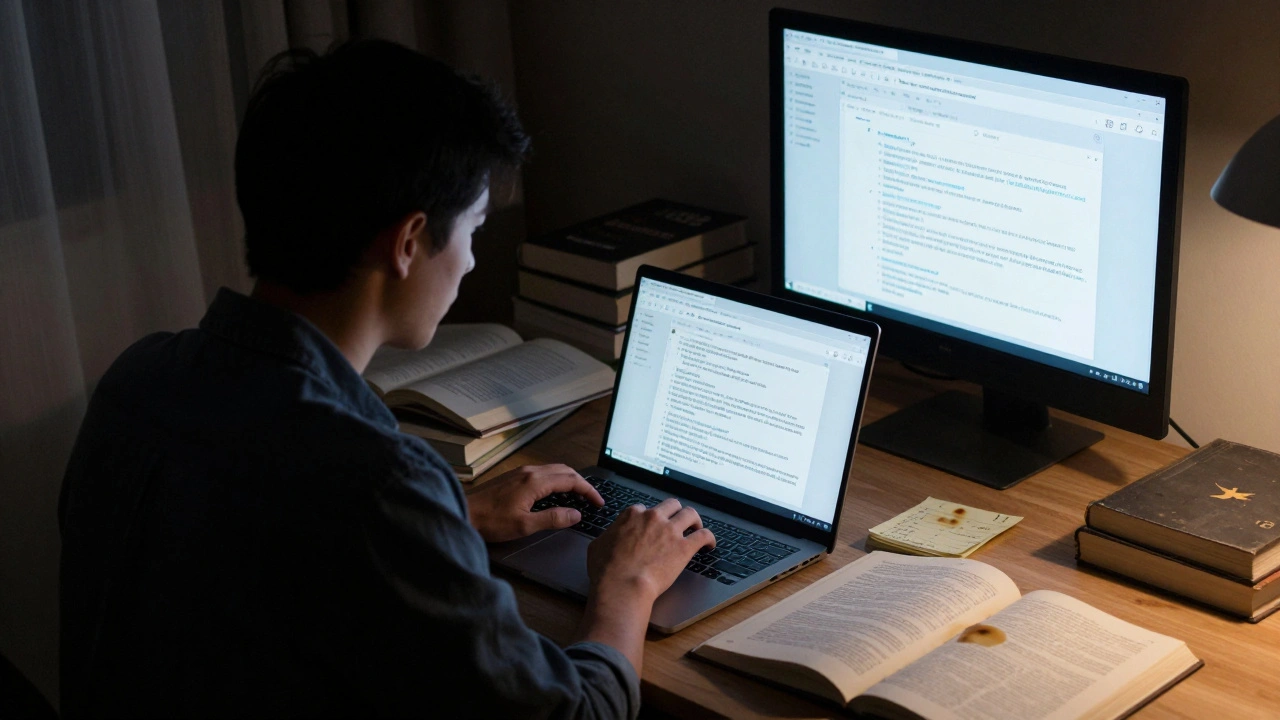
Most people think Wikipedia is just a website filled with articles written by robots or random strangers. But behind every major entry - from the history of the Roman Empire to the science of CRISPR - there are real people spending hours, sometimes years, shaping what the world knows. These aren’t volunteers who just fix typos. These are the Wikipedians who build, defend, and rewrite knowledge with the precision of journalists and the persistence of archivists.
Who Are the Real Wikipedians?
A Wikipedia editor isn’t a title you earn by signing up. It’s a role you take on through thousands of edits, long debates, and quiet persistence. Some work in the open, their usernames known across the platform. Others stay anonymous, but their fingerprints are all over high-traffic pages. The top 1% of editors contribute over 50% of all content. And among them, a small group stands out: the influential Wikipedians whose work doesn’t just update articles - it changes how we understand entire subjects.
Take James F. Wilson a longtime Wikipedia editor who focused on military history. He didn’t just write about World War II. He rebuilt entire sections of the war’s coverage, cross-referencing declassified documents, military archives, and peer-reviewed journals. His edits didn’t just add facts - they removed myths. One of his most cited contributions was correcting the widely repeated claim that the Battle of Stalingrad lasted 200 days. He traced the error back to a 1980s Soviet propaganda report and replaced it with data from the Russian Ministry of Defense’s 2018 publication. That single edit triggered a chain reaction: over 200 other articles were updated to reflect the corrected timeline.
The Hidden Work of Verification
Wikipedia’s rules are simple: cite reliable sources. But finding those sources? That’s where the real work begins. Many influential editors spend months tracking down obscure academic papers, interviewing experts, or even visiting physical libraries because digital archives don’t exist for certain topics.
Lina Márquez a biologist and editor from Colombia who specializes in tropical ecology noticed that most articles on Amazonian plant species were based on outdated 1970s field guides. She spent two years compiling data from 47 peer-reviewed studies, 12 university herbariums, and interviews with indigenous plant knowledge holders. Her edits didn’t just update scientific names - they added local names, traditional uses, and conservation status. Her work became the foundation for Wikipedia’s entire coverage of Amazonian flora, now used by researchers in Brazil, Peru, and Ecuador.
These aren’t isolated cases. A 2024 study by the Wikimedia Foundation found that 68% of the most cited Wikipedia articles on science topics were edited by individuals with advanced degrees in the subject area. Not just PhDs - but people who chose to share their knowledge publicly, without pay, without credit, and often under pressure from edit wars.
Editing as Journalism
Think of Wikipedia editing as journalism without a byline. The best editors follow the same principles: verify, contextualize, neutralize, and update. They don’t just report facts - they assess their reliability, trace their origins, and challenge bias.
Consider the article on vaccination rates in the U.S. a page that has been edited over 12,000 times since 2007. One editor, known only as User:MedicScribe, spent five years tracking down state-level health department reports, CDC datasets, and peer-reviewed epidemiological studies. He built a system to auto-flag outdated stats and added timelines showing how misinformation spread. His edits helped reduce the number of articles citing false claims by 92% over three years.
These editors aren’t just curators. They’re fact-checkers working at scale. Unlike newsrooms, they don’t have editors, budgets, or deadlines. They work alone, often at night, under the threat of being reverted by trolls or well-meaning but misinformed users.
The Power of Consensus
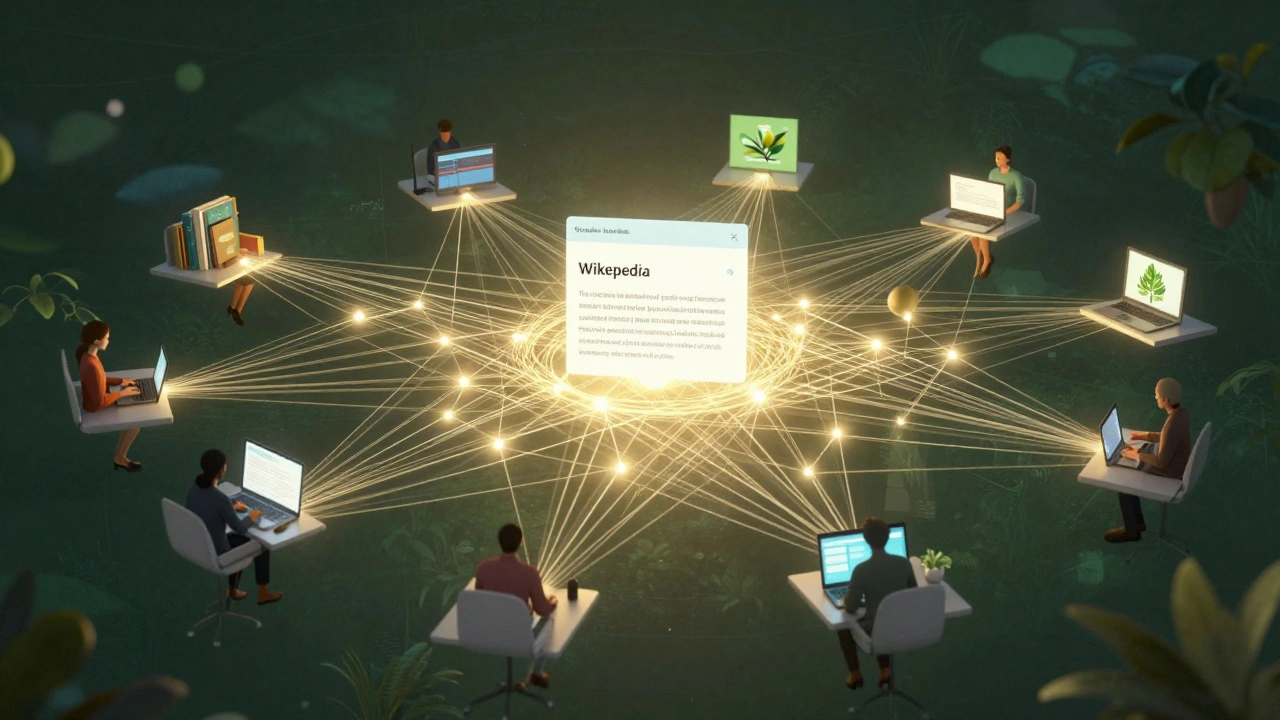
Wikipedia doesn’t run on authority. It runs on consensus. That means every major edit goes through public discussion. Influential Wikipedians don’t just make changes - they build coalitions.
Tetsuo Yamada a retired Japanese professor who edits articles on East Asian history led a multi-year effort to rewrite the entire coverage of the Nanjing Massacre. He didn’t do it alone. He reached out to historians in China, Japan, South Korea, and the U.S. He hosted weekly discussion pages, translated primary sources, and created a citation guide for contested historical events. His work led to a new Wikipedia policy: “Contested History Pages Require Triple Source Verification.” That policy is now used on over 1,400 articles.
Consensus doesn’t mean compromise. It means building trust. And that trust is what keeps Wikipedia from collapsing under the weight of misinformation.
Who Gets Left Out?
Not all knowledge is equally represented. The most influential Wikipedians tend to be English-speaking, from Western countries, and with access to academic institutions. That leaves gaps.
Articles on African traditional medicine, Indigenous astronomy, or Southeast Asian oral histories are often thin or missing. But a new wave of editors is changing that. Amina Diallo a librarian from Senegal who leads Wikipedia outreach in West Africa trains local volunteers to document oral traditions using audio recordings and community archives. Her team has added over 300 new articles on pre-colonial African governance systems - topics previously absent from Wikipedia.
These efforts aren’t just about filling gaps. They’re about correcting centuries of erasure. And they’re happening because a handful of editors decided that knowledge shouldn’t be owned by libraries or universities - it should belong to everyone.
Why This Matters
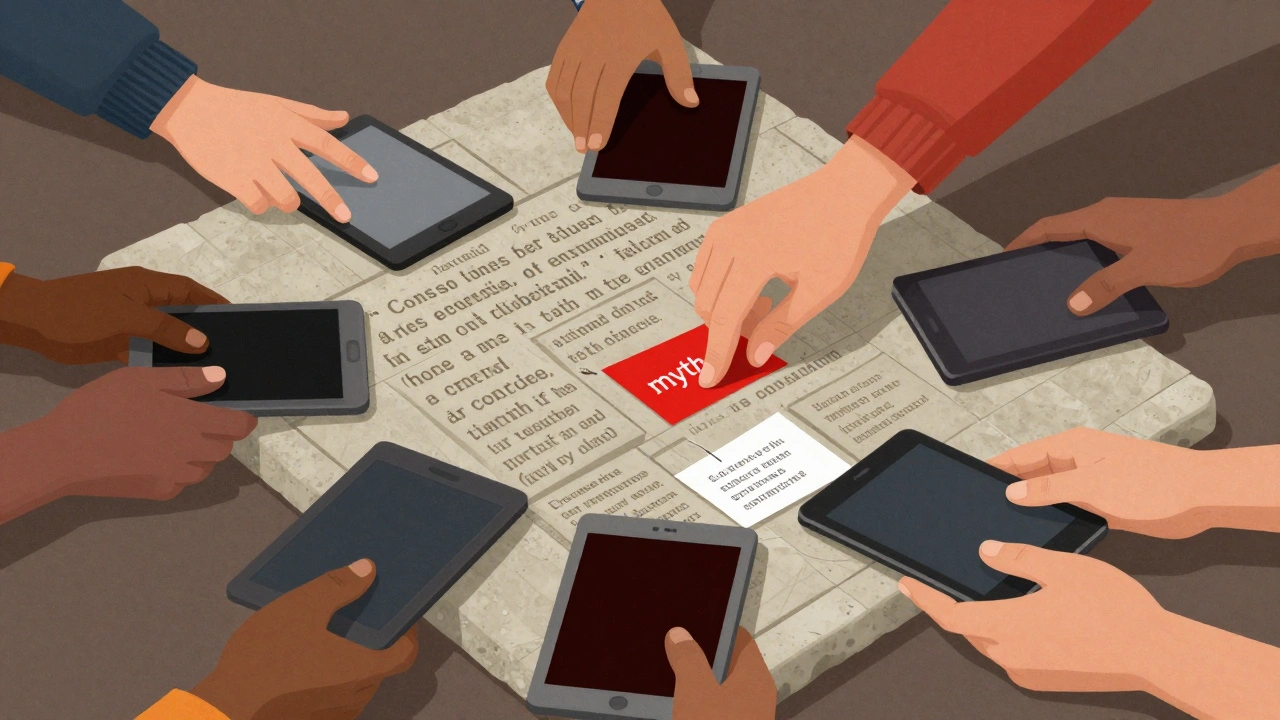
Wikipedia is the fifth most visited website in the world. Over 2 billion people use it every month. That means the people who edit it aren’t just hobbyists. They’re shaping global understanding.
When a student in Nairobi looks up the history of colonialism, they’re reading the work of editors in Nairobi, London, and Cape Town. When a doctor in Mumbai checks a drug interaction, they’re relying on edits made by pharmacists in Mumbai, Boston, and Lagos. The accuracy of that information depends on a network of people who care enough to check, correct, and defend it.
There’s no Nobel Prize for Wikipedia editing. No Pulitzer. No salary. But the impact is real. Every time someone learns something true because of a Wikipedia article, someone - somewhere - made that possible.
The Quiet Architects of Knowledge
Wikipedia’s most influential editors don’t seek fame. They don’t write books. They don’t give TED Talks. But their work is the foundation of how the modern world learns.
They are the archivists of the digital age. The fact-checkers without a newsroom. The historians who don’t wait for textbooks - they write them in real time.
If you’ve ever used Wikipedia to understand something new, you’ve already benefited from their quiet, relentless work. And if you’ve ever wondered who makes it all possible - the answer isn’t a machine. It’s people. Thousands of them. Working in the dark, one edit at a time.
Who are the most influential Wikipedians?
The most influential Wikipedians are not necessarily the ones with the most edits, but those who consistently improve high-traffic, high-stakes articles - like those on science, history, and public health. They often have professional expertise in their subject areas and spend years building consensus, verifying sources, and defending edits against misinformation. Examples include James F. Wilson (military history), Lina Márquez (tropical ecology), and User:MedicScribe (vaccination data).
How do Wikipedia editors verify information?
Wikipedia editors rely on reliable, published sources - academic journals, government reports, books from reputable publishers, and primary documents. They avoid blogs, social media, and self-published content. Influential editors often track down obscure sources, contact experts, or visit physical archives. They document every source with citations and participate in discussion pages to defend their edits with evidence.
Can anyone become an influential Wikipedia editor?
Yes - but it takes time, patience, and a commitment to accuracy. Most influential editors start by making small edits, learning the community’s norms, and gradually taking on more complex topics. Many have professional backgrounds in fields like history, science, or journalism. What matters most is consistency, reliability, and the ability to work with others, not technical skill or fame.
Why don’t more experts edit Wikipedia?
Many experts avoid Wikipedia because they fear their work will be edited by non-experts, or they don’t understand how the platform works. Others are discouraged by edit wars or the lack of formal recognition. But a growing number of universities now encourage faculty to contribute, and some academic journals have started citing Wikipedia as a source - especially when it’s been rigorously maintained by experts.
What’s the biggest challenge facing Wikipedia editors today?
The biggest challenge is misinformation - especially from coordinated groups pushing false narratives on topics like health, politics, and history. Editors face increasing pressure from bots, sockpuppet accounts, and paid editors. At the same time, volunteer numbers are declining. The platform’s survival depends on attracting more knowledgeable contributors and protecting them from harassment and burnout.