
What Actually Changed in the NPOV Guidelines?
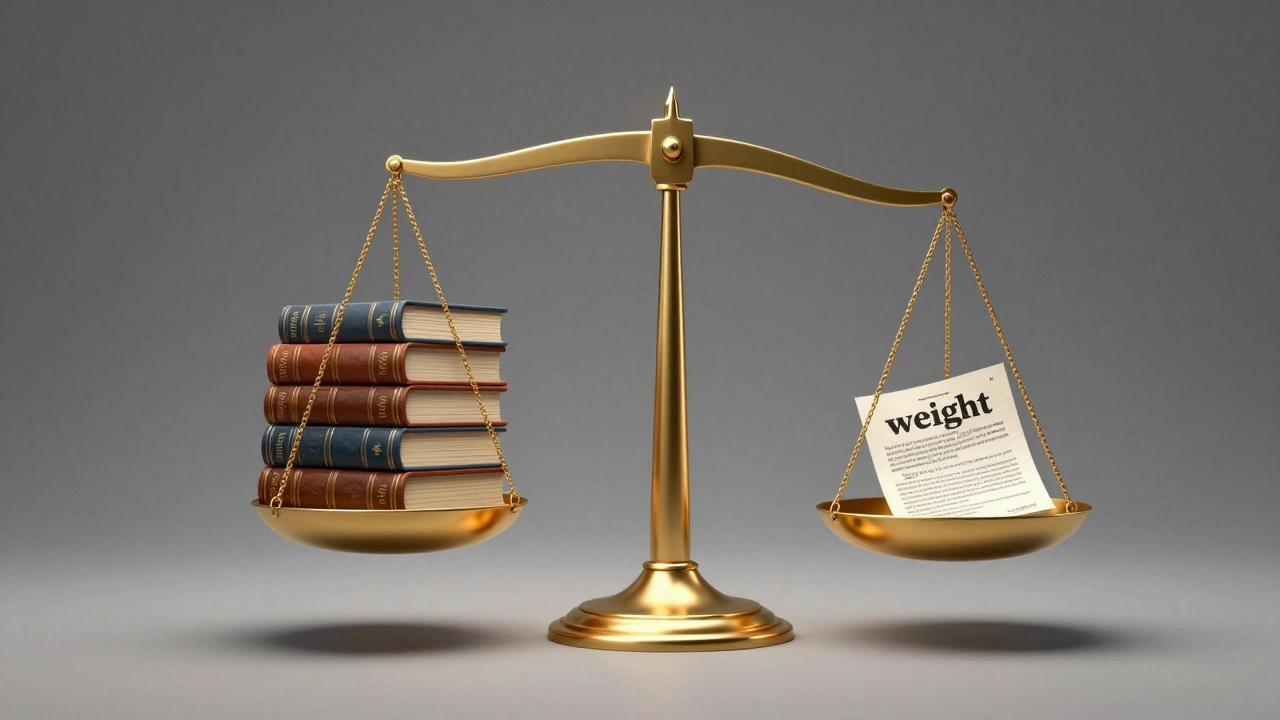
For years, people misunderstood NPOV as a requirement to give equal space to every single opinion. If 99% of scientists agree on a theory and 1% disagree, giving them equal space is actually a violation of neutrality. The updated clarifications emphasize weight. This means the amount of space given to a viewpoint should reflect its prominence in reliable sources.
The community now pushes for a "source-first" approach. Instead of an editor deciding what is neutral, they must prove that the phrasing mirrors the tone of the Reliable Sources being cited. If a reputable newspaper describes a policy as "controversial," the Wikipedia article should use that term, rather than an editor trying to soften it or make it sound more aggressive.
Another big shift is the crackdown on "weasel words." You'll see phrases like "some people say" or "critics argue" flagged more often. These are vague and hide who is actually making the claim. The new standard requires specific attribution. Instead of "some say," the text should read "The Economic Policy Institute argues..." This moves the burden of proof from the editor to the source.
Handling Contentious Topics Without Starting a War
When you're editing a page about a living person or a current conflict, the temptation is to write a "balanced" narrative. However, the latest policy clarifications warn against "false balance." If a source is clearly biased or lacks a track record of accuracy, it shouldn't be used to "balance out" a highly vetted piece of journalism.
To handle these disputes, Wikipedia has leaned harder into the Talk Pages. These are the behind-the-scenes forums where editors hash out the wording before changing the actual article. The goal is to reach a consensus on the Consensus-the collective agreement of editors-rather than letting the person with the fastest internet connection win the edit war.
Here is a quick breakdown of how to apply these updates in real-time:
| Scenario | Old Approach (Common Mistake) | Updated NPOV Approach |
|---|---|---|
| Scientific Consensus | Give equal space to the minority view to be "fair." | Assign weight based on source prevalence. |
| Attributing Opinions | Use "Many believe that..." (Weasel words). | "The [Specific Organization] states that..." |
| Controversial Figures | Try to write a biography that "feels" neutral. | Describe the controversy as reported by reliable sources. |
The Role of Verifiability in Neutrality
You can't have a neutral point of view if you don't have Verifiability. This is the rule that states that content must be attributable to a reliable source. A common mistake is thinking that "truth" is the goal. While that sounds odd, Wikipedia isn't a place for original research. It doesn't matter if something is true in the real world; if it isn't documented in a reliable source, it doesn't belong on the page.
This prevents editors from inserting their own knowledge or "common sense" into an article. For example, if you're writing about a local city's history, you can't just mention a well-known local legend because "everyone knows it." You need a book, a newspaper archive, or a government record to back it up. This creates a layer of protection against personal bias because the editor is essentially acting as a curator, not an author.
Avoiding the 'Bias' Trap in Writing
Writing neutrally is harder than it looks. Most people use "loaded language" without even realizing it. Words like "unfortunately," "surprisingly," or "claimed" (when used to imply someone is lying) are all red flags. The updated guidance suggests a "clinical" tone. If you can't imagine the sentence being written in a medical journal or a legal brief, it's probably too emotional for Wikipedia.
Consider these two ways of describing a political event:
- "The candidate gave a rambling speech that confused many voters." (Biased/Opinionated)
- "The candidate's speech lasted two hours and was described as disjointed by the New York Times." (Neutral/Attributed)
The second version is NPOV because it doesn't judge the speech; it reports that a reliable source judged the speech. This protects the editor from accusations of bias and provides the reader with the context needed to form their own opinion.
Dealing with Systemic Bias
One of the toughest parts of the NPOV policy is addressing Systemic Bias. This happens when the community of editors doesn't represent the diversity of the world. For instance, if most editors are from North America, articles about African history might have fewer details or a skewed perspective simply because there are fewer people contributing from those regions.
The 2026 clarifications acknowledge that neutrality isn't just about the words on the page, but about who is doing the writing. There is now a stronger push to actively recruit editors from diverse backgrounds and to prioritize the translation of sources from non-English languages. This ensures that a "neutral" view isn't just a "Western" view.

The Process of Dispute Resolution
Even with clear rules, people will still fight. When a consensus can't be reached on a Talk Page, the community uses several layers of escalation. First is the request for a third-party opinion from a neutral editor. If that fails, the issue might go to a community noticeboard.
In extreme cases, an article can be "protected," meaning only experienced editors or administrators can change it for a while. This is a cooling-off period. The goal isn't to silence anyone, but to prevent the page from becoming a battlefield where the actual information is lost in a sea of revert-wars.
Does NPOV mean every side gets the same amount of space?
No. The policy is about proportional weight. If one viewpoint is supported by the vast majority of reliable sources and another is a fringe theory, the majority view should take up significantly more space. Giving them equal room would be misleading and a violation of the NPOV policy.
What are 'weasel words' and why are they banned?
Weasel words are phrases like "some say," "it is widely believed," or "critics argue" that don't specify who is making the claim. They are discouraged because they allow editors to insert opinions without providing a verifiable source. The goal is to replace them with specific attributions, such as naming the specific critic or organization.
What is the difference between a 'neutral' and 'balanced' tone?
A balanced tone often tries to find a middle ground between two opposing views, which can create a "false balance." A neutral tone simply reports what reliable sources say about those views without trying to mediate between them or decide which one is "more correct."
Can I use my own expert knowledge to improve a page?
Generally, no. Wikipedia forbids "original research." Even if you are a world-renowned expert in a field, you cannot add information based on your personal experience. Every claim must be backed by a published, reliable source that other editors can verify independently.
What happens if I get into an edit war?
If you find yourself repeatedly undoing another editor's changes, you should stop immediately and move the conversation to the article's Talk Page. Engaging in an edit war can lead to your account being blocked. The correct path is to propose a wording change on the Talk Page and seek a consensus among other editors.
Next Steps for New Editors
If you're just starting out, don't jump straight into a political firestorm. Start with low-conflict pages-like geography or botany-to get a feel for the tone. Once you're comfortable, try auditing a more complex page. Look for weasel words or unsourced claims and suggest improvements on the Talk Page first. This builds your reputation as a constructive editor and helps you avoid the dreaded "block" button.