When we think of bias, we usually imagine a single person intentionally twisting the truth. But on Wikipedia is a free, multilingual online encyclopedia written and maintained by a community of volunteers. The bias here isn't usually malicious; it's structural. It happens because the people who have the time, the internet access, and the cultural drive to edit the site don't represent the whole world. If your editor base is skewed, your knowledge base will be too.
Quick Takeaways
- Systemic bias happens when the demographic makeup of editors doesn't match the global population.
- Gender and geographic gaps lead to "content voids" where certain groups are underrepresented.
- The "neutral point of view" policy is hard to maintain when the sources themselves are biased.
- Community-led initiatives like Art+Feminism are working to close these gaps.
Who Actually Writes Wikipedia?
To understand why some topics get more love than others, we have to look at who is clicking "edit." For years, the typical Wikipedia Editor has been overwhelmingly male, white, and from the Global North-specifically the US, UK, and Canada. While the platform is open to anyone, the actual barrier to entry is high. You need a certain level of digital literacy and, more importantly, a lot of free time.
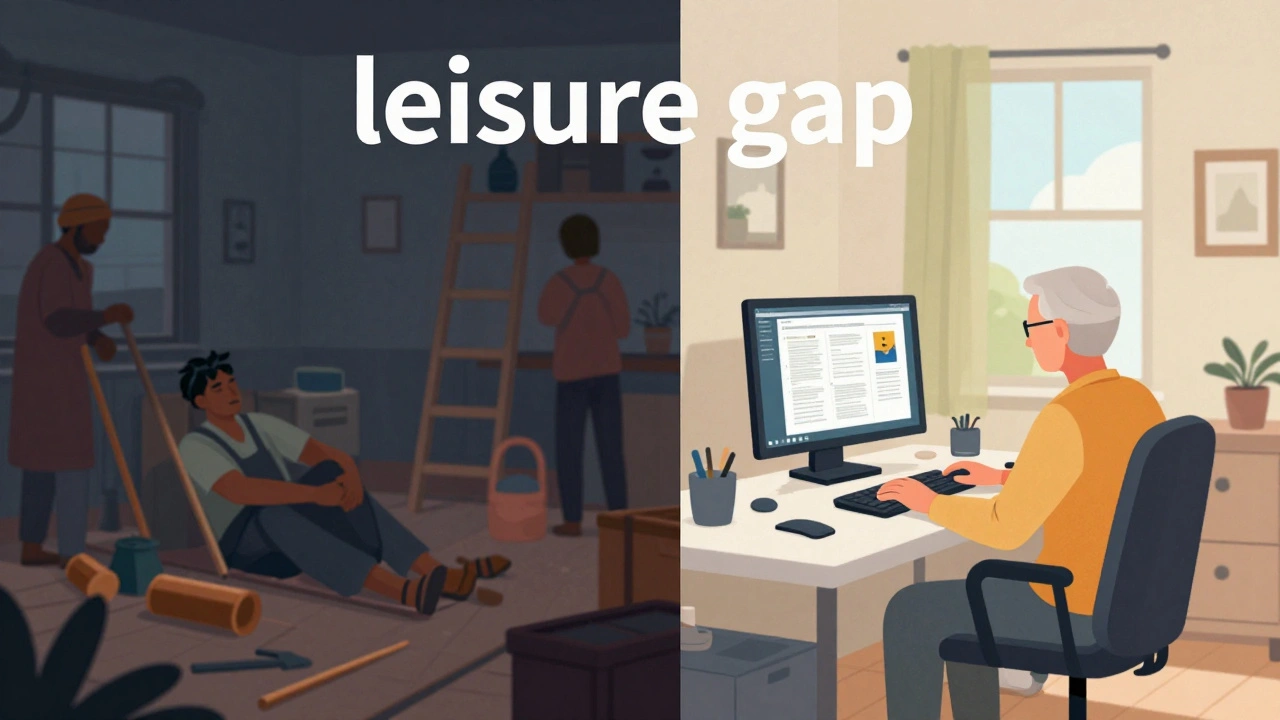
Think about the "leisure gap." A person working three part-time jobs in a developing nation doesn't have ten hours a week to argue about the specific phrasing of a comma in a biography of a dead politician. Meanwhile, a retired engineer in Ohio has the time and the tools to ensure every detail of a specific type of steam engine is perfectly documented. This creates a loop where the interests of the dominant editor group dictate what the rest of the world considers "notable."
The Gender Gap and the Erasure of Women
The disparity in gender is perhaps the most documented form of bias on the site. For a long time, women made up a tiny fraction of the active editing community. This led to a massive content gap. When the people deciding what is "important" are mostly men, they tend to write about things they find interesting or relevant. This is why you'll find a deep dive into the history of the World Series but barely a mention of the women who ran the early computing labs at NASA.
It's not just about the number of articles, but the quality of the content. Women's biographies often focus more on their personal lives or marriages than their professional achievements. If a male scientist is described by his breakthroughs, a female scientist is often described as a "mother of three" who also happened to win a Nobel Prize. This subtle framing reinforces the idea that women's primary roles are domestic, even when they are world-class experts in their field.
| Bias Driver | Impact on Content | Example Result |
|---|---|---|
| Gender Imbalance | Underrepresentation of women | Few biographies for female leaders compared to men. |
| Geographic Bias | Over-coverage of Global North | Detailed history of US cities; sparse data on African cities. |
| Language Bias | English-centric sourcing | Non-English sources are often ignored or mistranslated. |
| Socio-Economic Status | Focus on "Elite" knowledge | Academic achievements outweigh oral histories or folk traditions. |
The Problem with "Reliable Sources"
Wikipedia has a strict rule: everything must be verifiable through Reliable Sources. At first glance, this sounds like the perfect way to prevent fake news. But here is the catch: what counts as a "reliable source"? Usually, it's peer-reviewed journals, major newspapers like The New York Times, or established textbooks.
The problem is that these sources have their own systemic biases. If traditional historians ignored women or indigenous peoples for two centuries, there are no "reliable sources" for Wikipedia editors to cite. This creates a Catch-22. An editor might know a local hero from their community, but because that person isn't mentioned in a major English-language newspaper, the community notes say the subject isn't "notable." The result? The encyclopedia effectively erases people who weren't deemed important by the traditional power structures of the 20th century.
How the Community Fights Back
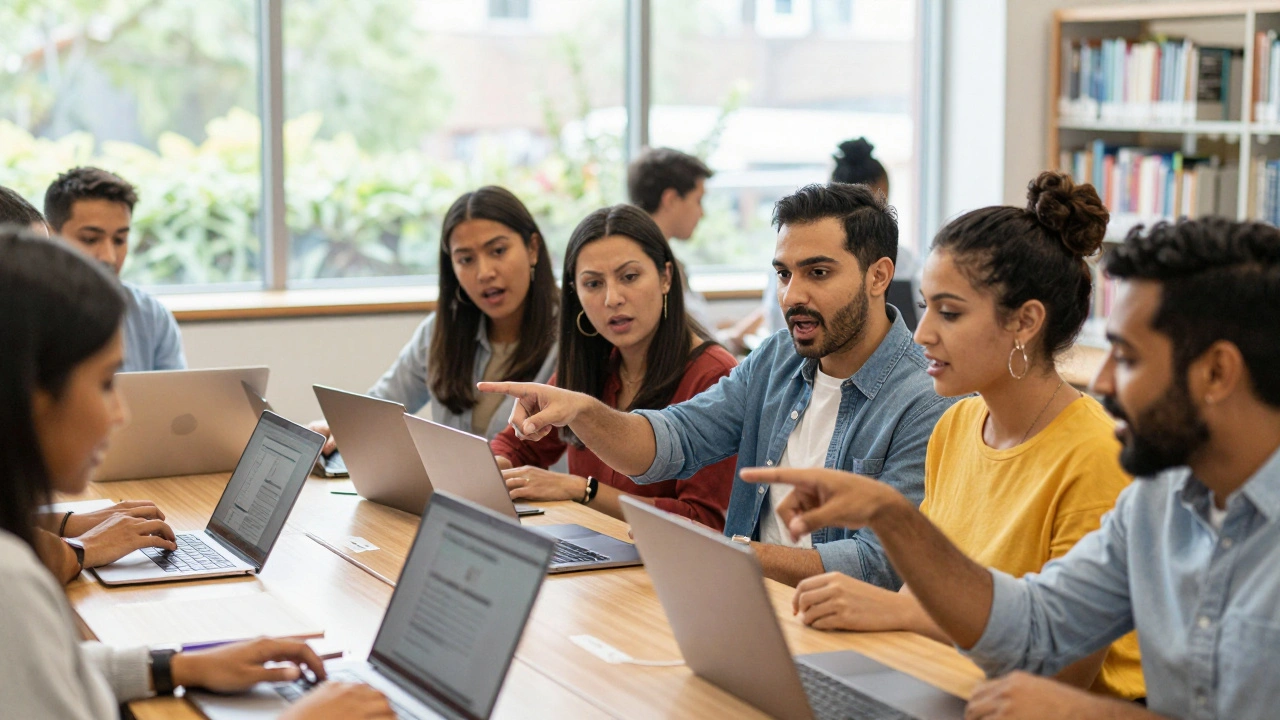
The Wikipedia community isn't blind to this. Over the last few years, there's been a push toward Digital Equity. Groups like Art+Feminism organize "edit-a-thons"-events where people gather to specifically create pages for underrepresented artists and scientists. By focusing the energy of a group on a specific gap, they can move the needle faster than individual editors ever could.
There's also a movement to diversify the editor base by reaching out to universities in the Global South and providing training in different languages. The goal is to move away from a "top-down" approach to knowledge and toward a more decentralized model where the people most connected to a culture are the ones documenting it. When a historian in Nairobi writes about Kenyan politics, the nuance and depth of the article increase exponentially compared to when an American enthusiast does it based on a few news clips.
The Ripple Effect on Global Perception
Why does this matter? Because for millions of people, Wikipedia is the first and only stop for information. If a student in India reads a biased summary of their own country's history written by someone in London, it shapes their understanding of their own identity. When the "global record" is skewed, it doesn't just leave out facts; it tells a story about who matters and who doesn't.
This is why the fight against systemic bias is really a fight for the democratization of knowledge. It's about moving from a world where knowledge is a curated collection of "important" things to a world where knowledge is a reflection of the entire human experience. If we want an encyclopedia that actually represents the world, we need the people of the world to be the ones writing it.
Does Wikipedia have a policy against bias?
Yes, Wikipedia has a "Neutral Point of View" (NPOV) policy. However, NPOV is designed to prevent individual editors from taking sides in an argument. It doesn't solve systemic bias, which is a structural problem caused by the lack of diversity among the people who choose which topics to write about in the first place.
What is the difference between individual bias and systemic bias?
Individual bias is when one person writes something unfair or slanted. Systemic bias is when a whole group of people-due to their shared background or lack of exposure-collectively overlook certain topics or prioritize others. It's the difference between one biased article and a thousand missing articles.
Can anyone really change Wikipedia to fix this?
Absolutely. Anyone can create an account and start editing. The best way to combat systemic bias is to find a topic you are an expert in-especially if it's underrepresented-and create a well-cited page for it. Participating in edit-a-thons is another great way to get started with support from other editors.
Why are some articles deleted even if they are true?
Articles are often deleted because they fail the "notability" requirement. To be notable, a subject must have significant coverage in reliable, independent sources. If the sources don't exist because of historical bias in publishing, the article may be deleted even if the information is accurate.
How does language affect bias on the platform?
English is the most dominant language on Wikipedia, meaning the English version often becomes the "default" source of truth. This leads to a Western-centric perspective. While other language Wikipedias exist, they often have fewer editors and fewer resources, further widening the gap in how different cultures are represented.
Next Steps for New Editors
If you're feeling inspired to help balance the scales, don't just jump in and start changing words-that's a quick way to get your edits reverted. Instead, try these steps:
- Find a Gap: Look for people or events from your own culture or background that are missing or barely mentioned.
- Gather Sources: Find books, academic papers, or reputable news articles that prove the subject's notability.
- Start Small: Expand an existing "stub" article before trying to write a massive new page from scratch.
- Join a Community: Find a Wikipedia User Group or an edit-a-thon to get mentorship and avoid common pitfalls.