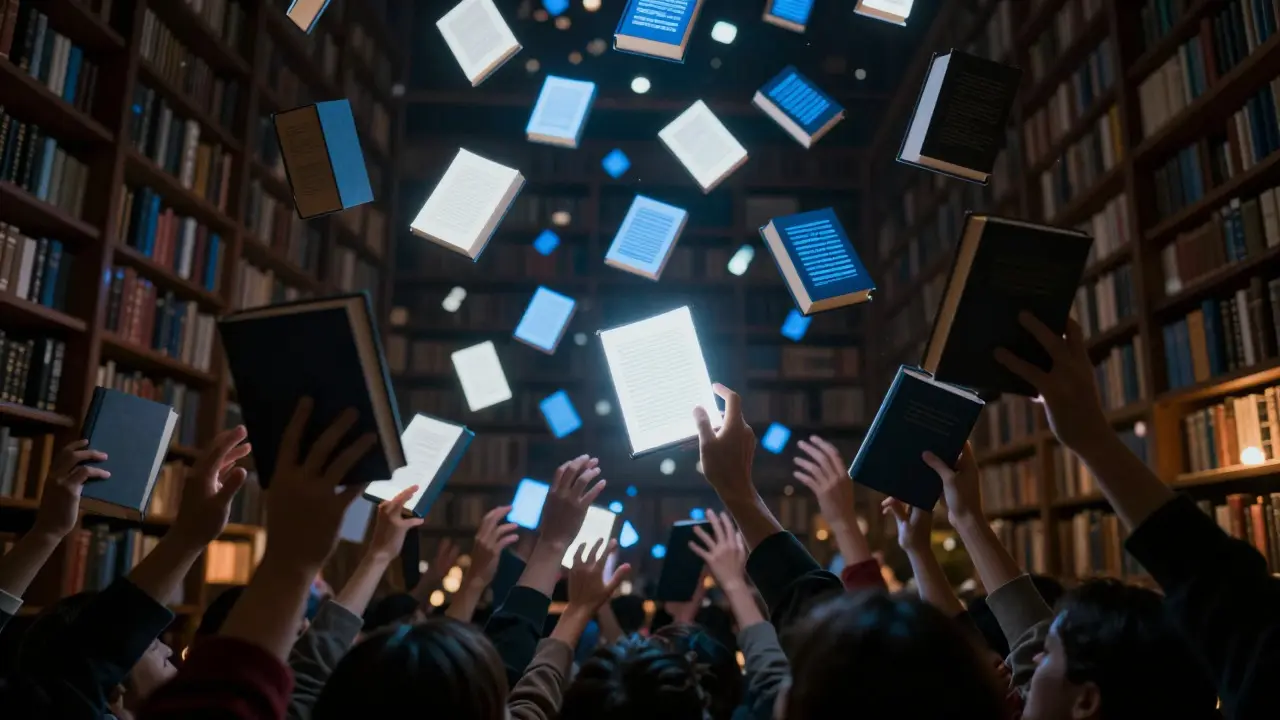
Ever noticed that the history of your neighborhood, your industry, or your culture is missing from the internet's biggest encyclopedia? You aren't imagining it. Wikipedia is a free, web-based collaborative project that aims to compile and catalog knowledge from around the world in an encyclopedic form. While it hosts over 6 million articles in English alone, its editor base has historically skewed toward white, male, and Western perspectives. This demographic gap creates a significant editorial bias, leaving many stories underdocumented or entirely absent.
For years, the solution seemed simple: just write more. But for newcomers, the barrier to entry is high. Complex editing rules, fear of vandalism, and a lack of mentorship often discourage potential contributors. That’s where Wikipedia Outreach Programs come in. These are structured initiatives designed to lower barriers, provide training, and invite specific communities to share their expertise. If you want to see the world reflected accurately in digital archives, understanding these programs is your first step.
Why Demographics Matter in Open Knowledge
The content on Wikipedia isn't just text; it's a reflection of who holds the pen. When a single group dominates the editing process, certain topics get prioritized while others fade into obscurity. For example, sports teams from the Global South often receive less detailed coverage than those from Europe or North America. Similarly, women's contributions to science and arts are frequently cited with fewer sources than their male counterparts.
This isn't just a social issue; it's a data integrity problem. Search engines rely heavily on Wikipedia for initial answers. If the source material is biased, the entire information ecosystem inherits that bias. By diversifying the editor base, we don't just add new voices; we correct existing gaps. This is why organizations like the Wikimedia Foundation actively fund and support diversity initiatives. They recognize that a truly global encyclopedia requires a globally diverse workforce of editors.

Key Outreach Initiatives You Can Join
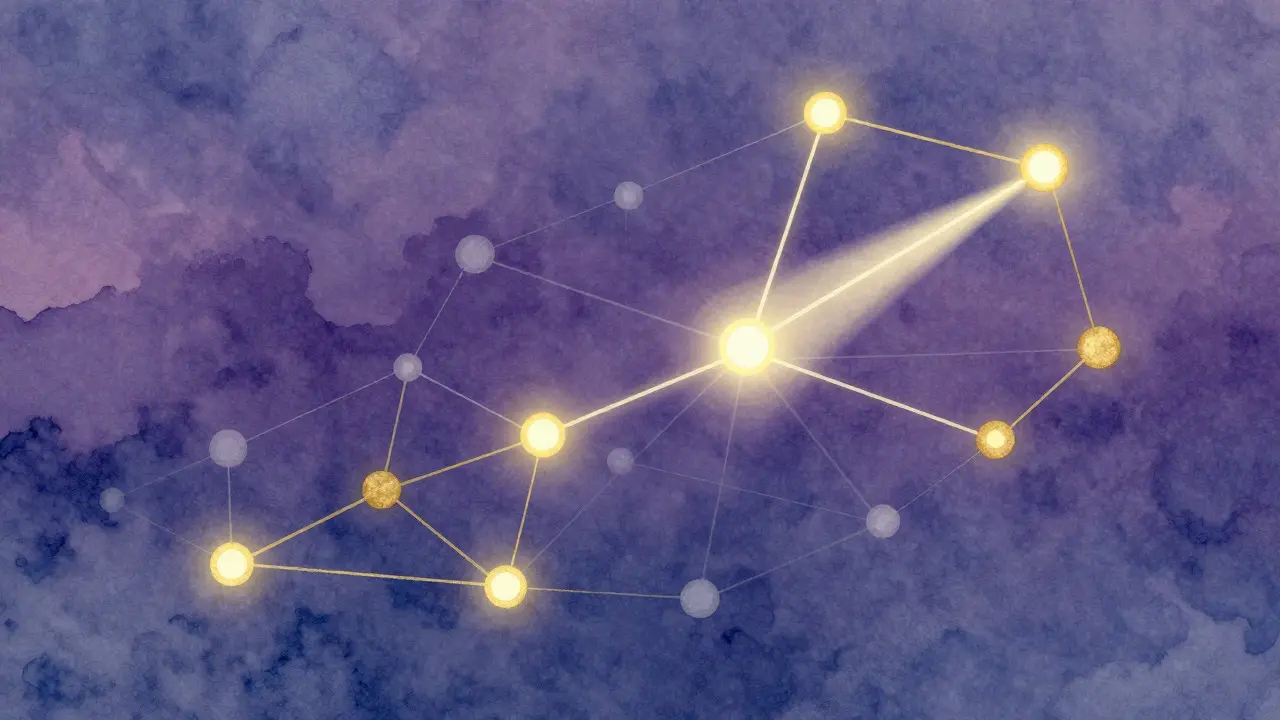
There isn't one single "diversity program" at Wikipedia. Instead, there is a network of specialized projects, each targeting different gaps. Here are the most effective ones for getting started:
- WikiProject Women in Red: Focused on creating biographies of notable women who currently have no article (indicated by red links). This project provides templates, sourcing tips, and a supportive community for editors working on female subjects.
- WikiProject LGBTQ+: Dedicated to improving the accuracy and inclusivity of articles related to LGBTQ+ people, places, and events. It helps ensure that terminology is current and respectful.
- WikiProject Indigenous Peoples: Works to improve coverage of indigenous cultures, languages, and histories. It often collaborates with local museums and universities to find reliable sources.
- GLAM Partnerships: GLAM stands for Galleries, Libraries, Archives, and Museums. These institutions partner with Wikipedia to digitize collections and train staff to upload images and edit articles. If you work in a museum or library, this is a powerful way to contribute institutional knowledge.
- Edit-a-thons: These are temporary, focused editing sessions, often held online or in person. They might focus on a specific theme, such as "Black History Month" or "International Women's Day," allowing beginners to edit alongside experienced mentors.
Overcoming the Barrier to Entry
Many potential editors hesitate because they fear making mistakes. The truth is, Wikipedia is built on revision control. Every change can be tracked, discussed, and reverted if necessary. This safety net is crucial for newcomers. However, the learning curve remains steep for those unfamiliar with MediaWiki syntax.
Outreach programs address this by providing "sandbox