Every major election around the world-whether it’s a presidential vote in Brazil, a parliamentary poll in India, or a local referendum in Switzerland-ends up on Wikipedia. But what you see on that page isn’t magic. It’s the work of thousands of volunteer editors trying to keep facts straight, sources reliable, and bias out of the mix. If you’ve ever wondered how Wikipedia stays accurate during election season, or how you can help, this guide breaks it down-no jargon, no fluff.
Why Wikipedia Matters During Elections
When a vote happens, people turn to Wikipedia first. Google often pulls election results, candidate bios, and timeline summaries straight from Wikipedia. In 2024, pages about the U.S. presidential election alone got over 200 million views in the month leading up to November. That’s not just traffic-it’s influence. If Wikipedia gets something wrong, millions see it before they check a news outlet.
Unlike news sites, Wikipedia doesn’t chase clicks. It doesn’t publish speculation. It waits for confirmed results. That’s why election pages become battlegrounds-not for opinions, but for verification. Editors are the gatekeepers. They don’t decide who won. They just make sure the record matches what official sources say.
How Wikipedia Handles Election Results
Wikipedia doesn’t report live results. It waits for official confirmation. That means no guessing, no projections, no media headlines unless they’re backed by government bodies like election commissions, national statistics offices, or certified court rulings.
For example, when Mexico’s 2024 presidential election results were finalized, Wikipedia editors didn’t update the page until the National Electoral Institute (INE) published the official tally. Even then, they cross-checked with the Federal Electoral Tribunal’s published documents. Only after both sources matched did the result get added.
That’s the rule: official sources only. Media outlets like Reuters or AP are secondary-they help fill context, but they can’t be the primary source for vote counts or winner declarations.
What Editors Must Avoid
Even well-meaning editors make mistakes. Here’s what you must never do:
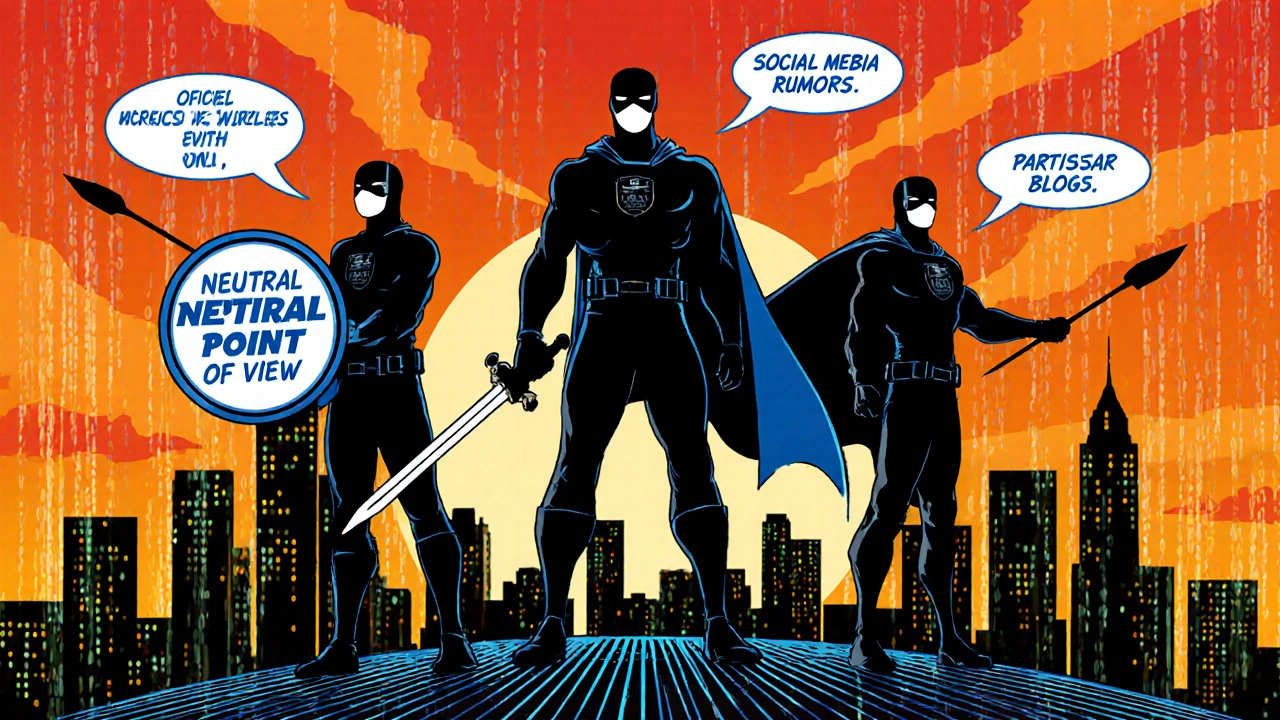
- Don’t use social media posts as sources. A tweet from a candidate’s account isn’t official.
- Don’t rely on blogs, opinion pieces, or partisan websites-even if they’re popular.
- Don’t edit based on personal belief. If you think a candidate was unfairly excluded, that’s not relevant unless an official body ruled it.
- Don’t rush to update. Wait for the official announcement, even if every news site is reporting it.
There’s a reason Wikipedia has a neutral point of view policy. It’s not about being boring. It’s about being trustworthy. If you add unverified claims-even if they seem true-you risk making the whole page unreliable.
How to Find Reliable Sources
Not every country has a clean, public election database. But there are still trusted places to look:
- Government election commissions (e.g., Election Commission of India, Bundeswahlleiter in Germany)
- Supreme or constitutional courts that validate results
- Official national statistics agencies (like Statistics Canada or INSEE in France)
- United Nations electoral assistance programs for countries with international oversight
- Reputable international observers like the OSCE or African Union election monitors-only if their reports are published officially
When in doubt, search for the official website of the country’s electoral body. Look for PDFs, press releases, or data downloads-not news summaries. Copy the exact wording and link to the original document. That’s what makes your edit credible.
Handling Disputes and Vandalism
Election pages attract bad actors. You’ll see edits that say a candidate won by 70% when the official result was 51%. Or someone deletes all results from a minor party because they “don’t matter.”
Here’s how to respond:
- Use the talk page to discuss changes before reverting. Say: “I reverted this because the source cited is a blog. Here’s the official result from [link].”
- If someone keeps reverting your edits, don’t argue. Flag it on the article’s protection request page.
- For persistent vandalism, request semi-protection. Most major election pages get locked during peak voting periods.
- Use the Recent Changes Patrol tool to spot suspicious edits quickly.
Wikipedia’s editing community is large, but not perfect. Your vigilance helps. Even one careful edit can stop a false claim from spreading.
Writing Clear, Neutral Descriptions
It’s not enough to just put in numbers. How you write matters too.
Bad: “The incumbent was widely expected to lose after a scandal-ridden campaign.”
Good: “The incumbent candidate received 38% of the vote, down from 47% in the previous election. Public opinion polls conducted by [institution] in October showed a decline in approval ratings following allegations of financial misconduct, which were under investigation by the Ethics Commission.”
Stick to facts. Use passive voice only when necessary. Avoid adjectives like “shocking,” “historic,” or “disappointing.” Let the numbers speak.
When describing parties or candidates, use their official names. Don’t say “far-right party.” Say “National Alliance Party (PAN),” and link to its official website if available.
Templates and Tools Editors Use
Wikipedia has built-in tools to help. You don’t need to be a coder to use them.
- Election infobox - Auto-fills candidate names, party, vote share, and results based on structured data.
- Template:Current election - Flags pages that are actively being updated during election season.
- WikiProject Elections - A group of editors who review and standardize election content. Join their talk page to ask questions.
- Wikidata - The backend database that powers election data across languages. Updating Wikidata ensures consistency in 300+ language versions of Wikipedia.
These tools aren’t optional. They’re what keep Wikipedia’s election pages consistent across countries and languages. If you’re editing a page, check if the infobox is filled correctly. If not, fix it.
What Happens After the Election?
The work doesn’t end when the votes are counted. After results are certified, editors update:
- Winners’ biographies with new titles and roles
- Parliamentary seat distributions
- Coalition agreements and government formations
- Legal challenges and recounts
- Turnout statistics and demographic breakdowns
Some pages stay active for months. In 2023, the page for Kenya’s presidential election was updated for over six weeks due to court challenges. Editors tracked every filing, hearing, and ruling-linking to court transcripts and official statements.
That’s the standard. Wikipedia doesn’t archive elections. It documents them.
How to Get Started
You don’t need to be a political scientist. You don’t need to know every country’s voting system. You just need to:
- Create a Wikipedia account (free, no personal info required)
- Read Wikipedia:Neutral point of view and Wikipedia:Verifiability
- Find an election page that needs work-look for the “This article needs additional citations” tag
- Find one official source and add it
- Save your edit and move on
That’s it. One clean edit. One verified source. That’s how Wikipedia stays accurate.
Can I edit Wikipedia during an active election?
Yes, but with strict rules. You can edit during elections, but you must use only official sources. Do not speculate, predict, or use media reports as primary evidence. Wait for government or court confirmation before updating results.
What if a country doesn’t have an official election website?
In cases where official sources are unavailable or inaccessible, use reports from internationally recognized election monitoring organizations like the OSCE, African Union, or UN Electoral Assistance Division-only if they publish official, public reports. Never use unverified NGO blogs or activist sites.
Why does Wikipedia remove election results from news sites?
News sites report projections, exit polls, and unofficial counts. Wikipedia only includes results after they are certified by official authorities. This prevents misinformation from spreading. A result from CNN or BBC is useful for context, but not for confirming who won.
How do I know if a source is reliable enough?
Ask: Is this a government body, court, or international organization with legal authority over the election? Does it publish data in a downloadable, permanent format (PDF, official website)? If yes, it’s reliable. If it’s a tweet, blog, or YouTube video, it’s not.
Can I edit Wikipedia in my native language?
Absolutely. Wikipedia has over 300 language editions. Editing in your native language helps ensure local voters get accurate information. Use the same rules: official sources only, neutral tone, no speculation.
Final Thought: Accuracy Over Speed
Wikipedia’s strength isn’t how fast it updates. It’s how long it stays right. In 2024, a single false edit on a Wikipedia election page led to a viral misinformation campaign in three countries. It took days to correct. That’s why patience matters.
If you edit, don’t rush. Verify. Cite. Wait. One careful edit can stop a lie from becoming truth. And that’s why Wikipedia still works.