The Signpost isn’t just another newsletter. It’s the only independent newspaper covering the inner workings of Wikipedia and its sister projects. Since 2005, it’s published special issues that dive deep into the moments that shake the Wikimedia community - elections, conferences, policy battles, and scandals. These aren’t routine updates. They’re archives of real-time history written by volunteers who live inside the system.
Wikipedia Elections: When the Community Votes
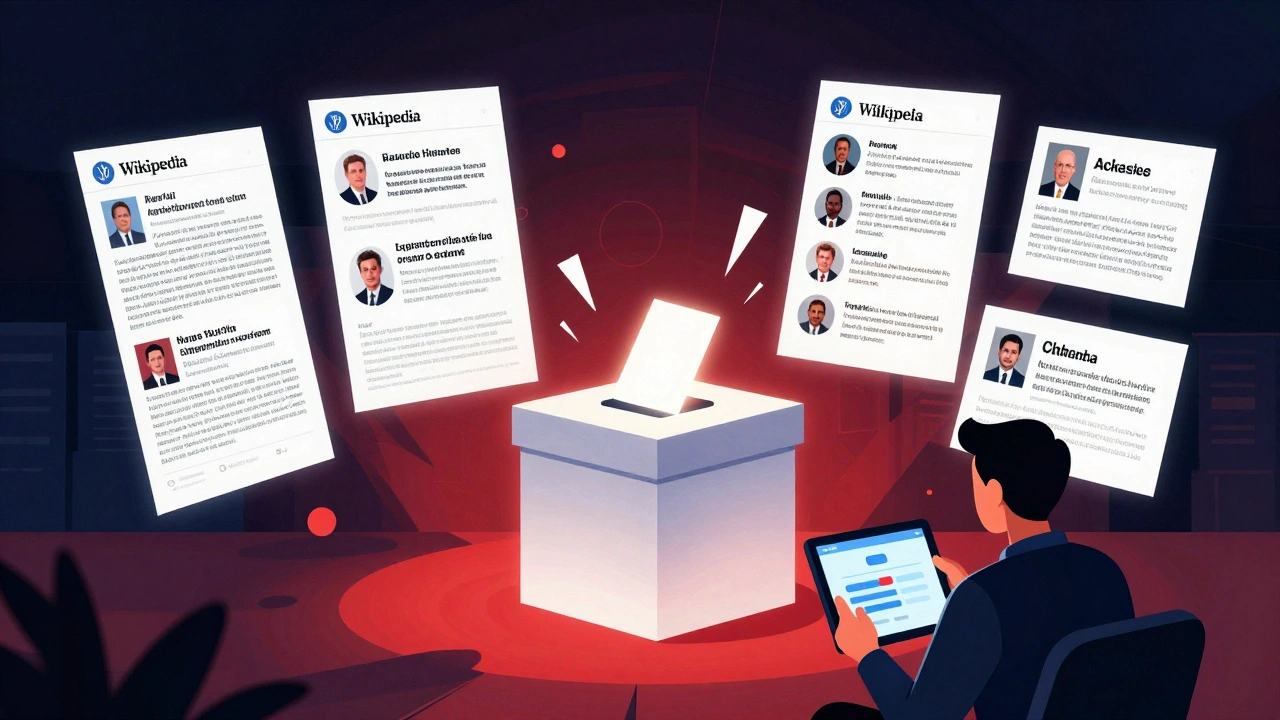
Every year, Wikipedia holds elections for the Arbitration Committee and the Board of Trustees. These aren’t symbolic votes. They decide who gets final say on user disputes, who shapes the future of the platform, and who answers to millions of readers. The Signpost’s election special issues break down every candidate’s record, their platform, and the controversies swirling around them.
In 2024, the Arbitration Committee election saw record turnout. Over 1,200 active editors voted. One candidate, known for pushing strict anti-harassment policies, won by a narrow margin after a heated debate over whether the committee had become too bureaucratic. The Signpost published a side-by-side comparison of each candidate’s edit history, past rulings, and public statements - something no other outlet did.
These reports matter because Wikipedia’s governance isn’t top-down. It’s crowd-sourced. And when the community votes, the results change how articles are moderated, how disputes are resolved, and even how new editors are treated. The Signpost doesn’t just report on elections - it helps editors make informed choices.
Wikimania: The Annual Gathering That Shapes the Future
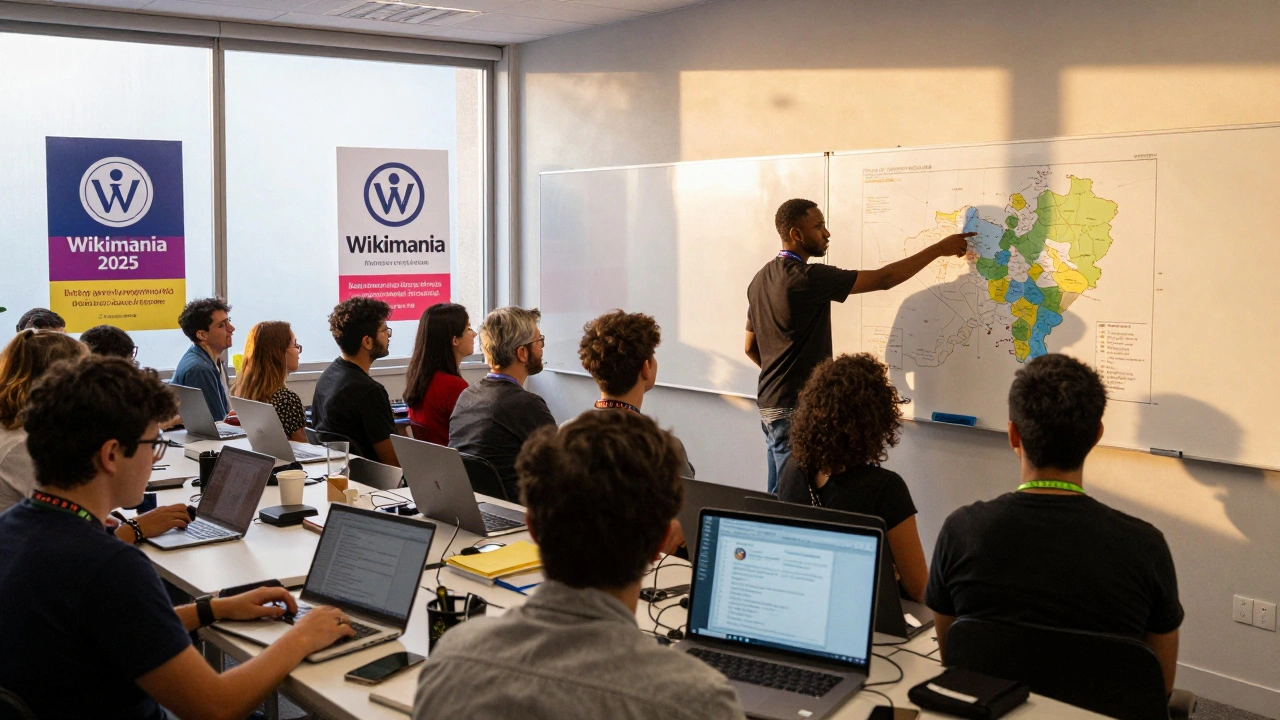
Wikimania is Wikipedia’s biggest in-person event. It’s held in a different city every year - from Stockholm to Cape Town to Bangkok. Thousands of editors, developers, librarians, and academics show up to share ideas, train new contributors, and argue over the future of free knowledge.
The Signpost’s Wikimania special issues are the only comprehensive record of what happens there. They don’t just list keynote speakers. They capture the heated hallway debates. They quote the new editors who walked away inspired. They document the failed proposals - like the 2023 attempt to create a global content moderation council - and why they didn’t pass.
In 2025, the event was held in Madrid. The Signpost reported that over 40% of attendees were from the Global South - a record. They highlighted how African editors pushed for better representation of local languages in Wikipedia’s AI tools. They also broke the news that the Wikimedia Foundation had quietly shelved its plan to fund regional language initiatives after internal budget cuts.
These aren’t event recaps. They’re policy alerts. If you edit Wikipedia and care about where it’s headed, you need to know what happened at Wikimania. The Signpost makes sure you don’t miss it.
Policy Changes That Fly Under the Radar
Most people think Wikipedia’s rules are set in stone. They’re not. Every week, volunteers propose changes to how content is handled, how users are blocked, how citations are verified. Most proposals die quietly. But some spark massive backlash - and The Signpost catches them before they become law.
In late 2024, a proposal to require all biographies of living people to include a minimum of five independent sources was quietly drafted. It sounded reasonable. But The Signpost dug into the data: 78% of existing biographies on English Wikipedia didn’t meet that standard. Many were about minor public figures - teachers, local artists, activists - who had no media coverage. The article showed how the rule would erase hundreds of thousands of entries overnight.
That report triggered a flood of edits, petitions, and a formal community vote. The proposal was withdrawn. Without The Signpost, most editors wouldn’t have known it existed.
The same thing happened with the “no AI-generated content” policy. When the Foundation tried to ban all AI-written text, The Signpost published a breakdown of how many articles already used AI-assisted editing - including ones written by experienced editors using tools like ChatGPT to rephrase sentences. The backlash forced a rewrite. The final policy allowed AI use for grammar and structure, but banned it for original content. That nuance? It came from The Signpost’s reporting.
Scandals and Controversies: When the System Breaks
Wikipedia prides itself on neutrality. But it’s run by humans - and humans make mistakes. The Signpost doesn’t shy away from the messy parts.
In 2023, a group of editors from a single organization was found to be systematically editing articles to favor their clients. They used sockpuppet accounts, deleted critical sources, and pressured other editors. The investigation took months. The Signpost published daily updates, including leaked internal chats and edit histories. When the Wikimedia Foundation finally acted - banning 12 users and freezing accounts - The Signpost was the only source with full context.
Another time, a high-profile editor was accused of using Wikipedia to promote their own book. The Signpost didn’t just report the accusation. They traced every edit back to 2018, mapped the book’s citations, and compared them to peer-reviewed sources. The editor resigned. The book was later pulled from university reading lists after the report went viral.
These aren’t tabloid stories. They’re accountability reports. And they’re why editors trust The Signpost more than the Foundation’s own press releases.
Why These Special Issues Matter
Wikipedia is the fifth most visited website in the world. But most people don’t realize how fragile its system is. It runs on volunteer labor, unpaid moderation, and community consensus. When something goes wrong - when a policy is pushed too far, when a vote is rigged, when a conference ignores marginalized voices - there’s no corporate PR team to fix it. There’s only the community.
The Signpost is the community’s watchdog. Its special issues are the only place where the full story is told: the data, the voices, the consequences. They don’t just inform. They empower. An editor reading about a policy change can now understand not just what changed, but why, who pushed for it, and how it affects them.
These aren’t just news articles. They’re tools for participation. They turn passive readers into active contributors. And in a world where misinformation spreads faster than facts, that’s the most important thing Wikipedia has.
How to Follow The Signpost
You don’t need to be an expert to read The Signpost. You don’t even need to edit Wikipedia. If you care about how knowledge is made - and who gets to decide - you should read it.
- Visit en.wikipedia.org/wiki/Wikipedia:The_Signpost for the latest issue
- Subscribe to its weekly email digest - no registration needed
- Check the archive: every special issue since 2005 is preserved and searchable
- Join the discussion on its talk page. Many articles start as community suggestions
It’s free. It’s ad-free. And it’s entirely written by volunteers who believe the truth matters enough to document it - even when no one else is watching.
Is The Signpost officially part of Wikipedia?
No. The Signpost is an independent, community-run publication. It’s hosted on Wikipedia’s servers for convenience, but it’s not controlled by the Wikimedia Foundation. Its editors are volunteers with no official authority. That independence is why it’s trusted.
Can anyone write for The Signpost?
Yes. Any registered Wikipedia editor can pitch a story. Most contributors are experienced editors who’ve been around for years. But first-time writers have broken major stories. The key is solid sourcing and clear writing. The editorial team helps polish submissions - you don’t need to be a journalist.
Are The Signpost’s reports accurate?
Yes. Every report is based on public edit histories, official meeting minutes, and verified sources. The Signpost has a strict policy: no anonymous claims, no speculation. If something isn’t documented, it doesn’t get published. It’s been fact-checked by editors for nearly 20 years.
Why does The Signpost focus on elections and Wikimania?
Because those are the moments when Wikipedia’s future is decided. Elections determine who governs. Wikimania is where new ideas are tested. These events shape policies that affect every article on the site. Reporting on them isn’t optional - it’s essential.
How often does The Signpost publish special issues?
Special issues are published when something major happens - usually 3 to 6 times a year. They’re not on a fixed schedule. They come out when the story demands it. Regular weekly issues are published every Thursday.