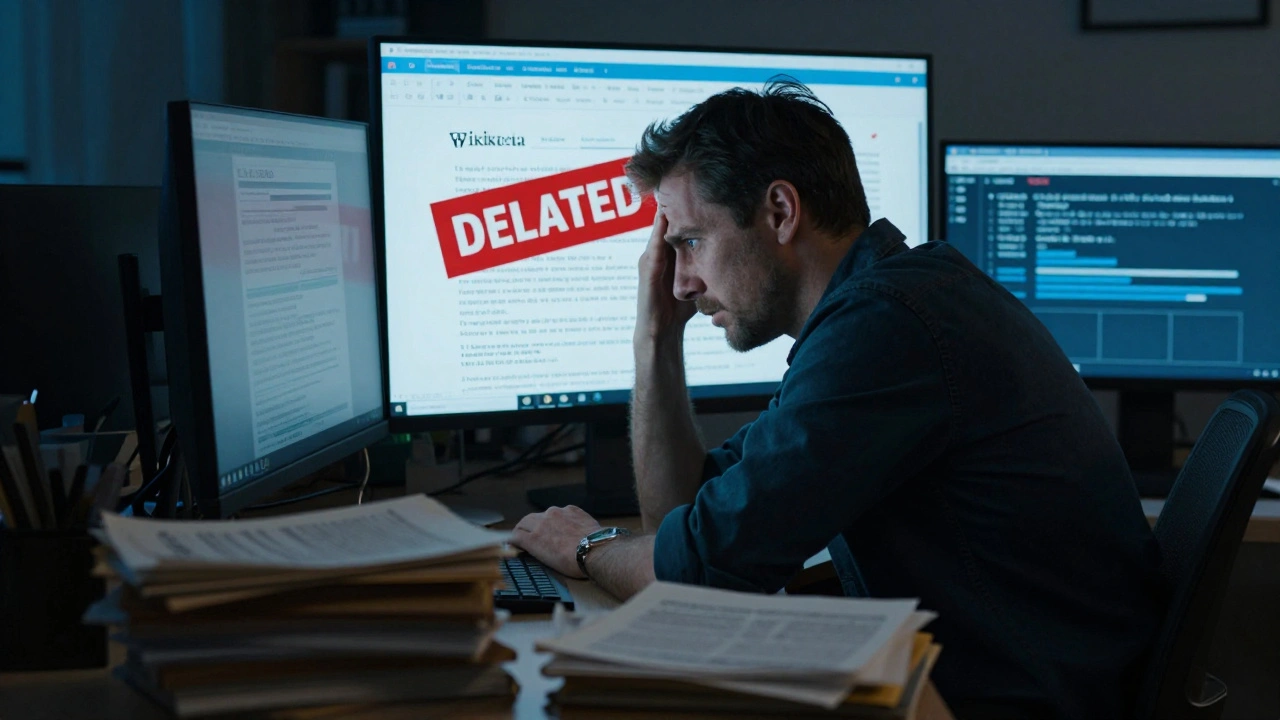
Imagine spending three weeks researching a niche historical event, only to have your carefully cited contribution deleted in seconds by a single click. You didn't break any rules, or so you thought. The person who removed it holds the title of Administrator, a role on Wikipedia that carries significant power but often lacks clear accountability. This scenario plays out thousands of times a day across the world's largest free encyclopedia.
Conflicts between regular editors and administrators are not just technical glitches; they are human dramas fueled by differing interpretations of neutrality, urgency, and authority. Understanding why these clashes happen-and how to navigate them-can save your sanity and protect your contributions.
The Power Imbalance: What Administrators Actually Do
To understand the conflict, you first need to understand the toolset. On Wikipedia, an administrator (often called an "admin") is not an employee. They are volunteers who have been granted specific technical permissions after passing a community vote. These permissions include the ability to delete pages, block users from editing, and protect articles from further changes.
The core issue arises because these powers are often used for routine maintenance rather than malicious intent. An admin might delete a page about a local band because it fails the Notability guideline. To the editor, this feels like censorship. To the admin, it is simply housekeeping. The disconnect lies in perspective: one sees a unique piece of information being lost, while the other sees clutter being removed to maintain quality standards.
Administrators also handle vandalism. If someone edits a biography to claim a living person won a lottery, an admin will revert it instantly. Sometimes, however, well-meaning editors get caught in the crossfire. A complex edit intended to improve structure might be mistaken for vandalism if it doesn't follow standard formatting conventions. This misidentification is a primary source of friction.
Common Triggers for Editor-Admin Clashes
Most disputes stem from a few recurring themes. Recognizing these patterns can help you avoid becoming part of the problem.
- Deletion Disputes: This is the most common flashpoint. Editors invest time in creating articles, only to have them nominated for deletion (Articles for Deletion) or speedily deleted. The emotional investment leads to defensive behavior, which admins may interpret as hostility.
- Blocking and Unblocking: When an editor is blocked for violating policies, they often feel misunderstood. If the block message is brief or unclear, frustration mounts. Some editors engage in "block evasion" by creating new accounts, which escalates the situation further.
- Content Reversions: Admins frequently patrol recent changes. If an editor adds unsourced claims or biased language, the admin reverts it. Without proper communication on the talk page, this looks like personal rejection rather than policy enforcement.
- Protection Levels: High-traffic articles are often "protected," meaning only experienced editors can change them. Newcomers find their edits rejected automatically, leading to confusion about why their contributions are unwelcome.
These triggers highlight a systemic issue: the lack of formal training for both parties. Neither side receives official instruction on conflict resolution, leaving them to rely on informal norms that vary widely across different communities.
The Role of Community Norms and Policies
Wikipedia operates on a set of five foundational pillars, including Neutral Point of View and Verifiability. However, these principles are open to interpretation. What one editor considers neutral, another might see as biased. Admins act as enforcers of these interpretations, but they are not infallible judges.
Community norms evolve over time. Practices accepted ten years ago might now be considered disruptive. For example, earlier attitudes toward aggressive editing styles have shifted toward more collaborative approaches. Older admins may still operate with outdated expectations, causing friction with newer editors who expect transparency and dialogue.
Policies themselves can be contradictory. The rule against original research conflicts with the goal of expanding knowledge. Admins must balance these competing demands, often making quick decisions under pressure. Their choices reflect individual judgment rather than centralized directives, leading to inconsistent outcomes.
How to Handle Disputes Constructively
If you find yourself in a conflict with an admin, remember that escalation rarely helps. Instead, focus on de-escalation and constructive engagement. Here are practical steps to resolve issues without damaging your reputation or wasting time.
- Check Your Sources: Before arguing, ensure your edits meet verifiability standards. Are your citations reliable? Is the information notable? If not, revise your work before appealing.
- Use Talk Pages: Never argue on the article itself. Move discussions to the associated talk page. Explain your reasoning clearly and politely. Ask questions instead of making accusations.
- Seek Mediation: If direct communication fails, request mediation through established channels. Wikipedia has dedicated mediators trained to facilitate dialogue between conflicting parties.
- Avoid Personal Attacks: Criticize actions, not people. Saying "This edit violates policy" is productive; saying "You are incompetent" is destructive. Keep emotions in check.
- Understand the Process: Familiarize yourself with procedures like Request for Comment or Administrators' Noticeboard. Knowing where to go reduces confusion and speeds up resolution.
Patience is key. Resolving disputes takes time, but rushing often makes things worse. Building trust within the community opens doors to smoother interactions in the future.
When Things Go Wrong: Escalation Paths
Sometimes, despite best efforts, conflicts persist. In such cases, structured escalation paths exist to address grievances fairly. These mechanisms ensure no single admin holds unchecked power.
| Option | Description | Best Used When... |
|---|---|---|
| Mediation | Voluntary process facilitated by neutral third parties | Both sides want to preserve relationship |
| Arbitration | Binding decision made by Arbitration Committee | Conflict involves serious policy violations |
| Bureaucrat Review | Higher-level review of admin actions | Admin abuse of power suspected |
| Ombudsman | Independent investigator for harassment claims | Personal attacks or intimidation occur |
Each option serves a distinct purpose. Mediation focuses on reconciliation, while arbitration prioritizes finality. Choosing the right path depends on the severity of the dispute and your desired outcome.
The Human Element Behind the Screen
Behind every username is a person with motivations, biases, and limitations. Admins are not robots executing code; they are humans trying to manage chaos. Many take on administrative duties out of passion for the project, not desire for control. Recognizing this humanity fosters empathy and reduces antagonism.
Editors also bring diverse backgrounds and perspectives. A scientist editing medical articles may prioritize accuracy above all else, while a journalist might emphasize readability. Both approaches have merit, yet they clash when applied to the same text. Acknowledging these differences encourages compromise rather than confrontation.
Moreover, fatigue affects decision-making. Admins reviewing hundreds of edits daily may miss nuances or make hasty judgments. Giving them space to reconsider prevents unnecessary escalation. Similarly, editors should recognize their own stress levels and step away if emotions run high.
Building Better Relationships Through Collaboration
Prevention is better than cure. By fostering positive relationships early, you reduce the likelihood of future conflicts. Engage constructively with admins during routine tasks, such as cleanup drives or stub expansions. Show appreciation for their efforts, even when disagreements arise.
Participate in community discussions beyond your immediate interests. Attend virtual meetups, join working groups, and contribute to policy development. Active involvement builds credibility and demonstrates commitment to shared goals.
Finally, mentor newcomers. Share lessons learned from past experiences to guide others away from common pitfalls. Creating a supportive culture benefits everyone involved, strengthening the foundation upon which Wikipedia thrives.
Why do Wikipedia admins delete articles?
Admins delete articles primarily to enforce notability guidelines and remove spam or vandalism. Articles lacking sufficient coverage in independent sources violate Wikipedia's core policies, prompting removal to maintain quality standards.
Can I appeal an admin's decision?
Yes, you can appeal via mediation, arbitration, or bureaucrat review depending on the nature of the dispute. Start with less formal options like discussion on talk pages before escalating to binding processes.
What happens if an admin abuses their power?
Abuse of power can lead to revocation of admin privileges through community votes or oversight committees. Evidence of misconduct should be reported to higher authorities like bureaucrats or the Ombudsman team.
How can I become an admin myself?
Becoming an admin requires demonstrating consistent adherence to policies, gaining community trust, and passing a nomination vote. It typically takes months or years of active participation before considering candidacy.
Are there consequences for blocking an innocent editor?
Mistaken blocks usually result in unblocking once clarified. Repeated errors could prompt scrutiny of admin conduct, potentially affecting their standing within the community. Clear communication minimizes misunderstandings.