
Imagine you are editing a Wikipedia article about a local politician. You add a fact from a reliable source. A few hours later, it’s gone. You put it back. It gets removed again. This cycle, known as edit warring, is one of the most common frustrations for new editors. Before you reach for your red pen or start typing an angry comment in the talk page, there is a structured process designed to break this deadlock. It is called a third opinion.
A third opinion on Wikipedia is not a court ruling, nor is it a final verdict that locks an article into place forever. Instead, it is a neutral assessment provided by experienced community members who look at the dispute objectively. They review the evidence, check the sources, and offer a recommendation on what the text should say to remain neutral and verifiable. Understanding when to use this tool can save you weeks of frustration and keep your edits from being reverted endlessly.
What Exactly Is a Third Opinion?
In the context of Wikipedia is a free online encyclopedia where articles are edited collaboratively by volunteers worldwide. The platform relies on consensus rather than majority rule. When two or more editors disagree on how an article should be written, they often get stuck. A Third Opinion is a formal request for advice from neutral community members regarding a specific content dispute.
The term "third" refers to the fact that you and the other editor are the first two parties involved. The third party steps in to provide a fresh perspective. These opinions are usually requested on the Article Talk page or, for more complex issues, on the Village Pump (Miscellaneous) page. The goal is not to win an argument but to find a compromise that adheres to Wikipedia's core principles: Neutral Point of View (NPOV), Verifiability, and Notability.
When Should You Request One?
You might be tempted to ask for help immediately after your first edit is reverted. Resist that urge. Wikipedia culture values self-resolution. If you jump straight to a third opinion without trying to talk things out, reviewers might dismiss your request as premature. Here are the specific scenarios where a third opinion is appropriate:
- Persistent Edit Wars: You have reverted an edit, the other editor has reverted it back, and you have done so at least twice. This indicates a genuine impasse.
- Sourcing Disputes: One side claims a statement is factual based on Source A; the other side claims it is misleading based on Source B. Neither side accepts the other's interpretation.
- Tone and Balance Issues: An article feels biased against a specific group, person, or topic, but both sides agree on the facts-just not on how to present them neutrally.
- Notability Conflicts: One editor wants to merge or split sections because they believe certain topics deserve their own space, while the other disagrees.
Conversely, do not request a third opinion if the issue is purely cosmetic (like minor grammar tweaks) or if one side is clearly violating basic rules like using non-reliable sources. In those cases, simple discussion or citing the manual of style is enough.
How to Prepare Your Request
A well-prepared request increases your chances of getting a helpful response. Reviewers are volunteers, and they appreciate efficiency. Before you post, gather the following elements:
- Summarize the Dispute: Write a brief, neutral summary of what is being argued. Avoid emotional language. State the facts: "Editor A believes X is true based on Source Y. Editor B believes X is misleading based on Source Z."
- List the Sources: Provide links to the specific versions of the article or the external sources used. This saves reviewers time.
- State Your Position: Clearly explain why you think your version is better according to Wikipedia guidelines. Cite specific policy pages if relevant (e.g., WP:NPOV).
- Show Good Faith: Mention that you have already tried to discuss the issue on the talk page. Include timestamps of previous discussions to prove you haven't ignored communication.
Keep the tone professional. Even if the other editor has been rude, mirror politeness. Reviewers are more likely to engage with respectful requests. Use the template {{subst:3rdop|article=ArticleName}} on the talk page to standardize your format. This makes it easier for others to scan and respond.
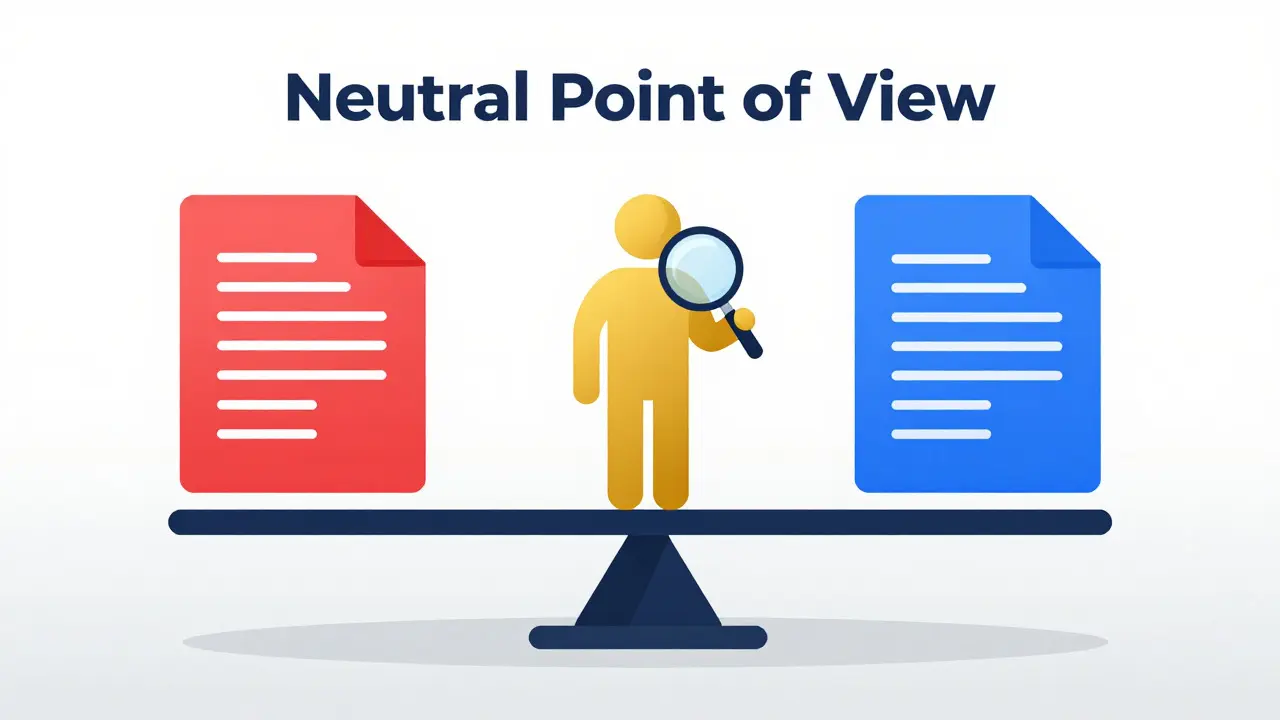
The Role of Neutrality and Evidence
When a reviewer looks at your case, they are not judging who is "right" in a moral sense. They are judging which version best fits Wikipedia's standards. This distinction is crucial. For example, if you are arguing about a historical event, the winner is not the one with the stronger emotion, but the one whose text aligns with consensus among reliable secondary sources.
Consider a dispute about a controversial scientific claim. If one editor cites a peer-reviewed journal and the other cites a blog post, the outcome is predictable. However, if both cite peer-reviewed journals but interpret them differently, the third opinion will focus on whether the article represents the mainstream view fairly. This is where understanding Neutral Point of View is a core policy requiring articles to represent all significant viewpoints fairly and proportionately.
Reviewers often look for "consensus" in the broader world, not just within the talk page. If 90% of reputable news outlets report a story in a certain way, the Wikipedia article should reflect that, even if a minority of experts disagree. The third opinion helps align the article with this external consensus.
What Happens After the Request?
Once you post your request, the clock starts ticking. There is no strict deadline, but most disputes resolve within a week to ten days. During this time, try to freeze the edits on the disputed section. Continue working on other parts of the article if possible, but avoid touching the contested lines. This shows good faith and prevents further friction.
If a reviewer posts an opinion, read it carefully. They might suggest a compromise wording that neither of you had considered. Often, these suggestions are brilliant because they step outside the binary "my way vs. your way" trap. If both parties accept the suggestion, implement it and mark the dispute as resolved. If one party rejects it, you may need to escalate to a higher level, such as a Request for Arbitration, but this is rare and should be a last resort.
| Method | Best Used For | Timeframe | Outcome Nature |
|---|---|---|---|
| Talk Page Discussion | Minor disagreements, sourcing questions | Hours to Days | Mutual agreement |
| Third Opinion | Stalemates, NPOV conflicts, edit wars | 1-2 Weeks | Neutral recommendation |
| Request for Comment (RFC) | Broad structural changes, naming disputes | 1 Week | Community consensus |
| Arbitration Committee | Behavioral issues, persistent bad faith | Months | Binding ruling |

Common Pitfalls to Avoid
Even experienced editors make mistakes when requesting third opinions. The most common error is cherry-picking evidence. If you only show the sources that support your view and hide the ones that support the other side, reviewers will notice. Always present the full picture. Another pitfall is assuming the third opinion is binding. It is advisory. While most editors respect it, technically, anyone can ignore it. Therefore, your job is to make the recommendation so logical and well-sourced that ignoring it becomes difficult.
Also, avoid bringing in personal history. If you and the other editor have clashed before, mention it briefly but keep the current dispute focused on the article content. Personal grievances distract from the core issue and can bias the reviewers against you.
Next Steps for Editors
If you are currently stuck in a dispute, pause and assess. Have you tried talking? Do you have solid sources? If yes, draft your third opinion request using the template. Post it calmly. Then, wait. Use the waiting time to improve other aspects of the article. This demonstrates commitment to the encyclopedia, not just to your own ego. Most of the time, a third opinion provides the clarity needed to move forward, turning a frustrating standoff into a collaborative improvement.
Is a third opinion binding on Wikipedia?
No, a third opinion is not legally binding. It is a strong recommendation based on community norms. However, ignoring it without good reason can lead to accusations of bad faith or lack of consensus, which might escalate the issue to arbitration.
Where exactly should I post my third opinion request?
For most article-specific disputes, post it on the Article Talk page using the {{subst:3rdop}} template. If the dispute involves multiple articles or a systemic issue, consider posting on the Village Pump (Miscellaneous) page instead.
How long does it take to get a response?
There is no fixed timeline, but most responses arrive within 3 to 7 days. Complex disputes involving legal or medical topics may take longer due to the need for specialized knowledge.
Can I request a third opinion if I am new to Wikipedia?
Yes, any registered user can request a third opinion. However, ensure you have made a genuine effort to discuss the issue first. New users are encouraged to seek mentorship from experienced editors before escalating disputes.
What if the other editor ignores the third opinion?
If the other editor reverts your agreed-upon change after accepting a third opinion, it is considered a breach of good faith. You can document this behavior on their user talk page and, if it persists, bring it to the Arbitration Committee.