
Key Takeaways for Editors
- The UCoC sets a baseline for behavior across all language versions of Wikipedia.
- It focuses on preventing harassment, hate speech, and systemic abuse.
- Enforcement is a mix of community-led moderation and Wikimedia Foundation oversight.
- The goal is to increase diversity by making the site less hostile to newcomers.
Why a Universal Standard Actually Matters
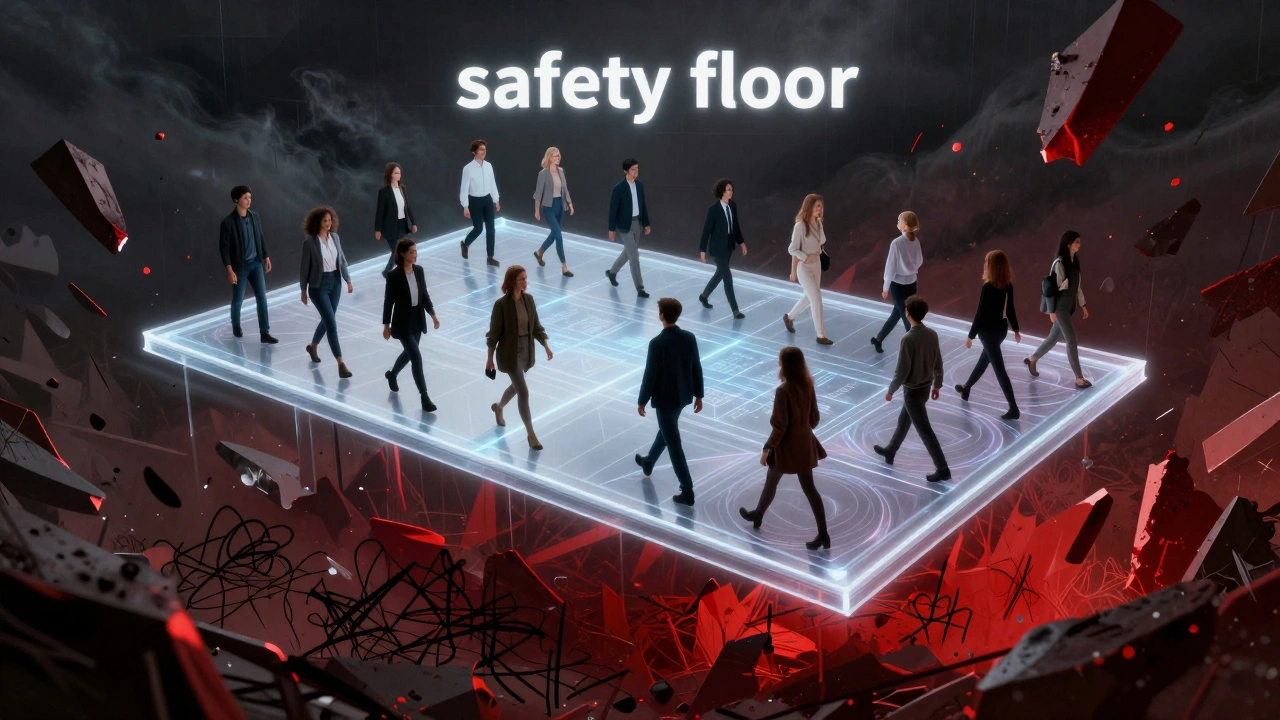
For years, Wikipedia operated on a fragmented system. Each language community had its own vibe and its own set of unwritten rules. While that worked for a while, it created a massive gap in safety. A user might be welcomed in the English Wikipedia but harassed in the French version, with no central authority to appeal to. The Wikimedia Foundation, the non-profit that manages the servers, realized that to bring in more marginalized voices, they needed a safety floor that didn't change based on which language you spoke.
Think about the "old guard" of editors. Many have been around since the early 2000s and developed a culture of "tough love"-which often just meant being blunt or aggressive to maintain quality. The UCoC challenges this. It asserts that being an expert on 18th-century naval history doesn't give you a license to belittle a new editor who makes a typo. By standardizing what constitutes "harm," the project is trying to move from a culture of combat to a culture of collaboration.
Breaking Down the Rules: What is Actually Forbidden?
The code doesn't ban disagreements-that would be impossible on a site where people argue about everything from politics to the best way to cook an egg. Instead, it targets specific behaviors that kill productivity and drive people away. The primary focus is on Harassment, which is defined not just as direct threats, but as a pattern of behavior that makes a user feel unwelcome or unsafe.
One concrete example is "dogpiling." This happens when a group of experienced editors swarm a single newcomer to shut down their contributions using overly aggressive tones. Under the UCoC, this isn't just a "difference in editing style"; it's a violation of the conduct code. Similarly, hate speech-defined as content that promotes violence or hatred based on race, gender, or religion-is a hard line. There is no "neutral point of view" when it comes to whether hate speech is allowed in the community discussions.
| Scenario | Permitted (Collaborative) | Prohibited (UCoC Violation) |
|---|---|---|
| Correcting a mistake | "This source is outdated; could you find a newer one?" | "You're clearly incompetent and shouldn't be editing this page." |
| Handling a dispute | Using a talk page to discuss evidence and reach a consensus. | Following a user across multiple pages to mock their edits. |
| Identity disputes | Discussing the validity of a source's credentials. | Attacking a user's personal identity or background. |
How Enforcement Works in Practice
Enforcement is where the rubber meets the road, and it's also where most of the tension exists. Wikipedia uses a tiered system. Most issues are handled by the community through Administrators-volunteer editors with special tools to lock pages or block users. If someone is being rude, an admin might issue a warning or a temporary block.
But what happens when the admin is the one being abusive? Or when the harassment is so severe that a simple block isn't enough? This is where the Universal Code of Conduct grants the Wikimedia Foundation more direct power. The Foundation can step in to issue global bans, which kick a user off every single Wikimedia project, not just one language site. This is a massive escalation and is usually reserved for cases of severe systemic abuse or legal risks.
The process generally follows this path: a report is filed, a review is conducted by a trained response team, and a decision is made based on the evidence in the edit history and talk page logs. The challenge here is "due process." Since Wikipedia is a community of volunteers, the transition to a more "corporate" enforcement model managed by the Foundation has caused friction. Some editors feel this undermines the autonomy of the local communities.
The Ripple Effect: Impact on Community Diversity
Does a rulebook actually change how people behave? The data suggests it does, but slowly. By creating a formal mechanism for reporting abuse, the project has lowered the barrier for people who previously felt intimidated. For example, editors from the Global South have often reported feeling "colonized" by Western editors who dominate the narrative and shout down opposing views. A universal code provides these editors with a legitimate framework to say, "This isn't just a disagreement; this is a violation of the global standard."
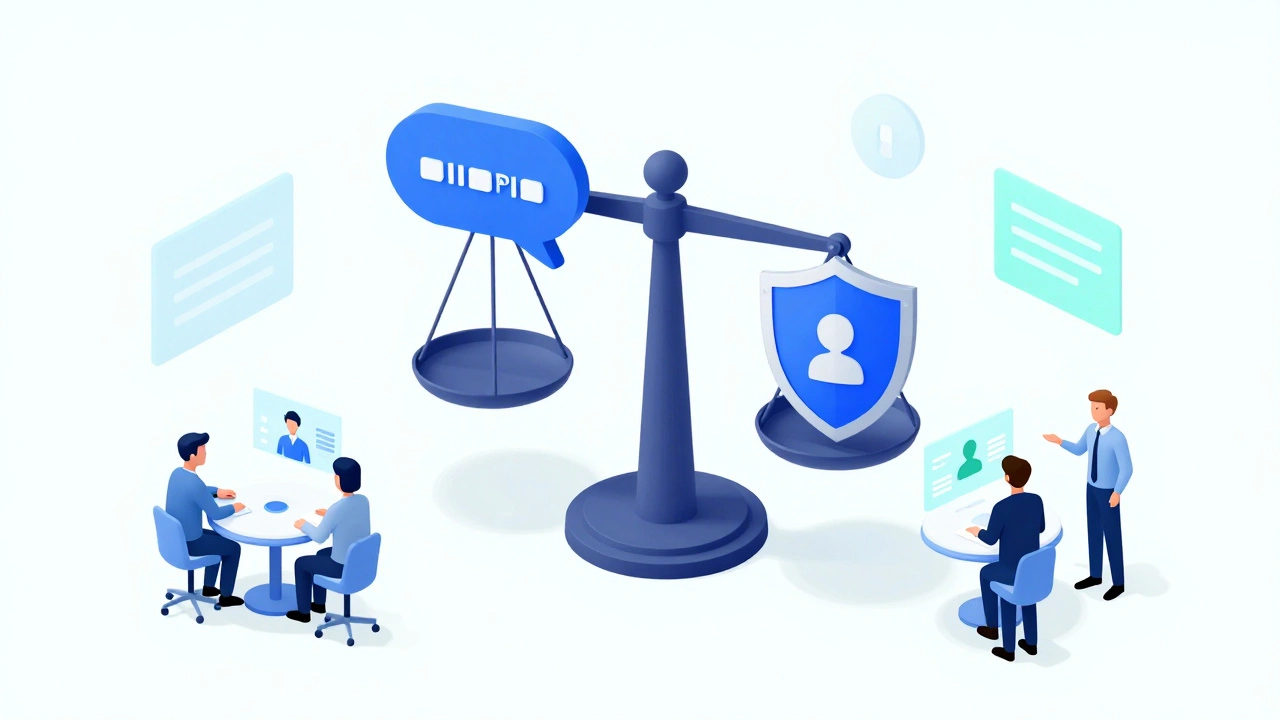
However, there is a side effect known as "weaponized reporting." This is where a user reports someone for a UCoC violation not because they were harmed, but because they lost an argument. This puts an immense strain on the Community Relations teams. The impact is a constant tug-of-war between protecting users from real harm and preventing the rules from being used as a tool for censorship.
Common Pitfalls and Misunderstandings
One of the biggest myths is that the UCoC is designed to force everyone to be "nice." It isn't. In fact, the guides explicitly state that professional disagreement is necessary for a project based on truth. You can tell someone their argument is wrong, and you can be firm about following a policy. The line is crossed when the focus shifts from the content to the person.
Another mistake is thinking the UCoC replaces local policies. It doesn't. It acts as a safety floor. Local communities can still have stricter rules than the UCoC, but they cannot have looser ones. For instance, a local community might decide that any form of sarcasm is forbidden in their talk pages-that's allowed. But they cannot decide that hate speech is "okay" as long as it's in a scholarly context.
Navigating the System as a User
If you find yourself in a situation where the conduct code is being violated, your first move shouldn't be to fight back in the talk page. That usually just provides more evidence for the other person to claim you are the aggressor. Instead, document everything. Take screenshots and save the permalinks to the specific edits and comments.
- Report the behavior: Use the official reporting channels rather than calling it out publicly.
- Stay on topic: If you must respond, stick strictly to the facts of the article.
- Seek a mediator: If the situation is escalating, ask a neutral administrator to step in.
- Escalate to the Foundation: Only do this if the community-level response has failed or the abuse is extreme.
Does the Universal Code of Conduct apply to anonymous editors?
Yes, it does. While anonymous users (IP editors) don't have accounts, their behavior is still subject to the code. If an IP address is used to spread hate speech or harass others, that IP can be blocked from editing the site entirely.
Can I be banned for a single rude comment?
Usually, no. The UCoC distinguishes between an isolated lapse in judgment and a pattern of abuse. A single rude comment typically results in a warning. However, severe violations-like death threats or explicit hate speech-can lead to an immediate and permanent ban regardless of prior history.
Who actually decides if a rule was broken?
For most cases, it's volunteer administrators. For high-level or global disputes, a specialized team at the Wikimedia Foundation reviews the case. They look at the logs and the context of the conversation to determine if the behavior meets the threshold of a UCoC violation.
What is the difference between a block and a ban?
A block is usually temporary and limited to one specific project (like the English Wikipedia). A ban, especially a global ban under the UCoC, is often more permanent and prevents the user from accessing all Wikimedia projects across all languages.
How has the UCoC changed Wikipedia's growth?
It has aimed to make the platform more inclusive. By reducing the "toxic" atmosphere that previously deterred new editors, the project hopes to attract a more diverse range of contributors, particularly from underrepresented groups who previously found the community too hostile.
Next Steps for New Contributors
If you're just starting out, don't let the fear of the rules stop you. The best way to stay safe and successful is to focus on the "Talk" pages. Before making a massive change to a controversial article, start a discussion. Explain your reasoning and provide your sources. When you build a reputation as a collaborative editor, the rules of the UCoC become your shield rather than a threat. If you see someone else being bullied, don't join the fray-report it and let the systems work. The goal is a neutral encyclopedia, and that starts with a neutral, respectful environment for the people who write it.