Quick Takeaways
- Revision Deletion removes a specific version of a page from public view but doesn't hide the fact that a deletion happened.
- Oversight is a more powerful tool that hides both the content and the record of the edit from everyone except a tiny group of trusted administrators.
- These tools are primarily used to remove Personally Identifiable Information (PII), legal threats, and severe cases of harassment.
- The process is strictly regulated to prevent the abuse of power or the "whitewashing" of legitimate historical edits.
Why Standard Undoing Isn't Enough
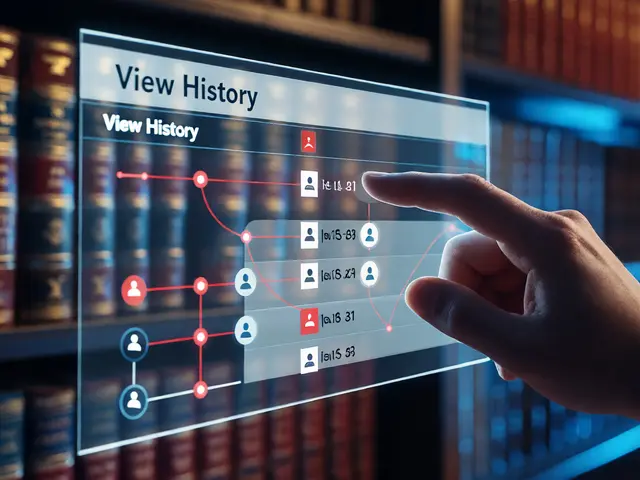
If you've ever edited a wiki, you know the "undo" button is your best friend. It's great for fixing a typo or reverting a prank. But if a malicious user posts a celebrity's private email, clicking "undo" just pushes that email into the page history. Anyone can click the "View history" tab and find that private data in seconds. For the people involved, this is a massive safety risk. We call this Personally Identifiable Information or PII. When PII hits a public server, the damage is instant. The goal of a Wikipedia oversight process isn't just to fix the page; it's to erase the evidence so that search engines and bad actors can't find the data in the archives.Understanding Revision Deletion
Revision Deletion is a tool that allows an administrator to remove a specific edit from the public history. Think of it like ripping a page out of a ledger. If you look at the history list, you'll see a gap or a note saying "Revision deleted," but the actual text of that edit is gone. It's a surgical strike designed to remove things like accidental leaks or blatant spam that contains harmful links.
However, revision deletion has a limitation: it's visible. People know something was deleted. In many cases, this is fine. But what happens when the mere fact that an edit occurred is sensitive? Or what if a user is being stalked and the edit history reveals a pattern of behavior that puts them at risk? That's when we move to the nuclear option.

The Power and Secrecy of Oversight
Oversight is the most restrictive tool in the Wikipedia toolkit. While revision deletion removes the content, oversight removes the content and the record that the content ever existed. To the average user, the history looks completely seamless. There is no "Revision deleted" message. It's as if the edit never happened.
Because this power is so absolute, it's restricted to a very small group of Checkusers and senior administrators. They have to follow strict guidelines to ensure they aren't deleting legitimate criticism or hiding their own mistakes. For example, if a high-profile politician's private home address is leaked, an overseer will scrub that edit. This prevents the "Streisand Effect," where trying to hide something only makes more people look for it in the history logs.
| Feature | Revision Deletion | Oversight |
|---|---|---|
| Content Removed? | Yes | Yes |
| History Record? | Shows a deletion occurred | Completely invisible |
| Who can do it? | Administrators | Specialized Overseers |
| Typical Use Case | Spam, minor PII leaks | Doxing, severe harassment, legal mandates |
| Transparency | Semi-transparent | Highly opaque |
Fighting Vandalism and Malicious Leaks
Most of the time, these tools are used to combat Vandalism. Now, we aren't talking about someone changing "President" to "Potato." We're talking about malicious actors who use the platform to attack individuals. In a typical attack, a vandal might replace a biography with a list of the person's previous addresses or private phone numbers. This is a form of Doxing.
The challenge for moderators is speed. If a leak stays up for an hour, it can be cached by Search Engines like Google or archived by the Wayback Machine. Once it's in a third-party cache, Wikipedia's tools can't touch it. This is why the community relies on automated bots to flag "high-risk" keywords and a dedicated team of humans to perform oversight as quickly as possible.
The Ethical Tightrope: Privacy vs. Transparency
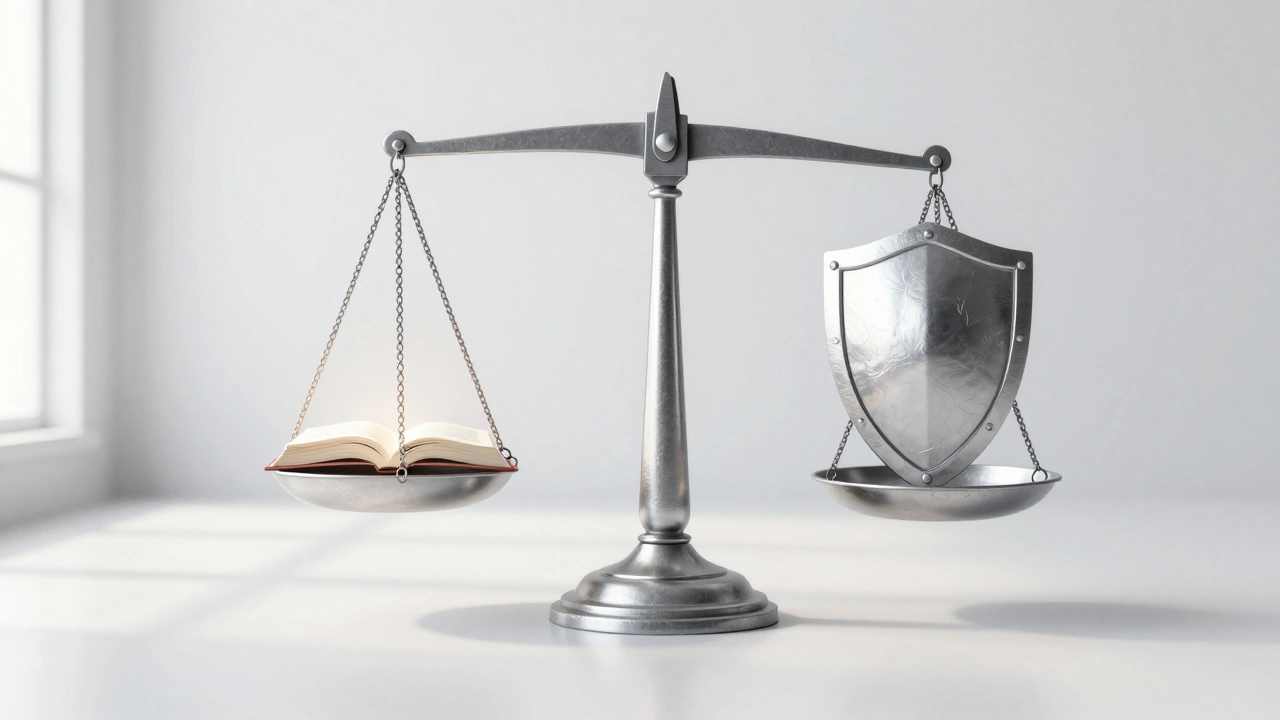
Wikipedia is built on the idea that everything is open and verifiable. This creates a natural conflict with oversight. If you can hide an edit, you can technically hide a lie or remove evidence of a conflict of interest. This is why the Wikimedia Foundation maintains a strict set of policies.
Oversight should never be used to remove "unfair" comments or to protect someone's reputation from a true, sourced fact. It is exclusively for safety and privacy. If an editor tries to use oversight to cover up a factual error they made, they risk losing their administrative privileges. The goal is a balance: protecting a human being's right to privacy without destroying the integrity of the historical record.
How to Request Content Removal
If you find your own private information on Wikipedia, don't try to fix it yourself by just editing the page. If you do, you might accidentally create a new revision that further embeds the data in the history. Instead, follow these steps:
- Do not edit the page: Avoid touching the history if possible, as this creates more timestamps for the data.
- Contact the Oversight Team: Use the official request channels (such as the "Request Oversight" page) to alert an administrator.
- Provide specific details: Tell them exactly which line or paragraph contains the PII. Don't just say "my info is here"; be precise so they can act fast.
- Request a cache purge: Once the content is gone from Wikipedia, an admin can sometimes help trigger a purge so search engines update their snippets faster.

Common Pitfalls in Privacy Moderation
One big mistake editors make is thinking that Blocking a user solves the problem. Blocking a user stops them from editing, but it doesn't remove the harmful content they already posted. Another pitfall is "over-oversighting." When editors get too aggressive with these tools, they start removing legitimate citations because they look "too personal," which hurts the quality of the encyclopedia.
There's also the issue of the "Echo Effect." When a piece of PII is deleted from one page, it often pops up on another related page because a different vandal copied it. This requires a cross-referenced cleanup, where overseers have to track the data across the entire site to ensure it's fully purged.
Can a regular user request oversight?
Yes. Any user, including those without an account, can request the removal of private information. You don't need to be an admin to report a privacy violation; you just need to provide a valid reason why the information constitutes PII and should be hidden.
Does oversight remove the content from Google?
Not directly. Oversight removes the content from Wikipedia's servers. However, if Google has already indexed that page, the text might still appear in search results or cached versions. You would need to use Google's own "Remove Outdated Content" tool to clear it from their search index.
What is the difference between a protected page and oversight?
Protecting a page simply stops people from making new edits to it. It doesn't hide any of the existing history. Oversight, on the other hand, specifically targets the history logs to make certain past edits disappear entirely.
Can an overseer's actions be reviewed?
Yes, but only by other overseers. Because the edits are hidden from the public, there is a restricted log that only high-level administrators can see. This ensures that if an overseer abuses their power, there is still a trail of evidence for the internal community to audit.
What counts as PII on Wikipedia?
PII typically includes home addresses, private phone numbers, personal email addresses, social security numbers, and non-public medical records. Publicly available information, like a business address or a government office phone number, generally does not qualify for oversight.
Next Steps for Site Safety
If you are an active editor, the best thing you can do is stay vigilant. If you spot a leak, don't try to be a hero by manually editing it-alert an admin immediately. For those who have had their privacy breached, remember that the internet is a series of copies. Start with Wikipedia, but then check the Internet Archive and other mirror sites to see if the data spread.
Depending on your role, your next steps might vary. New editors should read the community's guidelines on harassment to know what to report. Experienced admins should regularly review the oversight logs to ensure consistency in how privacy rules are applied across different language versions of the site.