Quick Tips for Project Revival
- Audit the current state of the project's task lists and banners.
- Start with "low-hanging fruit" edits to show the project is active.
- Use the project talk page to invite others with a clear, specific goal.
- Coordinate with related projects to find a steady stream of new editors.
- Set up a sustainable cadence of small wins rather than one giant overhaul.
Diagnosing the Silence
Before you start shouting into the void, you need to figure out why the project stopped. Not all dormant projects are created equal. Some were victims of "project fatigue," where a small group of hyper-active editors burned out. Others suffered from "scope creep," where the project tried to cover so much ground that it became unmanageable. Then there are the ones that simply became redundant because the topic was absorbed into a larger, more successful project.
To diagnose the problem, look at the Project Talk Page. Scan the last few active threads. Were people arguing about a single controversial article for three years? Or did the conversation just trail off? If you see a history of conflict, your revival strategy needs to be about diplomacy and new guidelines. If you see a history of boredom, you need a fresh "hook" to get people excited again. Understanding the ghost of the project prevents you from repeating the same mistakes that killed it the first time.
The First Spark: Creating Visible Momentum
Nobody wants to join a project that looks dead. If the project page is a mess of outdated links and 2012-era formatting, potential contributors will bounce. Your first job isn't to recruit; it's to clean. Start by updating the project's landing page. Fix the broken links and update the project's goals to reflect the current state of Wikipedia's standards in 2026.
Next, tackle the "low-hanging fruit." Find a few articles associated with the project that have easy fixes-maybe they need better citations, updated statistics, or simple grammar corrections. When you make these edits, leave a note on the article's talk page or the project's activity log. The goal is to create a trail of "recent changes" that signals to the rest of the community that someone is finally tending the garden. When an editor who hasn't checked the project in years sees a notification that an article they care about was improved, they're much more likely to peek back in.
Recruiting Without Spamming
The temptation is to go to the Village Pump or blast out a hundred invitations. Don't do that. Broad appeals usually result in a few "I'm interested!" comments from people who never actually show up to work. Instead, go for targeted recruitment. Look through the Contribution History of articles related to your project. Who is currently editing these pages? Those people are your primary targets.
Send a polite, personalized message on their talk page. Instead of saying, "Come help me revive this project," try something more specific: "I noticed you've done some great work on the history of early synthesizers. I'm trying to reorganize the WikiProject Synthesizers to better categorize these articles-would you be interested in helping me refine the project's scope?" By asking for their expertise on a specific problem, you make them feel valued rather than just another pair of hands.
Structuring the Comeback
Once you have a handful of people, you need a structure that prevents the project from stalling again. A common mistake is trying to rewrite the entire project charter on day one. That's a recipe for burnout. Instead, implement a "Sprints" model. Focus on one specific goal for two weeks-for example, "Updating all project articles to have a valid primary source."
| Phase | Primary Goal | Key Actions | Success Metric |
|---|---|---|---|
| The Cleanup | Visual Viability | Fix landing page, update banners | Zero broken links on main page |
| The Signal | Proof of Life | Quick edits to high-traffic articles | 5-10 updated articles per week |
| The Outreach | Human Capital | Targeted talk page invitations | 3-5 recurring active contributors |
| The System | Sustainability | Setting up monthly task lists | Consistent monthly project meetings |
Use Templates to automate the boring parts. If the project requires a specific set of banners or cleanup tags, make sure they are easy to apply. The lower the barrier to entry, the more likely a casual editor will stick around. If a new member has to read a 5,000-word manual before they can contribute a single sentence, they'll leave.
Leveraging Cross-Project Alliances
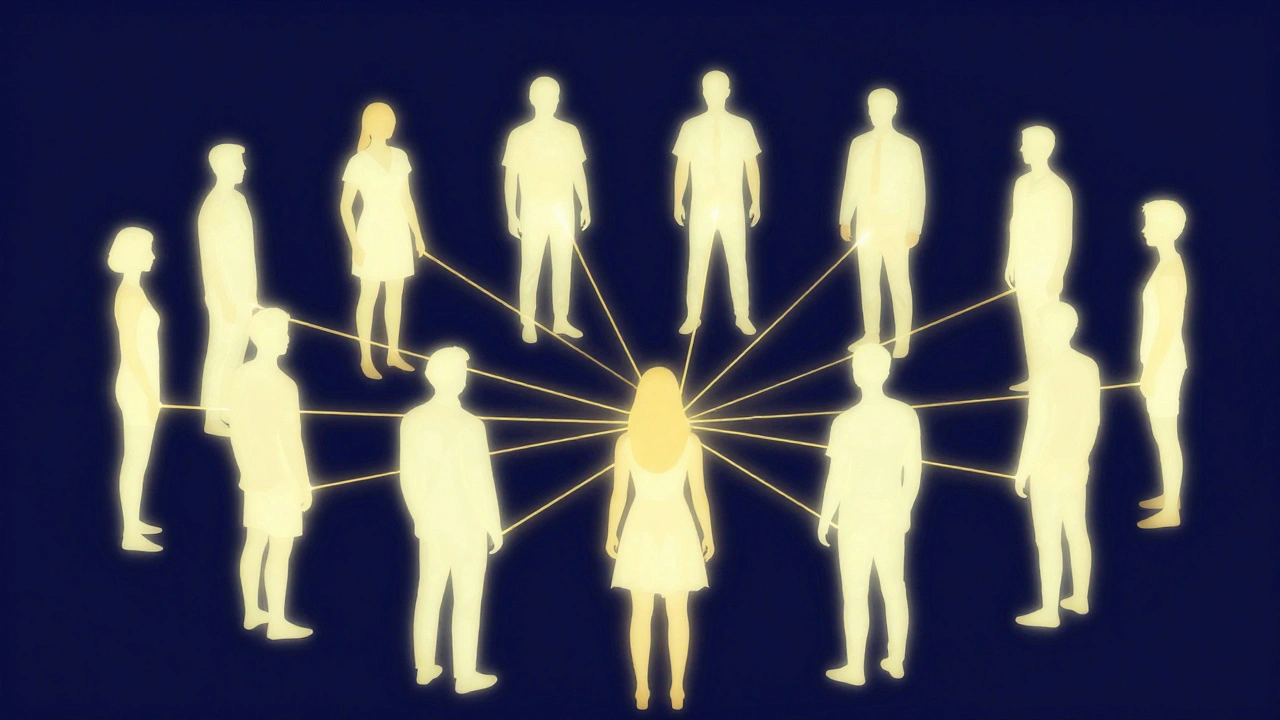
No project is an island. If you're reviving a project about "19th Century French Architecture," you should be talking to the WikiProject France and WikiProject Architecture groups. Often, a dormant project is simply a subset of a larger, healthy project. By establishing a formal link, you can tap into their existing recruitment pipelines.
Suggest a "cross-pollination" event. Maybe your project hosts a weekend where members of the larger project come in to help with a specific set of stubs. This not only brings in manpower but also gives your project a stamp of legitimacy. When a larger, well-known project recognizes your work, it acts as a signal of quality to the rest of the community.
Avoiding the "Dictator Trap"
When you're the only person driving a revival, it's easy to fall into the habit of making all the decisions. You might think you're being efficient by just doing everything yourself, but this is the fastest way to kill a project's long-term growth. If the project feels like it belongs to one person, others will feel like guests rather than owners.
Deliberately create space for others to lead. Even if you have a clear vision, ask for input on the project's direction. Instead of saying, "We are going to do X," ask, "I was thinking X might be a good next step, but does anyone see a better way to approach this?" By giving people ownership of the process, you transition the project from a "one-person show" to a community-led initiative. This is the only way to ensure the project doesn't go dormant again the moment you decide to take a break.
What if the project was shut down by a consensus?
If a project was formally merged or dissolved by consensus, don't just restart it. Start a discussion on the talk page of the parent project. Explain why the specific niche is underserved and propose a "sub-project" or a dedicated task force. Respecting previous consensus is crucial for maintaining your reputation within the community.
How do I handle "legacy" editors who disagree with the new direction?
Be transparent and patient. Acknowledge the work they did in the past. Use the "bridge" method: explain how the new direction builds upon the old foundation rather than replacing it. If a conflict arises, stick to the Wikipedia Manual of Style and verifiable sources as the neutral arbiters of the project's goals.
How long does it take to fully revive a project?
It varies, but typically you'll see a "pulse" within 2-4 weeks of consistent activity. However, a project isn't truly revived until it has at least 3-5 active members who contribute independently of the leader. Expect the initial cleanup and recruitment phase to take 2-3 months before the project feels self-sustaining.
Can I use bots to help revive a project?
Bots are great for the "Cleanup" phase-such as adding project banners to thousands of articles-but they cannot replace community engagement. Use bots for the repetitive structural work, but make sure your actual recruitment and strategic planning are done by humans. Over-reliance on bots can make a project feel robotic and uninviting.
What is the best way to track project progress?
Create a simple, public-facing "Project Dashboard" on the main page. Use a list of goals with checkboxes or a simple table showing "Articles Needing Attention" vs. "Articles Completed." When people see a progress bar moving, they are more psychologically inclined to help push it to the finish line.
Next Steps for Your Revival
If you're ready to start today, your first move is to perform a full audit. Spend an hour browsing the project's current pages and listing every broken link, outdated template, and neglected article. Don't try to fix them all at once; just list them. This gives you a roadmap so you don't get overwhelmed by the scale of the decay.
For those who are nervous about the social aspect, start by simply adding your name to the "Active Members" list. It's a small, non-threatening signal. Once you've made a few high-quality edits, the recruitment phase will feel more natural because you'll be speaking from a position of current contribution, not just theoretical intent. Remember, the most successful projects on Wikipedia aren't the ones with the most rules, but the ones that make it easiest for a stranger to walk in and feel helpful.