Imagine logging into your favorite wiki only to find your real name plastered across every edit you made in 2015. For most contributors, that scenario sounds like a nightmare. Yet, for years, the line between public accountability and personal privacy on Wikipedia was blurry. Today, the rules are stricter, the tools are sharper, and the consequences of ignoring them are real. Understanding how username privacy works isn't just for lawyers; it’s essential for anyone who wants to contribute without exposing their private life to the world.
The Evolution of Anonymity Policies
Wikipedia launched in 2001 with a simple promise: anyone can edit. This open model attracted millions of users but also created a massive data footprint. Early on, usernames were often pseudonyms, but the metadata behind them-IP addresses, email addresses, and edit histories-was largely accessible. Over two decades, the community shifted from "privacy through obscurity" to structured legal compliance. The introduction of the Global Account Creation system in 2011 was a turning point. It centralized user data, making it easier to enforce consistent privacy standards across all language versions of the encyclopedia.
This evolution wasn't accidental. It was driven by growing concerns about doxxing, harassment, and the rise of corporate surveillance. As digital rights advocates pushed for stronger protections, Wikipedia's board and stewards updated policies to align with emerging global standards. The result is a layered system where anonymity is a right, not a privilege, but one that requires active management by the user.
How Usernames Actually Work Now
Contrary to popular belief, a Wikipedia username does not guarantee total invisibility. Here is what actually happens when you create an account:
- Public Profile: Your username appears on every page you edit. Anyone can click it to see your contribution history.
- IP Address Masking: When logged in, your IP address is hidden from the public view. However, it remains stored in the server logs for a limited time (usually 90 days) for administrative purposes.
- Email Protection: Your email address is never shown publicly. To contact another user, you must use the built-in "Talk" pages, which route messages through the platform.
- Revealed Information: If you join certain communities or fill out surveys, you might voluntarily share more data. But by default, only your username and edit history are visible.
The key takeaway? You are anonymous to the general public, but not to the Wikimedia Foundation administrators. This distinction is crucial for understanding compliance risks.
Compliance Requirements for Contributors
Most casual editors think compliance is something companies worry about, not individuals. That’s a mistake. If you run a business, manage a non-profit, or represent a brand on Wikipedia, you have specific obligations. The primary rule is transparency regarding conflicts of interest.
According to Wikimedia Foundation guidelines, paid editors must disclose their status on their user talk page. Failure to do so can lead to account bans. This isn't just a moral guideline; it’s a compliance requirement enforced by volunteer stewards. For example, if you hire a PR firm to improve your company's Wikipedia article, that firm must list its connection to the client. Without this disclosure, edits may be reverted, and the account could be blocked.
For individual users, compliance is simpler but still important. You must avoid using usernames that imply false authority (like "Dr. John Smith" if you aren’t a doctor) or those that are defamatory. These rules protect the integrity of the encyclopedia and reduce legal liability for the foundation.

Enforcement Mechanisms: Who Watches the Watchers?
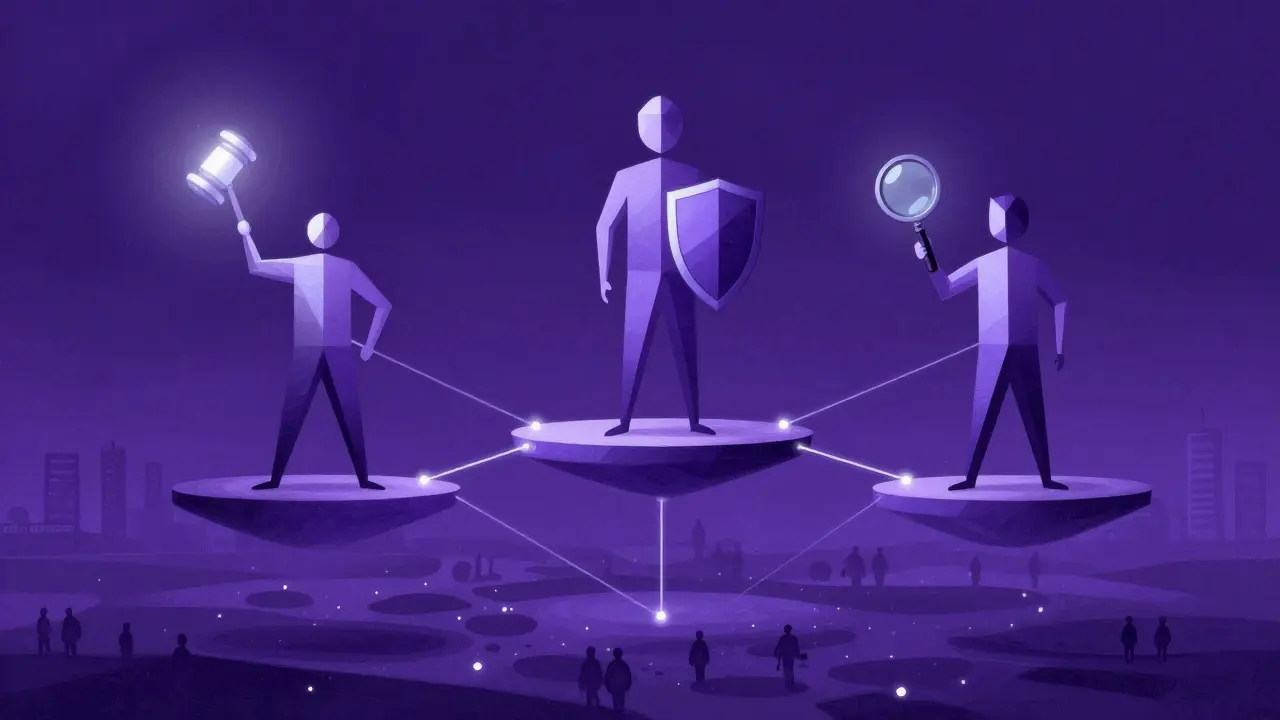
So, who enforces these rules? Wikipedia doesn’t have a single CEO dictating terms. Instead, it relies on a decentralized network of volunteers known as Stewards. These are experienced editors granted special technical permissions to manage global accounts. They handle tasks like renaming users, blocking abusive accounts, and merging duplicate profiles.
Enforcement usually follows a tiered approach:
- Warning: A steward leaves a notice on your user talk page explaining the issue.
- Temporary Block: If the behavior continues, your account is locked for a set period (e.g., 30 days).
- Permanent Ban: For severe violations, such as harassment or spam, the account is globally banned across all Wikimedia projects.
These actions are documented in public logs, meaning other users can see why someone was blocked. This transparency builds trust but also means that if you get caught violating privacy norms, it becomes part of your permanent digital record.
Common Pitfalls and How to Avoid Them
Even well-intentioned editors make mistakes that compromise their privacy or violate policy. Here are the top three traps to watch out for:
- Linking Personal Social Media: Putting your Twitter or LinkedIn handle on your Wikipedia user page invites unsolicited contact and potential doxxing. Keep your social profiles separate unless you’re a public figure whose identity is already known.
- Using Real Names in Pseudonymous Contexts: If you edit under a pseudonym to stay private, don’t accidentally reveal your real name in a comment or talk page discussion. Once revealed, it’s hard to undo.
- Ignoring Conflict of Interest Disclosures: If you edit articles about your own employer, family, or hobby, disclose it. Hidden biases are a leading cause of reverts and disputes.
A simple habit can save you hours of headaches: review your user profile before hitting publish. Ask yourself, "Would I be comfortable if my boss, neighbor, or ex-partner saw this?" If the answer is no, adjust your settings or username.
Comparing Privacy Levels Across Platforms
To understand where Wikipedia stands, it helps to compare it with other major online platforms. Each has different defaults for user visibility.
| Platform | Default Username Visibility | IP Address Exposure | Email Address Sharing | Conflict of Interest Disclosure |
|---|---|---|---|---|
| Wikipedia | Public | Hidden (logged in) | Never Public | Required for Paid Editors |
| Public | Hidden | Optional | Not Required | |
| Public (Real Name) | Hidden | Optional | N/A | |
| Tumblr | Public | Hidden | Optional | Not Required |
Notice how Wikipedia is unique in requiring conflict of interest disclosures while keeping emails strictly private. This balance reflects its mission as a neutral reference source rather than a social network.
Practical Tips for Maintaining Privacy
If you want to contribute safely, follow these actionable steps:
- Create a Dedicated Account: Don’t reuse your main email or password. Use a strong, unique password manager entry.
- Use a Pseudonym Wisely: Choose a name that doesn’t hint at your real identity. Avoid names that include your city, job title, or family name.
- Monitor Your Talk Page: Check regularly for messages or warnings. Ignoring notifications can lead to unexpected blocks.
- Stay Updated on Policy Changes: Wikipedia updates its guidelines periodically. Subscribing to the Wikimedia Mailing List for policy announcements keeps you informed.
- Document Your Edits: Keep a local log of significant changes. If a dispute arises, having proof of good faith can help resolve issues faster.
These habits turn privacy from a reactive concern into a proactive strategy. You’ll spend less time worrying about exposure and more time improving content.
Frequently Asked Questions
Can Wikipedia admins see my real name?
Generally, no. Admins see your username and IP address (if not masked), but not your real name unless you’ve linked it via a verified email or public profile. However, in legal cases, they can subpoena records from the Wikimedia Foundation, which may reveal registration details.
What happens if I forget to disclose a conflict of interest?
Your edits may be reverted, and you could receive a warning or temporary block. In severe cases, especially if you’re a paid editor, a permanent ban is possible. Always check the "Disclosure" template on your user page.
Is it safe to use my real name as a username?
It depends on your risk tolerance. Using your real name increases credibility but reduces anonymity. If you work in a sensitive field or live in a restrictive region, a pseudonym is safer. There is no policy against using real names, but privacy is your responsibility.
How long are my IP addresses stored?
By default, IP addresses are stored for 90 days after an edit. After that, they are anonymized or deleted, depending on current technical policies. This retention period balances accountability with privacy.
Do I need to pay to change my username?
No. Username changes are free but require approval from a steward. You can request a change through the "User Renaming" tool on Meta-Wiki. The process usually takes a few days to complete.