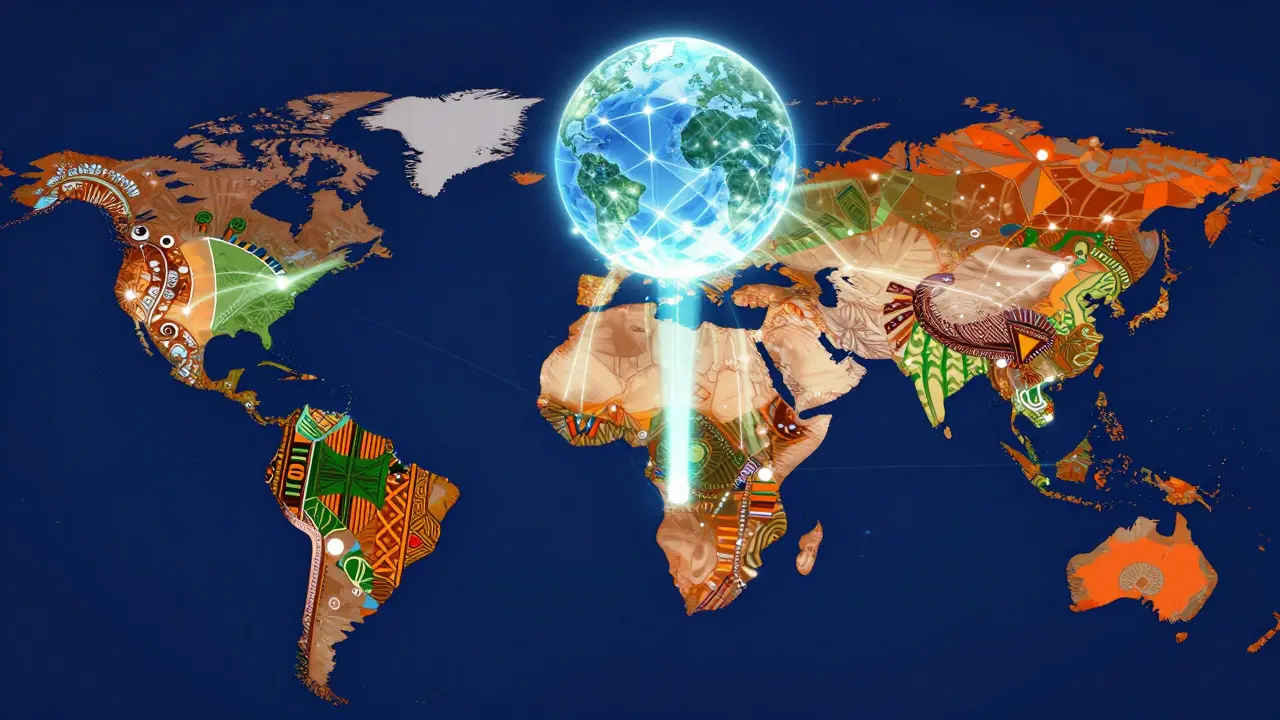
Ever tried to find a detailed article about a specific village in Ghana or a recent political shift in Senegal on Wikipedia is the world's largest free online encyclopedia, but its coverage of Africa has historically lagged behind Europe and North America. This gap isn't just a statistical footnote; it means millions of stories, histories, and cultural nuances are either missing or reduced to stubs. Enter WikiProject Africa, a dedicated group of volunteers working to fix this imbalance.
If you've ever wondered how to contribute to global knowledge without needing a PhD, this is your starting point. The project acts as a hub for editors who care about accuracy, depth, and representation of the continent. It’s not just about adding facts; it’s about building a narrative that reflects the complexity of 54 distinct nations and their shared heritage.
Why Regional Coverage Matters
The core issue with many online encyclopedias is a bias toward Western perspectives. When you search for "African art," you might get a broad overview, but finding information on specific regional styles like Ndebele wall painting or Kente cloth weaving often leads to thin articles. WikiProject Africa aims to bridge this gap by organizing editors around specific countries, topics, and languages.
This effort matters because digital literacy is growing rapidly across the continent. As more people access information via mobile devices, the quality of what they find becomes critical. Inaccurate or sparse data can reinforce stereotypes. By improving coverage, we ensure that students, researchers, and casual readers get a balanced view. It’s about giving voice to local histories that have been underrepresented in mainstream media for decades.
How WikiProject Africa Works
You don’t need to be an expert to join. The project operates through a simple hierarchy of sub-projects. Think of it as a family tree where each branch focuses on a specific area:
- Country Sub-Projects: Dedicated teams for individual nations like Nigeria, Kenya, or South Africa. They handle everything from geography to pop culture.
- Topic-Based Groups: Teams focused on themes like African music, literature, or science.
- Language Specialists: Editors who verify content using local languages to ensure accuracy before translation.
When you join, you pick a niche. Maybe you’re passionate about West African cinema. You’d link up with the relevant sub-project, check their task list, and start filling gaps. The community uses talk pages to discuss changes, ensuring that edits are well-referenced and neutral. This collaborative model prevents one person from dominating the narrative, which is crucial for maintaining neutrality in sensitive historical topics.
Getting Started: Your First Steps
Ready to dive in? Here’s a practical roadmap to make your first contribution meaningful:
- Create an Account: While anonymous editing is possible, having an account helps track your contributions and participate in discussions.
- Find Your Niche: Visit the main WikiProject Africa page and look at the list of active sub-projects. Choose one that interests you. If you’re unsure, start with a country you know well.
- Check the Task List: Every sub-project maintains a list of needed articles or improvements. Look for "stub" articles-short entries that need expansion. These are the easiest places to start.
- Use Reliable Sources: Avoid relying on other websites. Use books, academic journals, or reputable news outlets. Citations are the backbone of a good article.
- Make Small Edits First: Don’t try to rewrite an entire history in one go. Fix a typo, add a citation, or expand a paragraph. Build confidence gradually.
A common pitfall for new editors is ignoring the style guide. Keep sentences concise and objective. Avoid phrases like "many believe" or "it is said." Instead, state facts and cite them. For example, instead of saying "The economy is struggling," say "Inflation rates reached 15% in 2023, according to the World Bank." Specificity builds trust.
Challenges and How to Overcome Them
Editing Wikipedia isn’t always smooth sailing. One major challenge is finding sources. Many African institutions have limited digital archives. To overcome this, connect with local universities or libraries. Digital humanities projects are also digitizing rare texts, which can serve as primary sources.
Another hurdle is dealing with edit wars. Sometimes, two editors disagree on how to present a fact. The solution? Talk. Use the article’s talk page to discuss the issue calmly. Cite guidelines if you’re stuck. Most disputes are resolved through consensus, not force. Remember, the goal is a neutral point of view, not winning an argument.
Language barriers can also be tricky. If you’re editing an article about a country where you don’t speak the local language, rely on translated sources or collaborate with native speakers. The WikiProject has language liaison pages where you can ask for help verifying terms or names.
Impact and Future Directions
The impact of these efforts is measurable. Articles on African topics have seen significant increases in word count and reference density over the last decade. More importantly, the diversity of editors is growing. Younger generations, particularly those from the Global South, are bringing fresh perspectives and technical skills to the platform.
Looking ahead, the focus is shifting toward multimedia integration. Adding maps, audio clips, and videos can make articles more engaging. There’s also a push to improve mobile readability, ensuring that content loads quickly on slower networks. These technical improvements will help reach a wider audience, especially in regions where mobile is the primary internet device.
For those interested in deeper involvement, consider organizing offline meetups or edit-a-thons. These events bring together editors to work on specific topics in real-time. They’re great for building community and tackling complex articles collectively. Whether you choose to edit alone or in a group, every contribution adds value to the global knowledge base.
| Approach | Best For | Difficulty Level | Time Commitment |
|---|---|---|---|
| Fixing Typos/Citations | Absolute Beginners | Low | 15 minutes |
| Expanding Stubs | Intermediate Users | Medium | 1-2 hours |
| Creating New Articles | Advanced Users | High | 3+ hours |
Frequently Asked Questions
Do I need to be fluent in multiple languages to edit African articles?
No, fluency in English is sufficient for most edits. However, knowing a local language helps with verifying proper nouns and cultural contexts. You can also collaborate with native speakers through the project’s language liaisons.
What counts as a reliable source for Wikipedia?
Reliable sources include peer-reviewed academic journals, published books, and major news outlets. Avoid blogs, personal websites, and other Wikipedia articles unless they are citing original sources. Always prioritize primary sources when available.
How do I handle disagreements with other editors?
Use the article’s talk page to discuss the issue calmly. Cite Wikipedia’s guidelines on neutrality and sourcing. Most disputes are resolved through consensus. If stuck, seek advice from experienced editors in the WikiProject chat rooms.
Can I edit anonymously?
Yes, you can edit without an account. However, creating an account allows you to track your contributions, participate in discussions, and build a reputation within the community. It’s recommended for long-term contributors.
Where can I find a list of articles that need improvement?
Visit the main WikiProject Africa page and look for the "Tasks" or "To Do" sections. Each sub-project also maintains its own list of stubs and articles needing citations. These lists are updated regularly by active members.