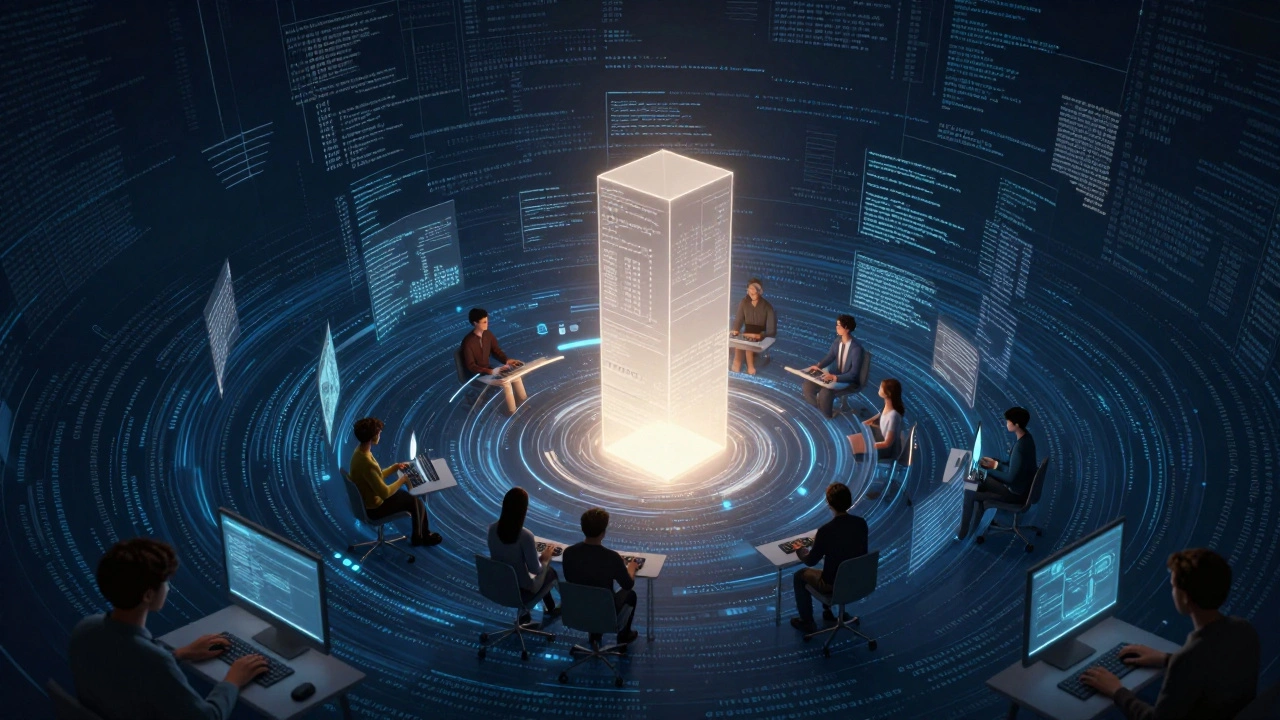
Imagine trying to write the definitive account of a war while thousands of strangers are typing simultaneously. One editor is adding details about tank formations in Ukraine, another is debating the casualty figures from the Battle of Hastings, and a third is removing a paragraph they claim lacks sources. Without structure, this chaos would produce a messy, biased, or incomplete record. This is exactly where WikiProject Military History steps in.
WikiProject Military History (WMIL) is a collaborative initiative on English Wikipedia dedicated to improving articles related to warfare, armed forces, and military strategy throughout human history. It acts as the central nervous system for everything from ancient phalanx tactics to modern drone warfare, ensuring that information remains neutral, sourced, and organized.
The Core Mission: Organizing Chaos
Wikipedia has over 6 million articles, but military topics are notoriously difficult to cover fairly. Conflicts often involve national pride, political bias, and sensitive casualties. WMIL exists to enforce a consistent standard across these volatile subjects. The project doesn't just "police" edits; it builds frameworks that help editors understand how to document complex events without getting bogged down in personal agendas.
The primary goal is simple: create reliable, comprehensive, and neutral encyclopedic content about military affairs. This involves coordinating efforts between sub-projects like WikiProject World War II, WikiProject Vietnam War, and WikiProject Cold War. Instead of each group working in isolation, WMIL provides shared guidelines on tone, sourcing, and structure.
- Ensure neutrality in contentious historical debates
- Standardize formatting for battles, campaigns, and units
- Identify gaps in coverage for underrepresented conflicts
- Maintain high-quality references and citations
How Coordination Works: The Hub-and-Spoke Model
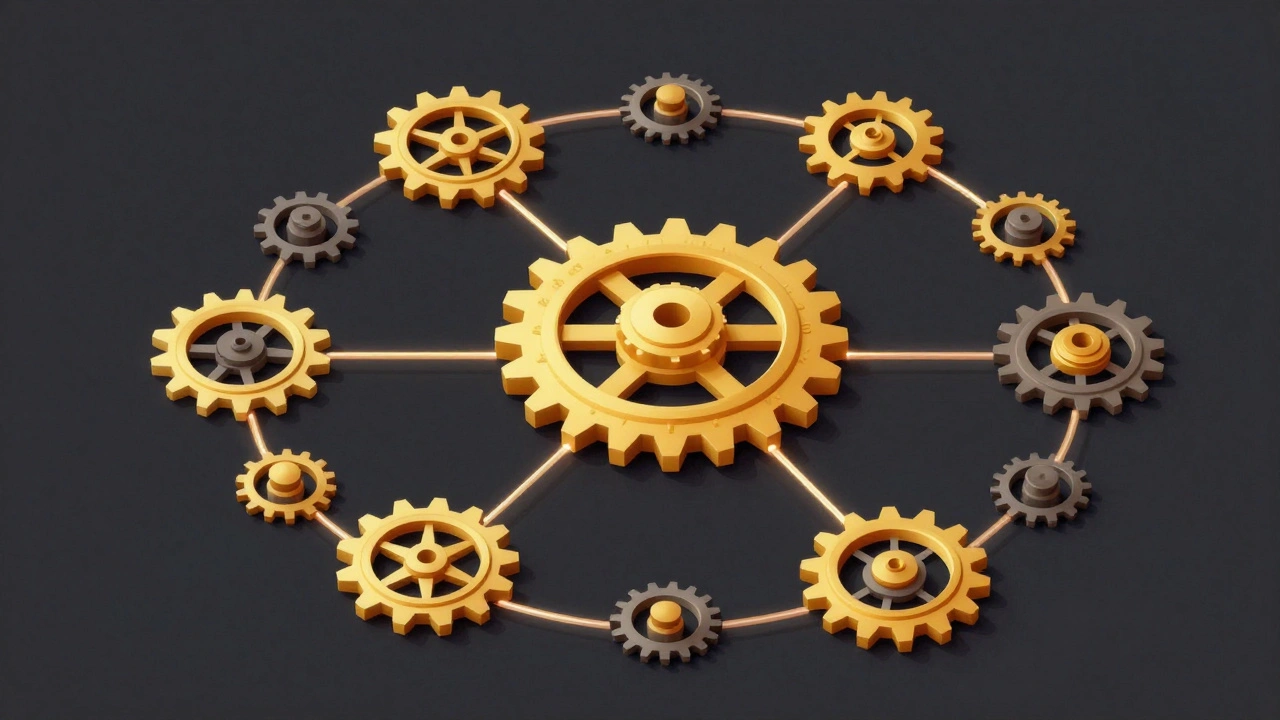
You might wonder how a volunteer group coordinates millions of words. The answer lies in a decentralized yet interconnected structure. Think of WMIL as a hub. Around it are dozens of "spokes"-specialized sub-projects focused on specific eras, regions, or types of warfare.
When an editor wants to improve an article about the Spanish Civil War, they don't start from scratch. They check the WikiProject Spanish Civil War, which operates under the broader umbrella of WMIL. This sub-project inherits general guidelines from the main project but also applies specific rules relevant to that conflict. For example, it might have specialized templates for listing Republican vs. Nationalist forces.
This model allows for deep specialization while maintaining global consistency. A battle in 1944 follows the same structural logic as a skirmish in 1066, even if the details differ wildly. Editors use talk pages-discussion forums attached to each article-to negotiate changes. If two editors disagree on whether a particular regiment was present at a battle, they cite sources, discuss on the talk page, and reach consensus. WMIL provides the tools and etiquette to make this process civil and productive.
Key Tools and Templates
Coordination isn't just about talking; it's about using shared digital infrastructure. WMIL relies heavily on templates and assessment scales to manage quality and scope.
| Scale Level | Description | Example Article Type |
|---|---|---|
| FA (Featured Article) | Top-tier quality, extensively reviewed | Battle of Stalingrad |
| A (A-Class) | High quality, nearly complete | United States Marine Corps |
| GA (Good Article) | Well-written, reliable, but not exhaustive | Korean War |
| C (C-Class) | Decent start, needs expansion | Specific infantry battalion |
| Start | Basic information only | Minor skirmish |
| Stub | Very short, minimal content | Newly created unit page |
These assessments help editors prioritize work. If you're looking to contribute, starting with "Start" or "Stub" articles is often the most impactful way to help. The project also uses navigation boxes (navboxes) to link related articles. For instance, an article on the Normandy Landings will automatically link to D-Day, Operation Overlord, and individual division pages, creating a web of interconnected knowledge.
Handling Bias and Neutrality
Military history is rarely neutral. Nations glorify their victories and minimize their defeats. WMIL tackles this through strict adherence to Neutral Point of View (NPOV), a core policy of Wikipedia. This means presenting all significant viewpoints fairly, without taking sides.
Consider the Russian invasion of Ukraine. Articles must reflect verified data from multiple sources, including international bodies, local reports, and opposing narratives, weighted by reliability. WMIL monitors these articles closely to prevent "edit warring," where users repeatedly overwrite each other to push a preferred narrative. When disputes arise, experienced mediators step in to review sources and enforce policies.
This process requires patience. Editors must learn to distinguish between verifiable facts and interpretive claims. Did a general make a strategic error? That’s debatable. Did his troops retreat on a specific date? That’s a fact. WMIL trains contributors to focus on the latter while carefully attributing the former to reputable historians.
Getting Involved: How You Can Help
You don’t need to be a historian to contribute. Many valuable contributions come from enthusiasts who spot errors, add missing dates, or upload public domain images. Here’s how to get started:
- Create a Wikipedia account and read the Manual of Style for military topics.
- Join the WMIL discussion board to introduce yourself.
- Pick a topic you know well-a local veteran, a specific weapon, or a regional conflict.
- Use existing templates to format your edits consistently.
- Cite every claim with a reliable source, such as academic journals or official archives.
If you’re unsure, ask questions on talk pages. The community generally welcomes good-faith efforts, even if the editing style needs refinement. Remember, Wikipedia is built one edit at a time.
Challenges in Modern Conflict Coverage
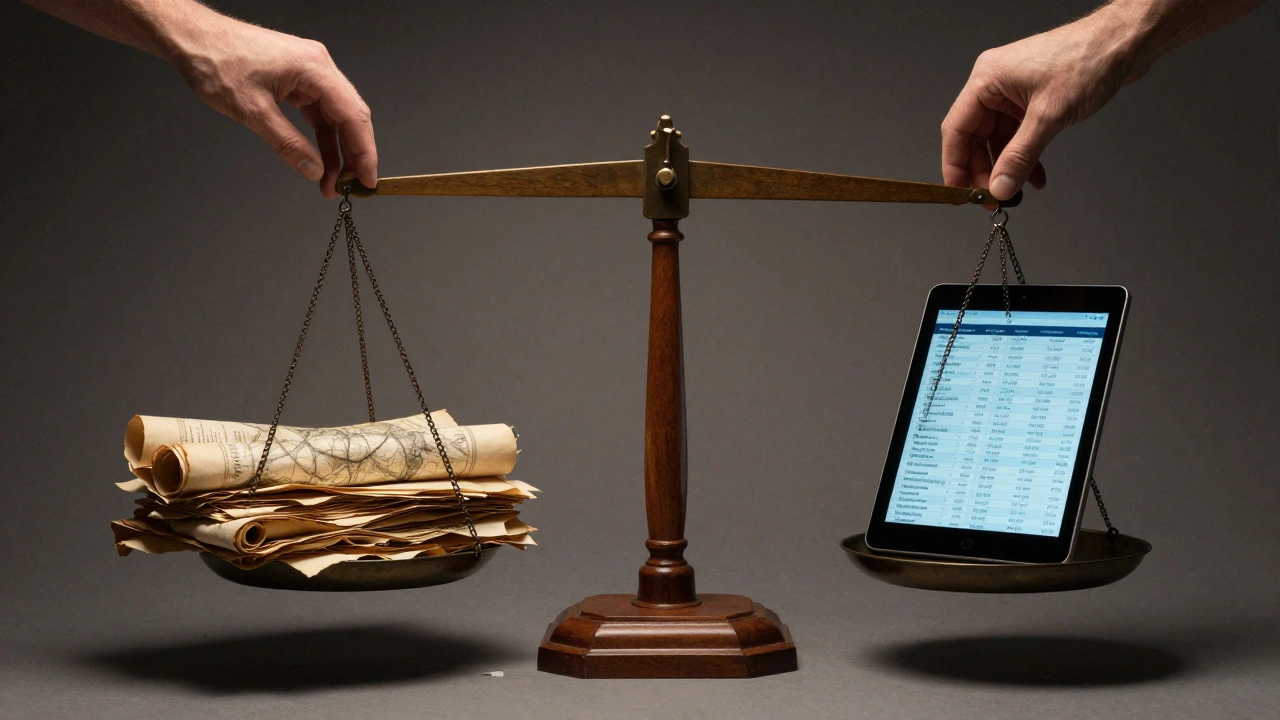
Covering ongoing conflicts presents unique difficulties. Information moves fast, and misinformation spreads faster. WMIL addresses this by encouraging caution with real-time updates. Editors are advised to wait for verification before adding details about troop movements or casualties in active war zones.
Social media adds another layer of complexity. Viral videos can be manipulated or taken out of context. WMIL guidelines emphasize cross-referencing user-generated content with established news outlets or official statements. This slows down publication but ensures accuracy-a trade-off worth making for an encyclopedia.
Additionally, the sheer volume of modern military technology requires constant updating. Drones, cyberwarfare, and AI-driven logistics are evolving rapidly. WMIL recruits specialists in these fields to ensure articles remain current and technically accurate.
The Future of Military History Documentation
As digital archives become more accessible, the potential for comprehensive coverage grows. National libraries and government agencies are digitizing records, making it easier for volunteers to find primary sources. WMIL plans to expand its outreach to include non-English speakers, fostering global collaboration on transnational conflicts.
Artificial intelligence may also play a role in identifying inconsistencies or suggesting sources, though human judgment remains essential for interpreting context. The ultimate aim is to preserve a balanced, detailed record of humanity’s conflicts for future generations.
What is WikiProject Military History?
It is a collaborative effort on English Wikipedia aimed at improving and coordinating articles related to warfare, armed forces, and military strategy. It sets standards for neutrality, sourcing, and structure across all military-related topics.
How do I join WikiProject Military History?
You can join by visiting the project page on Wikipedia, signing up for the mailing list, or participating in discussions on the talk page. No formal application is required; simply start contributing and follow the guidelines.
Why is neutrality important in military history articles?
Military topics often involve national pride and conflicting narratives. Neutrality ensures that all significant perspectives are presented fairly, based on reliable sources, preventing bias and maintaining credibility.
Can I edit articles about ongoing conflicts?
Yes, but with caution. Wikipedia encourages waiting for verification from reputable sources before adding details about active conflicts to avoid spreading misinformation or unverified claims.
What are the assessment levels used by WMIL?
Articles are rated from Stub (minimal content) to Featured Article (top-tier quality). Intermediate levels include Start, C-Class, Good Article, and A-Class, helping editors identify areas needing improvement.