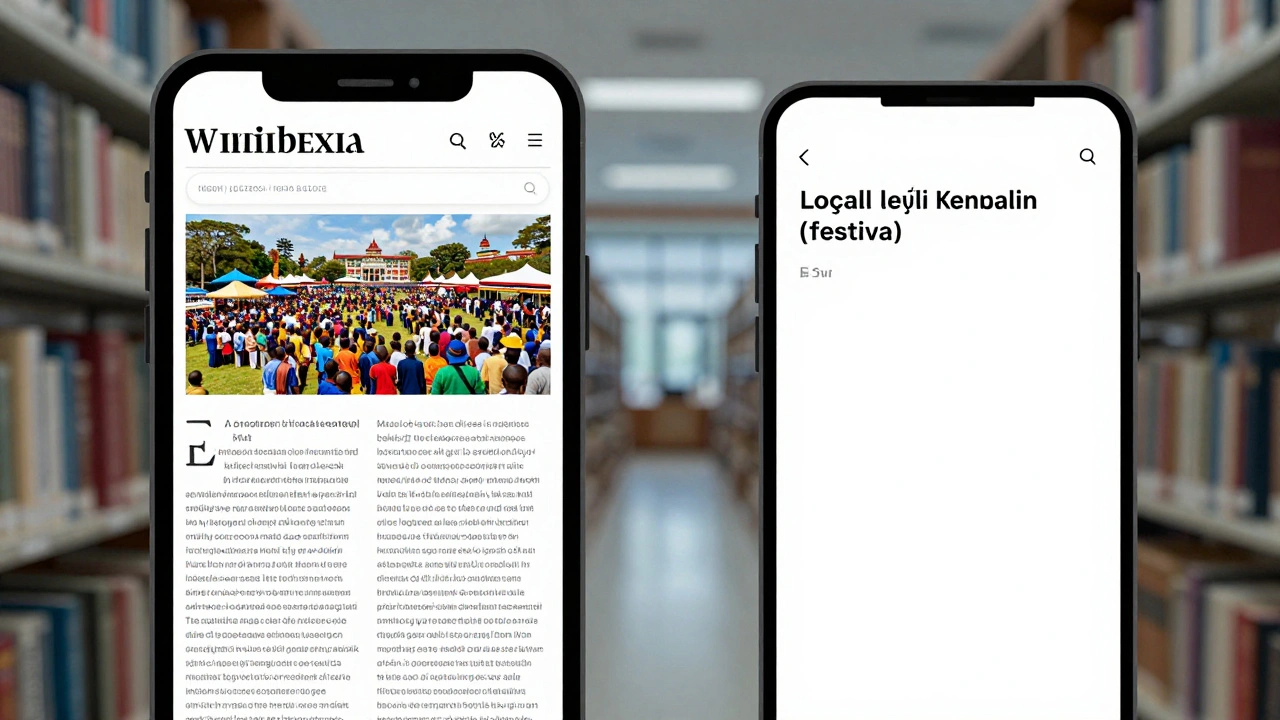
Open Wikipedia is the largest free online encyclopedia, available in over 300 languages on your phone. Type "quantum mechanics" into the search bar. You’ll find a massive, detailed article in English. Switch to the French edition, and it’s still robust. But try searching for a local festival in rural Kenya or a specific architectural style in Southeast Asia? The results might be sparse, missing, or just a stub. This isn’t an accident. It’s a structural feature of how the platform works.
We often assume that information exists equally everywhere. We don't. The reason some topics thrive in specific language editions while others languish has nothing to do with the importance of the subject matter. It comes down to who is writing, what they value, and how the software itself shapes their behavior. If you want to understand why the digital world looks the way it does, you have to look at the invisible forces driving these disparities.
The Power of Critical Mass
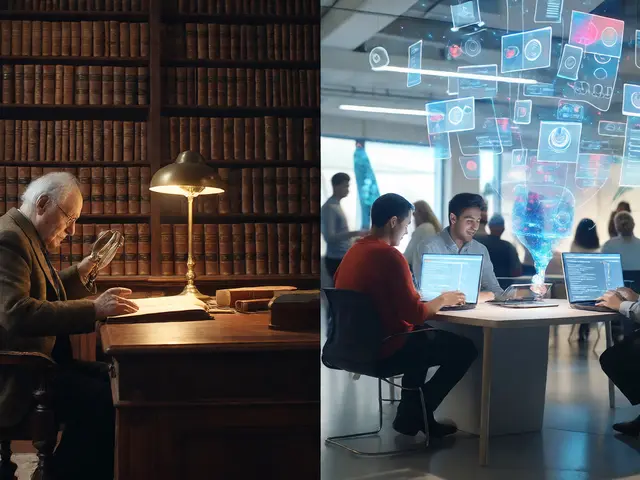
The biggest factor is simple numbers. The English Wikipedia has millions of active editors. The German Wikipedia and Japanese Wikipedia also have large, dedicated communities. When thousands of people are editing every day, niche topics get covered. Someone will write about that obscure 19th-century poet, that small town in Ohio, or that new scientific discovery within hours.
In contrast, smaller language editions struggle with coverage gaps. A language like Swahili or Bengali might have hundreds of thousands of speakers, but only a few hundred active editors. They simply cannot cover everything. They prioritize what matters most to them locally. So, you get great articles on local politics or history, but almost nothing on global pop culture or specialized science. The critical mass determines the breadth of knowledge.
Cultural Bias in Notability
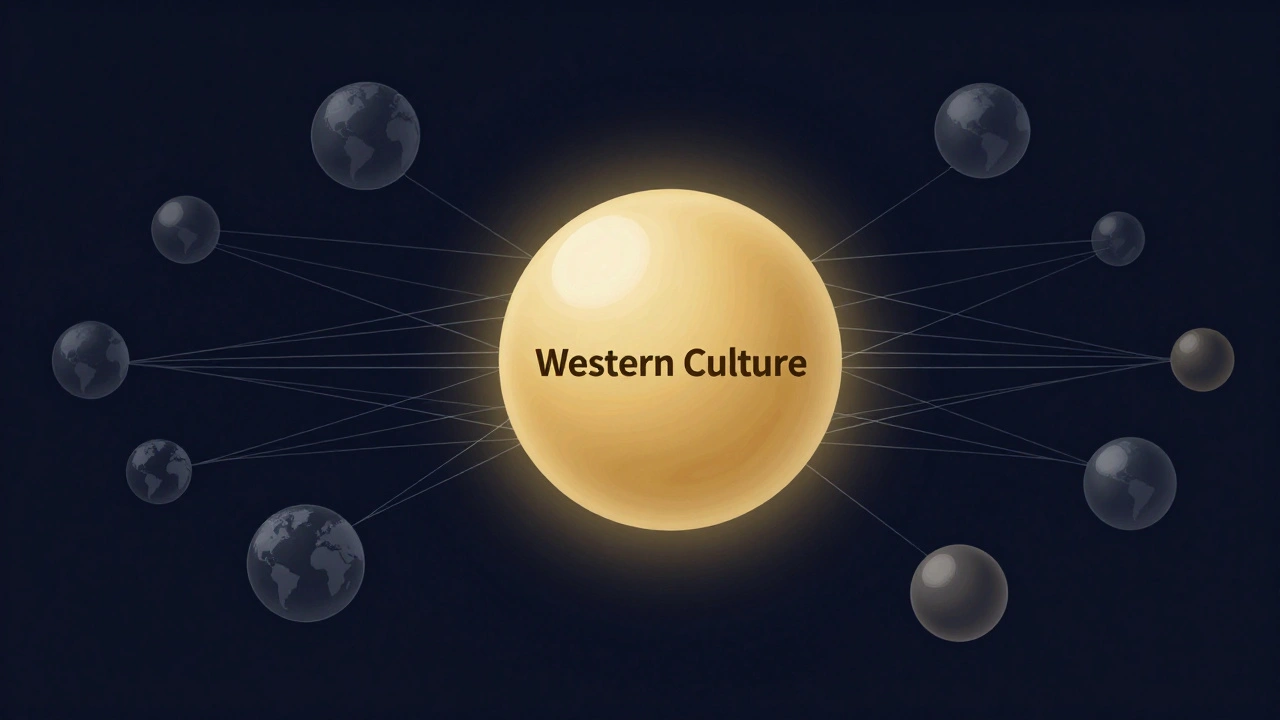
Who decides what is important enough to have an article? The editors. And editors are not neutral observers. They are people with cultural backgrounds. In Western-language Wikipedias, there is a strong bias toward Western culture, academia, and established institutions. A politician from Europe gets a page easily. A community leader in South America might need extensive press coverage to meet the same standards.
This creates a feedback loop. Because Western topics are well-documented, they seem more "notable." Editors cite sources that already exist in English or French. Topics from non-Western regions often lack this secondary literature in those languages, making them harder to verify according to strict rules. The result is a distorted view of reality where some voices are amplified, and others are silenced by bureaucratic hurdles.
The Role of Translation Tools
Technology plays a huge role here. The Translate Wiki extension allows editors to copy articles from one language to another. This helps smaller editions catch up quickly. If a major event happens, like a natural disaster or a political election, translators can bring the information over immediately.
However, translation has limits. It doesn't create original research. It doesn't capture local nuance. An article translated from English to Spanish might miss local idioms or context-specific details. Also, translation relies on the source article being good. If the English article is biased or incomplete, the translated version inherits those flaws. It spreads errors faster than it fixes them.
Editor Demographics and Motivation
Look at who edits Wikipedia. Studies show that the majority of contributors are male, white, and from high-income countries. This demographic skew directly affects content. Men edit more about technology, sports, and military history. Women contribute more to biography, arts, and social issues. When your editor base is homogeneous, your content reflects that homogeneity.
Motivation also varies. Some editors join to learn. Others join to advocate for a cause. In some language editions, editors are highly organized around specific interests, like cinema or biology. These "task forces" drive deep coverage in certain areas while ignoring others. If no one cares about a topic, it stays empty. It’s not malice; it’s just human interest.
Structural Barriers in Small Editions
Smaller language editions face unique challenges. They often lack experienced administrators to manage disputes or delete vandalism. Without strong governance, quality control suffers. New editors might leave if they feel unsupported or attacked. High turnover means knowledge leaves with them.
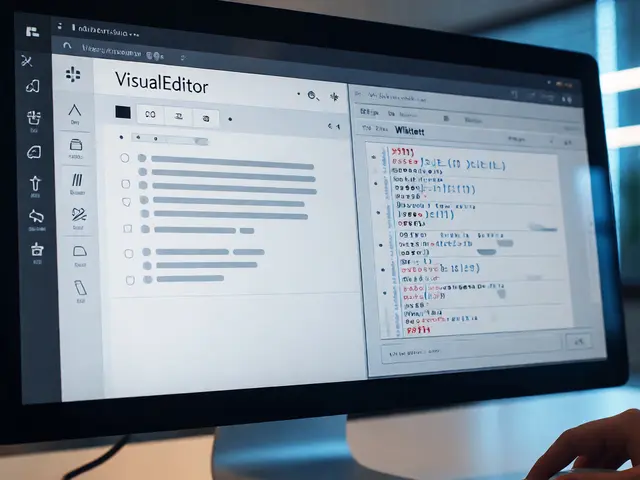
Also, technical barriers exist. Not all interfaces are fully localized. If the editing tools aren't intuitive in your native tongue, fewer people will use them. Accessibility matters. If you can't easily contribute, you won't. This keeps the barrier to entry high for many potential contributors worldwide.
| Language Edition | Approximate Article Count | Primary Strengths | Common Gaps |
|---|---|---|---|
| English | 6.8 million+ | Breadth, Pop Culture, Science | Local non-English contexts |
| German | 2.9 million+ | History, Philosophy, Engineering | Modern Global Trends |
| Japanese | 1.4 million+ | Anime, Manga, Local History | Western Politics |
| French | 2.5 million+ | Literature, Art, European History | African Regional Topics |
| Arabic | 1.1 million+ | Islamic History, Middle East | Global Technology |
How to Fix the Imbalance
Can we fix this? Yes, but it requires effort. The Wikimedia Foundation runs programs to support underrepresented languages. Grants help organize edit-a-thons focused on specific gaps. For example, events encouraging women to write about women, or locals to document their heritage.
You can help too. If you speak multiple languages, translate articles. If you are an expert in a niche field, write clearly and cite reliable sources. Don't assume someone else will cover it. Check the "Missing Articles" list in your preferred language edition. Pick a topic that matters to you. Add depth, not just width. Quality matters more than quantity.
Understanding why some topics thrive and others fail helps us become better readers and writers. It reminds us that Wikipedia is not a static database. It is a living conversation. And right now, many voices are still waiting to be heard.
Why are some Wikipedia articles much longer in other languages?
Length differences usually reflect editorial priorities. German and Japanese editors often prefer comprehensive, detailed encyclopedic entries. English editors tend to favor concise summaries with links to deeper sources. Cultural norms around writing style play a big role.
Is the English Wikipedia biased?
Yes, it has known biases. It leans heavily toward Western perspectives, male viewpoints, and well-funded subjects. While policies aim for neutrality, the human element introduces systemic skews that affect which topics get coverage and how they are framed.
How can I help improve my local language Wikipedia?
Start by creating accounts and learning the guidelines. Participate in local edit-a-thons. Translate high-quality articles from larger editions. Focus on topics relevant to your community that are currently missing. Consistency builds trust and improves overall quality.
What causes content gaps in smaller language editions?
Small editor pools, lack of administrative support, and limited access to reliable sources in those languages. Without enough people to maintain and expand content, gaps remain unfilled. Technical barriers and low motivation also contribute significantly.
Does translation solve the problem of unequal coverage?
Translation helps spread existing knowledge but doesn't create new local insights. It can also propagate biases from the source language. Original contributions are needed to fill true gaps and provide authentic local context that translations miss.