When a public figure dies, the rush to update their Wikipedia is the largest free online encyclopedia edited by volunteers worldwide page is immediate. In 2025, this process became more structured, less chaotic, and ethically complex than ever before. The platform now relies on stricter verification protocols, new software tools, and a refined understanding of privacy rights for the deceased. This shift isn't just about accuracy; it's about respecting the dignity of individuals while maintaining the integrity of a global knowledge base.
The way we document lives-and deaths-online has evolved. Gone are the days when unverified rumors could stick simply because they were posted first. Today, editors must navigate a maze of policies designed to prevent vandalism, protect privacy, and ensure that every claim is backed by reliable sources. But how does this actually work behind the scenes? And what ethical dilemmas arise when thousands of strangers edit a person’s final chapter?
The Core Policy: Biographies of Living Persons (BLP)
At the heart of Wikipedia’s approach to deaths is its Biographies of Living Persons policy is a strict guideline requiring neutral, verifiable information for living people. Even after someone passes away, this policy remains influential. Why? Because many details surrounding a death-cause, location, circumstances-are often initially reported as if the person were still alive. Editors must treat these sections with extreme caution until official confirmation arrives.
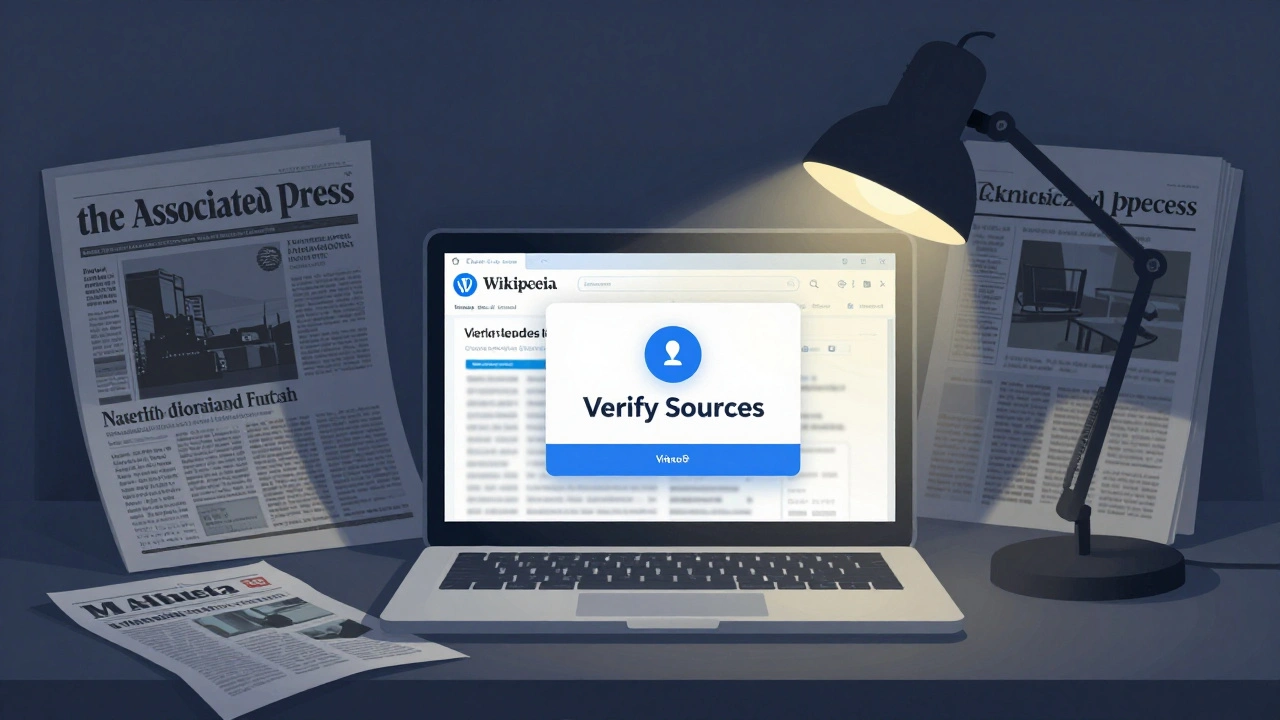
In 2025, the enforcement of BLP tightened significantly. Any article discussing a recent death undergoes automatic scrutiny. If an editor adds speculative content-like “suspected overdose” without medical reports-the change is quickly reverted. The community prioritizes reliability over speed. A headline from a tabloid doesn’t cut it. You need a statement from a coroner, a hospital release, or a reputable news outlet like the Associated Press.
This isn’t bureaucracy for the sake of control. It’s protection against harm. Imagine editing a page during a crisis where misinformation spreads faster than facts. One wrong word can damage reputations, mislead grieving families, or even incite panic. By sticking to verified sources, Wikipedia ensures that its entries remain trustworthy anchors in a sea of noise.
Introducing the GEDCOM Standard for Death Records
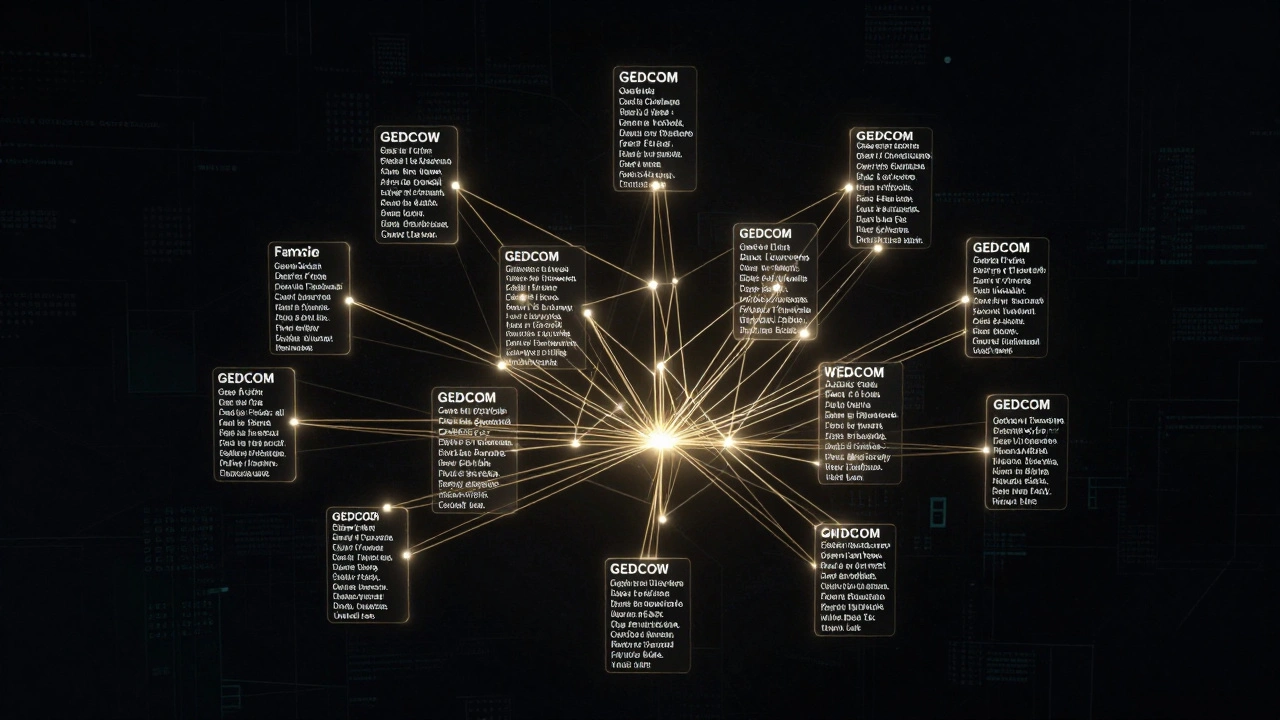
A major development in 2025 was the integration of GEDCOM is a file format used to exchange genealogical data between software applications standards into Wikipedia’s backend systems. Originally designed for family trees, GEDCOM now helps structure death-related data across articles. This means dates, places, and causes of death aren’t just text-they’re tagged entities linked to broader datasets.
For example, when you read that a celebrity died in Los Angeles, California, that location is no longer just words. It’s connected to geographic databases, allowing readers to explore related events or cross-reference other deaths in the same area. Similarly, cause-of-death fields pull from standardized medical classifications, reducing ambiguity. Instead of vague terms like “natural causes,” editors use precise codes aligned with international health records.
This structural upgrade makes Wikipedia smarter. Machines can parse the data better, researchers can analyze trends, and users get clearer answers. But it also raises questions: Who decides which data gets included? How do we handle discrepancies between different sources? These challenges force the community to rethink how much detail belongs in an encyclopedia versus a personal memorial.
Privacy Rights and the Right to Be Forgotten
One of the biggest ethical debates in 2025 revolves around privacy. Does a dead person have a right to be forgotten? Not exactly-but there are limits. Wikipedia allows removal of sensitive information under certain conditions. For instance, if a non-public figure dies unexpectedly, their next of kin may request deletion of private details like home addresses or medical histories. However, factual events-such as being named in a court case-usually stay unless proven false.
The European Union’s General Data Protection Regulation (GDPR) plays a role here too. While GDPR primarily applies to living individuals, some argue its principles should extend posthumously. In practice, Wikipedia balances legal obligations with editorial judgment. Editors consult lawyers, review local laws, and sometimes delay updates until clarity emerges. This cautious approach protects both the platform and the subjects involved.
Consider a high-profile suicide. Should the method be listed? Often, yes-if confirmed by authorities. But if the family objects strongly, editors might soften the language or omit specifics altogether. The goal isn’t censorship; it’s compassion. We want to inform without exploiting tragedy.
Vandalism Prevention During High-Profile Deaths
High-profile deaths attract attention-and troublemakers. When a famous actor or politician passes away, trolls flood their pages with jokes, fake quotes, or malicious edits. To combat this, Wikipedia uses automated filters and human oversight. In 2025, artificial intelligence tools flagged suspicious changes within seconds, alerting trusted editors to intervene.
These bots don’t replace humans; they assist them. An AI might detect unusual patterns, like multiple edits coming from one IP address shortly after a breaking news story. Then, experienced volunteers step in to verify legitimacy. They check timestamps, compare revisions, and revert anything questionable. This layered defense keeps pages stable during turbulent moments.
Still, mistakes happen. Sometimes good-faith edits get caught in the net. That’s why transparency matters. Every action leaves a traceable log, so anyone can see who changed what and why. If you disagree with a decision, you can appeal through discussion pages. Open dialogue builds trust-even amid conflict.
Community Guidelines and Ethical Editing Practices
Beyond rules and tech, culture shapes how Wikipedia handles deaths. Longtime editors share unwritten norms: respect grief, avoid sensationalism, prioritize context. Newcomers learn these lessons through mentorship programs and training modules introduced in early 2025. These resources teach not only technical skills but also empathy.
Take the case of a young activist killed in protest. Their page shouldn’t reduce them to statistics. It should highlight their contributions, quote peers, and link to movements they inspired. Editors strive for balance-acknowledging loss while celebrating impact. This mindset transforms cold facts into meaningful narratives.
Yet tensions persist. Some believe stricter controls stifle freedom of expression. Others worry leniency invites abuse. Finding middle ground requires constant negotiation. Regular town halls, surveys, and feedback loops help refine practices based on real-world experiences.
| Policy Name | Purpose | Enforcement Level | Notable Changes in 2025 |
|---|---|---|---|
| Biographies of Living Persons (BLP) | Ensure neutrality and verification for living/deceased figures | High | Tighter source requirements; expanded definition of “recently deceased” |
| Verifiability | Mandate citations for all claims | Moderate | New emphasis on primary vs secondary sources for death details |
| Neutral Point of View (NPOV) | Present balanced perspectives | Medium | Guidance added for handling controversial causes of death |
| Privacy Concerns | Protect sensitive personal info | Variable | Clarified exceptions for public interest cases |
Real-World Examples: Lessons Learned
Let’s look at actual scenarios from 2025. First, the sudden passing of a beloved musician sparked widespread speculation online. Within hours, his Wikipedia page featured dozens of unconfirmed theories-from illness to foul play. Trusted editors stepped in, locking the section temporarily until official statements emerged. Once released, they updated the entry carefully, citing hospital records and police reports. Result: accurate, respectful coverage.
Second, consider a lesser-known author whose death went largely unnoticed outside literary circles. Her family requested removal of unpublished manuscript titles mentioned in her bio. After reviewing copyright implications, editors agreed to remove those references, keeping focus on published works instead. This compromise honored privacy while preserving historical value.
Finally, a political leader’s assassination led to heated debates among contributors. Some wanted detailed timelines; others feared glorifying violence. Ultimately, the team chose concise summaries sourced from government investigations, avoiding graphic descriptions entirely. Readers gained essential context without unnecessary distress.
Looking Ahead: Future Challenges
As technology advances, so will expectations. Voice assistants, augmented reality, and blockchain verification could reshape how we access biographical data. Will Wikipedia adapt accordingly? Likely yes-but cautiously. Each innovation brings opportunities and risks. Maintaining quality amidst rapid change demands vigilance.
Moreover, cultural shifts influence priorities. Younger generations expect immediacy, demanding instant updates regardless of verification status. Balancing urgency with accuracy remains tricky. Education initiatives targeting teens and young adults may bridge gaps, fostering responsible participation early on.
Ultimately, curating deaths online isn’t just about managing information-it’s about honoring humanity. Every edit reflects values: truth, fairness, kindness. As long as communities uphold these ideals, Wikipedia will continue serving as a beacon of reliable knowledge, even in our darkest hours.
Can I edit a Wikipedia page immediately after someone dies?
Yes, but proceed cautiously. Wait for official confirmations before adding details. Use only reputable sources like major news outlets or government statements. Avoid speculation or emotional language.
What happens if I add incorrect information about a death?
Other editors will likely correct or revert your changes quickly. Repeated violations might result in warnings or temporary bans. Always double-check facts before submitting edits.
Is it okay to include cause of death if it wasn’t publicly announced?
No. Only include causes confirmed by authoritative sources such as hospitals, coroners, or law enforcement agencies. Unverified rumors violate Wikipedia’s verifiability policy.
How does Wikipedia handle requests from families to remove private information?
Requests are evaluated individually. Sensitive data like addresses or medical histories may be removed upon valid justification. Public records or notable achievements typically remain unchanged.
Why did Wikipedia adopt the GEDCOM standard in 2025?
To improve organization and accessibility of death-related data. Structured tagging enables better machine readability, facilitates research, and reduces inconsistencies across articles.
Are there penalties for vandalizing death-related Wikipedia pages?
Yes. Persistent vandals face account blocks or IP restrictions. Severe cases involving harassment or defamation could lead to legal action depending on jurisdiction.
Does Wikipedia allow anonymous edits during sensitive periods?
Technically yes, though discouraged. Anonymous edits undergo heightened scrutiny. Creating an account provides accountability and improves chances of acceptance.
What defines a 'reliable source' for death documentation?
Sources include established newspapers, academic journals, official government releases, and recognized broadcasting networks. Social media posts, blogs, and self-published materials generally lack credibility.
How long does it take for a death notice to appear on Wikipedia?
Timing varies. Highly visible figures may see updates within minutes. Lesser-known individuals might require days or weeks due to slower discovery processes and limited sourcing options.
Can I suggest improvements to Wikipedia’s death curation policies?
Absolutely! Engage via discussion pages, attend virtual meetings, or submit formal proposals. Community input drives continuous enhancement of guidelines and procedures.