When you type a question into Wikipedia is the largest free online encyclopedia in the world, powered by volunteer editors who create and maintain articles across hundreds of languages., you are trusting information written by strangers. But who are these strangers? For years, the common assumption was that Wikipedia editors were mostly white, male, and from North America or Europe. While early data supported this, the reality is far more complex-and constantly shifting. The face of the Wikimedia community changes depending on which language edition you look at.
The short answer is that Wikipedia’s editor base is diverse, but not equally so across all languages. English Wikipedia still skews toward Western demographics, but editions like Arabic, Hindi, and Vietnamese have radically different contributor profiles. Understanding Wikipedia demographics isn’t just an academic exercise; it reveals whose stories get told, whose biases shape our collective knowledge, and where the gaps in global understanding lie.
The Myth of the "White Male" Editor
If you read about Wikipedia’s demographics five years ago, you’d hear a lot about the "gender gap." Studies from the Wikimedia Foundation is the non-profit organization that hosts Wikipedia and other free knowledge projects, advocating for neutral, accessible information worldwide. consistently showed that only about 15-20% of active editors identified as women. This imbalance created blind spots. Topics related to female history, domestic life, or gender-specific health issues often lacked depth compared to military history or sports.
However, focusing solely on gender misses the bigger picture: geography. The "white male" stereotype largely applies to English Wikipedia. Even within the English edition, the demographic mix has shifted. More contributors from India, Nigeria, and Brazil are now active, bringing local perspectives to global topics. But when you step outside English, the entire narrative flips.
Language Editions Reveal Local Realities
Wikipedia exists in over 300 languages. Each language edition acts as a mirror to its own cultural context. Let’s look at how Arabic Wikipedia is the Arabic-language version of Wikipedia, one of the fastest-growing editions with a significant number of young, tech-savvy contributors from the Middle East and North Africa. differs from its English counterpart.
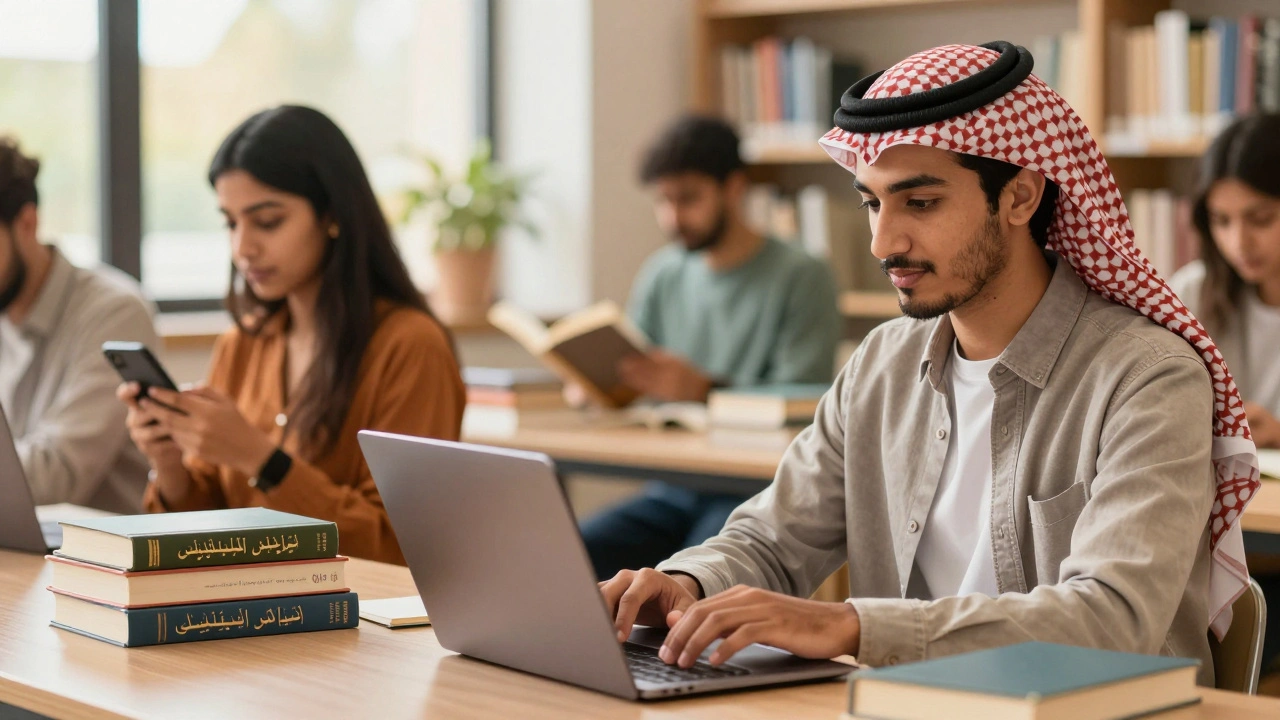
In the Arab world, Wikipedia editing is often driven by university students and young professionals passionate about preserving local heritage. Unlike the English edition, where many editors treat contributing as a hobby, Arabic editors frequently view their work as a civic duty. They are filling gaps left by colonial-era encyclopedias that ignored regional history. As a result, Arabic Wikipedia has robust coverage of Islamic history, regional politics, and local literature-areas that were previously underrepresented in global knowledge bases.
Similarly, Hindi Wikipedia is the Hindi-language version of Wikipedia, serving millions of Indian readers and growing rapidly due to increased internet penetration and mobile access in South Asia. has seen explosive growth. With India’s digital boom, thousands of new editors joined during the pandemic. Many are rural users accessing the platform via smartphones. These contributors bring hyper-local knowledge about Indian villages, regional festivals, and indigenous practices that would never make it onto English Wikipedia.
| Language Edition | Primary Contributor Base | Key Focus Areas | Growth Driver |
|---|---|---|---|
| English | Western-educated, urban males (shifting) | Global news, technology, pop culture | Established user base |
| Arabic | Youth, students, academics | Regional history, religion, politics | Cultural preservation efforts |
| Hindi | Rural and semi-urban users | Local governance, agriculture, folklore | Mobile internet expansion |
| Vietnamese | Tech enthusiasts, government-affiliated editors | National history, science, education | State-supported digitization |
| German | Academics, librarians, retirees | Philosophy, arts, detailed technical specs | High literacy and trust in institutions |
Why Geography Matters More Than Gender
We often fixate on the gender gap because it’s easy to measure. But geographic bias is harder to quantify and arguably more impactful. If 80% of your editors live in the Global North, then 80% of the sources you cite will come from the Global North. This creates a feedback loop where Western viewpoints dominate even "neutral" topics.
Consider the article on a conflict in Central Africa. An editor from London might rely on Reuters or BBC reports. An editor from Kinshasa might cite local radio transcripts, oral histories, and government documents unavailable in English. Both are valid, but only one offers ground-level nuance. When Vietnamese Wikipedia is the Vietnamese-language version of Wikipedia, known for its high-quality content in history and science, often supported by state-aligned educational initiatives. editors contribute, they prioritize national archives and scholarly journals from Hanoi. This doesn’t mean their content is biased-it means it’s contextual. Diversity of location ensures diversity of perspective.
This is why initiatives like Wiki Loves Monuments is a global photo competition organized by the Wikimedia community to document cultural heritage sites, encouraging local participation and visual documentation. matter. By inviting people to photograph landmarks in their own towns, these projects draw in contributors who wouldn’t otherwise edit text-based articles. A farmer in Peru documenting an Inca ruin becomes an expert contributor overnight.
The Role of Mobile Access and Youth
Access determines participation. In 2026, most Wikipedia edits don’t happen on desktop computers. They happen on smartphones. This shift has democratized editing in ways we didn’t expect ten years ago. Young people in Southeast Asia, Latin America, and Sub-Saharan Africa use Wikipedia as a study tool first and a contribution platform second.
Students in Kenya, for example, often edit articles related to their coursework. If a biology student finds an error in a species description, they correct it. This "edit-as-you-learn" model brings in fresh, educated voices who may not identify as "Wikipedians" but act as custodians of accuracy. These users are less likely to engage in long-standing community debates and more likely to focus on factual precision.
Moreover, social media integration has changed recruitment. TikTok and Instagram influencers sometimes encourage followers to verify facts on Wikipedia. This casual entry point attracts younger, more diverse demographics who see editing as a quick way to participate in digital culture rather than a serious academic endeavor.
Bias in Content: What Gets Written?
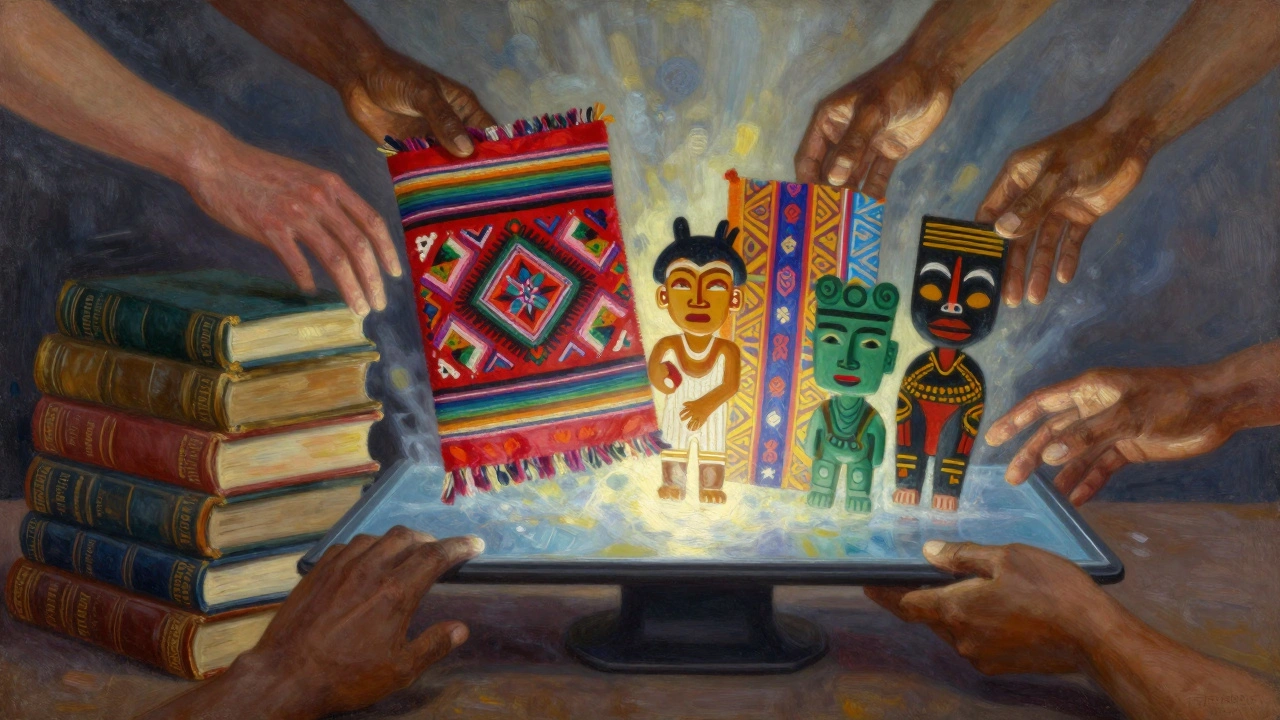
Who writes determines what gets written. This is the core issue behind demographic research. When editors share similar backgrounds, they share similar blind spots. For instance, English Wikipedia historically had extensive coverage of video games but sparse coverage of traditional crafts. Why? Because the dominant editor base valued gaming culture more highly.
As the contributor base diversifies, content balances out. We’ve seen surges in articles about:
- Indigenous languages: Editors speaking endangered tongues create vocabulary lists and grammar guides.
- Women scientists: Female-led edit-a-thons have filled thousands of biographical gaps.
- Local cuisine: Regional food traditions are documented with recipes and historical context.
Yet, structural barriers remain. New editors from non-Western countries often face harsher scrutiny when citing local sources. A Nigerian newspaper might be deemed "not reliable" by an editor in Berlin, while a minor blog post from California is accepted without question. This systemic bias discourages diverse contributions and reinforces existing power structures.
How You Can Help Balance the Scale
You don’t need to be an expert to influence Wikipedia’s demographics. Every edit counts. Here’s how you can contribute meaningfully:
- Edit what you know: Are you from a small town? Add details about its history, landmarks, or notable residents. Local knowledge is gold.
- Translate, don’t just copy: If you speak two languages, translate articles from your native language to English-or vice versa. Ensure nuances are preserved.
- Cite local sources: Use newspapers, university repositories, and government websites from your region. Challenge the notion that only Western sources are valid.
- Mentor newcomers: If you’re experienced, welcome new editors warmly. Harassment drives away diverse voices faster than anything else.
The goal isn’t to erase individuality but to ensure representation. When a teenager in Jakarta edits an article about Indonesian batik, she adds value no one else can provide. That’s the future of Wikipedia-not a monolithic voice, but a chorus of many.
Are Wikipedia editors mostly men?
Historically, yes. Data suggests that around 80-85% of active Wikipedia editors identify as male, particularly in English-language editions. However, this ratio varies significantly by language. Some non-English editions have higher female participation rates due to targeted outreach programs and cultural differences in online engagement.
Which country has the most Wikipedia editors?
The United States has the largest number of active editors, followed closely by Germany, Japan, and Russia. However, if you count unique IP addresses or potential contributors, countries like India and Indonesia are catching up rapidly due to mobile internet growth.
Is Wikipedia biased towards Western viewpoints?
Yes, especially in the English edition. Since most editors and sources come from Western countries, topics related to Europe and North America receive more detailed coverage. Articles about Africa, Asia, and Latin America often lack depth unless local editors actively contribute. This is known as "geographic bias" and is a major focus of current improvement efforts.
Can anyone edit Wikipedia?
Technically, yes. Anyone with internet access can create an account and start editing. However, certain pages are protected from anonymous edits to prevent vandalism. New users may also face learning curves regarding citation standards and community guidelines, which can feel intimidating.
How does Wikipedia handle conflicting cultural perspectives?
Wikipedia relies on the principle of "Neutral Point of View" (NPOV). This means articles should present all significant published viewpoints fairly, without taking sides. When conflicts arise, editors discuss them on talk pages and vote on consensus. Ideally, diverse editor bases help ensure multiple perspectives are included naturally.