Wikipedia is supposed to be the free encyclopedia anyone can edit. But behind the scenes, some of its most visible contributors have been banned-not for making mistakes, but for breaking the rules in ways that shook the community. These aren’t random users. They’re administrators, longtime editors, and even former stewards who once helped shape how Wikipedia works. And when they got banned, it wasn’t quiet. The community erupted. The media picked it up. And questions started flying: What exactly did they do?
Who Gets Banned on Wikipedia?
Wikipedia doesn’t ban people for being wrong. It bans them for being disruptive. A single bad edit? Revert it. A pattern of bias? Talk it out. But when someone crosses into harassment, sockpuppeting, or abuse of power, the community has a system to shut it down. The most serious cases involve editors who used their admin tools to silence critics, manipulate consensus, or push personal agendas under the guise of neutrality.
One of the most famous cases was that of James Heilman, a Canadian emergency physician and longtime Wikipedia administrator who was banned in 2018 after a lengthy investigation found he had used multiple accounts to vote in arbitration cases and pressured other editors to support his views. Heilman wasn’t banned because he edited medical articles too aggressively-he was banned because he turned Wikipedia’s consensus process into a tool for control.
The Sockpuppeting Scandals
Sockpuppeting-using fake accounts to manipulate discussions-is one of the quickest ways to get banned. It’s not just cheating. It’s lying to the community. And when big names get caught, it’s a massive blow to trust.
In 2017, a user known as “Village Idiot”, a prolific editor on English Wikipedia with over 500,000 edits, was revealed to be operating dozens of sockpuppet accounts to influence deletion debates and arbitration outcomes. The investigation uncovered that he had created accounts to vote on articles he wanted to keep, then used other accounts to argue against deletion. When the trail was traced, he was banned permanently. His case was so detailed that Wikipedia’s Arbitration Committee published a 30-page report, one of the longest in its history.
Another high-profile case involved “Smerdis of Tlön”, a pseudonymous editor who operated under multiple identities to dominate discussions on controversial topics like religion and politics. He wasn’t just editing-he was orchestrating campaigns, recruiting allies, and burying dissent. When his network was exposed, over 20 accounts were blocked, and he was banned from editing any Wikipedia project.
Abuse of Admin Powers
Wikipedia admins have special tools: they can block users, delete pages, and protect articles. But those tools aren’t meant to be weapons. When editors use them to punish rivals or protect their own content, it breaks the system.
In 2020, “Binksternet”, a long-time administrator known for his work on U.S. politics articles, was found to have repeatedly used his blocking power against editors who criticized his edits. He didn’t just block them-he blocked them for days, sometimes weeks, without clear justification. When users complained, he’d argue they were “disruptive.” The community investigated and found a pattern: every time someone challenged his version of history, they got blocked. He was stripped of admin rights and banned for six months. He returned after the ban, but his influence never recovered.
Another case involved “Carcharoth”, a former administrator who used his ability to protect pages to lock out editors who tried to correct misinformation about a controversial political figure. He didn’t delete the false content-he just prevented anyone from touching it. When others reported him, the Arbitration Committee found he had protected over 150 articles in a single year, mostly on politically sensitive topics. He was banned permanently.
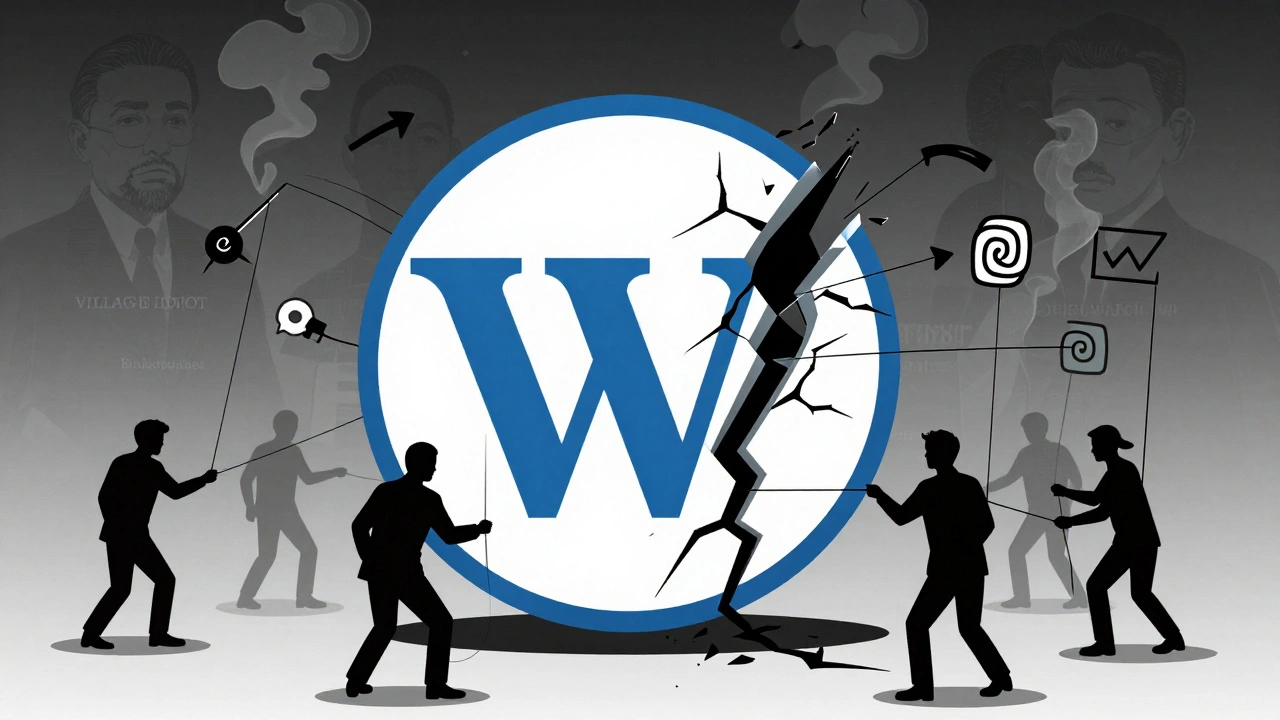
Conflict of Interest and Paid Editing
Wikipedia’s policy is clear: don’t edit articles about yourself, your company, or your clients. But some editors treat Wikipedia like a public relations tool.
In 2019, a group of editors linked to a PR firm were caught creating and editing articles for corporate clients. One of them, “Ravenswood”, a former Wikipedia administrator, was found to have written glowing articles for tech startups while hiding his financial ties. He even used sockpuppets to defend those articles when they were flagged for bias. The case led to a major overhaul of how Wikipedia detects paid editing. Ravenswood was banned for life.
Even more shocking was the case of “The Credible Hulk”, a user who edited articles about U.S. politicians while working as a campaign staffer. He didn’t just tweak wording-he rewrote entire sections to remove negative coverage and amplify favorable quotes. When a journalist uncovered his identity, the backlash was immediate. He was banned, and Wikipedia introduced stricter disclosure rules for political editors.
Why These Bans Matter
These aren’t just about punishing bad behavior. They’re about protecting the credibility of Wikipedia itself. When users see that even top editors can be banned for abuse, it sends a message: no one is above the rules. That’s why these cases are documented in detail. The community doesn’t just want to remove bad actors-it wants to show how the system works when it’s functioning correctly.
Wikipedia’s strength isn’t in its perfect edits. It’s in its ability to self-correct. When a powerful editor breaks the rules, the system doesn’t ignore it. It investigates. It documents. And if the evidence is clear, it removes them-even if they’ve been editing since 2005.
That’s why Wikipedia still has trust. Not because everyone agrees on every fact, but because the process is transparent. You can read the arbitration decisions. You can see the evidence. You can follow the logic. And if you think the system got it wrong? You can appeal.
What Happens After a Ban?
Most bans aren’t forever. Many are temporary-six months, a year, sometimes two. But permanent bans are reserved for repeat offenders or those who show no remorse. Some banned editors try to return under new accounts. That’s almost always caught. The system tracks editing patterns, language quirks, and even the time of day someone edits.
Some banned editors go on to start their own wikis. Others disappear. A few write books or give interviews about their experience. But none of them can ever edit Wikipedia again without risking a legal notice or IP block.
The most ironic twist? Many of these banned editors were once praised as the backbone of Wikipedia. They helped build the guidelines they later broke. That’s what makes their falls so dramatic. They didn’t fail because they didn’t know the rules. They failed because they thought they were above them.
How Wikipedia Prevents Future Abuse
Since these high-profile bans, Wikipedia has made changes to reduce the chance of recurrence:
- Stricter monitoring of admin actions through automated tools that flag repeated blocks or protections
- Anonymous reporting channels for editors who fear retaliation
- Public logs of all arbitration cases, now searchable and indexed
- Training modules for new admins that emphasize ethical use of power
- Regular audits of top editors’ activity by independent volunteers
Wikipedia’s model is open, but it’s not lawless. It’s a community that polices itself-sometimes harshly, sometimes slowly, but always with public records.
Can You Still Trust Wikipedia?
Yes. Not because it’s perfect, but because it’s honest about its flaws. When a high-profile editor is banned, Wikipedia doesn’t hide it. It publishes the report. It explains the evidence. It invites scrutiny. That’s the opposite of how most institutions handle scandals.
If you’re reading a Wikipedia article and you’re skeptical, check the talk page. Check the edit history. Look for the discussion around controversial changes. You’ll often find the truth-not because it’s written in bold, but because it’s been argued over, debated, and verified by dozens of people who have no stake in the outcome.
That’s the real power of Wikipedia. It’s not the experts who make it work. It’s the people who care enough to call out the ones who don’t.
Can a banned Wikipedia editor ever return?
Yes, but only if the ban is temporary and the editor demonstrates genuine change. Permanent bans are for severe or repeated violations. Even with temporary bans, editors must apply for reinstatement and prove they understand the rules. Many are denied.
How does Wikipedia detect sockpuppet accounts?
Wikipedia uses automated tools that analyze editing patterns, IP addresses, language use, timing, and even typing speed. Volunteers also manually compare writing styles. If multiple accounts show identical behavior-like always editing the same topic at 3 a.m. or using the same phrases-they’re flagged for review.
Are Wikipedia bans legally binding?
No. Wikipedia bans are community-enforced, not legal. But if a banned user ignores the ban and continues editing, Wikipedia can block their IP address or request their ISP to intervene. In extreme cases, legal action has been taken against users who harassed staff or violated copyright.
Do Wikipedia bans affect a person’s real-life reputation?
Sometimes. High-profile bans are covered by media outlets like The Guardian, Wired, and The New York Times. For people who built careers around Wikipedia-like academics or journalists-their public reputation can suffer. But for most editors, it’s a quiet loss: they lose access to a platform they loved, but no one else notices.
Why doesn’t Wikipedia just delete controversial articles instead of banning editors?
Because Wikipedia’s goal isn’t to avoid controversy-it’s to document it fairly. Deleting articles would erase history. Banning editors who manipulate content preserves the truth: the article exists, but the bad actors don’t get to control it. The system values transparency over comfort.
What’s Next for Wikipedia’s Moderation?
Wikipedia is under pressure to modernize. As AI-generated content floods the web, the site is testing tools to detect synthetic edits. It’s also exploring ways to better support new editors so they don’t feel pushed out by veteran factions.
But the core principle remains: no one gets special treatment. Not because they’re famous. Not because they’ve edited for 20 years. Not because they work at a university or write for a major outlet. If you break the rules, you’re subject to the same process as the person who made their first edit yesterday.
That’s why Wikipedia still works. Not because it’s flawless. But because it holds itself accountable.