Ever tried to create a Wikipedia page for your nonprofit, startup, or local group - only to get it deleted? You’re not alone. Thousands of organization pages get flagged for lack of notability every year. The problem isn’t always that the organization is unimportant. It’s that Wikipedia doesn’t care about importance - it cares about verifiable coverage. If you want your organization to stay on Wikipedia, you need to understand exactly what counts - and what doesn’t.
What Does Notability Actually Mean?
Notability on Wikipedia isn’t about how big, popular, or well-meaning an organization is. It’s about whether independent sources have written about it in enough detail to prove it’s noteworthy. Think of it like this: a local bakery that’s been around for 30 years and feeds 200 people a day might be loved by the community. But if no newspaper, magazine, or academic journal has ever written a feature on it, Wikipedia won’t consider it notable.The official guideline is called WP:ORG, and it’s built on one core principle: reliable, independent sources. These are outlets that aren’t owned or controlled by the organization. That means press releases, websites, social media, and internal newsletters don’t count. You need third-party coverage - journalism, scholarly analysis, or official reports from credible institutions.
The Two Main Paths to Notability
There are two clear ways an organization can meet Wikipedia’s notability standard. Neither is vague. Both require concrete proof.- Significant coverage in reliable sources - at least two independent, non-trivial articles that focus on the organization itself, not just mention it in passing. These articles must be published in reputable outlets like newspapers, magazines, academic journals, or major online news sites. A single sentence in a local event listing doesn’t count. A 500-word investigative piece in the Wall Street Journal does.
- Being a subsidiary of a notable parent - if your organization is part of a larger, well-documented entity (like a university, government agency, or publicly traded company), it might inherit notability. But even then, you need to show that the subsidiary has its own distinct identity and has been covered separately.
Let’s break this down with real examples.
Case Example 1: The Greenfield Community Food Bank
This nonprofit in rural Wisconsin feeds 12,000 people annually. It runs three food pantries, a mobile kitchen, and a nutrition education program. It’s funded by grants and local donations. Sounds worthy, right? But when its founder tried to create a Wikipedia page, it was deleted within days.Why? The only sources were:
- A press release on their own website
- A short notice in the town’s monthly newsletter
- A Facebook post from a city council member
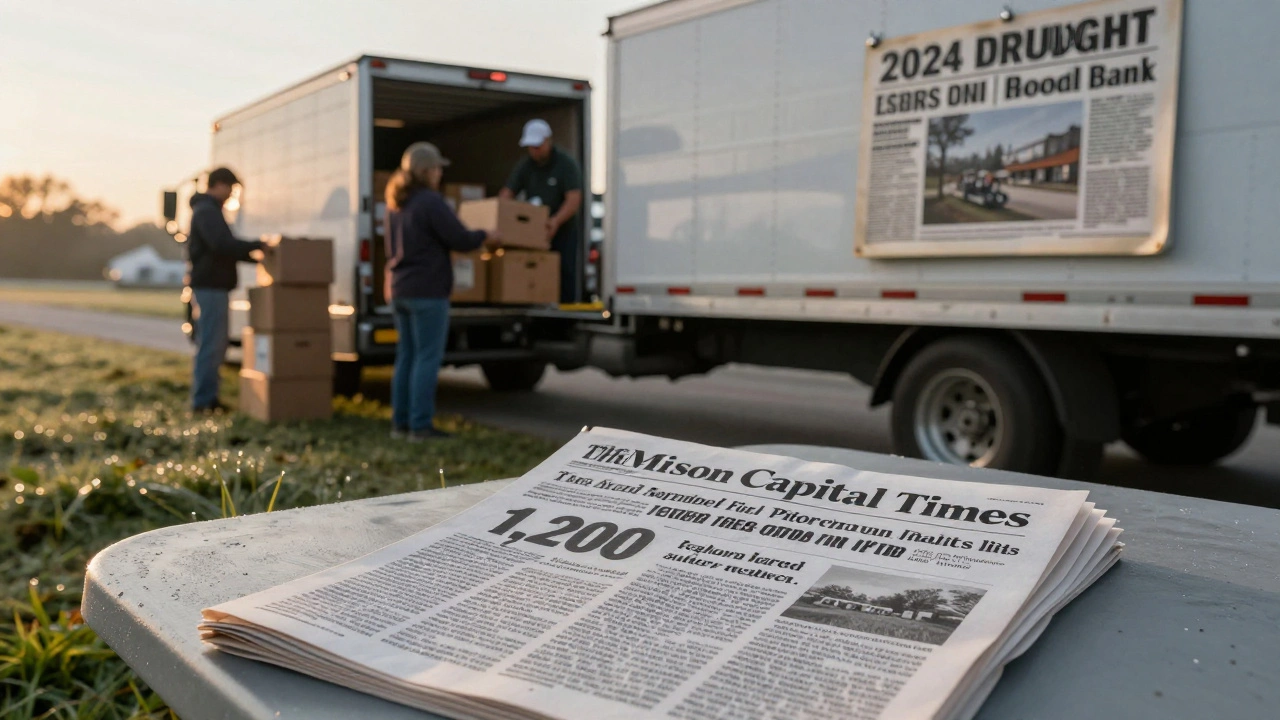
No newspaper, no TV station, no academic study. Nothing independent. The deletion wasn’t about the quality of their work - it was about the lack of third-party verification. Later, after a local journalist wrote a 1,200-word feature in the Madison Capital Times detailing their impact during the 2024 drought, the page was restored. The key? A single, in-depth article from a credible, independent source.

Case Example 2: NovaTech Solutions - A Startup That Made It
NovaTech, a software company based in Austin, was founded in 2021. It had 18 employees, $2 million in funding, and a product used by three Fortune 500 companies. Still, its first Wikipedia page was rejected.Why? Because the sources were:
- A TechCrunch article about its funding round - but it only mentioned NovaTech in a list of 12 startups
- A blog post from its CEO
- A LinkedIn announcement
Then came a 2023 cover story in Wired titled “How NovaTech’s AI Tool Is Reshaping Supply Chains.” The article included interviews with clients, detailed analysis of their technology, and comparisons to competitors. That single piece was enough. The page was approved within 48 hours.
Notice the difference? It wasn’t about size or funding. It was about depth of coverage. One substantial article beat ten shallow mentions.
Case Example 3: The Chicago Urban Forestry Initiative
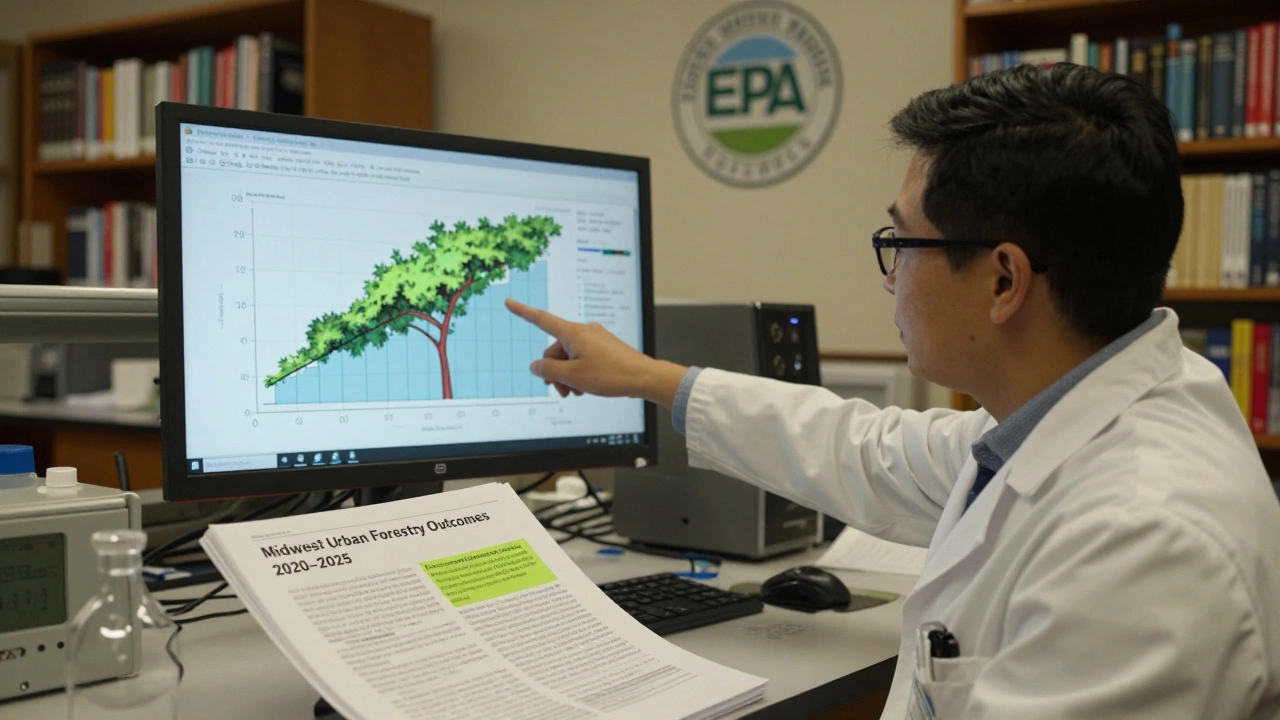
This group planted 15,000 trees across 12 neighborhoods between 2020 and 2025. They partnered with the city, trained volunteers, and won a state environmental award. Their website looked professional. Their social media was active. But their Wikipedia page? Deleted.Then came a 2024 report from the University of Illinois’ Department of Environmental Science. The study analyzed urban tree canopy changes across 17 Midwest cities - and dedicated a full section to the Initiative’s methodology and results. That report was peer-reviewed, cited in three academic papers, and referenced by the Illinois Environmental Protection Agency.
That’s when the page was reinstated. Why? Because the source wasn’t just reliable - it was authoritative. It came from a research institution with academic credibility. Wikipedia treats peer-reviewed studies like gold.
What Doesn’t Count
Here’s a quick list of sources that will not help you meet notability:- Press releases
- Your own website or blog
- Social media posts (even if they go viral)
- Local event calendars
- Job listings
- Business directories (Yelp, Yellow Pages, Crunchbase - unless they’re part of a larger article)
- Podcast appearances where you’re just mentioned in passing
- Customer reviews or testimonials
Even if something seems impressive - like being featured on a podcast with 100,000 listeners - if the host didn’t focus on your organization, it doesn’t count. Wikipedia needs depth, not volume.
How to Build Notability From Scratch
If your organization doesn’t have coverage yet, here’s how to start:- Target local media - Pitch stories to your city’s newspaper or public radio station. Focus on impact: How many people did you help? What problem did you solve? What makes your approach different?
- Partner with universities - Offer your data or case study to a research department. A student thesis or faculty paper citing your work can be a game-changer.
- Apply for awards - State and national recognition from credible organizations (like the National Association of Nonprofits) often triggers media coverage.
- Get quoted in industry reports - If you’re an expert in your field, offer to contribute to white papers or surveys from trade associations.
- Track your coverage - Use Google News Alerts or Meltwater to monitor when you’re mentioned. Save every article that meets the criteria.
It takes time. But one solid article - properly sourced - can do more than a hundred press releases.
Common Mistakes That Get Pages Rejected
Even when organizations have good coverage, they still get deleted. Here’s why:- Using promotional language - Phrases like “leading,” “innovative,” or “award-winning” without citations are red flags. Let the sources speak for themselves.
- Overloading with internal details - Listing every board member, volunteer, or past event makes the page look like a brochure. Focus on impact, not structure.
- Ignoring neutrality - Wikipedia requires a balanced tone. Don’t hide controversies. If your organization faced criticism, mention it - and cite the source.
- Creating the page too early - Don’t rush. Wait until you have at least two solid sources. A page created before coverage is almost always deleted.
What Happens After Approval?
Once your page is live, it’s not safe forever. Wikipedia editors monitor pages for compliance. If coverage dries up, or if the article becomes outdated or promotional, it can be flagged again. Keep updating it. Add new sources. Mention new partnerships. Stay visible in the media. Notability isn’t a one-time achievement - it’s an ongoing conversation.Can a nonprofit get a Wikipedia page without any media coverage?
No. Wikipedia requires independent, reliable sources that cover the organization in depth. Without press, academic, or official reports that go beyond basic mentions, a nonprofit won’t meet the notability standard - no matter how impactful its work is.
Does funding amount matter for organizational notability?
Not directly. A startup with $50 million in funding might still be deleted if it has no media coverage. Conversely, a small community group with $50,000 in funding can be notable if a major newspaper writes a detailed feature about its work. What matters is the quality and depth of third-party reporting, not the size of the budget.
Can I create a Wikipedia page for my own organization?
Technically yes, but it’s strongly discouraged. Wikipedia’s conflict of interest policy says editors should not create or edit pages about themselves, their employers, or close associates. Even if you follow all guidelines, your edits will be scrutinized. It’s better to gather coverage first, then invite an independent editor to create the page.
Do academic citations count for notability?
Yes - and they’re among the strongest forms of evidence. A peer-reviewed journal article, a university research report, or a thesis that analyzes your organization’s work can be enough to establish notability. These sources are considered highly reliable because they’re independently verified and rigorously reviewed.
What if my organization is mentioned in multiple small articles?
Multiple mentions don’t automatically add up. Wikipedia requires each source to be substantial - meaning each article must focus on the organization and provide meaningful detail. Ten brief mentions in local event listings won’t count. One in-depth feature in a major publication will.
If you’re serious about getting your organization on Wikipedia, stop trying to build a perfect page. Start building real relationships with journalists, researchers, and institutions that can write about you - without you asking. The page will come later. The coverage has to come first.