Quick Takeaways
- The 'Gender Gap' and racial underrepresentation are products of who feels welcome in editing spaces.
- Art+Feminism uses a 'campaign' model to lower the barrier to entry for new editors.
- AfroCROWD focuses on systemic gaps in Black history and representation to challenge the 'neutral' point of view.
- Meaningful change requires moving from individual 'edit-a-thons' to sustainable community building.
The Invisible Wall of the Wiki-Editor
If you have ever tried to edit a page on Wikipedia, you might have noticed something strange. It is not just the software that is intimidating; it is the culture. For a long time, the platform has been dominated by a specific demographic: Western, tech-savvy men. This has created a feedback loop where the things they find important get documented, and the things they ignore simply do not exist in the eyes of the algorithm.
This isn't because people from other backgrounds aren't interested in history or science. It is because of the 'bite' culture. New editors, especially women and people of color, often face aggressive corrections or have their contributions deleted under the guise of 'notability' or 'lack of sources.' When the gatekeepers of knowledge share the same blind spots, the definition of what is 'notable' becomes biased.
Art+Feminism and the Power of the Event
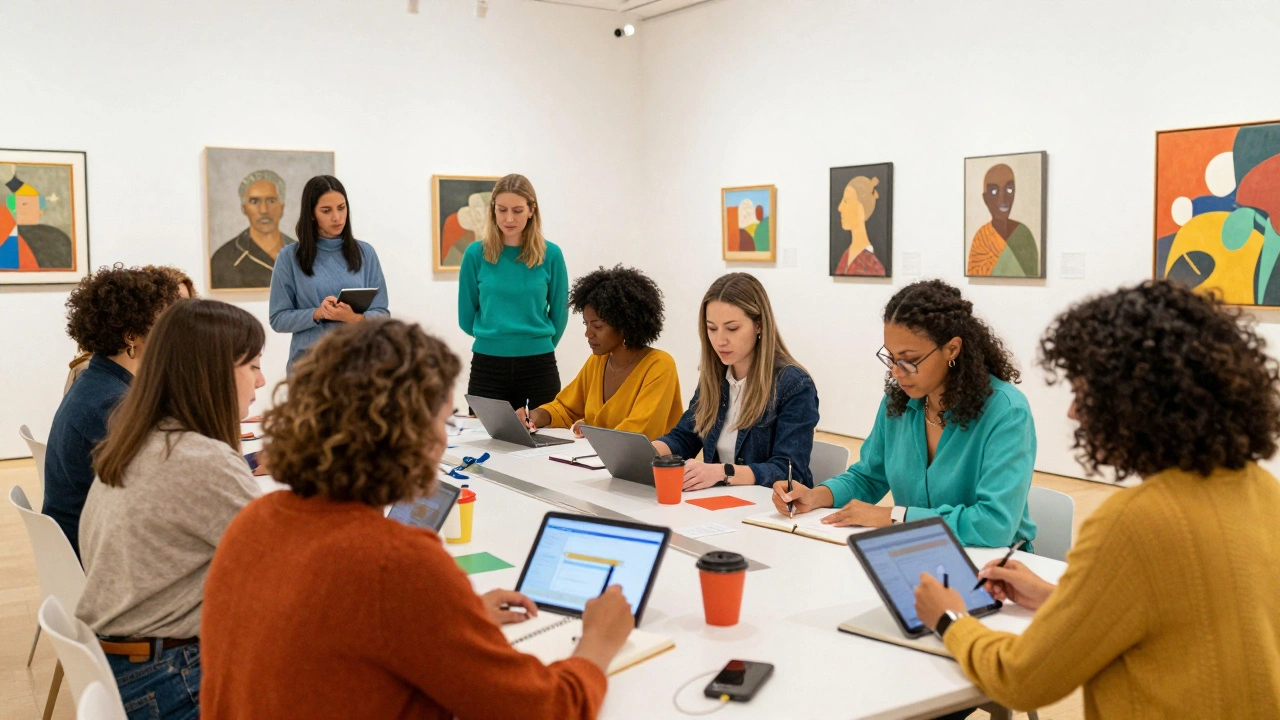
Art+Feminism is a global campaign that realized you cannot just ask people to join a biased system; you have to build a bridge into it. They noticed that the gap in women artists' representation was staggering. To fix this, they shifted the focus from the screen to the physical world. By organizing edit-a-thons in museums and libraries, they turned the solitary act of editing into a social, supportive event.
The magic of their approach is the 'low stakes' entry. Instead of telling a novice, "Go start a page," they provide a checklist: find a woman artist, find a reliable source, and add a few sentences. By breaking the process into tiny, manageable steps, they remove the fear of the 'Undo' button. This method proves that the barrier to diversity is often just a lack of technical confidence and a supportive peer group.
AfroCROWD and the Battle Against Erasure
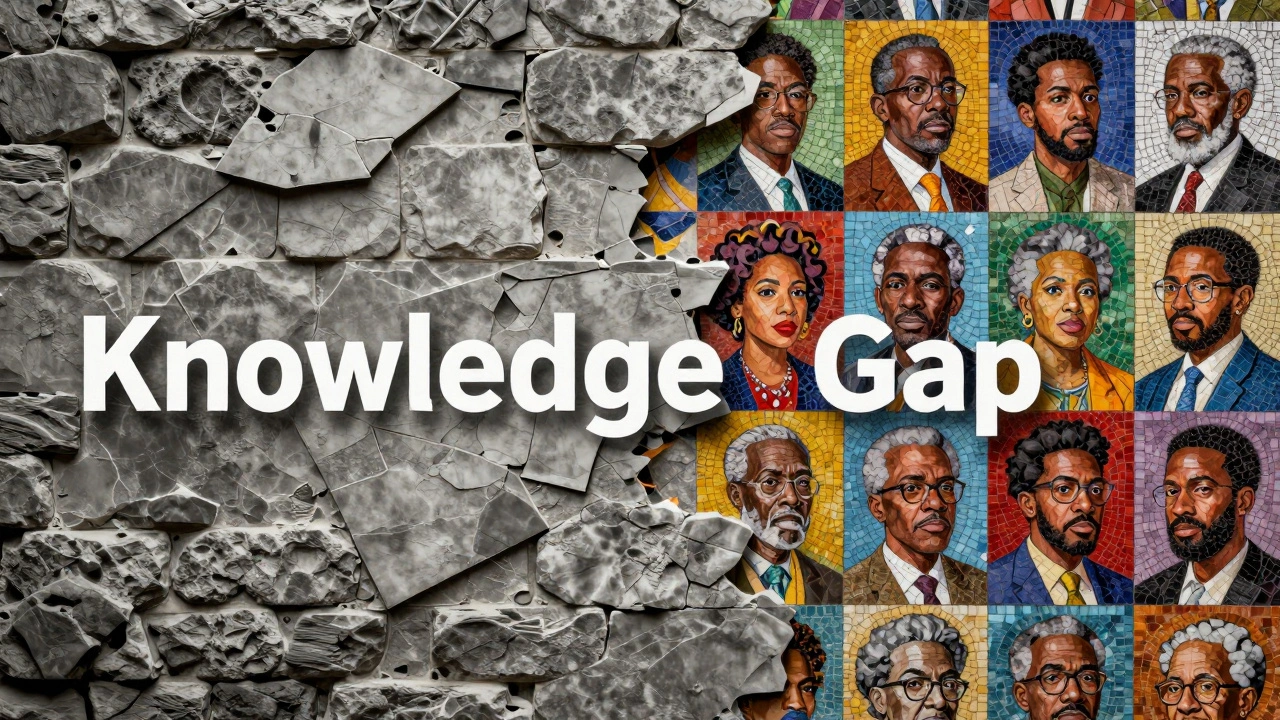
While gender gaps are a massive hurdle, the erasure of Black history is a deeper, more systemic issue. AfroCROWD addresses this by focusing on the 'Knowledge Gap.' They don't just add names; they challenge the very way Black figures are framed. Often, Black intellectuals or leaders are only mentioned in the context of their relationship to white figures, rather than as primary agents of change.
AfroCROWD teaches editors how to navigate the complex world of Reliable Sources. A common struggle for editors of marginalized groups is that traditional archives-the ones Wikipedia trusts-have historically ignored them. AfroCROWD empowers users to find alternative, high-quality sources and argue for the notability of Black scholars and creators, effectively forcing the platform to expand its definition of what is 'important.'
| Strategy Element | Art+Feminism Approach | AfroCROWD Approach |
|---|---|---|
| Primary Focus | Gender parity in arts and science | Racial equity and Black representation |
| Key Tactic | Global, event-based edit-a-thons | Community training and source advocacy |
| Main Barrier | Intimidating editor culture | Systemic archival erasure |
| Goal | Increased visibility of women | Correcting the historical record |
Moving Beyond the One-Day Event
One common critique of the edit-a-thon model is that it creates a 'spike' in activity that doesn't last. You might get 500 new pages on a Saturday, but by Monday, the new editors have vanished because they weren't integrated into the community. The real lesson from these movements is that visibility is the first step, but sustainability is the second.
To move the needle, we need 'mentorship pipelines.' This means pairing a seasoned editor with a newcomer for months, not hours. When an Art+Feminism participant feels a sense of ownership over a topic, they are more likely to return. The same goes for AfroCROWD; by creating specific 'user groups' and forums, they transform a temporary project into a lifelong identity as a knowledge curator.
The 'Neutral Point of View' Paradox
Wikipedia prides itself on NPOV (Neutral Point of View). But here is the problem: neutrality is often used as a shield to maintain the status quo. If a biography of a Black activist is written with a 'neutral' tone that ignores the systemic oppression they fought against, is that actually neutral? Or is it just sanitizing history?
The work of these diversity initiatives pushes Wikipedia toward a more nuanced understanding of objectivity. They argue that true neutrality requires a plurality of perspectives. You cannot have a neutral page on a topic if only one demographic is providing the evidence. Diversity isn't just about adding more names to a list; it is about changing the prose, the framing, and the priority of the information presented.
Practical Steps for New Diversity Editors
If you want to help close these gaps, you don't need to be a historian or a coder. You just need to be intentional. Start by looking at the 'Wanted Pages' lists in various categories. These are the holes in the map that the community has already identified.
- Audit your interests: Look at a topic you love. Who is missing? If it is a list of 'Great Philosophers' and there are no women or non-Westerners, that is your starting point.
- Find a community: Don't go it alone. Join a WikiProject or a group like AfroCROWD to find allies who can help you defend your edits.
- Focus on 'Small Wins': Instead of writing a 5,000-word biography, start by adding a missing reference or updating an outdated date. This builds your reputation as a reliable editor.
- Document everything: When you find a source that proves someone's notability, keep it. The 'notability' debate is where most diversity edits are fought and won.
Why is the gender gap on Wikipedia so hard to close?
It is a combination of technical barriers and social dynamics. Many women report feeling unwelcome in the highly critical environment of Wikipedia's talk pages. Additionally, because the platform relies on existing 'notable' sources, and those sources have historically ignored women, it creates a cycle where women are deemed 'not notable' because they weren't documented in the first place.
What is an edit-a-thon?
An edit-a-thon is a coordinated event where people gather (either in person or online) to edit and improve Wikipedia articles on a specific theme. Organizations like Art+Feminism use them to bring in new editors, provide training, and rapidly increase the amount of content regarding underrepresented groups.
How does AfroCROWD improve racial diversity?
AfroCROWD focuses on adding and improving content related to the African diaspora. They do this by training editors to find high-quality sources, advocating for the notability of Black figures, and creating a supportive network that encourages people of color to take ownership of their own history on the platform.
Can one person really make a difference in Wikipedia's bias?
Yes. While systemic change takes time, every single page added or corrected changes the search results for millions of people. When you add a biography of a neglected scientist or artist, you are creating a 'hook' that other researchers and editors can find, leading to more citations and a larger presence for that person in the digital record.
What happens if my edit is deleted?
Do not take it personally. Wikipedia is a consensus-based system. If your edit is removed, check the 'Talk' page to see why. Often, it is a matter of providing a stronger source. Engage politely, explain your reasoning, and provide the evidence. This is how you build the case for a figure's notability.
Next Steps for the Knowledge Activist
If you are feeling inspired to dive in, the best thing you can do is find a local chapter of a diversity project. If you are in a city with a public library, ask if they have ever hosted an edit-a-thon. If you are a student, suggest a 'diversity audit' of your course materials and then turn those findings into Wikipedia entries.
For those who are more experienced, the next step is shifting from creating content to protecting it. This means monitoring pages of marginalized figures to ensure they aren't vandalized or stripped of their achievements. True diversity is not just about getting a seat at the table; it is about making sure the table is redesigned so everyone can actually fit.