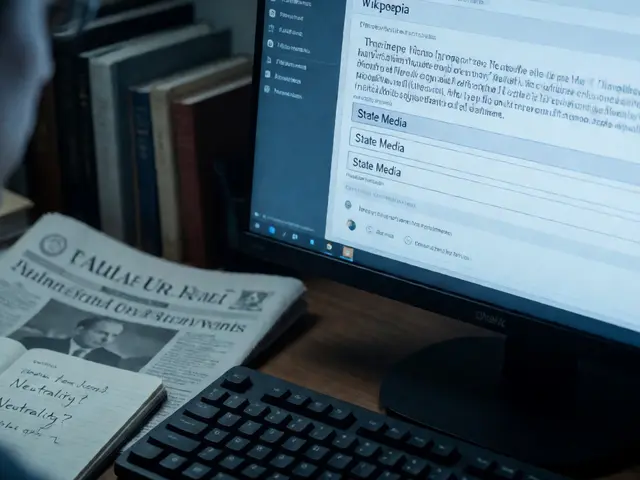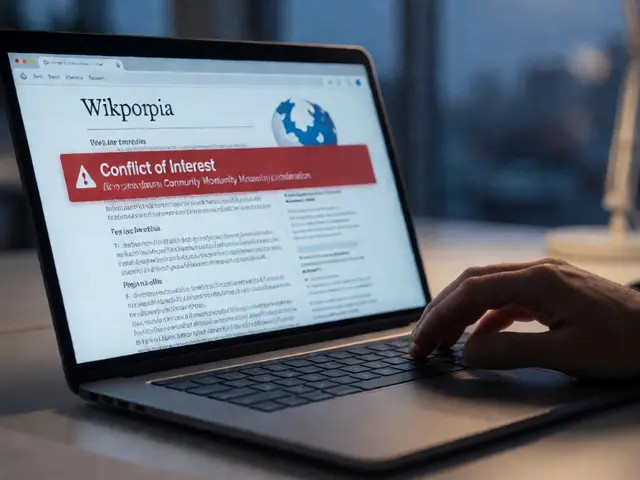
Imagine logging into a platform you’ve used for years, only to find that your IP address, edit history, and even your real name are being scrutinized by a small group of volunteers. For many Wikipedia editors, this isn’t hypothetical. It’s the reality of the CheckUser system, a powerful tool designed to fight vandalism but frequently criticized for lacking transparency and fair treatment.
The core tension lies in balancing community safety with individual rights. While most users accept some level of oversight, recent disputes have highlighted how opaque the process can be. Critics argue that without clear standards or independent review, the system risks becoming a tool for personal vendettas rather than just administrative necessity.
What Is the CheckUser Tool?
CheckUser is an administrative feature on Wikipedia that allows specific editors to view non-public user data. This includes IP addresses, email addresses (if provided), and account creation details. Unlike standard administrators who manage pages and deletions, CheckUsers operate behind the scenes, investigating suspected sockpuppets (multiple accounts used by one person) and long-term vandals.
The tool was introduced in 2004 as part of the Wikimedia Foundation's infrastructure. Initially, access was granted through local community consensus, meaning each language version of Wikipedia voted on who could hold the power. Today, the process has shifted toward centralized oversight, yet the fundamental mechanism remains the same: trusted volunteers gain access to private data to maintain the integrity of the encyclopedia.
However, the definition of "trusted" varies. In some communities, it means having a long history of neutral editing; in others, it involves passing a rigorous interview process. This inconsistency is where many controversies begin.
The Privacy Debate: Who Owns Your Data?
When you create an account on Wikipedia, you agree to the Terms of Use. But do those terms clearly explain what happens when a CheckUser investigates you? Many editors say no. The primary concern is the lack of notice. If a CheckUser determines that two accounts belong to the same person, they often block both accounts immediately. The affected user may not know why until they try to log in and see a generic block message.
This raises significant questions about data privacy. Under regulations like the GDPR in Europe, users have the right to know when their data is processed. Yet, because Wikipedia operates globally, enforcement is tricky. A user in Germany might expect different protections than a user in the United States, but the CheckUser system applies uniformly across all language editions unless local policies dictate otherwise.
Critics point out that while the data is stored securely, the human element introduces risk. What if a CheckUser uses the information for personal reasons? What if they share details with other editors outside the official channel? These fears are rarely proven, but the potential for misuse keeps the debate alive.
Due Process: Is There a Fair Hearing?
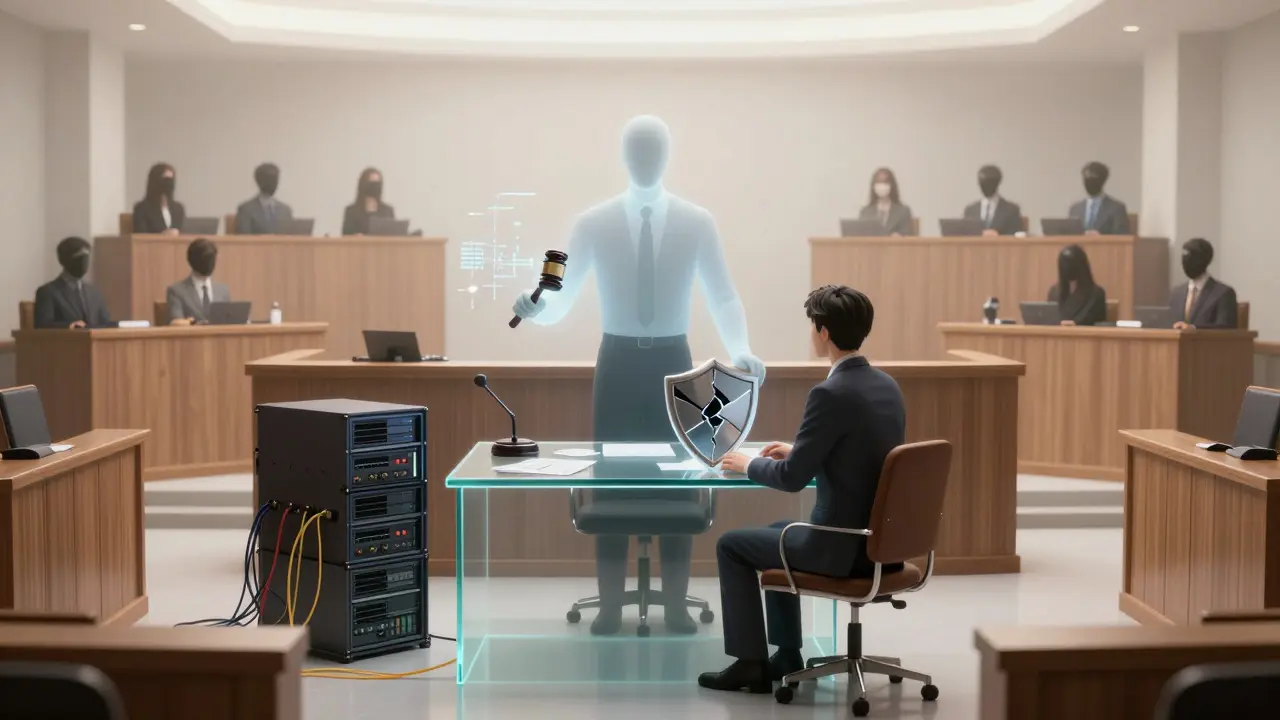
In legal systems, due process ensures that no one is punished without a fair hearing. On Wikipedia, the equivalent is the Arbitration Committee, or ArbCom. When a user feels unfairly blocked or investigated, they can file a case with ArbCom. However, this body is also composed of volunteers, selected by the community. They are not lawyers, nor are they bound by strict judicial procedures.
The problem arises when the evidence against a user is based solely on CheckUser findings. Since CheckUsers keep their investigations confidential, the accused often doesn't know what evidence exists. They can defend themselves, but without seeing the opposing side's cards, the process feels uneven. This "secret evidence" issue is the heart of the due process controversy.
For example, if a CheckUser links two accounts based on similar typing patterns or shared IP ranges, that link is treated as fact by ArbCom. The user cannot challenge the methodology because the raw data is never disclosed. This creates a closed loop where the investigators judge the case, and the judges rely entirely on the investigators' word.

Key Controversies and Case Studies
Several high-profile incidents have brought these issues to light. One recurring theme is the handling of "long-term bans." These are penalties imposed without a set expiration date, often reserved for severe violations. Because the criteria for such bans are subjective, they attract more scrutiny than temporary blocks.
In 2018, a dispute over the use of CheckUser powers led to a community-wide vote on whether to centralize the tool under the Wikimedia Foundation. The result was mixed, with some communities preferring local control and others wanting stricter global standards. This split highlights the difficulty of creating a one-size-fits-all policy for a volunteer-run project spanning over 300 languages.
Another notable case involved an editor whose account was blocked after a CheckUser found a connection to a previously banned vandal. The editor claimed the connection was coincidental, citing a shared university network. Despite the appeal, the block stood, illustrating how technical details can override personal context in automated or semi-automated decisions.
How the System Works: A Step-by-Step Breakdown
To understand where things go wrong, it helps to look at the standard workflow. Here is how a typical CheckUser investigation proceeds:
- Request Filed: An administrator or experienced editor submits a request to the CheckUser team, outlining the suspicion (e.g., coordinated editing).
- Review: A designated CheckUser reviews the request to ensure it meets the threshold for investigation.
- Data Access: If approved, the CheckUser accesses the user's IP logs and account details.
- Analysis: The investigator compares data points to determine if multiple accounts are linked.
- Action: Based on findings, the CheckUser may recommend a block, warning, or no action.
- Notification: The affected user is notified via talk page, often with minimal detail about the evidence.
Each step relies on trust. There is no external audit trail available to the public. If a mistake occurs, the only recourse is internal appeal. This reliance on goodwill works well most of the time, but when trust breaks down, the system lacks a robust fail-safe.
Comparing Oversight Models
Not all online platforms handle moderation the same way. Comparing Wikipedia's approach to other large communities reveals distinct trade-offs.
| Feature | Wikipedia CheckUser | Reddit Admin Team | Discord Moderator Roles |
|---|---|---|---|
| Access Control | Volunteer-elected, local/global mix | Corporate-appointed, tiered | Server-owner assigned |
| Evidence Transparency | Low (confidential) | Medium (public appeals) | Variable (server-dependent) |
| Appeal Process | Arbitration Committee (volunteers) | Support Ticket (staff) | Server Owner Discretion |
| Data Retention | Long-term (IP logs kept) | Moderate (account data) | Short-term (message history) |
As the table shows, Wikipedia places a higher burden on volunteers to act fairly without corporate backup. Reddit, owned by a larger entity, has staff members who can intervene, providing a layer of professional oversight. Discord relies heavily on server owners, making the experience highly inconsistent depending on the community size.
Pro Tips for Editors Navigating the System
If you are an active editor, understanding how to protect yourself and contribute positively can reduce friction. Here are some practical tips:
- Keep Edits Neutral: Sudden changes in tone or topic can trigger automated flags. Consistency helps build a profile that looks less suspicious to tools and humans alike.
- Use Different Devices Wisely: If you edit from home and work, avoid using the same browser profile. Clear cookies or use incognito mode to prevent IP linking if you switch networks frequently.
- Document Appeals: If you feel unfairly targeted, write a calm, factual appeal. Avoid emotional language, which can sometimes be misinterpreted as bad faith.
- Know Your Rights: Read the current policy for your specific language edition. Rules vary significantly between English Wikipedia and, say, German Wikipedia.
Future Directions: Reform and Centralization
The conversation around CheckUser is evolving. The Wikimedia Foundation has proposed various reforms, including a centralized database for cross-wiki checks and standardized reporting templates. The goal is to reduce duplication and improve consistency.
Some advocates push for greater transparency, suggesting that summary reports should be published even if raw data remains private. Others worry that any increase in visibility will slow down investigations or expose sensitive user information. Finding the middle ground remains the biggest challenge for the community moving forward.
Ultimately, the health of Wikipedia depends on its ability to balance efficiency with fairness. As the platform grows, so does the complexity of managing millions of users. The CheckUser system will likely remain, but its implementation must adapt to meet modern expectations of privacy and justice.
Can a CheckUser see my email address?
Yes, if you have provided an email address during registration, a CheckUser can view it. This is primarily used to verify identity or send important notices, but it is accessible during investigations.
Is the CheckUser process public?
No, the process is confidential. Requests and findings are kept private to protect user privacy and prevent interference. Only the final outcome (like a block) is usually visible to the community.
How do I appeal a CheckUser decision?
You can file a case with the Arbitration Committee of your specific Wikipedia language edition. You should present your argument calmly and reference any relevant policies. Note that ArbCom is made up of volunteers, not legal professionals.
Do CheckUsers have unlimited power?
No, their power is limited to viewing metadata and recommending actions. They cannot delete articles or ban users directly without following established procedures. Their role is investigative, not executive.
Is there a difference between CheckUser and Steward?
Yes. Stewards have global permissions across all Wikimedia projects, while CheckUsers typically operate within a single language edition, though some have global checkuser rights. Stewards manage global blocks and settings, whereas CheckUsers focus on local metadata investigation.