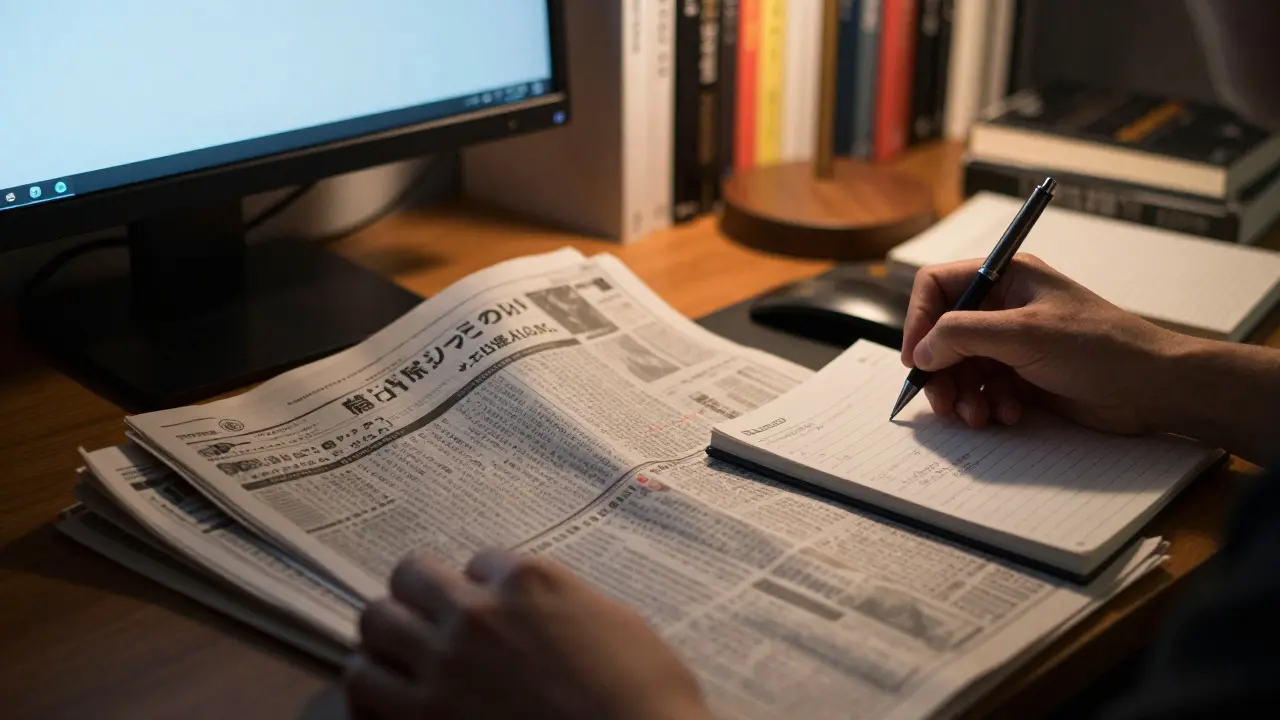
Imagine you’re writing an article about a local festival in Osaka. You find a perfect primary source from a Japanese newspaper. It’s detailed, recent, and exactly what the article needs. But here’s the catch: it’s entirely in Japanese. Do you skip it? Guess the meaning? Or do you take the risk of translating it yourself? If you’ve ever edited English Wikipedia is a free online encyclopedia that requires strict adherence to verifiability and neutral point of view standards., you know that citing foreign-language sources isn’t just a nice-to-have; it’s often the only way to access unique information. Yet, doing it wrong can lead to edit wars, reverts, or even accusations of original research.
The core challenge isn’t just language barriers. It’s about proving to other editors that your translation is accurate and that the source is actually reliable. This guide breaks down how to handle these citations without getting stuck in a debate over whether a word means “big” or “large.” We’ll look at practical methods for verification, when to use machine translation, and how to format your references so they stand up to scrutiny.
Why Foreign-Language Sources Matter More Than Ever
You might think you can always find an English equivalent for any topic. That was true twenty years ago. Today, the gap between English and non-English coverage is widening. Topics like regional politics, local history, niche sports, and emerging tech trends are often covered first-and sometimes only-in their native languages. If you ignore these sources, your articles will be incomplete by default.
However, relying on untranslated sources introduces two major risks. First, there’s the risk of misinterpretation. Nuance matters. A headline might sound sensational in one language but factual in another. Second, there’s the risk of reliability bias. Just because a source exists doesn’t mean it’s high-quality. In some countries, state media dominates, while in others, independent journalism thrives. You need to evaluate the source itself, not just its language.
The Translation Accuracy Problem
Accuracy is the biggest hurdle. When you translate a quote, you aren’t just swapping words; you’re interpreting intent. Consider this example: A German news outlet reports that a politician “has signaled openness to reform.” If you translate this as “The politician wants to change everything,” you’ve added emphasis that wasn’t there. Other editors will spot this and flag it as biased.
To avoid this, follow a simple rule: Translate conservatively. Stick to the most literal interpretation unless context clearly demands otherwise. If you’re unsure, use a phrase like “According to [Source], the official stated...” rather than paraphrasing the sentiment. This shifts the burden of interpretation back to the reader and protects you from claims of distortion.
Also, watch out for idioms. They rarely translate well. If a French source says “il faut voir le verre à moitié plein” (the glass is half full), don’t try to find an English idiom that matches the tone. Just say “the report described the situation as optimistic.” It’s clunky, but it’s safe.
How to Verify Your Translations
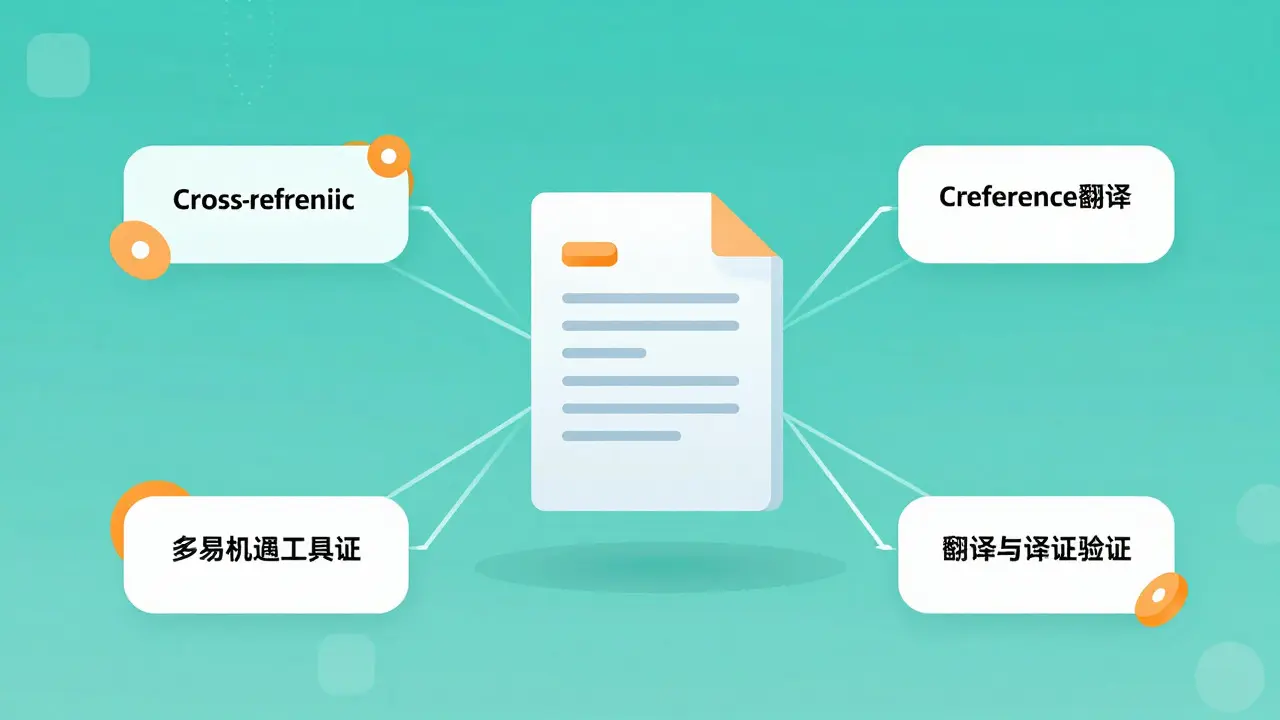
You don’t have to be a native speaker to cite a foreign source, but you do need proof. Here are three practical ways to verify your work:
- Use Multiple Machine Translation Tools: Don’t rely on just one. Run the text through Google Translate, DeepL, and perhaps a specialized tool like Linguee. If all three give you similar meanings, you’re likely safe. If they diverge significantly, dig deeper into the specific vocabulary.
- Check the Source’s Own English Page: Many international news outlets publish key stories in English. Compare your translation of the foreign version with their official English summary. If they match, your credibility skyrockets.
- Ask the Community: Use the Wikipedia talk page or relevant Wikiprojects. There are thousands of editors who speak multiple languages. Post your proposed translation and ask for a sanity check. Most bilingual editors are happy to help if you present your work clearly.
A pro tip: Always keep the original text visible in your citation. This allows skeptical readers to check your work themselves. It turns a potential argument into a transparent process.
Formatting Citations for Clarity
Once you’re confident in your translation, formatting becomes critical. The standard practice on English Wikipedia is to include both the original title and the translated title in the reference list. This ensures that anyone searching for the source can find it easily.
Here’s how to structure it:
- Title: Original Title (Translated Title)
- Language Note: Add a note like “(in Spanish)” or “(translated from French)” after the title.
- Access Date: Crucial for web sources, especially if the content is dynamic or archived.
For example, if you’re citing a Spanish article titled “La crisis energética en Madrid,” your reference should look something like this: La crisis energética en Madrid (The Energy Crisis in Madrid) (in Spanish). El País, March 12, 2026. Retrieved August 17, 2026.
This format does two things. It tells the reader what the source is, and it signals that you did the extra work to make it accessible. It also helps future editors who might want to expand the section using the same source.

When to Avoid Foreign-Language Sources
Not every foreign source is worth the effort. Sometimes, the cost-benefit analysis doesn’t add up. Consider skipping a source if:
- The Information is Trivial: If you’re just confirming a birth date or a basic fact, stick to English sources. The translation overhead isn’t worth it for minor details.
- The Source is Low Quality: If the foreign outlet has a poor track record of accuracy, don’t import that problem into English Wikipedia. Find a better source, even if it’s less specific.
- The Context is Highly Cultural: Some topics require deep cultural understanding to interpret correctly. If you feel lost in the nuances, it’s better to leave the gap than to fill it with a shaky interpretation.
Knowing when *not* to cite is just as important as knowing how to cite. It keeps your articles clean and defensible.
Building Trust Through Transparency
Ultimately, citing foreign-language sources is about trust. You’re asking other editors to believe that you understood the text correctly. By being transparent about your method-showing the original text, noting your translation tools, and inviting feedback-you build that trust quickly.
Over time, you’ll develop a library of trusted sources and patterns. You’ll learn which languages have tricky grammatical structures and which outlets tend to use formal versus informal registers. This expertise makes you a valuable contributor to the project, not just a user of it.
So next time you hit a dead end in an English search, don’t give up. Look across the border. With careful translation and clear formatting, those foreign sources can become the backbone of your most accurate and comprehensive articles.
Do I need to be fluent in the language to cite a source?
No, fluency is not required. However, you must ensure accuracy. Using multiple translation tools and consulting community members can bridge the gap. The key is transparency: always provide the original text alongside your translation.
What is the best machine translation tool for Wikipedia citations?
There is no single “best” tool. DeepL is often praised for natural phrasing, while Google Translate offers broader language support. The best approach is to cross-reference at least two different tools to identify discrepancies before finalizing your citation.
Should I translate the entire article or just the relevant parts?
Only translate the specific sentences or paragraphs you are citing. Translating entire articles is unnecessary and increases the risk of error. Focus on the exact evidence needed to support your claim.
How do I handle proper nouns in foreign languages?
Keep proper nouns in their original form unless there is a widely accepted English equivalent. For example, use “Bavaria” instead of translating “Bayern” if the English term is standard. This maintains consistency with existing Wikipedia articles.
Is it okay to use a secondary English source that cites the foreign source?
Yes, but it’s weaker than citing the primary source directly. If possible, go to the original. If not, note in your edit summary that you are relying on a secondary citation. This alerts other editors to the potential loss of nuance.