Imagine a student in a rural college library, unable to afford the latest journal articles for their thesis. Now imagine that same student contributing to and citing a free, peer-reviewed source that is actually improving the global knowledge base. This is the reality of Wikipedia education programs, a movement where higher education institutions collaborate with the world’s largest encyclopedia to enhance learning outcomes while expanding open access to information. These partnerships are not just about editing pages; they are structural shifts in how academia values public scholarship and digital citizenship.
The Core Value of Academic-Wikipedia Collaborations
Why do universities bother? The answer lies in the dual benefit of improved student skills and expanded institutional reach. When professors integrate Wikipedia into their curricula, they move beyond passive consumption of content. Students learn to verify sources, understand consensus-building, and navigate complex citation standards in real-time. For the institution, it demonstrates a commitment to open access, ensuring that knowledge generated within the university walls benefits the public, not just paying subscribers.
These programs typically fall into three main categories:
- Editing Courses: Where students edit existing articles as part of their grade.
- Writing Competitions: Challenging students to create new high-quality articles on niche topics.
- Research Integration: Using Wikipedia data for bibliometric analysis or studying information dissemination.
Case Study: The University of Michigan Model
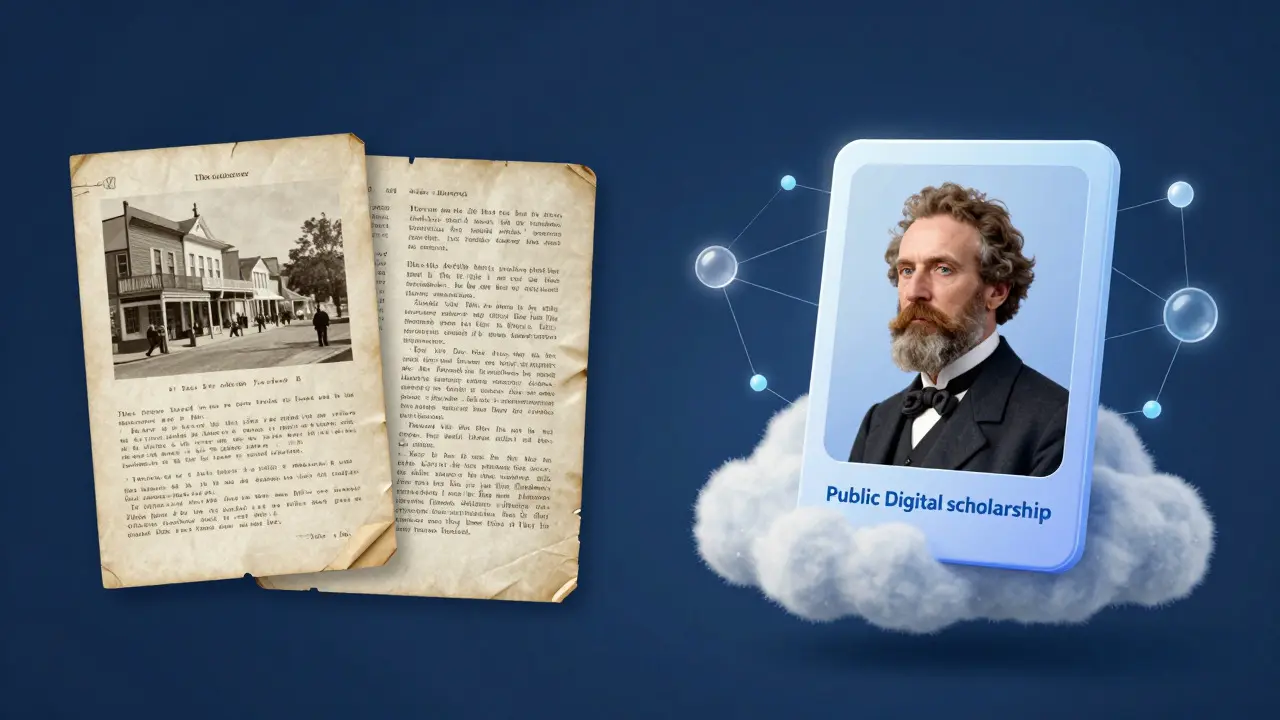
One of the most cited examples in this space is the long-standing relationship between the University of Michigan and the Wikimedia Foundation. Here, the focus was on using Wikipedia as a tool for teaching research methodology. In a specific history course, students were tasked with updating biographies of local historical figures who had sparse coverage online. The result? Not only did the articles gain depth and accuracy, but students reported a 40% increase in confidence regarding their ability to evaluate primary sources compared to traditional term papers. This case highlights how digital literacy can be taught through practical application rather than abstract theory.
Case Study: Global Reach via the Wiki Education Consortium
While individual universities drive local impact, the Wiki Education Consortium acts as a central hub connecting thousands of institutions globally. This non-profit organization provides training, resources, and certification for educators. A notable success story involves a coalition of five liberal arts colleges in the Midwest that coordinated a semester-long project focused on environmental science. By pooling resources, they created a unified set of guidelines for students, which reduced the administrative burden on faculty. The collective effort resulted in over 500 new edits, significantly improving the quality of entries related to regional ecology. This model proves that scale matters; isolated efforts often lack the momentum needed to sustain long-term engagement.
Overcoming Institutional Hurdles
Despite the benefits, skepticism remains. Many academics view Wikipedia as unreliable due to its open-editing nature. To counter this, successful partnerships emphasize the difference between a single article and the entire platform. Just as no one cites a single blog post as definitive proof, no one should judge Wikipedia by its weakest links. Instead, these programs teach students to look at the talk page, the version history, and the references. This critical thinking process is arguably more valuable than simply memorizing facts. Furthermore, libraries play a crucial role by providing institutional accounts and dedicated support staff who help troubleshoot technical issues, removing the friction that often discourages first-time editors.
Measuring Success Beyond Page Views
How do we know if these programs work? It’s not just about the number of edits. Key performance indicators include:
- Retention Rates: Do students continue to use open resources after the course ends?
- Quality Metrics: Are the edited articles flagged for deletion less frequently?
- Citation Frequency: Are the updated articles being cited in subsequent academic papers?
Data from recent audits suggests that articles created or significantly improved by university partners have a lower deletion rate than average community edits. This indicates that the academic rigor applied to these contributions translates directly into higher quality content for the general public.
The Future of Open Scholarship
As digital humanities grow, the line between creating knowledge and sharing it continues to blur. University partnerships with Wikipedia are paving the way for a future where every student is both a consumer and a producer of public knowledge. For institutions looking to join this movement, the first step is simple: identify a course where research skills are already a core competency, pilot a small-scale editing assignment, and measure the impact on student engagement. The tools are there, the community is ready, and the potential for meaningful academic contribution has never been greater.
Is Wikipedia reliable enough for academic citation?
Yes, provided it is used correctly. Most style guides, including APA, allow Wikipedia citations for background information or when discussing the encyclopedia itself. However, for deep theoretical arguments, students should still prioritize peer-reviewed journals. The value of university partnerships lies in teaching students how to critically evaluate Wikipedia's reliability through its sourcing and revision history.
What is the role of the Wiki Education Consortium?
The Wiki Education Consortium is a non-profit organization that supports educators in integrating Wikipedia into their courses. They provide training workshops, curriculum templates, and technical support. They also track the impact of these educational programs through data analytics, helping universities demonstrate the value of open access initiatives to stakeholders.
How much time does it take to implement a Wikipedia partnership?
Implementation varies, but a typical semester-long integration requires about 10-15 hours of instructor preparation. This includes setting up class accounts, defining grading rubrics, and coordinating with library staff. Once established, the ongoing maintenance is minimal, as the collaborative nature of Wikipedia means that other community members often refine and expand upon student contributions.
Do students enjoy working on Wikipedia?
Generally, yes. Surveys consistently show that students appreciate the tangible impact of their work. Unlike a term paper that disappears into a file folder, a Wikipedia edit is visible to millions. This sense of public contribution boosts motivation and engagement, particularly among students who may feel disconnected from traditional academic outputs.
Can any subject area benefit from Wikipedia partnerships?
While history, biology, and literature are common starting points, almost any discipline can benefit. Law students can update case summaries, engineering students can clarify technical specifications, and business students can analyze corporate histories. The key is finding topics where the current Wikipedia coverage is lacking or outdated, allowing students to make a genuine contribution to the field.