Wikipedia runs on collaboration. But collaboration doesn’t mean agreement. Every day, editors clash over wording, sources, neutrality, and even whether something belongs on the site at all. These are content disputes-no drama, no personal attacks, just deep disagreements about facts, tone, and policy. And when they stall, someone has to step in and close them. That person is the closer.
What Does a Closer Actually Do?
A closer doesn’t pick a winner. They don’t vote. They don’t decide what’s ‘right’ based on opinion. Their job is to find consensus-or the closest thing to it-by reviewing what was said, what was cited, and what policies were referenced. They look for patterns: Did one side keep citing reliable sources? Did the other keep repeating the same point without new evidence? Was there a pattern of edit-warring or bad-faith edits?
Closers work within Wikipedia’s core policies: Neutral Point of View (NPOV), Verifiability, and No Original Research. If a dispute drags on past a week without progress, it’s time to close. Waiting longer doesn’t make it fairer-it just makes it noisier.
When to Step In
Not every disagreement needs a closer. Some disputes resolve themselves in a day or two. But here’s when you know it’s time:
- Three or more editors have made opposing edits without compromise
- One side keeps reverting changes without discussion
- References are being ignored or challenged without new sources
- Discussions have gone past 7-10 days with no movement
- Editors are using the talk page as a forum, not a problem-solving space
If you see these signs, it’s not your job to fix it. It’s your job to close it-cleanly and fairly.
How to Close a Dispute: A Step-by-Step Process
Closing isn’t about being loud. It’s about being clear. Here’s how to do it right.
- Read everything. Start from the first comment on the talk page. Don’t skim. Note who said what, what sources they cited, and whether those sources actually support their claims. Use the page history to check if edits were reverted without discussion.
- Identify the core issue. Is it about wording? A source’s reliability? The inclusion of a topic? Sometimes the real conflict isn’t what’s being argued-it’s what’s being assumed. For example, one editor might think a person is notable; another thinks the article is too promotional. These are different problems.
- Check policy alignment. Which side better follows NPOV? Verifiability? Avoiding synthesis? If one side is using blogs, social media, or self-published material as proof, that’s a red flag. Wikipedia doesn’t accept those unless they’re the only available source (like for obscure local events).
- Look for consensus. Consensus doesn’t mean everyone agrees. It means the majority of reasonable editors, based on evidence and policy, support a direction. If five editors support a change with solid sources and two oppose it with opinion, the consensus leans toward the five.
- Write the closure. Be specific. Don’t say, ‘This was resolved.’ Say: ‘The section was rewritten to reflect the source cited by UserA and UserC, which is a peer-reviewed journal. The claim from UserB, based on a personal blog, was removed per WP:V and WP:NOR. The revised version is now stable.’
Always leave the talk page open for follow-up. A good closure invites questions, not resentment.
Common Mistakes Closers Make
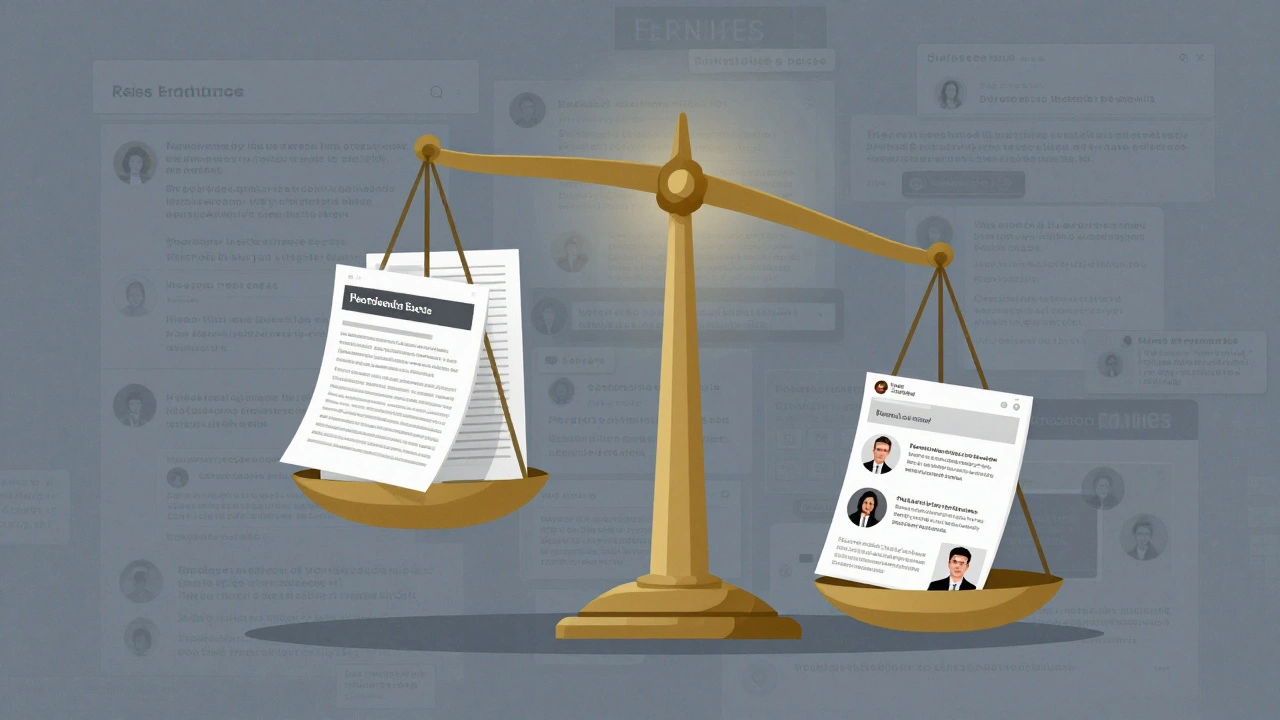
Even experienced editors mess this up. Here are the top five errors:
- Ignoring context. Closing based on the last few comments instead of the full thread. A comment from day one might have been the most valid one.
- Over-relying on vote counts. ‘Six editors said yes, so we go with that.’ That’s not consensus. It’s a poll. Consensus is about reasoning, not numbers.
- Being too vague. ‘The article is now fine.’ Fine for whom? What changed? Without specifics, the closure is meaningless.
- Not citing policy. If you remove a claim, say why: ‘Removed per WP:V-no reliable source supports this.’
- Trying to please everyone. You can’t. Your job isn’t to make everyone happy. It’s to make the article better.
One real example: An article on a small nonprofit claimed it was ‘the largest in the region.’ One editor cited a local newspaper article. Another said, ‘No, it’s not-their own website says they have 500 members, and the rival org has 800.’ The closer checked both sources. The newspaper was a credible local outlet. The nonprofit’s own site was the only source for the 500-member claim. The rival org’s 800 was unverified. The closer kept the newspaper’s claim, removed the unverified one, and added a note: ‘Member count based on self-reported data; independent verification is lacking.’ That’s a solid closure.
Tools and Resources That Help
You don’t have to close disputes alone. Wikipedia has tools to make it easier:
- Dispute resolution noticeboards: Like Wikipedia:Requests for comment or Wikipedia:Mediation Cabal. These let others weigh in if you’re unsure.
- Page history comparison tools: Use the ‘diff’ feature to track how edits changed over time. Did someone keep adding the same unsupported claim? That’s a red flag.
- Source-checking tools: Use Google Scholar, JSTOR, or newspaper archives to verify citations. If a source is paywalled, check if it’s cited elsewhere reliably.
- Policy pages: Keep WP:NPOV, WP:V, and WP:NOR open in another tab. They’re your rulebook.
There’s also a community of experienced closers on the Wikipedia:Closing discussions page. You can ask for feedback before posting a closure. It’s not a requirement-but it’s smart.
What Happens After a Closure?
A good closure doesn’t end the conversation. It gives it structure. After you close:
- Lock the edit if necessary to prevent edit-warring.
- Leave a note on the talk page: ‘This discussion is closed. Further edits should follow the resolved version unless new reliable sources emerge.’
- Encourage editors to bring new evidence later. ‘If you find a peer-reviewed study on this topic, feel free to reopen the discussion.’
Some closures get challenged. That’s okay. If someone brings new, reliable evidence, the closure can be revisited. But if they just restate their old argument? That’s not a reopening-it’s a repeat.
Why This Matters
Wikipedia’s credibility depends on how disputes are handled. If editors think closures are arbitrary or biased, they leave. If they think the system is fair, they stay. A well-closed dispute teaches editors how to argue better next time. It shows that evidence wins-not volume, not persistence, not personality.
Every closure is a lesson in how knowledge is built: slowly, carefully, and only when supported by something outside your own head.
Final Tip: Be the Quiet Voice That Ends the Noise
The best closers aren’t the loudest. They’re the ones who read deeply, cite clearly, and write plainly. They don’t need to be admins. They don’t need badges. They just need to care enough to finish what others started.
If you’re reading this because you’ve been stuck in a dispute-or you’ve been asked to close one-remember: your job isn’t to be right. It’s to make the article better.
Can anyone close a Wikipedia content dispute?
Yes. Any registered editor can close a dispute, even without admin rights. The key is following policy, not rank. But if the dispute is complex or contentious, it’s wise to ask for feedback on a noticeboard like Wikipedia:Requests for comment before posting a closure.
What if I close a dispute and someone disagrees?
Disagreement is normal. If someone brings new, reliable sources or evidence that wasn’t available during the closure, the discussion can be reopened. But if they just repeat their original argument, the closure stands. Wikipedia doesn’t allow endless rehashing-consensus must be based on new information, not repetition.
Do closers need to be admins?
No. Admin rights are for blocking, deleting, or protecting pages-not for closing discussions. Many of the most respected closers are regular editors with years of experience. What matters is their understanding of policy, not their privileges.
How long should a dispute stay open before closing?
There’s no hard rule, but most disputes that stall beyond 7-10 days without progress need closing. If no new evidence is added after a week, and the same points are being repeated, it’s time to step in. Waiting longer doesn’t improve the outcome-it just delays the article’s improvement.
What if two sides have equally strong sources?
That’s a sign the article needs balance, not a winner. In cases like this, the closure should reflect both viewpoints with clear attribution. For example: ‘Some sources state X, while others state Y. The article now presents both claims with their respective sources, as required by WP:NPOV.’
Can I close my own dispute?
Technically yes, but it’s strongly discouraged. Closing your own dispute looks like bias-even if you’re fair. It’s better to ask another editor to review and close. If no one volunteers, post a request on Wikipedia:Requests for comment. The community will help.
Are closures legally binding?
No. Wikipedia closures are community decisions, not legal rulings. But they carry weight. Repeatedly overriding a well-documented closure without new evidence can lead to warnings or even blocks for edit-warring. The system relies on respect for process, not enforcement.
Every Wikipedia article is a living document. It’s shaped by discussion, shaped by evidence, and shaped by people who care enough to finish the job. Being a closer isn’t about power. It’s about responsibility.