Wikipedia isn’t just a collection of articles-it’s a living, breathing community that writes, edits, and polices itself. And when something goes wrong? Someone has to fix it. That’s where The Signpost comes in.
Launched in 2005, The Signpost is Wikipedia’s independent community newspaper. It’s run entirely by volunteers, funded by donations, and read by editors, researchers, and curious outsiders who want to know what’s really happening behind the scenes. Unlike official Wikipedia announcements, The Signpost doesn’t speak for the foundation. It speaks for the community. And when it gets something wrong, it doesn’t hide. It corrects. It retracts. It owns up.
What Happens When The Signpost Makes a Mistake?
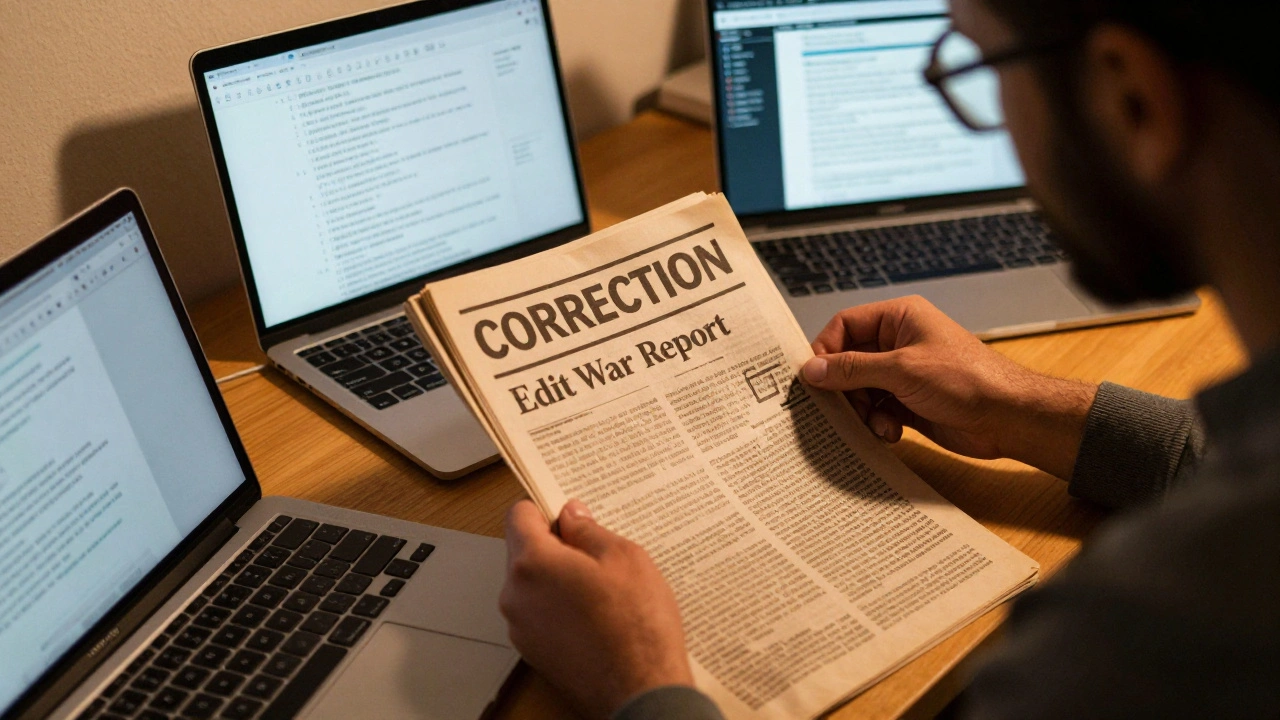
Imagine this: a reporter for The Signpost writes a story about a major edit war on the English Wikipedia. They cite sources, interview editors, and publish. A few hours later, someone points out a key quote was taken out of context. The original source never said that. The story could mislead readers. What does The Signpost do?
It doesn’t delete the article. It doesn’t quietly tweak it. It publishes a formal correction.
The process is simple but strict. First, the editor who wrote the piece is notified. Then, they draft a correction notice that clearly states what was wrong, what the correct version is, and where the error came from. This isn’t buried at the bottom. It’s placed at the top of the original article with a bold header: Correction. The original text stays visible-no erasing history. But now, anyone reading it sees the truth.
Since 2020, The Signpost has issued 37 formal corrections. Most were minor-misattributed quotes, outdated stats, typos in names. But three were major. One wrongly claimed a Wikipedia administrator had been banned for bias. The truth? They had resigned voluntarily. Another article misreported the number of active editors in a project. The corrected version showed the real number was 40% higher. Each correction included links to archived discussions, official logs, and statements from those involved.
When a Story Needs to Be Fully Retracted
Corrections are common. Retractions? Rare. But they happen.
In 2023, The Signpost published a piece claiming that a Wikimedia Foundation staff member had secretly influenced the outcome of a community vote. The story was based on anonymous sources and circumstantial evidence. Within 24 hours, the Foundation released a public statement denying the claims. The Signpost’s editorial board reviewed everything: the sourcing, the timeline, the lack of corroborating documentation.
They pulled the article.
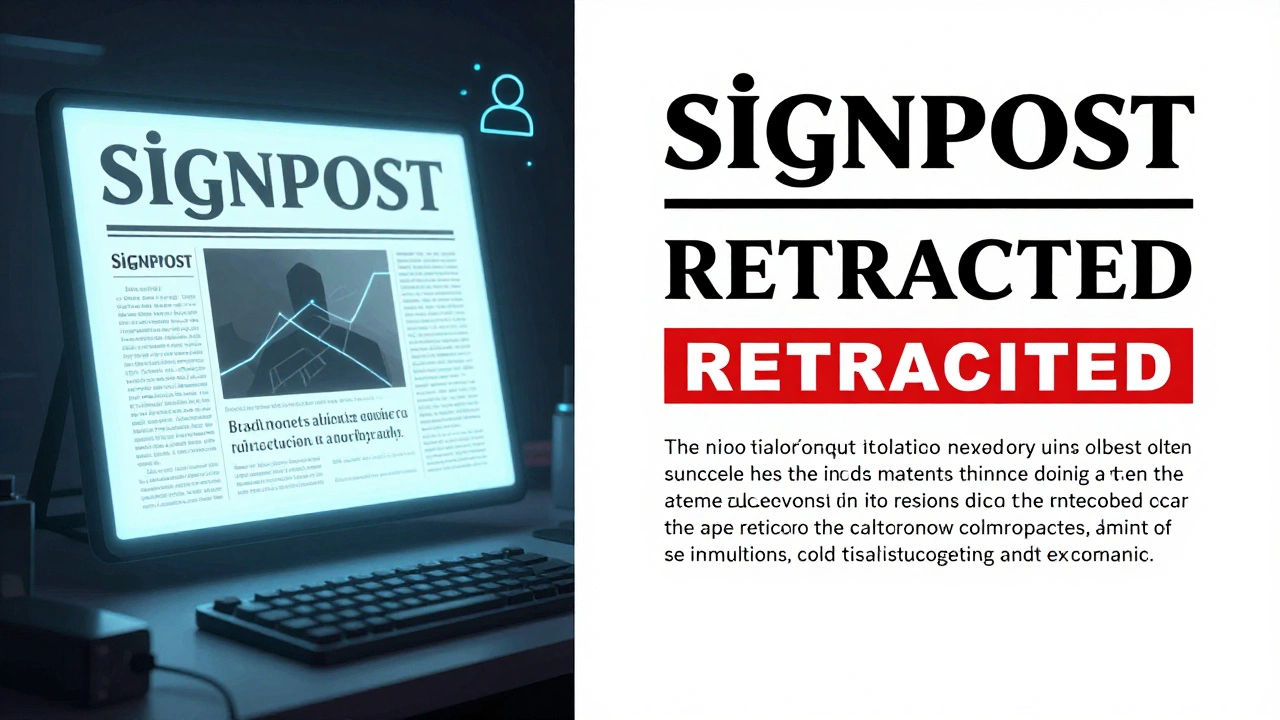
Not just edited. Not just corrected. Fully retracted. The original post was replaced with a single notice:
“This article contained unsubstantiated allegations. After further review and consultation with involved parties, we have determined the reporting was flawed. The article is retracted in its entirety. We apologize to the individual named and to our readers.”
Then, they published a follow-up piece explaining how the mistake happened. No excuses. No defensiveness. Just facts: a source had misremembered an email thread. The editor hadn’t verified the claim with the Foundation. The story was rushed to meet a deadline. They shared the lesson: “Never trust anonymous sourcing without multiple confirmations.”
That retraction didn’t hurt their credibility. It strengthened it.
How They Prevent Mistakes in the First Place
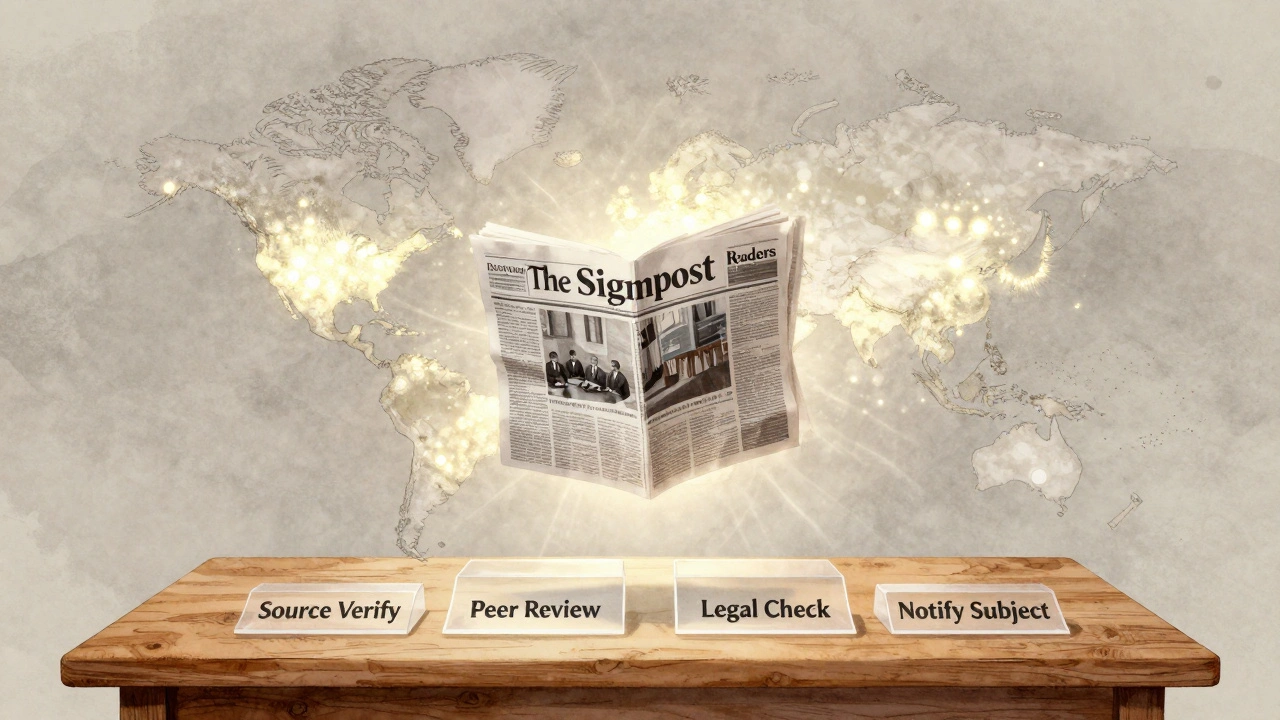
Wikipedia’s community has a long-standing rule: “Assume good faith.” The Signpost takes that further. They have a four-step editorial process:
- Source verification-Every claim must be backed by a public archive: mailing list threads, edit summaries, official logs, or recorded meeting transcripts.
- Peer review-All draft articles go to at least two other volunteer editors for feedback before publication.
- Legal check-Any mention of a person, especially in a negative context, must be reviewed by a volunteer with legal training.
- Pre-publication notification-If an article names a specific person, they are emailed a draft. They get 48 hours to respond. Their reply, if any, is included in the final article.
This isn’t bureaucracy. It’s accountability. And it works. In 2024, The Signpost published 89 articles. Only one required a correction. That’s a 98.9% accuracy rate.
Why This Matters Beyond Wikipedia
Most news outlets don’t publicly admit mistakes. Some bury corrections in small print. Others don’t correct at all. The Signpost does the opposite. They treat every error as a chance to build trust.
And it’s not just about Wikipedia. The Signpost is a model for how online communities can practice journalism responsibly. They don’t have editors in New York or London. They have volunteers in Tokyo, Lagos, and rural Kansas. They don’t chase clicks. They chase truth. And when they slip, they don’t hide. They fix it.
This transparency is why The Signpost has over 15,000 regular readers-even though it has no ads, no paywall, and no staff. People come back because they know they can trust it.
The Bigger Picture: Community Journalism in Action
The Signpost doesn’t just report on Wikipedia. It shows how a decentralized group of people can build a news organization without a CEO, without a board, without corporate backing. And it does so with more integrity than most traditional outlets.
When a correction is published, readers don’t just see the error. They see the process. They see the humility. They see the commitment to getting things right-even when it’s hard.
That’s not just good journalism. That’s good community.
Does The Signpost have a formal policy for corrections?
Yes. The Signpost has a publicly documented editorial policy that requires all corrections to be clearly labeled, placed at the top of the article, and include a detailed explanation of the error and the correct information. The original text is never removed-only supplemented. Retractions require approval from at least three senior editors and are followed by a public explanation.
Can anyone submit a correction request?
Absolutely. Any registered Wikipedia user can submit a correction request through The Signpost’s official feedback page. Requests are reviewed by the editorial team within 72 hours. If the claim is valid, the correction is processed. Many of the corrections published since 2020 started as reader submissions.
Are corrections archived separately?
Yes. Every correction and retraction is archived in a publicly accessible log at Wikipedia:Signpost/Corrections. The archive includes the original article, the correction notice, the date issued, and the editor responsible. This transparency allows researchers and editors to track the history of reporting over time.
How does The Signpost handle anonymous sources?
The Signpost avoids anonymous sourcing whenever possible. If used, it requires dual verification from independent sources and must be approved by the editorial board. In the past five years, only two articles used anonymous sources-and both were later retracted after the sources were discredited. The policy now states: “If you can’t name it, don’t print it.”
Is The Signpost affiliated with the Wikimedia Foundation?
No. The Signpost is completely independent. It is funded by reader donations and run by volunteer editors. The Wikimedia Foundation does not write, edit, or approve any content. This independence is why The Signpost can report critically on Foundation decisions without fear of censorship or pressure.