Wikipedia is free, open, and surprisingly strict. If you’re new to editing, you might think it’s just about adding facts. But the real challenge isn’t finding information-it’s knowing how to present it without breaking the rules. Thousands of new editors make the same mistakes over and over. Some get blocked. Others give up. Most never realize why their edits keep getting reverted.
Writing like a press release, not an encyclopedia
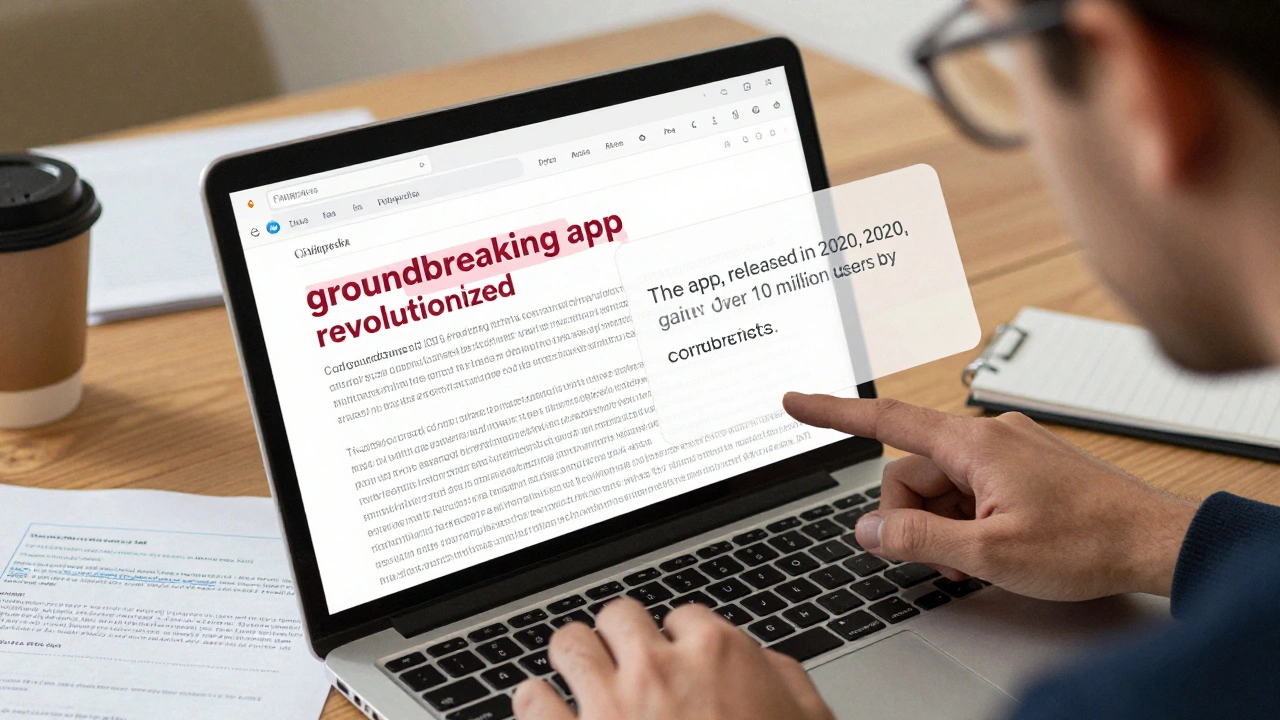
One of the most common errors is writing in promotional language. You find a company, a person, or a product you like, and you want to share why it’s amazing. So you write: “This groundbreaking app revolutionized how people connect.” That sounds great on a website homepage. On Wikipedia, it’s a red flag.
Wikipedia doesn’t praise. It describes. The correct version would be: “The app, released in 2020, gained over 10 million users by 2023, according to public usage reports.” No hype. No adjectives like “best,” “amazing,” or “world-leading.” Those aren’t facts-they’re opinions. And Wikipedia doesn’t allow opinions unless they’re attributed to a reliable source.
Real-world example: A new editor added “the most popular open-source project on GitHub” to a software article. That edit was reverted within minutes. Why? Because “most popular” isn’t measurable without citing a specific metric from a trusted source like GitHub’s own annual report or a peer-reviewed study. Without that, it’s just a guess.
Ignoring notability guidelines
Not every person, band, or startup deserves a Wikipedia page. That’s not elitism-it’s about keeping the encyclopedia useful. Wikipedia requires subjects to meet notability standards. That means they must have received significant coverage in independent, reliable sources over time.
Many new editors create articles about their local bakery, their cousin’s band, or a startup they invested in. They link to the business’s own website, a Facebook page, or a single blog post. That’s not enough. Wikipedia needs coverage from established outlets: newspapers, magazines, academic journals, or books. Local TV news counts. A tweet from the owner doesn’t.
There’s a clear test: If you search the subject’s name in Google News and only find press releases or self-published content, the topic likely isn’t notable. A 2023 study of 1,200 deleted Wikipedia articles found that 87% failed notability checks because editors relied on primary sources or social media.
Adding original research
You read three articles about climate change. You combine them, add your own interpretation, and write: “This suggests that coastal flooding will increase by 40% by 2030.” That’s original research. And it’s strictly forbidden.
Wikipedia doesn’t let you analyze, interpret, or draw conclusions. You can only report what reliable sources have already said. If a peer-reviewed journal says “sea levels could rise 0.5 to 1.2 meters by 2100,” you can quote that. But if you calculate a new projection based on those numbers, you’re crossing the line.
This rule exists because Wikipedia isn’t a platform for new discoveries-it’s a summary of what’s already been published. Even if you’re a scientist, your unpublished findings don’t belong here. The only exception is if you’re summarizing a published meta-analysis or systematic review.
Editing wars and biased language
Wikipedia’s neutral point of view (NPOV) policy is simple: don’t favor one side. But new editors often don’t realize how subtle bias can be.
Phrases like “controversial figure,” “allegedly,” or “so-called” all carry judgment. Saying “The politician, widely criticized for his policies…” implies the criticism is valid. Better: “Some critics argue his policies led to increased inequality, while supporters say they boosted economic growth.”
Editing wars happen when two people keep reverting each other’s changes. One adds “climate change is a hoax.” The other removes it. Back and forth. This violates the “three-revert rule.” After three reverts in 24 hours, you’re automatically blocked. Even if you’re right.
The fix? Use the talk page. Instead of fighting in the article, write: “I’ve added this source from The Guardian. Can we discuss whether it meets notability standards?” Most conflicts resolve when people stop editing and start talking.
Using unreliable sources
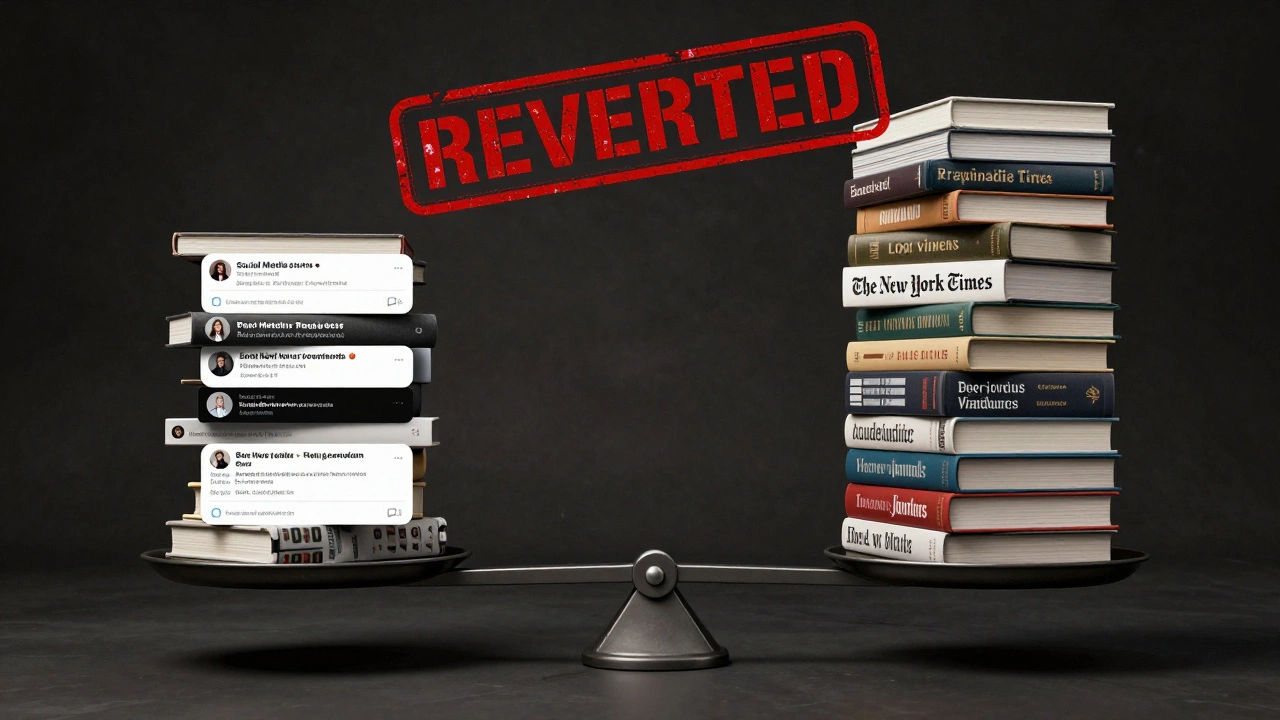
Wikipedia’s source policy is strict: only use reliable, published sources. That means no blogs, forums, Reddit threads, or personal websites. Even major news sites like BuzzFeed or The Daily Mail are often considered unreliable for serious topics.
Reliable sources include: peer-reviewed journals, university publications, major newspapers (The New York Times, BBC, Le Monde), books from academic publishers, and official government or organizational reports.
Here’s a real case: A new editor cited a YouTube video from a self-published “historian” to back up a claim about ancient Roman engineering. The edit was removed. Why? Because YouTube videos aren’t peer-reviewed, and the speaker had no academic credentials. Even if the video had millions of views, it still didn’t meet Wikipedia’s standards.
When in doubt, ask: Is this source independent? Is it published? Can someone else verify it? If the answer is no, find another source.
Overloading articles with trivial details
Wikipedia isn’t a scrapbook. It’s not the place to list every minor award, every cast member in a TV show, or every song on an album. That’s called “trivia” and it clutters the article.
For example, an article on a musician might include: “He once ate a burrito at Taco Bell in Austin in 2014.” That’s irrelevant. But “He won a Grammy for Best Rock Album in 2018” is relevant because it’s a major, verified achievement.
Wikipedia’s guideline says: include only information that helps readers understand the subject’s significance. If it’s not important to the overall narrative, cut it. The average Wikipedia article has 10-15 key sections. More than that, and it becomes unreadable.
Not using the sandbox or draft space
New editors often jump straight into live articles. That’s risky. If your draft is poorly written, poorly sourced, or biased, it gets deleted quickly-and you might get flagged as a problematic editor.
Instead, use the sandbox. It’s a testing area where you can write without fear of being reverted. Or use the Articles for Creation (AfC) process. Submit your draft, and experienced editors will review it, give feedback, and help you fix it before it goes live.
Over 60% of articles that pass AfC review stay on Wikipedia for more than a year. Only 18% of direct live edits survive past 30 days. The difference? Preparation.

Assuming everyone knows what you know
Wikipedia is read by people from all over the world. Many readers aren’t native English speakers. Many don’t know the history of your country, your school, or your favorite band.
Don’t write: “The 2008 crisis hit hard.” Too vague. Instead: “The 2008 global financial crisis, triggered by the collapse of Lehman Brothers, led to a 4.7% contraction in global GDP.”
Always define acronyms on first use: “Federal Bureau of Investigation (FBI).” Explain jargon: “A Turing test is a measure of a machine’s ability to exhibit intelligent behavior.”
Clarity beats cleverness. If a reader has to Google your sentence to understand it, you’ve failed.
Not checking the talk page or edit history
Before you edit, look at the article’s talk page. Someone may have already discussed the issue you’re about to change. Maybe the topic is under review. Maybe a source was recently disputed.
Also check the edit history. If the same sentence has been changed 12 times in the last year, there’s a conflict. Don’t be the 13th person to fight over it. Talk first. Edit later.
Many new editors don’t realize that Wikipedia is a conversation, not a bulletin board. The article is a shared document. Your job isn’t to fix it your way. It’s to improve it with others.
What to do instead
Here’s a simple checklist for new editors:
- Use the sandbox or AfC before editing live articles.
- Write in neutral, factual language-no opinions, no hype.
- Only use reliable, independent sources.
- Check notability: Has this been covered in multiple major outlets?
- Avoid original research-only report what’s already published.
- Don’t add trivia. Ask: “Does this help explain why this subject matters?”
- Read the talk page before you edit.
- Explain terms and acronyms for international readers.
- If your edit gets reverted, don’t revert back. Ask why.
Wikipedia doesn’t want perfect editors. It wants thoughtful ones. You don’t need to know everything. You just need to follow the rules, respect the process, and listen to others.
Can I edit Wikipedia if I’m not an expert?
Yes. Wikipedia doesn’t require expertise. It requires reliable sources. If you can find a quote from a published book, news article, or academic paper, you can add it. You don’t need a PhD-you just need to cite properly.
Why do my edits keep getting removed?
Most often because they lack reliable sources, violate neutrality, or add original research. Check the edit summary-it usually explains why. If it’s unclear, ask on the article’s talk page. Most experienced editors are happy to help.
Is Wikipedia biased against small organizations?
It’s not biased-it’s consistent. Small organizations can have articles if they’ve received significant coverage in independent, reliable sources. A local nonprofit with a feature in The New York Times qualifies. One with only a website and a Facebook post doesn’t. The issue isn’t size-it’s verifiability.
How long does it take to get an article approved through Articles for Creation?
It varies. Most drafts are reviewed within 7-14 days. Some take longer if they need more sourcing or clarification. The key is patience. Don’t resubmit. Don’t nag. Just wait. Reviewers are volunteers.
Can I edit articles about my own business or organization?
Technically yes-but it’s strongly discouraged. If you have a conflict of interest, your edits will be scrutinized. It’s better to suggest changes on the talk page with sources, or ask an uninvolved editor to make the changes. Self-promotion is a quick way to get blocked.