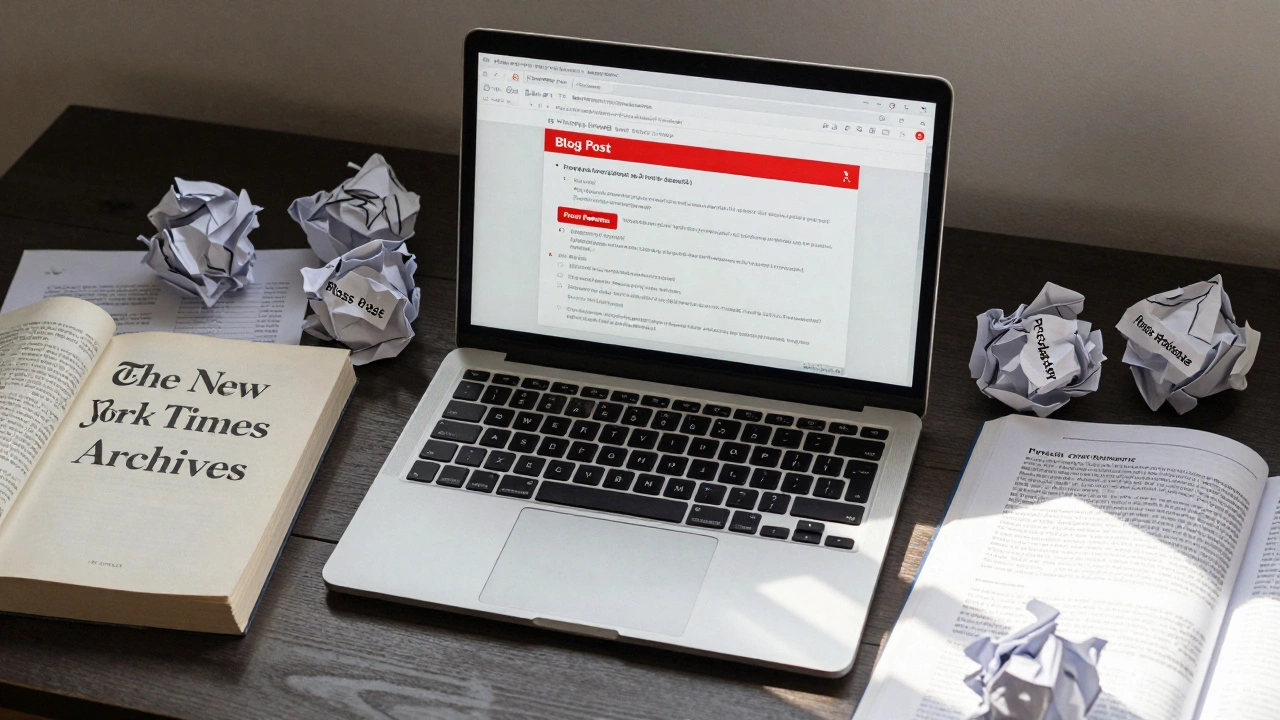
Every day, hundreds of new Wikipedia articles are created. Some are brilliant. Most are messy. And many get deleted within hours-not because they’re wrong, but because they break the basic rules of what makes a Wikipedia article work.
If you’ve ever tried to write a Wikipedia article and had it flagged, rejected, or deleted, you’re not alone. The problem isn’t usually bad intent. It’s misunderstanding what Wikipedia actually wants. It’s not a blog. It’s not a personal portfolio. It’s a reference tool built by volunteers who follow strict, non-negotiable standards.
Not Enough Reliable Sources
The most common reason new articles get deleted? No credible sources. Wikipedia doesn’t accept personal opinions, press releases, blog posts, or social media as evidence. It needs published, independent, reliable sources.
What counts? Major newspapers like The New York Times, peer-reviewed journals, books from academic publishers, or official reports from government agencies. A local blog with 200 readers? Not enough. A university press book? Perfect.
Many new editors write about their favorite indie band, a local nonprofit, or their startup-and then link to their own website or a Facebook page. That’s a red flag. Wikipedia requires third-party coverage. If the only sources are the subject’s own pages, the article will be deleted.
Before you start writing, ask: Can I find at least two or three independent, published sources that talk about this topic in depth? If not, the topic might not be notable enough for Wikipedia yet.
Original Research and Personal Analysis
Wikipedia doesn’t let you explain things your way. You can’t summarize a book and add your own interpretation. You can’t connect dots that aren’t already connected in published sources.
For example, if you write, “This scientist’s work led to the rise of renewable energy in the 2020s,” you’re making a causal claim. That’s original research unless a peer-reviewed paper or major news outlet has already made that exact connection.
Wikipedia is a summary of what’s already been published-not a platform for new theories. Stick to reporting what sources say. Don’t interpret, predict, or analyze unless it’s clearly stated in a reliable source.
Want to make a point? Find a source that already made it. Quote it. Cite it. That’s it.
Too Much Promotional Language
Wikipedia articles aren’t advertisements. If your article sounds like a company website, a fan page, or a press kit, it’s going to get flagged.
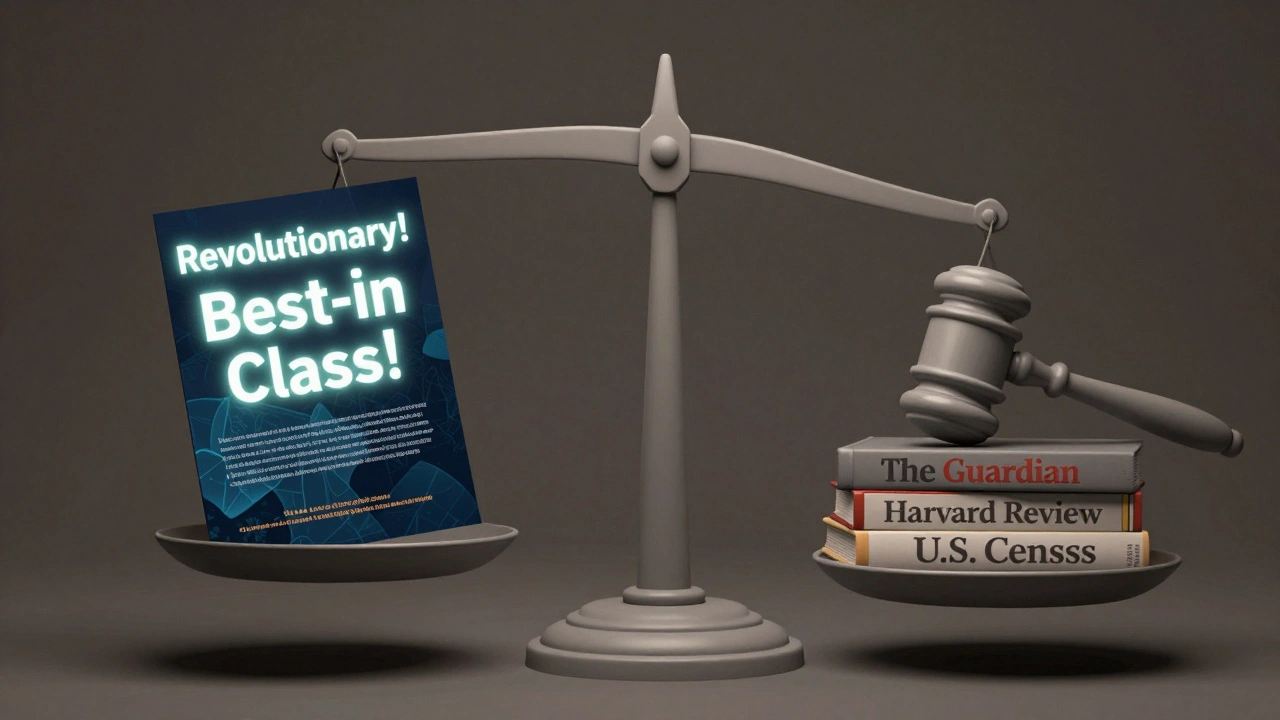
Phrases like “revolutionary,” “best-in-class,” “award-winning,” or “trusted by thousands” are red flags. These aren’t neutral facts-they’re marketing claims. Wikipedia requires a neutral point of view. Always.
Instead of saying, “This app is the most intuitive productivity tool on the market,” say: “The app received a 4.7-star rating on the Apple App Store in 2024, according to App Annie.” Then link to the source.
Even words like “famous” or “well-known” can be problematic. Replace them with evidence: “The artist was featured in three major art magazines between 2020 and 2023.”
Not Notable Enough
Not every person, place, or thing deserves a Wikipedia page. Wikipedia has strict notability guidelines.
For people: They need significant coverage in multiple independent, reliable sources. A local news article about a school play? Not enough. A profile in The Guardian and an interview on NPR? That’s better.
For organizations: They need substantial coverage beyond press releases. A startup with a Crunchbase profile and one blog post? Not notable. A company with features in Forbes, TechCrunch, and a case study in Harvard Business Review? That’s the bar.
For events: Was it covered by multiple major outlets? Did it have wide cultural or historical impact? A small local festival? Probably not. A national protest that led to policy change? Maybe.
If you’re unsure, check Wikipedia’s notability guidelines for your topic type. If you can’t find at least two or three solid sources that go beyond basic mentions, the topic likely doesn’t meet the threshold.
Poor Structure and Formatting
Even if your content is solid, bad structure will kill your article. Wikipedia articles follow a standard format: introduction, sections, references, and external links.
New editors often write a single block of text. Or they start with a long biography before explaining why the topic matters. Or they forget to add references entirely.
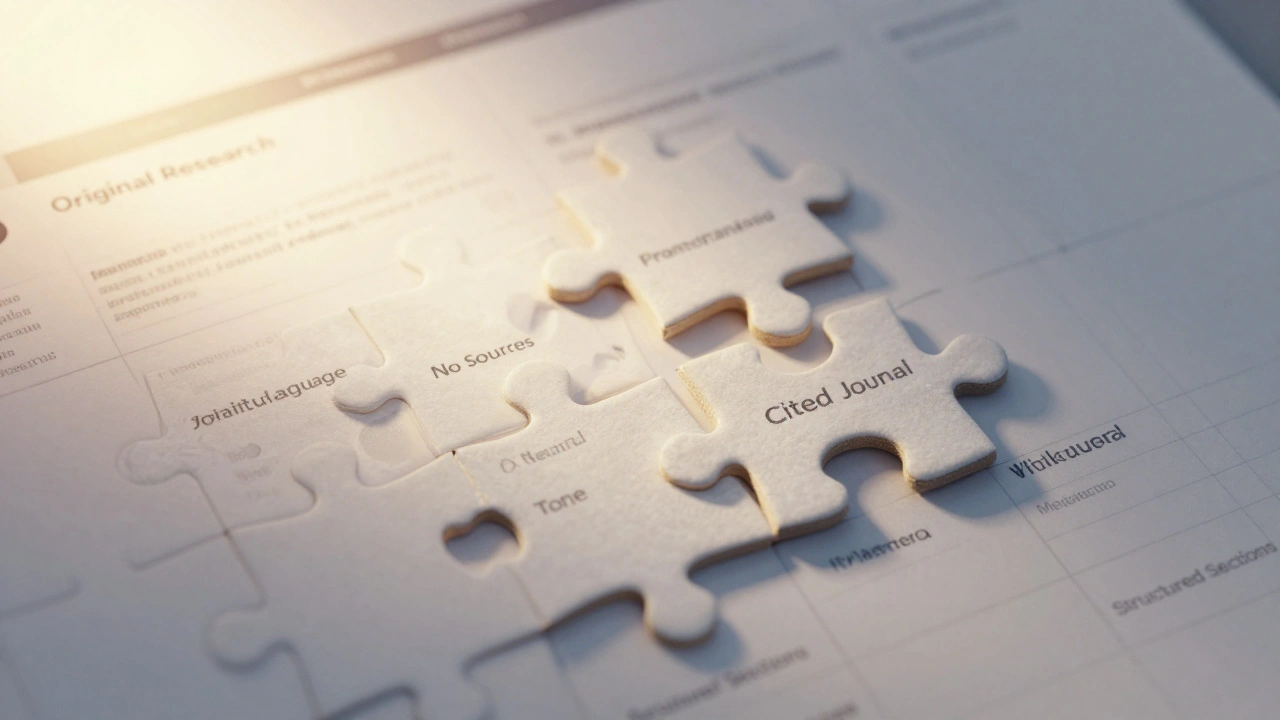
Here’s what a basic article structure should look like:
- Lead section: One or two paragraphs summarizing who or what it is, why it’s important, and key facts.
- Sections: Organized by topic-history, work, impact, controversies, etc. Each section should have a clear heading.
- References: Every factual claim needs a citation. Use the
<ref>tag properly. - External links: Only include links to authoritative sources, not social media or personal sites.
Use Wikipedia’s article wizard or copy the structure of a well-written article on a similar topic. Don’t reinvent the wheel.
Ignoring Wikipedia’s Neutral Point of View
Wikipedia doesn’t take sides. It doesn’t favor the underdog, the popular opinion, or the controversial view. It reports what reliable sources say-and presents multiple perspectives when they exist.
For example, if you’re writing about a political figure who’s widely criticized, you can’t just list the praise. You also need to include documented criticisms from credible sources.
Same goes for controversial topics: climate change, vaccines, historical events. If major sources disagree, say so. “While some researchers argue X, others, including the National Academy of Sciences, maintain Y.”
Neutral doesn’t mean boring. It means fair. It means you’re not trying to convince readers-you’re helping them understand what’s been published.
Copying Text from Other Sources
Plagiarism is a serious violation. Even if you rewrite a paragraph from a website, if the structure and wording are too similar, it’s still a copyright issue.
Wikipedia’s content must be original writing based on sources-not paraphrased copy. You can use sources for facts, but you must express them in your own words.
Here’s a simple test: Read a source. Close it. Write what you remember in your own voice. Then check your version against the original. If it’s too close, rewrite it again.
Also, never copy entire sections from other Wikipedia articles. That’s considered self-plagiarism. Even if it’s “just Wikipedia,” it’s still protected under the Creative Commons license. You can use it as a reference, but you must rewrite it.
Not Using References Correctly
References aren’t optional. They’re the backbone of every Wikipedia article. But many new editors make the same mistakes:
- Putting all references at the end without linking them to specific claims.
- Using bare URLs instead of proper citation templates.
- Citing sources that don’t actually support the claim.
Every fact that’s not common knowledge needs a citation. “The population of Chicago is 2.7 million” - cite the U.S. Census Bureau. “The company was founded in 2018” - cite a press release from the company, or a reliable news article.
Use the citation templates. For books: {{cite book}}. For websites: {{cite web}}. For journals: {{cite journal}}. These make citations look professional and help editors verify them.
And never use “Retrieved from” unless the source is dynamic (like a live webpage). For books or static articles, just cite the publication date and source.
How to Fix These Issues Before Submitting
Before you hit “publish,” run through this checklist:
- Can I find at least two independent, reliable sources that discuss this topic in detail?
- Am I reporting what sources say, not adding my own analysis?
- Does the tone sound neutral, not promotional or emotional?
- Have I structured the article with clear sections and a lead summary?
- Is every factual claim backed by a properly formatted citation?
- Have I rewritten everything in my own words, even if I used a source for ideas?
- Have I checked the notability guidelines for my topic type?
If you answer yes to all of these, your article has a real chance of surviving.
What to Do If Your Article Gets Deleted
Don’t panic. Don’t re-create it the same way. Don’t argue with the deleting editor.
Go to the deletion discussion page. Read why it was removed. Then, fix the issues. Improve the sources. Rewrite the tone. Add proper structure.
Then, use the “Articles for Creation” process. Submit it there. A trained reviewer will help you. It’s slower, but it’s safer.
Many successful Wikipedia editors started with deleted articles. They didn’t give up. They learned. And they came back with better work.
Wikipedia isn’t perfect. But its rules exist for a reason: to keep it accurate, fair, and useful. If you follow them, your article won’t just survive-it might become a trusted resource for thousands of readers.
Why do new Wikipedia articles get deleted so quickly?
New articles are often deleted because they lack reliable sources, contain original research, sound promotional, or don’t meet notability standards. Wikipedia volunteers review submissions quickly and remove content that doesn’t follow the site’s strict policies. Most deletions aren’t personal-they’re about policy compliance.
Can I write about my own business or organization on Wikipedia?
You can, but only if your business has received significant coverage in independent, reliable sources-not your own website or press releases. Wikipedia considers self-promotion a conflict of interest. If you’re closely tied to the subject, it’s better to suggest improvements to existing articles or ask neutral editors for help.
Do I need to be an expert to write a Wikipedia article?
No, you don’t need to be an expert. But you do need to be a careful researcher. Wikipedia values reliable sources over personal knowledge. If you can find and properly cite authoritative materials, you can write a valid article-even if you’re new to the topic.
How many sources do I need for a Wikipedia article?
There’s no fixed number, but you generally need at least two or three independent, reliable sources that provide substantial coverage. A single mention in a news article isn’t enough. The sources should discuss the topic in depth-not just name-drop it.
What’s the difference between a Wikipedia article and a blog post?
A blog post shares personal opinions, experiences, or interpretations. A Wikipedia article summarizes what reliable sources have already published. Wikipedia doesn’t allow original analysis, promotional language, or first-person perspective. It’s a reference, not a platform for expression.