Wikipedia isn’t just a collection of articles-it’s a living archive built by millions of volunteers. But every time someone copies text from a website, book, or blog without permission, it breaks the rules. Copyvio, short for copyright violation, is one of the most common reasons articles get flagged, deleted, or locked. If you’ve ever edited Wikipedia and got a warning about copied content, you know how frustrating it can be. The good news? There are clear tools, processes, and ways to fix it.
How Wikipedia Detects Copyvio
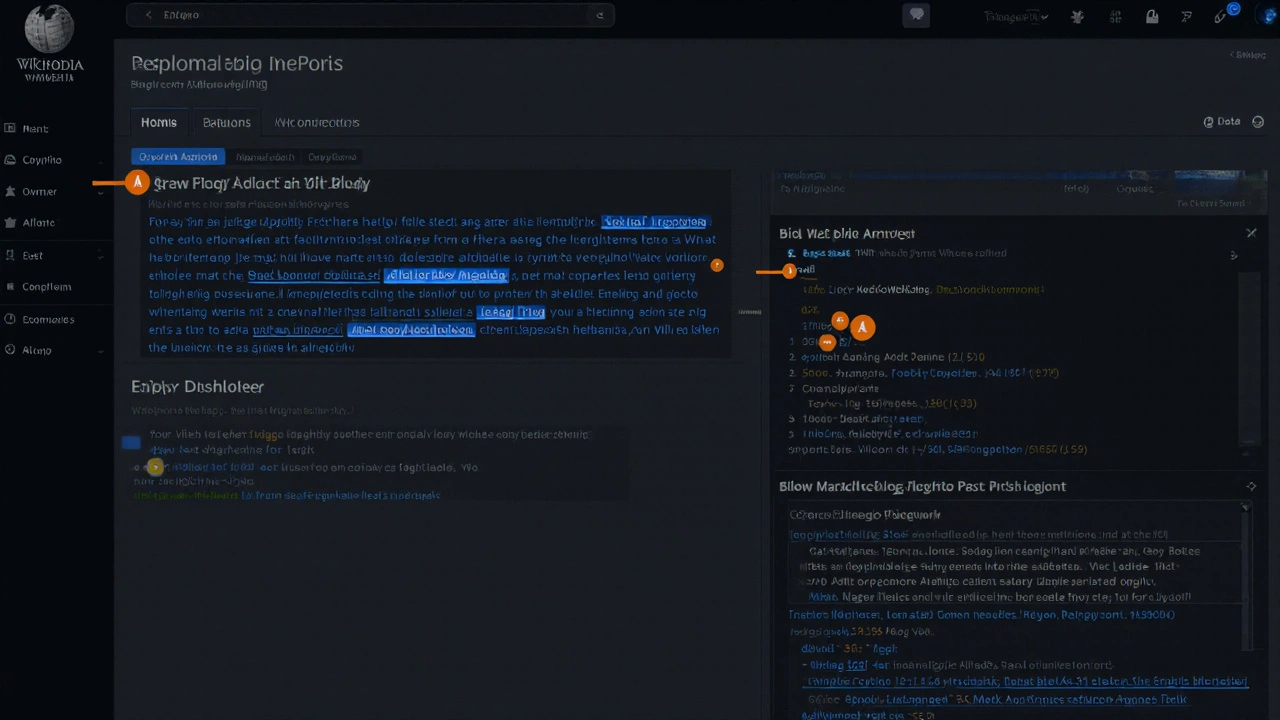
Wikipedia doesn’t rely on guesswork. It uses automated tools to scan new edits and existing articles for text that matches content elsewhere online. The main tool is Copyvio, a bot that compares edits against billions of web pages, academic journals, books, and news sites. When it finds a match, it flags the edit and leaves a note on the article’s talk page.
These tools aren’t perfect. They sometimes flag common phrases like “the capital of France is Paris” or standard definitions from dictionaries. But when a paragraph, section, or entire article matches another source word-for-word-especially if it’s from a copyrighted website like a newspaper, textbook, or corporate page-it’s a red flag.
Wikipedia’s policy is strict: all content must be original or properly attributed. Even if you didn’t write the copied text, posting it without permission is a violation. That’s why editors are trained to spot copyvio early. If you’re adding a quote, you need quotation marks and a citation. If you’re paraphrasing, you need to reword it completely.
Common Tools Used to Check for Copyvio
Wikipedia editors don’t wait for bots to catch everything. Many use external tools to check their own edits before saving. Here are the most trusted ones:
- DupDet - A Wikipedia internal tool that checks edits against a live database of web pages. It’s fast and integrated into the edit interface.
- Turnitin - Used by universities and sometimes by experienced editors to scan against academic papers and journals.
- Grammarly - While designed for grammar, its plagiarism checker can spot copied content from public websites.
- Google Search - The simplest method. Copy a suspicious sentence, put it in quotes, and search. If it appears on another site, you’ve found your source.
- Copyscape - A paid tool used by professionals. It scans the web for exact or near-exact matches and shows where the content originated.
Most Wikipedia editors use Google and DupDet together. If you’re unsure, paste a chunk of text into Google. If it shows up on a blog, news site, or commercial page, it’s likely copyvio. Even if the source is old or obscure, if it’s not in the public domain or licensed for reuse, it’s risky.
What Happens When Copyvio Is Reported
Once a copyvio is flagged, the article enters a review process. It doesn’t get deleted immediately. A volunteer editor or administrator checks the claim. They compare the Wikipedia text with the source. If it’s a direct copy with no attribution, the article is usually tagged with {{copyvio}} and scheduled for deletion.
Here’s what typically happens next:
- The article is tagged with a copyvio warning on its talk page.
- Editors have 7 days to fix it by rewriting the content.
- If no action is taken, the article is nominated for deletion.
- After review, it’s either deleted or restored if rewritten properly.
Some articles get deleted quickly if the violation is obvious. Others stay up longer if the editor argues it’s fair use or public domain. But Wikipedia rarely accepts fair use for text-only images and audio clips. Text must be original or licensed under Creative Commons.
How to Rewrite Copyvio Content Correctly
Don’t panic if your article gets flagged. Rewriting isn’t about changing a few words-it’s about understanding the idea and explaining it in your own voice.
Here’s how to do it right:
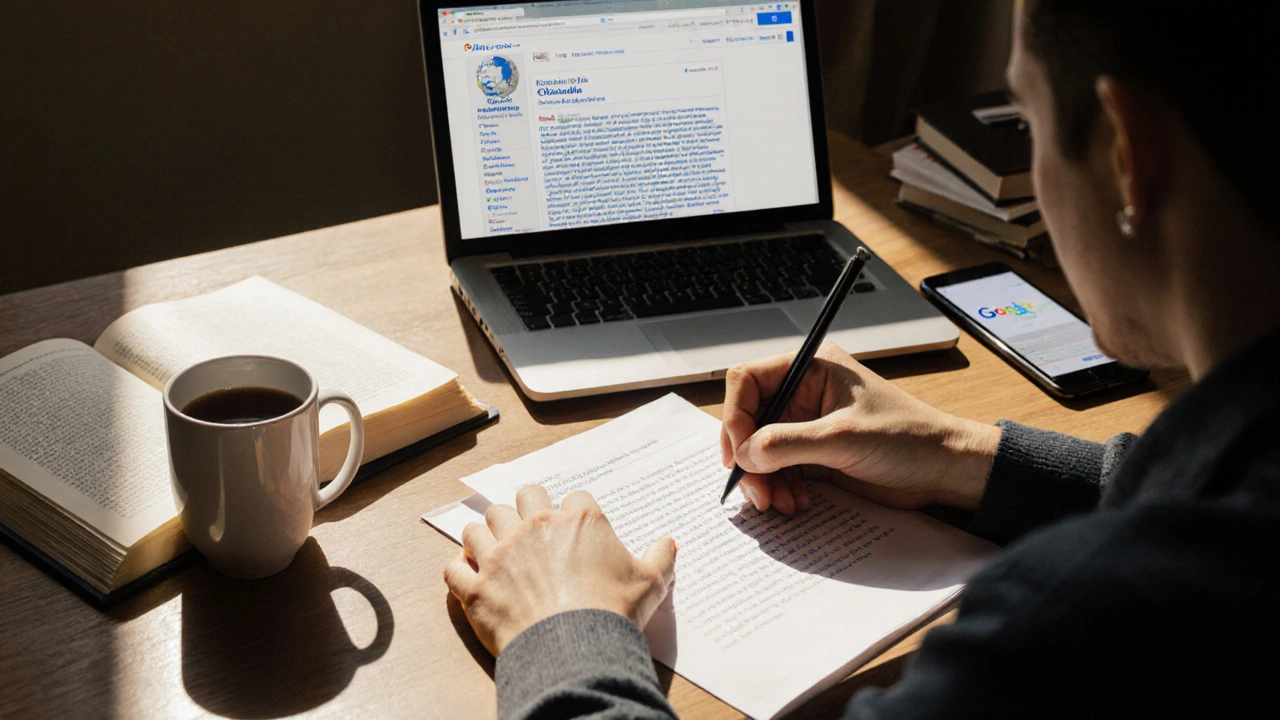
- Close the source. Don’t copy while looking at it. Read it once, then close the tab.
- Explain the concept out loud, as if teaching someone. What’s the core idea?
- Write it from scratch using your own sentence structure, vocabulary, and flow.
- Use citations to credit the original source-even if you rewrote it.
- Check your rewrite with Google. Paste a few sentences to make sure they don’t match.
For example, if the source says: “The iPhone was introduced by Steve Jobs on January 9, 2007, at the Macworld Conference & Expo,” your rewrite shouldn’t just swap “introduced” for “launched.” Try: “Steve Jobs revealed the first iPhone during a keynote at Macworld in early 2007, marking a major shift in mobile technology.” That’s original. That’s safe.
Wikipedia’s guidelines say you must “transform” the content. That means changing the structure, tone, and phrasing-not just replacing synonyms. A thesaurus won’t save you. Your brain has to do the work.
When Copyvio Isn’t a Violation
Not every match is a problem. Some content is fair game:
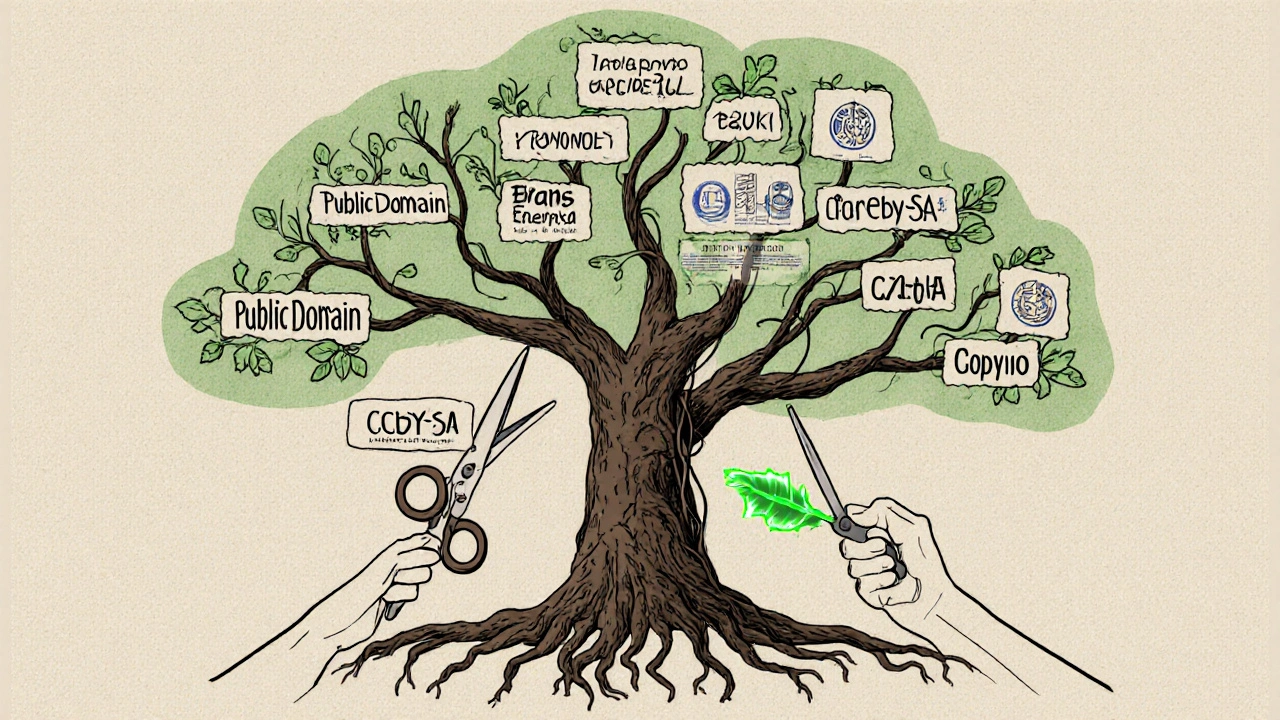
- Text from public domain sources (like old books or government documents).
- Content licensed under CC-BY-SA or compatible licenses (like other Wikipedia articles).
- Facts that can’t be copyrighted-dates, names, numbers, historical events.
- Short phrases that are common knowledge or idioms.
But here’s the catch: even if a fact is public, the way it’s written might not be. You can say “Albert Einstein developed the theory of relativity.” That’s fine. But if you copy a 300-word explanation from a physics textbook, that’s a violation-even if the facts are true.
Wikipedia allows you to use sources, but not to copy them. Think of it like cooking: you can use a recipe to make a dish, but you can’t photocopy the recipe and hand it out as your own.
What to Do If Your Article Was Deleted
If your article got deleted for copyvio, you can appeal. Go to the deletion log, find the reason, and check the archived version. Then:
- Recreate the article from scratch using your own words.
- Remove all copied text-even if you think it’s “just a little.”
- Add reliable sources to back up each claim.
- Submit it again through the Articles for Creation process.
Don’t just copy-paste the old version back in. That won’t work. The system remembers. You need to prove you rewrote it properly. Editors will check your edit history. If they see you reused the same structure or phrasing, it’ll be rejected again.
Many editors get banned for repeat copyvio offenses. It’s not punishment-it’s protection. Wikipedia’s credibility depends on original, verifiable content. If anyone could copy from a blog, the whole site would become unreliable.
How to Avoid Copyvio Before You Start
The best way to deal with copyvio? Don’t create it in the first place.
- Always write in draft mode. Don’t save directly to the main namespace.
- Use a text editor to write your content before pasting into Wikipedia.
- Keep a list of your sources. Even if you rewrite, you need to cite them.
- Ask yourself: “Would this sound natural if I said it aloud?” If it sounds like a textbook or website, rewrite it.
- Use the Wikipedia sandbox to test edits before publishing.
Also, avoid using AI tools like ChatGPT to generate Wikipedia content. Many AI outputs are trained on copyrighted material and can produce text that matches existing sources. Even if you edit it, the underlying structure might still trigger a copyvio flag.
Wikipedia values human-written content for a reason. It’s more reliable, more original, and more trustworthy. If you’re putting in the effort to write well, the system will reward you.
What happens if I accidentally copy text on Wikipedia?
If you accidentally copy text, don’t panic. Edit the article immediately to rewrite the section in your own words. Add citations to the original source. Most editors will appreciate the correction and won’t pursue further action if you fix it quickly.
Can I use text from other Wikipedia articles?
Yes, but only if you follow Wikipedia’s licensing rules. All Wikipedia content is licensed under CC-BY-SA, so you can reuse it as long as you credit the original authors and release your version under the same license. Always link back to the article you copied from.
Are government documents safe to copy?
In most cases, yes. U.S. federal government documents are in the public domain and can be copied freely. Other countries vary-check local laws. Always confirm the source’s copyright status before using it.
Why does Wikipedia care so much about copyvio?
Because Wikipedia’s credibility depends on original, legally compliant content. If it started copying from blogs or textbooks, it would lose trust with readers, researchers, and schools. More importantly, it could face legal action from copyright holders.
Can I use AI to rewrite copyvio content?
It’s risky. AI tools often rephrase text using patterns from copyrighted sources, which can still trigger copyvio detectors. Even if the output seems different, it may match hidden fragments in the web. Human rewriting is more reliable and less likely to cause problems.
Final Thoughts
Copyvio isn’t about being perfect-it’s about being responsible. Every time you write something original, you’re helping Wikipedia stay trustworthy. Every time you rewrite instead of copy-paste, you’re making the platform better for everyone.
It takes more effort, sure. But the reward? Knowing your edits will last. Knowing your contribution won’t vanish because someone else wrote it first. That’s the real value of Wikipedia-not just the information, but the integrity behind it.