Imagine finding a gap in a medical article that has persisted for five years. You know the answer, but you hesitate to edit because the last time you tried, a bot reverted your change before you could explain your source. This friction is why subject-matter experts are specialists with deep professional or academic knowledge who contribute high-quality, verified information to public knowledge bases. They hold the keys to accurate content, yet they often stay on the sidelines. The goal here is simple: how do we make Wikipedia welcoming enough for these experts to stay?
The Barrier Between Knowledge and Contribution
Wikipedia is a free, web-based collaborative project intended to provide a free, universal knowledge base to humanity, launched in 2001. It relies entirely on volunteers. However, the platform’s strict adherence to neutral point of view (NPOV) and verifiability creates a unique psychological barrier for professionals. An expert knows their field deeply, but they may not know the specific citation formats or consensus-building norms required by the community.
For a researcher in astrophysics, adding a new discovery feels natural. For a Wikipedia editor, it requires finding a reliable secondary source that confirms that discovery. This disconnect leads to what the community calls "edit wars," where experts feel their authority is being challenged by amateur editors who prioritize process over substance. To attract experts, we must reduce this cognitive load. The solution isn't to lower standards; it's to build better onboarding pathways that translate professional expertise into encyclopedic format without friction.
Building Trust Through Transparent Processes
Trust is the currency of crowdsourced knowledge. When an expert joins, they need to see that their contribution will be respected, not just debated. One effective strategy is the use of talk pages, which serve as discussion forums attached to articles where editors negotiate changes and reach consensus. Instead of editing directly, experts can propose changes on the talk page first. This allows them to explain their rationale using their professional credentials while inviting feedback from existing editors.
Communities have started implementing "expert badges" or recognized contributor lists for certain fields. While not official ranks, these social markers help other editors identify when a comment comes from someone with relevant degrees or publications. This reduces the initial skepticism that often triggers defensive reverts. By making the social dynamics visible and predictable, we lower the risk perception for new contributors.
Strategic Outreach Beyond the Platform
You cannot wait for experts to find you. Proactive outreach is essential. Universities, research institutions, and professional associations are rich veins of talent. Collaborating with library science departments, for instance, provides a dual benefit: librarians understand citation rigor, and students gain practical experience in digital curation.
Here is a practical framework for outreach:
- Identify Niche Gaps: Use tools like WikiProjects, which are collaborative groups within Wikipedia dedicated to improving specific topics or regions, to find areas with low coverage. Target experts in those exact niches.
- Simplify the Entry Point: Don't ask for a full biography rewrite. Ask for one specific fact verification or one source addition. Small wins build confidence.
- Provide Mentorship: Pair new expert contributors with experienced editors who act as guides, not gatekeepers. This mentorship model mirrors academic advising, a familiar structure for many specialists.

The Role of Technology in Facilitating Contribution
Technology should serve the editor, not the other way around. The current interface, while powerful, can be intimidating. Features like VisualEditor, which is a tool that allows users to edit Wikipedia pages using a word-processor-like interface instead of raw wiki markup, have helped bridge the technical gap. However, for experts, the challenge is often semantic, not syntactic. They need tools that help them map their complex ideas to the encyclopedia's structure.
Future developments focus on AI-assisted summarization and source validation. Imagine a tool that scans a provided PDF and automatically suggests citations in the correct format, flagging potential conflicts with existing text. This doesn't replace human judgment, but it removes the tedious formatting work that deters busy professionals. By automating the mechanical aspects of editing, we free up mental energy for the actual intellectual contribution.
Comparing Traditional Media and Open Collaboration
To understand why experts might hesitate, compare the incentives. In traditional academic publishing, peer review offers prestige and career advancement. In journalism, deadlines drive output. Wikipedia offers neither immediate career capital nor tight deadlines. So, what is the incentive? It is legacy and impact. A Wikipedia article can be read millions of times, instantly updating global understanding. For an expert, this is a form of public service that transcends institutional boundaries.
| Platform Type | Primary Barrier | Expert Incentive | Feedback Loop Speed |
|---|---|---|---|
| Academic Journals | Lengthy Peer Review | Career Advancement | Months to Years |
| Traditional Media | Editorial Gatekeeping | Public Recognition | Days to Weeks |
| Wikipedia | Community Consensus & Formatting | Global Impact & Legacy | Minutes to Hours |
Overcoming Cultural Resistance
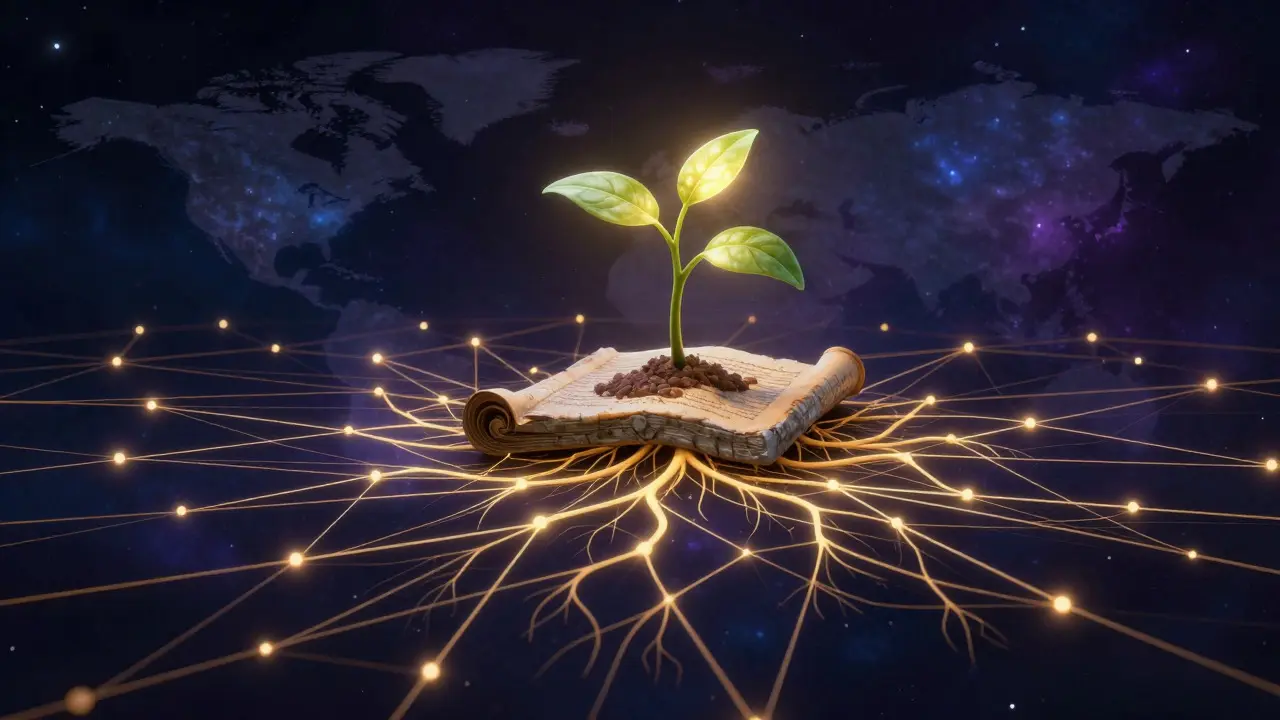
Culture eats strategy for breakfast. Even with great tools, if the community culture is hostile, experts will leave. The key shift is moving from a "police" mindset to a "gardener" mindset. Editors should view themselves as tending a garden, pruning weeds (errors) but nurturing growth (new insights). Training programs for veteran editors on how to welcome newcomers are crucial. A single negative interaction can cost a community an entire specialist for decades. Investing in soft skills-patience, clarity, empathy-is as important as investing in technical infrastructure.
Measuring Success Beyond View Counts
How do we know if our efforts to attract experts are working? Don't just look at traffic. Look at retention rates of expert contributors. Track the number of articles improved by credentialed sources. Monitor the reduction in revert rates for new accounts. These metrics indicate a healthier ecosystem where quality contributions are welcomed rather than contested. When the friction drops, the flow of high-quality knowledge increases naturally.
Frequently Asked Questions
Do I need a degree to contribute to Wikipedia as an expert?
No formal degree is required. What matters is verifiable expertise. If you can cite reliable sources that confirm your knowledge, your contribution is valid. However, having professional credentials helps build trust quickly with other editors.
What is the best way to avoid edit wars?
Always discuss changes on the talk page before making major edits. Cite reliable secondary sources clearly. Assume good faith in others' intentions. If stuck, seek mediation through the dispute resolution process rather than reverting repeatedly.
Can companies sponsor Wikipedia experts?
Yes, but transparency is key. Corporate-sponsored editors must disclose their affiliation. The content must remain neutral and based on independent sources, not just company press releases. This ensures the credibility of the entry remains intact.
How long does it take to become a trusted editor?
There is no fixed timeline. Trust is built through consistent, well-sourced contributions and positive interactions. Some experts gain trust within weeks; others take months. Focus on quality over quantity.
Is Wikipedia suitable for very recent scientific discoveries?
Yes, provided the discovery has been reported in reliable secondary media. Since Wikipedia relies on verifiability rather than original research, once a reputable news outlet or journal covers the discovery, it is eligible for inclusion. Timeliness is a strength of the platform.