In today's fast-paced news environment, speed often clashes with accuracy. Wikipedia is a free online encyclopedia written collaboratively by volunteers that serves as a starting point for thousands of stories. However, relying on it without verification opens your publication to serious credibility risks. An effective Editorial Checklist bridges the gap between convenience and journalistic integrity. This guide helps you build a system that protects your reputation while acknowledging the tool's practical value.
Quick Summary
- Establish clear rules distinguishing between using Wikipedia for leads versus sourcing facts.
- Mandate checking revision history to identify vandalism or recent changes.
- Verify claims against original sources cited in the Wikipedia footnotes.
- Create a training module for journalists to recognize neutral point of view markers.
- Document every exception where Wikipedia was used as a direct source.
Understanding the Risk Landscape
You might wonder why a standard procedure is necessary when most reporters already know how to use a search engine. The issue lies in the nuance of verifiability, a core concept in both journalism and wiki culture. Unlike traditional encyclopedias, anyone can edit pages at any moment. In March 2026, this means a page could have been updated hours before you accessed it, potentially containing unverified data.
Without a formal process, journalists treat the visible text as absolute truth. They copy quotes or statistics that were inserted minutes ago by an anonymous user. The damage happens when those errors make it into print. A checklist forces a pause. It turns a quick reference action into a deliberate verification step. You are not banning the tool; you are disciplining the interaction.
The core challenge involves understanding the difference between a lead and a source. Using the platform to find out who won an election last night is acceptable research. Publishing a statistic solely because it appears on the page is negligence. Your policy must clearly define this boundary to prevent accidental misinformation.
Core Components of the Checklist
| Usage Scenario | Acceptability Level | Required Action |
|---|---|---|
| Gathering background context | Permitted | No citation required in final piece |
| Finding primary source locations | Permitted | Must access and verify original document |
| Direct quotation or specific stats | Prohibited | Cite the primary reference linked below the text |
| Biographical details of public figures | Conditional | Verify against official bios or reliable news reports |
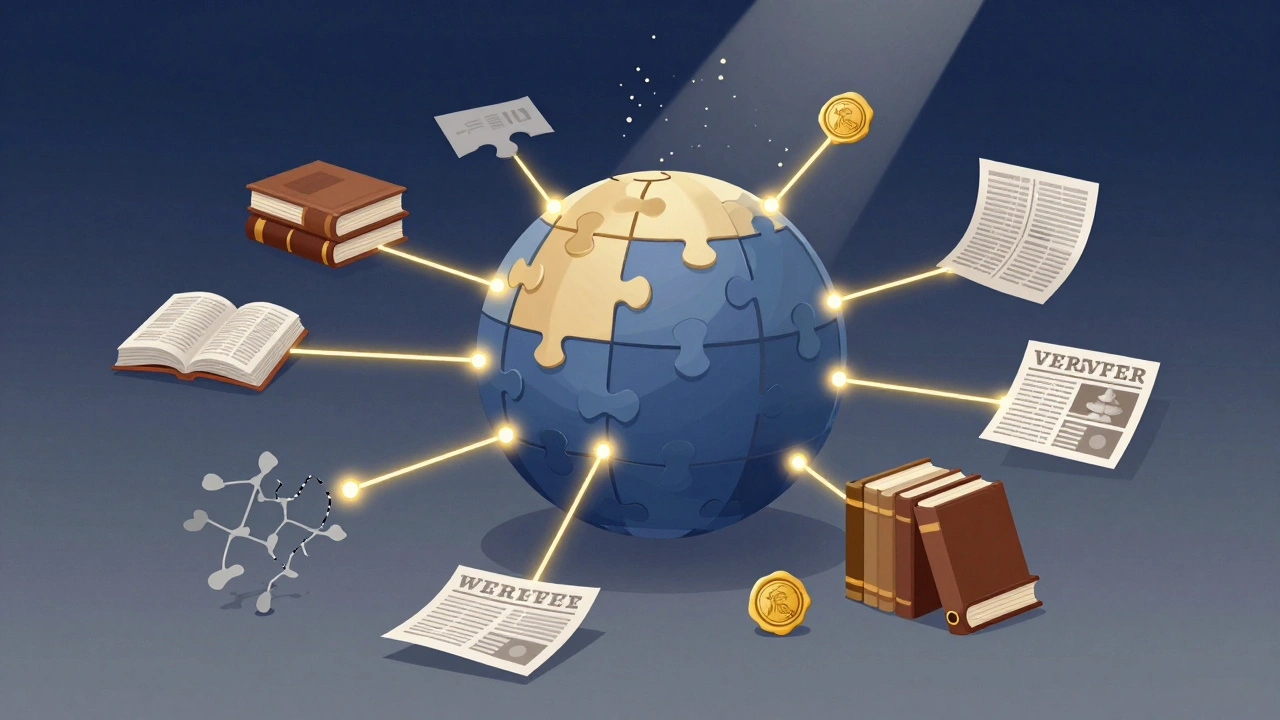
Your checklist needs to cover four distinct phases: identification, verification, attribution, and documentation. Identification means recognizing when information looks suspiciously perfect or too good to be true. Verification is the act of opening the citation links provided at the bottom of the article. Attribution ensures you credit the original data provider, not the intermediate platform. Documentation creates an audit trail for editors reviewing the work.
This structure mirrors the workflow of professional intelligence analysis. Just as OSINT analysts validate open-source data against multiple signals, your reporters should triangulate facts found online. If the information exists only on the wiki page and has no citations, it belongs in the "discard" pile regardless of how plausible it sounds.
Step-by-Step Verification Process
Creating the document is only half the battle. Executing it requires specific technical steps that staff can easily follow. Here is the workflow you should embed into your digital reporting tools or physical style guides.
- Access the Page: Note the URL and date of access immediately.
- Check the Talk Page: Look for discussions indicating ongoing disputes or reliability concerns.
- Review Revision History: Scroll back through recent edits to see if data has been fluctuating rapidly.
- Trace Citations: Click the superscript numbers attached to claims. Open the external links.
- Assess External Sources: Determine if the linked source is reliable (e.g., academic journals, established newspapers).
- Record Findings: Log which external source you actually relied upon for the story.
One common pitfall is linking to a paper that is behind a paywall. If the Wikipedia citation points to a subscription-only study, a reporter might not be able to verify it. In these cases, the policy should default to rejecting the claim until they can access the PDF through a library account or alternative source.
Another technical detail involves checking for vandalism tags. Sometimes users revert malicious edits quickly. Even after the revert, the data might still be flagged as unstable. Your checklist should warn editors to look for maintenance tags like "citation needed" or "unreferenced" prominently displayed in the text. These are red flags that require extra scrutiny.
Implementation and Culture
A policy sitting in a PDF folder will likely be ignored. To make the Newsroom Policy stick, you need cultural reinforcement. Editors must model the behavior themselves. If the Managing Editor writes a story using unchecked wiki data, junior staff will follow suit.
Integration works best when the checklist is embedded directly into the content management system (CMS). Imagine a mandatory field that pops up when a reporter enters a URL from the wiki domain. This field asks them to confirm they have checked the primary sources. If they check the box without doing the work, they are lying to their supervisors, which carries different consequences than simple oversight.
Training sessions should use real-world examples of failures. Show them articles from other outlets that retracted stories due to inaccurate biographical data sourced from unverified pages. Visualizing the fallout makes the abstract risk concrete. This is how you move the team from seeing the rule as bureaucratic red tape to viewing it as professional armor.

Exceptions and Gray Areas
There will always be situations where the rules feel rigid. For instance, breaking news events sometimes rely heavily on community-sourced updates before official records exist. During crises, the line blurs. Your policy must have an emergency clause. Under crisis conditions, reliance on crowd-sourced info is permissible, but it must be labeled clearly as "community reported" rather than confirmed fact.
Also consider the lifespan of the information. Historical trivia regarding past events is generally safer because the consensus on a wiki page has likely stabilized over years. Current political developments change daily. A checklist item regarding the age or date of the subject matter adds another layer of safety. Older data usually carries less risk of immediate manipulation.
Licensing also plays a role. Most Creative Commons Licenses allow text reuse, but news organizations rarely rewrite encyclopedia text directly. They extract facts. The legal framework supports fact extraction, but your ethical framework should prioritize independent confirmation. Do not simply repurpose text, even if licensed freely. Rewrite it in your own voice after verifying the underlying truth.
Measuring Success
How do you know the policy is working? Track correction rates related to source material. If you start requiring verification and corrections drop significantly, the process is effective. Another metric is the time taken to publish. Initially, verification slows things down. Over time, muscle memory speeds it up without sacrificing accuracy.
Annual audits of published stories provide hard data. Select a random sample of articles mentioning specific topics covered by wikis. Cross-reference their facts against the original cited sources. This feedback loop keeps the policy relevant as technology and editing behaviors evolve over time.
Can I use Wikipedia if I cannot find the original source?
No. If the original source link is broken or inaccessible, treat the claim as unverified. You must locate an alternative source or omit the fact from the story entirely.
Is it okay to link to a Wikipedia article in my published story?
Generally, yes. Linking provides context for readers, but you should never cite it as the authority for your own claims. Treat it as a supplementary resource for further reading.
What if the Wikipedia article says something is true but no citations are listed?
You should ignore that information. Claims without references on these platforms are considered unreferenced speculation and hold no evidentiary weight for professional journalism.
Does this apply to images and infoboxes as well?
Yes. Infoboxes often contain disputed data or outdated info. Always verify biographical dates or stats against official profiles. Images also require license checks even if hosted there.
How frequently should we update our checklist?
Review the guidelines annually or whenever major platform changes occur. Editing software updates or shifts in community trust warrant a refresh of the verification protocol.