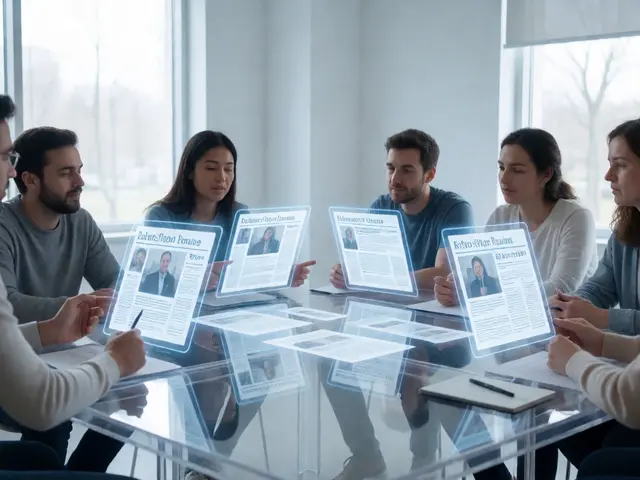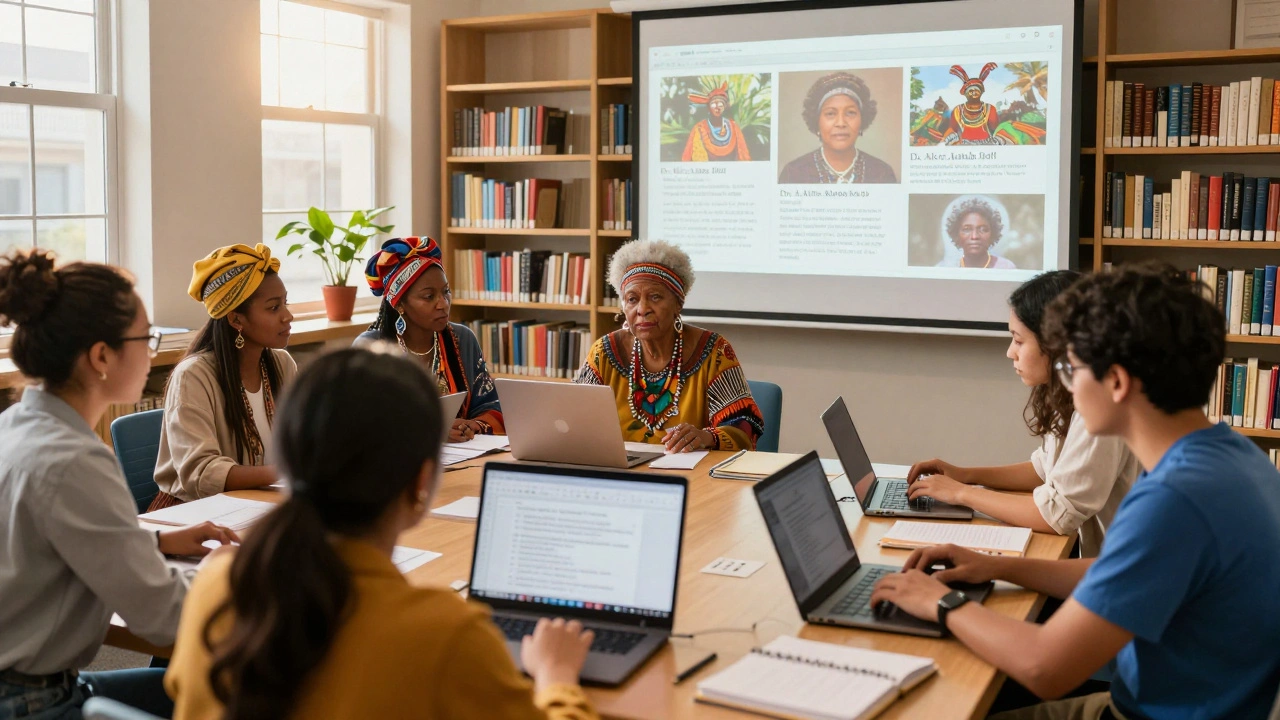
Wikipedia is one of the most visited websites in the world, but its editors don’t look like the world they’re trying to document. Over 90% of active contributors are male, and the majority live in North America and Europe. That means the stories, perspectives, and even the facts on Wikipedia are filtered through a narrow lens. If you’ve ever searched for a woman scientist, a Black activist from Africa, or a traditional practice from Southeast Asia and found little to nothing, you’re not imagining it. The gaps aren’t accidental-they’re structural.
Why Representation Matters on Wikipedia
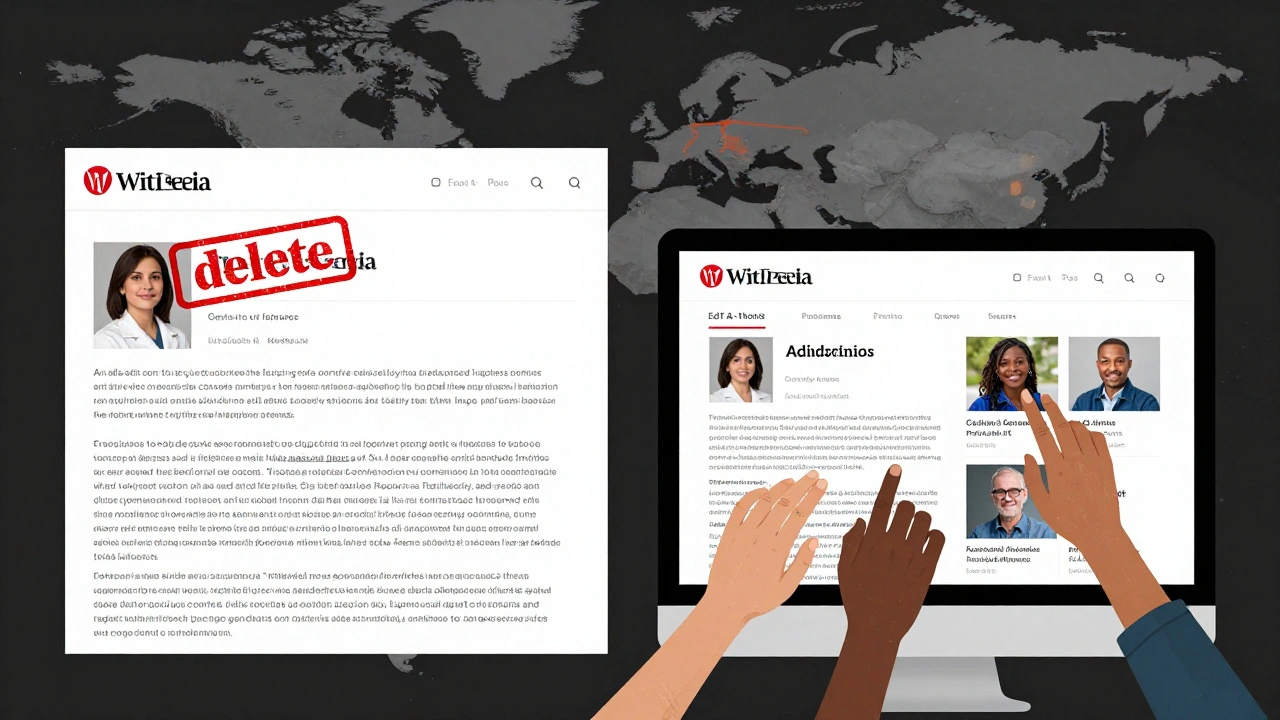
Wikipedia doesn’t just reflect knowledge; it shapes what people believe is important. A 2023 study from the University of Oxford found that articles about women are 30% more likely to be deleted than comparable articles about men. Why? Because editors unfamiliar with those subjects often label them as "not notable"-a term that’s subjective and often tied to Western, male-dominated standards of fame.
Take the case of Dr. Alice Augusta Ball, the chemist who developed the first effective treatment for leprosy in the early 1900s. Her work was groundbreaking, but for decades, Wikipedia had no article about her. It wasn’t until a group of students in Hawaii started editing that her story was added. Today, her page gets over 50,000 views a month. Without editors who knew her legacy mattered, it would’ve stayed erased.
What’s Being Done: Key Diversity Initiatives
Recognizing this crisis, Wikipedia communities have launched targeted efforts to fix the imbalance. These aren’t just feel-good campaigns-they’re structured programs with measurable goals.
- WikiProject Women in Red: Started in 2015, this initiative focuses on creating articles about notable women who were missing from Wikipedia. By 2025, they’d added over 200,000 articles, with contributions from over 10,000 volunteers worldwide.
- Art + Feminism: A global edit-a-thon that brings together artists, activists, and librarians to create content about gender, feminism, and underrepresented identities. In 2024 alone, over 3,000 events were held in 80 countries.
- WikiProject Africa: This effort trains editors to write about African history, culture, and innovation using reliable local sources. Before 2020, articles on African countries often had outdated or colonial-era language. Now, many pages are rewritten by African editors using indigenous knowledge systems.
- WikiIndaba: A conference series started by African Wikipedia editors to build community, share tools, and push for better representation of Global South perspectives. It’s now one of the most influential spaces for non-Western editors on the platform.
These initiatives don’t just add articles-they change how Wikipedia works. For example, WikiProject Women in Red created a new notability guideline: if a woman has been covered in at least two independent, reliable sources, she qualifies for an article, regardless of whether she’s won a Nobel Prize.
The Tech Side: Tools That Help Editors
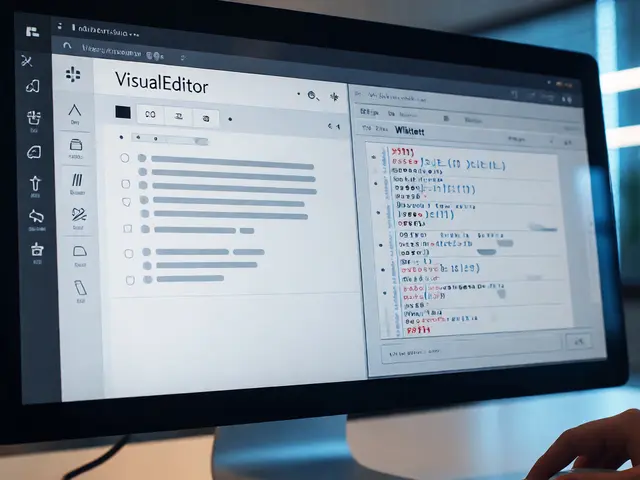
Wikipedia isn’t just about people-it’s also about tools. The platform now has AI-powered assistants designed to help new editors find gaps and avoid common mistakes.
The Gender Gap Tool, developed by the Wikimedia Foundation, scans article talk pages and flags content that may be biased. For example, if an article about a female entrepreneur is tagged with "notable for her appearance," the tool suggests removing it and replacing it with her professional achievements.
Another tool, Article Alerts, sends notifications to editors when a topic from an underrepresented region is mentioned in the news. In 2025, it helped over 500 editors create articles about Indigenous leaders in Canada and Australia after major protests gained media attention.
These aren’t magic fixes-they’re force multipliers. They help editors who are already motivated to do better, and they lower the barrier for newcomers who might feel overwhelmed.
Barriers Still Standing
Progress is real, but it’s uneven. Many of these initiatives rely on volunteers who are already overworked. The biggest obstacle isn’t lack of interest-it’s burnout.
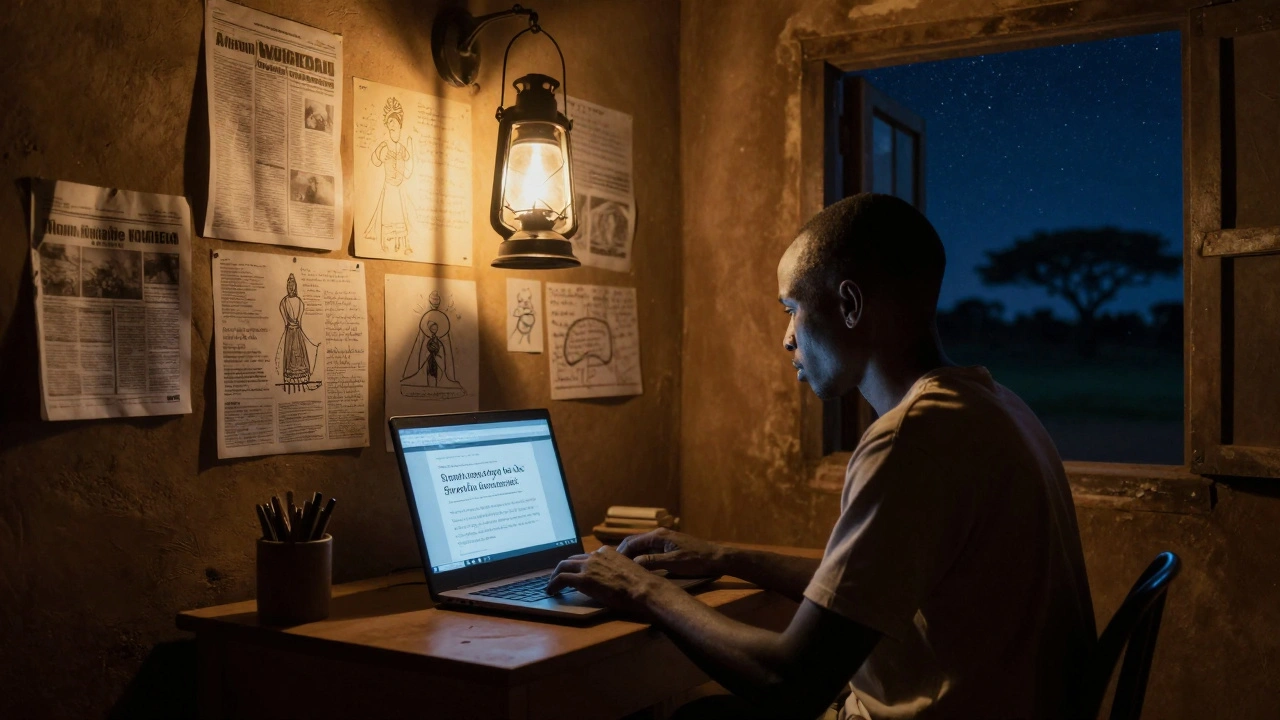
Wikipedia’s editing culture still values speed and technical precision over depth and context. A new editor from Nigeria might spend hours writing about a local festival, only to have their article deleted because it doesn’t cite a "major newspaper." But in many cultures, oral histories and community publications are trusted sources. Wikipedia’s reliance on Western-style citations excludes entire ways of knowing.
There’s also the issue of language. Over 300 languages have Wikipedia editions, but only 10 account for 95% of edits. The Swahili Wikipedia has fewer than 200 active editors. The Quechua edition has less than 50. Without more editors who speak these languages, knowledge in those communities stays invisible.
What You Can Do: Real Ways to Help
You don’t need to be a tech expert or a historian to make a difference. Here’s how anyone can contribute:
- Start small: Add one fact to an existing article. Maybe a woman’s award was left out. Maybe a city’s population was misstated. Even a one-line edit counts.
- Use reliable local sources: If you’re writing about your community, use local blogs, university publications, or oral histories. Wikipedia now accepts these as valid sources if they’re documented and verifiable.
- Join an edit-a-thon: Look for events hosted by libraries, universities, or cultural centers. Many are held online and take as little as 30 minutes.
- Support non-English editions: If you speak another language, help expand articles in that language. Even translating one paragraph helps.
- Call out bias: If you see an article that erases gender, race, or culture, use the talk page to suggest improvements. Don’t delete-build.
The Bigger Picture
Wikipedia is more than a website. It’s a mirror of our collective memory. If we keep letting the same few voices decide what’s worth remembering, we’ll keep living in a world where half the population, and most of the planet’s cultures, are treated as footnotes.
Increasing representation isn’t about political correctness. It’s about accuracy. It’s about justice. And it’s about making sure that when a child in Jakarta, a student in Lagos, or a researcher in Oaxaca looks up their heritage, they don’t have to dig through silence to find their story.
The change is already happening. It’s quiet. It’s grassroots. It’s led by teachers, librarians, activists, and everyday people who refused to accept that Wikipedia had to be this way. You can be part of it too.
Why are so few women editing Wikipedia?
Studies show that women are less likely to edit Wikipedia due to a combination of factors: hostile editing environments, lack of confidence in their knowledge, and fewer role models among top editors. Many women report being interrupted, having their edits reverted without explanation, or facing personal attacks. The culture of "edit wars" and strict citation rules can feel exclusionary, especially for those without formal academic training. Initiatives like WikiProject Women in Red work to create safer, more welcoming spaces.
Can non-English speakers contribute meaningfully?
Absolutely. Over 300 language editions of Wikipedia exist, and many are growing rapidly thanks to local editors. The Swahili, Quechua, and Yoruba Wikipedias are all expanding with help from community-driven projects. Non-English speakers can start by adding facts, correcting errors, or translating articles from English into their language. Tools like the Content Translation feature make this easier than ever. What matters is not fluency in English, but deep knowledge of local culture and history.
Are Wikipedia’s notability guidelines biased?
Yes, they often are. The current guidelines rely heavily on Western media coverage and institutional recognition-like being featured in The New York Times or holding a university position. But many cultures define importance differently. For example, a community healer in rural India might be deeply respected locally but never appear in global media. Newer initiatives now accept alternative sources: community archives, oral histories, and regional publications. The goal is to expand-not eliminate-the definition of "notability."
How do I know if a source is reliable for Wikipedia?
Wikipedia requires sources that are independent, published, and verifiable. That means: not self-published blogs (unless they’re well-known and regularly edited), not social media, but also not just major Western newspapers. Reliable sources include peer-reviewed journals, books from academic presses, government reports, and reputable local news outlets. For underrepresented topics, university theses, museum publications, and community newsletters are increasingly accepted if they’re cited properly and cross-referenced with other sources.
Can I edit Wikipedia anonymously?
Yes, you can edit without an account. But creating a free account gives you more tools: the ability to track your edits, receive feedback, join projects, and build trust with other editors. Anonymous edits are more likely to be reverted because they lack a history of contributions. If you’re serious about helping improve representation, an account-even a simple one-makes your work more effective and lasting.