Key Takeaways for Understanding Admin Abuse
- Misconduct usually involves "power tripping," such as blocking users without valid reason or deleting legitimate content.
- The community relies on a decentralized system of "Admin Noticeboards" to flag and investigate these behaviors.
- Resolutions typically range from a voluntary "resignation" of tools to a formal "desysop" (removal of administrator rights).
- The Wikimedia Foundation rarely intervenes unless there is a legal or safety risk, leaving governance to the users.
The Mechanics of Administrative Power
To understand how things go wrong, we first need to look at what an Administrator (or "sysop") actually is. An administrator is not an employee of the Wikimedia Foundation; they are volunteers who have been granted specific technical tools. These tools include the ability to protect pages from being edited, delete pages that violate policy, and block users who engage in vandalism. Because these tools are so powerful, the community expects admins to be "neutral" and a "model editor." But humans are flawed. When an admin starts using these tools to silence a critic or push a personal agenda, it creates a toxic environment. This is often referred to as "administrative overreach," where the tool is used not for the benefit of the project, but for the ego of the user.
Recent Patterns of Misconduct
In the last few years, we've seen a shift in how misconduct manifests. It's rarely about blatant hacking now. Instead, it's about subtle manipulation. One common pattern is "blocking-looping," where an admin blocks a user, the user appeals, and the admin blocks them again under a different justification to prevent them from ever returning to a specific discussion. Another frequent issue is the "deletion spree." This happens when an admin decides a certain topic-like a niche political movement or a specific artistic style-doesn't meet the Notability guidelines and deletes dozens of pages without a proper community vote. In several recent cases, admins have been caught deleting pages that were actually highly cited, simply because they disagreed with the subject matter. This isn't just a mistake; it's a violation of the core principle of neutral point of view.
The Resolution Process: How the Community Fights Back
Wikipedia doesn't have a traditional HR department. Instead, it has a complex system of peer review. When a user suspects an admin is acting in bad faith, they typically head to the Administrator's Noticeboard. This is where the evidence is laid out: logs of blocks, screenshots of deleted content, and links to policy violations.
| Type of Misconduct | Typical Trigger | Common Resolution |
|---|---|---|
| Abuse of Blocking Tools | Personal conflict with another editor | Block reversal + Warning |
| Unauthorized Deletions | Subjective interpretation of notability | Content restoration + Admin probation |
| Conflict of Interest (COI) | Editing pages for a paid client | Immediate desysop (removal of rights) |
| Harassment/Bullying | Using admin status to intimidate others | Permanent ban from the project |
The resolution process usually follows a path of escalating severity. First, there's the "soft warning," where other admins suggest the person step back. If the behavior continues, the community initiates a Request for Adminship Removal (often called a "desysop" request). This is essentially a public trial. Other admins vote on whether the person is still fit to hold the tools. If the vote is overwhelmingly negative, the tools are stripped away.
Case Study: The "Cabal" Phenomenon
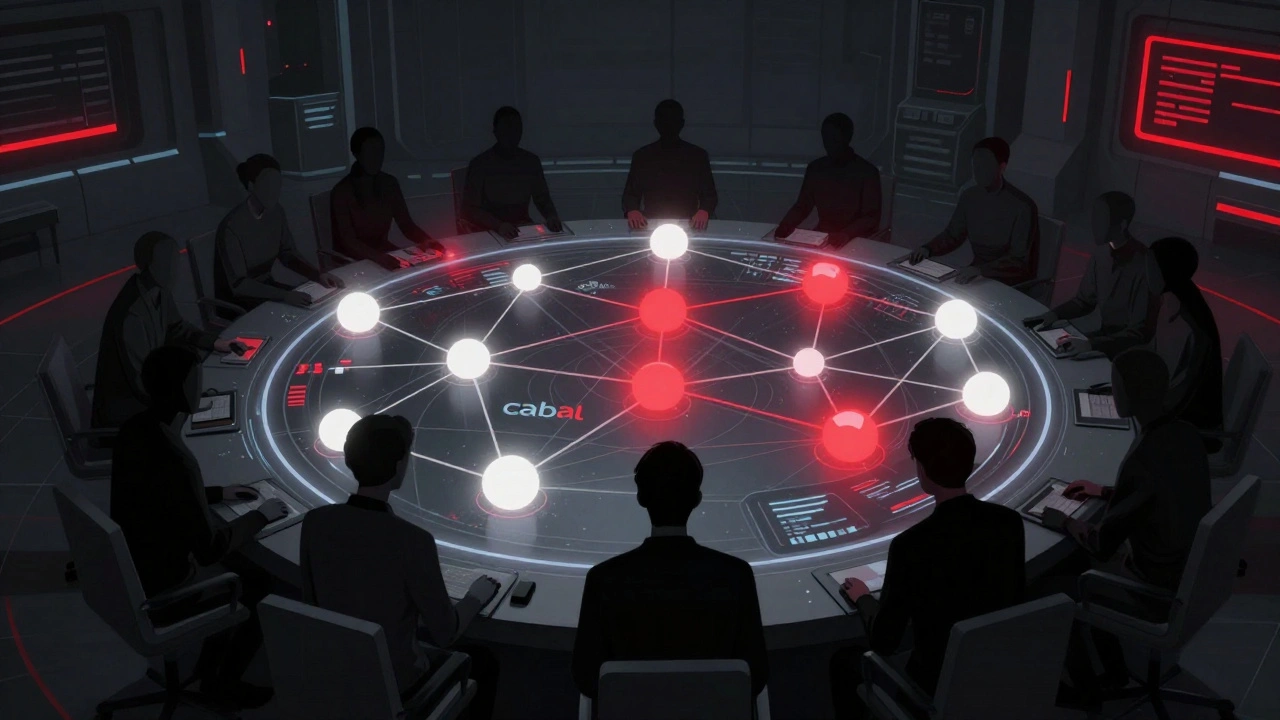
One of the most damaging forms of misconduct isn't the lone wolf admin, but the "cabal." This is when a small group of admins work together to control a specific area of the site. For example, imagine a group of admins who all share the same political leaning. Whenever a neutral editor tries to add a fact that contradicts that leaning, the cabal uses their collective power to mark the edit as "vandalism," revert it immediately, and then block the editor for "disruptive editing." These cases are the hardest to resolve because the admins protect each other. In a recent notable incident, a group of admins was found to be coordinating in private chat rooms to "purge" specific articles related to corporate governance. The resolution only came when an outside whistleblower provided logs of these private chats to the community. It took weeks of deliberation, but it ended with three admins losing their status and a complete overhaul of the articles they had manipulated. This highlights a major flaw: the community can only fix what it can see.
The Role of the Wikimedia Foundation
Many people assume the Wikimedia Foundation (WMF) acts as the police. In reality, they are more like the landlords. They provide the servers and the legal framework, but they stay out of the "edit wars." The WMF generally only steps in during extreme cases, such as when an admin uses their power to leak a user's private information (doxing) or when there is a credible legal threat. However, there is a growing tension. Some argue that the WMF should have more oversight over admins to prevent the "cabal" effect. Others argue that if the foundation starts picking who gets to be an admin, the site loses its grassroots, community-driven nature. This balance between community autonomy and central oversight is the central struggle of Wikipedia's current era.
Preventing Future Abuse: The Shift Toward Transparency
To stop misconduct before it starts, Wikipedia has implemented several safety valves. One is the "oversight" tool, which is a higher level of permission that allows only a few highly trusted users to hide sensitive information. By limiting who has the most dangerous tools, they reduce the blast radius of a single bad actor. Another improvement is the increase in transparency regarding admin elections. Now, candidates are scrutinized more heavily on their history of neutrality and their willingness to admit mistakes. The community has also become faster at spotting "power-tripping" behavior thanks to automated scripts that flag unusually high numbers of blocks from a single account in a short window. If an admin blocks 50 people in an hour, it now triggers a red flag that attracts the attention of other experienced editors almost immediately.
Can a regular user remove an administrator?
A regular user cannot technically click a button to remove an admin, but they can start the process. By documenting the misconduct and posting it on the Administrator's Noticeboard, they can trigger a community vote. If enough other admins agree that the behavior is abusive, the admin's rights will be removed.
What is the difference between a "desysop" and a ban?
A "desysop" only removes the administrator tools (like the ability to block or delete). The person can still edit Wikipedia as a normal user. A ban is much more severe; it prevents the person from editing the site entirely, usually because their behavior was too toxic to be managed even without admin tools.
How often does the Wikimedia Foundation intervene in admin disputes?
Very rarely. The WMF follows a policy of non-intervention in content or community governance disputes. They typically only step in if the misconduct involves legal violations, safety threats, or severe breaches of the Terms of Use, such as harassment that violates law.
What happens if an admin deletes a page by mistake?
Mistakes happen. If an admin deletes a page in error, any other admin can simply "undelete" it. This is a standard part of the workflow. It only becomes "misconduct" if the admin refuses to restore the page despite evidence that it was legitimate, or if they repeatedly delete the same page to harass a user.
How can I tell if an admin is abusing their power?
Look for patterns. A single bad block might be a mistake. However, if the same admin consistently blocks users who disagree with them, ignores policy in their deletions, or uses their status to shut down legitimate debate, it is likely a case of abuse. Check the "logs" tab on their user profile to see their recent actions.
Next Steps for Users Facing Admin Abuse
If you find yourself on the receiving end of an unfair block or deletion, don't panic and don't create a "sockpuppet" account to sneak back in-that will only get you permanently banned. Instead, use the official channels. Start by filing an appeal on your block notice page. Be calm, be specific, and refer to the Wikipedia:Policy guidelines. If the admin who blocked you is the one denying your appeal, take the evidence to the rest of the community. The strength of Wikipedia isn't in any one admin, but in the collective oversight of thousands of editors who keep the system honest.