Key Takeaways
- Editathons aim to fix content gaps but often clash with established community norms.
- The "notability" requirement is frequently used as a tool to maintain existing biases.
- Tension exists between organized group edits and the "lone wolf" curator philosophy.
- Modern solutions focus on pre-screening sources to avoid systemic reverts.
The Gap Between Intent and Impact
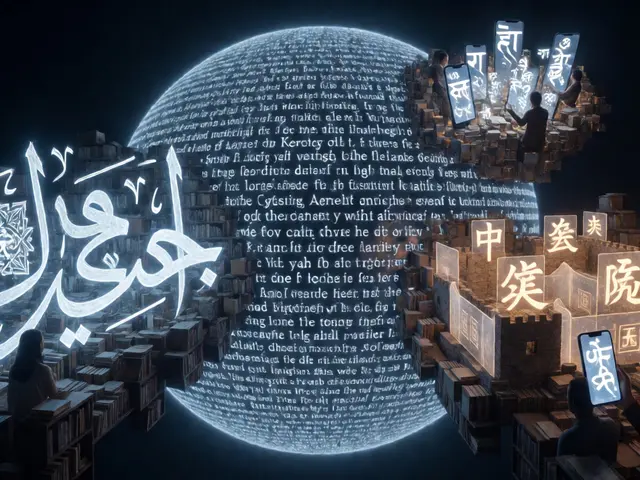
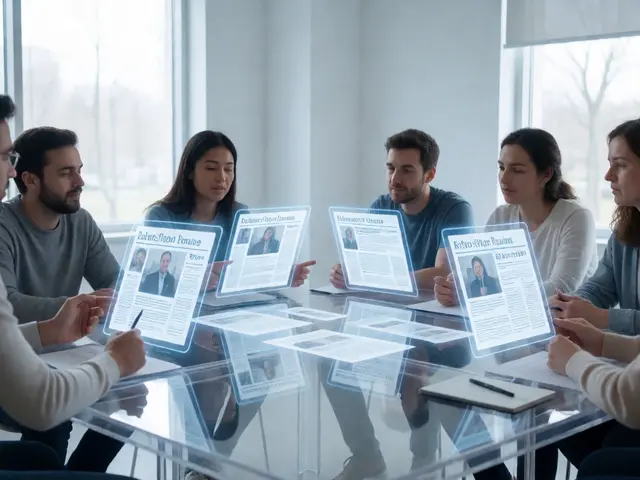
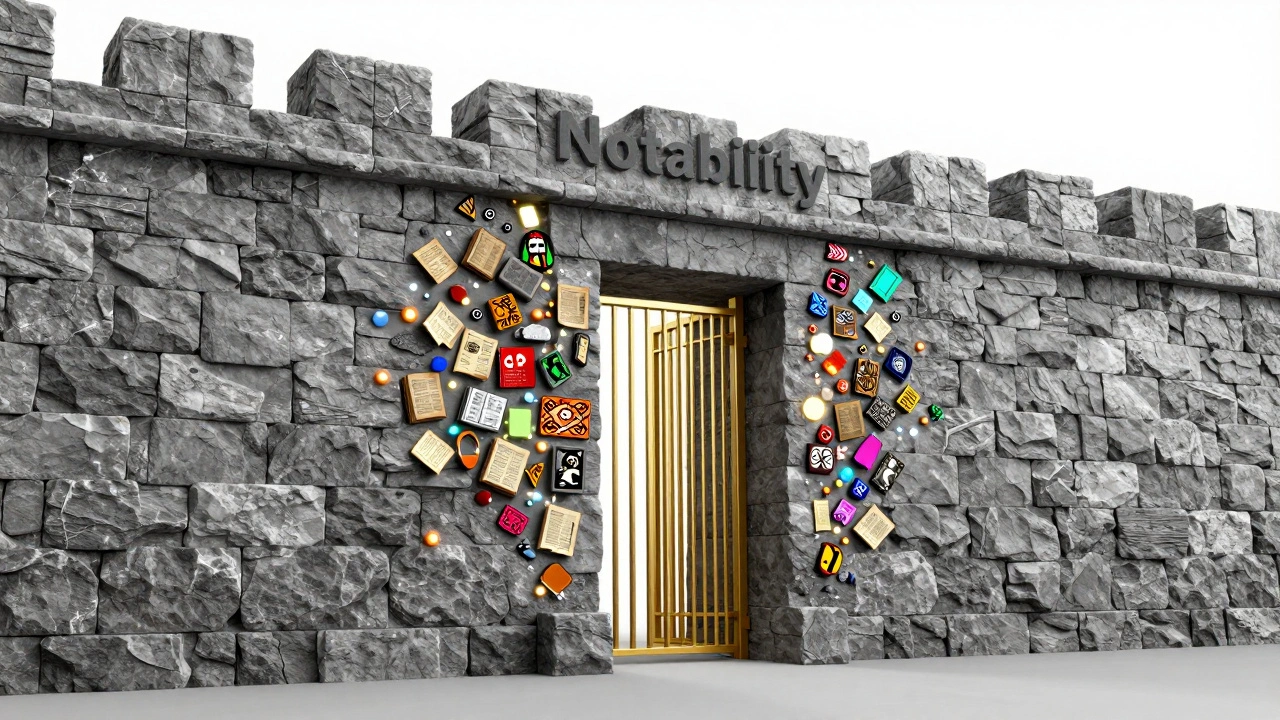
At its core, an Editathon is an organized event where people gather to improve the content of a wiki, typically Wikipedia, by adding missing articles or updating existing ones. These events are usually designed to tackle systemic bias-the fact that the digital record tends to favor Western, male, and affluent perspectives. If you look at the statistics from a decade ago, the disparity in biographies was staggering. Groups stepped in to fix this, but they found that the platform isn't just a blank slate; it's a guarded fortress.
When a group of fifty people suddenly adds a hundred pages about indigenous leaders in South America, it triggers alarms for the veteran editors who spend years patrolling the site. These "gatekeepers" often view mass edits as a risk to quality. They argue that a rushed editathon might prioritize passion over precision. This creates a paradox: the very people trying to diversify the encyclopedia are accused of lowering the bar, while the people defending the bar are accused of preserving bias.
The Notability Weapon
The biggest flashpoint in these community discussions is Notability, which is the set of criteria used to determine if a subject is significant enough to warrant its own dedicated page. On the surface, it sounds fair. You need secondary, reliable sources-like a major newspaper or a peer-reviewed journal-to prove someone is important. But here is the problem: if the major newspapers historically ignored women or minority groups, those people automatically fail the notability test.
During a recent discussion in the community forums, a user pointed out that a male politician with mediocre achievements was considered "notable" because he had three mentions in a local gazette from 1920, but a female pioneer in medicine was flagged for deletion because her achievements were documented in specialized journals rather than mainstream press. This isn't just a technical glitch; it's a reflection of how we record history. When editathon participants challenge this, they aren't just adding a page; they are challenging the definition of importance.
| Feature | Traditionalist Approach | Editathon Approach |
|---|---|---|
| Growth Pace | Slow, incremental vetting | Rapid, burst-style expansion |
| Source Value | Mainstream legacy media | Diverse, specialized archives |
| Goal | Stability and consistency | Representation and inclusivity |
| Risk Factor | Stagnation/Erasure | Potential for lower precision |
The Conflict of Group Dynamics
There is also a cultural clash between the Wiki Community and the external organizers. Many long-term editors view the site as a meritocracy where you earn your stripes through years of small, meticulous edits. Then comes an editathon, where newcomers-often encouraged by a university or a non-profit-flood the site with content. To the veteran, this feels like "gaming the system."
This friction often leads to "edit wars." A participant adds a paragraph about a female artist's influence on modernism. An hour later, an editor deletes it, citing a lack of a specific type of citation. The participant adds it back. The editor blocks the participant. The discussion then moves to the "Talk" pages, where the tone often shifts from helpful to hostile. The argument becomes less about the artist and more about the legitimacy of the event itself. Is the editathon a tool for progress, or is it a form of "digital activism" that compromises the encyclopedia's neutrality?
Strategies to Lower the Temperature
To stop the cycle of reverts and arguments, some organizers have shifted their strategy. Instead of "sprinkling" new pages across the site, they now focus on Content Curation, which involves the professional organization and maintenance of digital assets to ensure they meet high standards of quality and accessibility. This means doing the homework before the event starts.
Successful events now often include a "pre-vetting" phase. Organizers find the sources, verify the notability according to the site's strict rules, and even coordinate with veteran editors before the first key is pressed. By treating the editathon as a partnership rather than an invasion, they reduce the likelihood of a bias-fueled clash. They aren't just asking for a page to be added; they are proving that the page belongs there using the community's own logic.
The Long-Term Impact on Knowledge
If these tensions aren't resolved, we risk creating a "sterile" encyclopedia-one that is technically perfect according to old rules but completely irrelevant to the actual diversity of human experience. The fight over editathons is really a fight over the Digital Archive. If the tools we use to store knowledge are biased, the knowledge itself becomes distorted.
We are seeing a shift toward a more nuanced understanding of neutrality. True neutrality isn't about ignoring the gaps; it's about actively working to fill them without breaking the system. When a community discussion moves from "you are biased" to "how can we make this source acceptable?", the project actually moves forward. It turns a battle of egos into a collaborative effort to map the world more accurately.
Why are editathons often accused of bias?
The accusation usually comes from two sides. Some argue that the events push a specific political or social agenda, bypassing traditional neutrality. Others argue that the existing system is biased because it rejects the contributions of these events based on narrow, outdated standards of notability.
What is the "Notability" rule in simple terms?
It is a guideline that requires a subject to have significant coverage in reliable, independent sources before they get a page. This prevents the site from becoming a directory of every person who ever lived, but it can accidentally exclude people from cultures that don't have a strong tradition of mainstream English-language media.
How can I prevent my editathon contributions from being deleted?
The best way is to use high-quality, third-party sources. Avoid using the subject's own website or social media. Also, engage with the "Talk" page of the article to explain your reasoning and provide a list of sources before making major changes. This shows you are acting in good faith.
Do editathons actually improve the quality of information?
Yes, when done correctly. They bring in subject-matter experts and diverse perspectives that a small group of permanent editors might miss. While some initial edits might be rough, the long-term result is a more comprehensive and accurate record of human history.
What is an "edit war"?
An edit war happens when two or more users repeatedly undo each other's changes to a page. In the context of editathons, this often happens when a newcomer adds information that a veteran editor deems unnecessary or improperly sourced, leading to a cycle of reverts.
Next Steps for Contributors
If you're planning to join or organize a content drive, don't just dive in. Start by reading the community's specific guidelines on "Conflict of Interest" and "Notability." If you're a veteran editor, try to mentor a newcomer rather than just hitting the revert button. The goal is a better encyclopedia, and that only happens when the people who know the rules and the people who know the missing stories actually talk to each other.