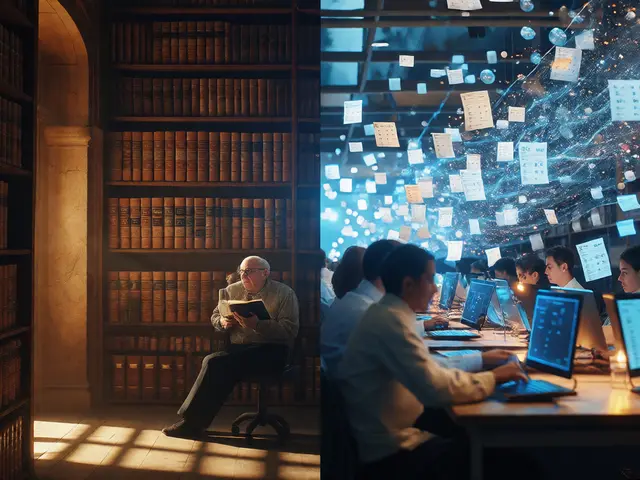
Imagine a world's most trusted source of knowledge where nearly 90% of the people writing the history of humanity are men. This isn't a hypothetical scenario; it's the reality of Wikipedia is a multilingual online encyclopedia written collaboratively by volunteers. While the platform aims for a universal view of knowledge, the hands on the keyboard tell a different story. This imbalance creates a feedback loop where the things women care about aren't documented, and because they aren't documented, fewer women feel welcome to join the effort. It's not just about who is writing, but what is being written and how the community treats those who try to change the status quo.
Key Takeaways
- The gender gap is driven by a combination of social barriers, technical intimidation, and hostile community dynamics.
- Systemic bias leads to a lack of coverage for women's achievements in science, politics, and art.
- Structural changes in editing tools and community guidelines are necessary to attract a diverse contributor base.
- Efforts like Art+Feminism show that organized workshops can successfully bridge the gap.
The Invisible Wall: Why Women Don't Hit 'Edit'
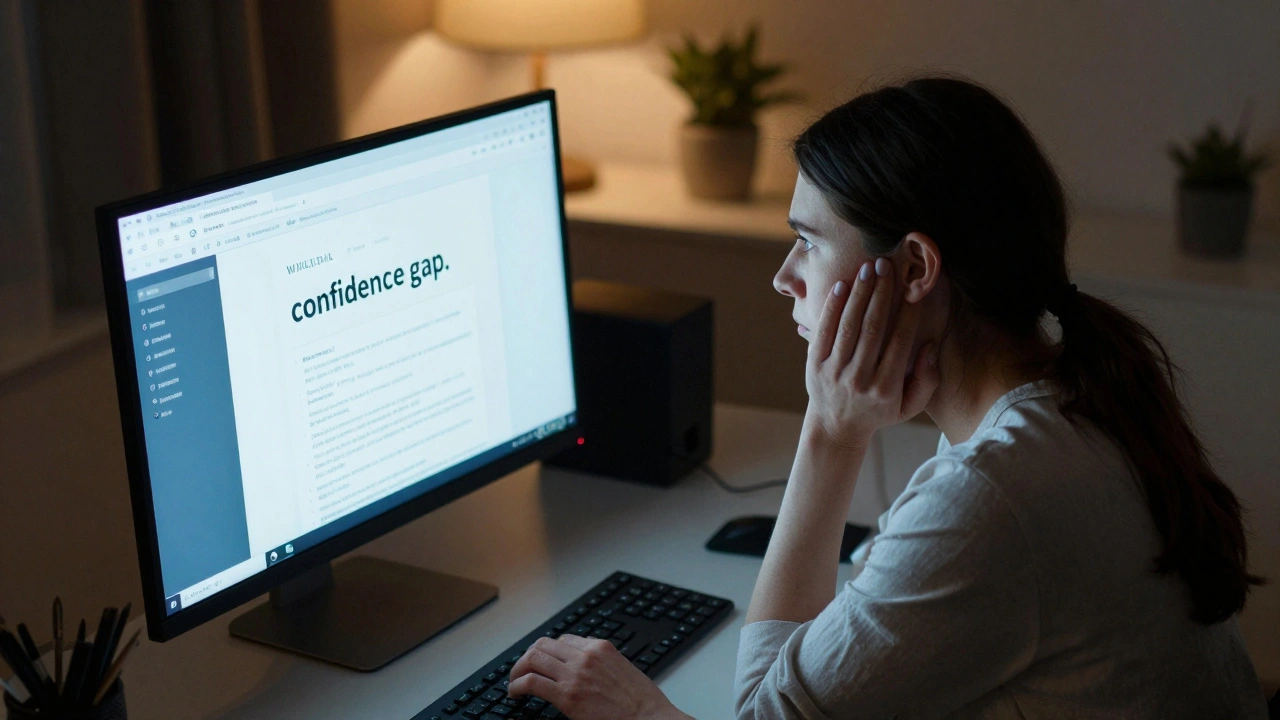
If you've ever tried to edit a page on Wikipedia, you know it's not exactly a welcoming experience for a beginner. For many women, the barrier isn't a lack of knowledge, but a pervasive sense of not belonging. This is often tied to the Digital Divide, which describes the gap between demographics and relative situations-usually the developed and developing worlds-regarding their ability to access, relate to, or afford the computing technologies. In this case, the divide is social. Women often face a "confidence gap" where they feel their contributions must be perfect and backed by an exhaustive list of sources before they dare to make a change, whereas male editors are more likely to iterate and fix errors as they go.
Then there's the technical hurdle. While the site has improved, the backend of the platform often feels like it was built by engineers, for engineers. When the interface feels alien, it reinforces the idea that this is a "man's space." This technical friction acts as a filter, discouraging people who aren't already comfortable with wiki-markup or complex administrative hierarchies.
Hostility and the 'Bite' of the Community
Entering the world of online editing can feel like walking into a room where everyone is shouting. In the community, there's a well-known phenomenon called "biting the newcomer." It happens when an experienced editor aggressively corrects a new user's mistake, often using a cold or condescending tone. For women, this experience is frequently amplified. Research into online harassment shows that women are more likely to be targeted with personal attacks or dismissed as "unreliable" when they challenge an existing narrative.
Consider the tension around Notability, the set of criteria used to determine if a person or topic deserves its own page. When women attempt to create pages for female scientists or artists, they often find their work flagged for a "lack of notability." The irony? The sources required to prove notability are often the same traditional media outlets that historically ignored women. This creates a catch-22: women aren't notable because they weren't covered by the press, and they aren't covered by the press because they weren't deemed notable.
| Factor | Typical Male Experience | Typical Female Experience |
|---|---|---|
| Approach to Editing | Experimental, "fix it as I go" | Cautious, seeking perfection first |
| Community Interaction | Peer-to-peer debate | More likely to face condescension |
| Content Focus | Technical, military, sports | Social issues, arts, biography |
| Response to Reversion | Seen as a technical disagreement | Often felt as a personal rejection |
The Content Gap: Who Gets to Be 'Notable'?
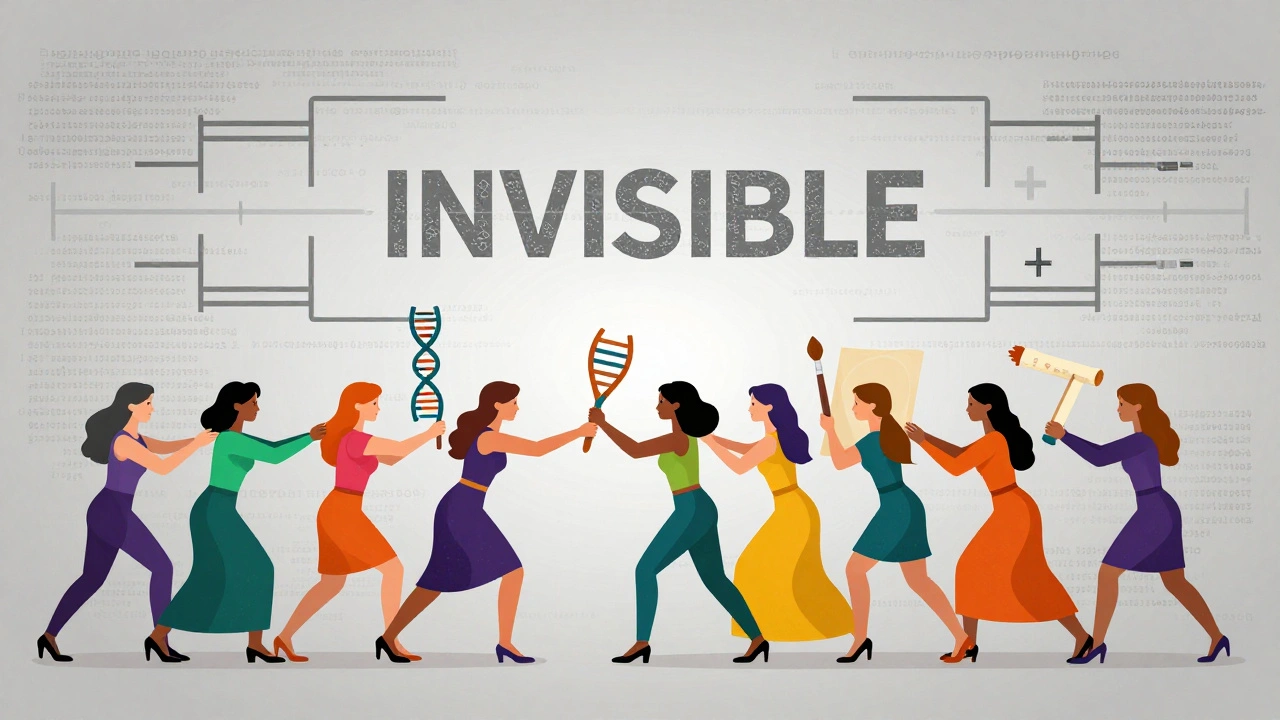
The lack of women editors directly impacts the Systemic Bias of the encyclopedia. Because the editor base is skewed, the coverage is skewed. This is most evident in the fields of STEM. For instance, a search for "Physicist" on the platform will return an overwhelming number of men, even though women have made foundational contributions to the field. This isn't because women didn't do the work; it's because no one wrote the page.
This creates a dangerous cycle. When a young girl looks up a role model in chemistry and finds only men, she subconsciously learns that chemistry is a male domain. This isn't just a matter of fairness; it's a matter of accuracy. An encyclopedia that ignores half the population's contributions is, by definition, incomplete and inaccurate. The gap extends beyond biography into the way topics are framed. For example, articles about women's health have historically been less detailed or focused on different priorities than those written by male-dominated medical communities.
Breaking the Cycle: Efforts to Diversify
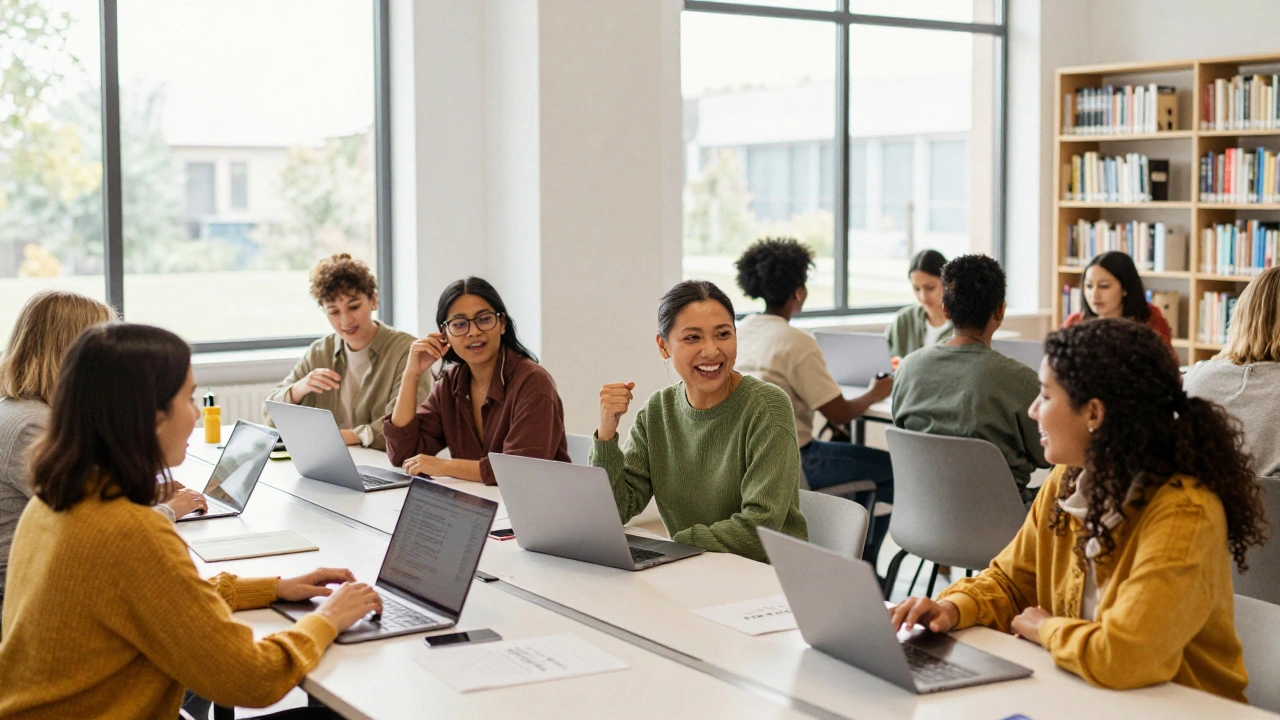
The good news is that the community has started to wake up. Movements like Art+Feminism have organized "edit-a-thons"-marathon editing events where people gather to create and improve pages on women artists. These events do more than just add pages; they build a support network. By editing in a group, women can navigate the technical hurdles and the social friction of the platform together, making the process less intimidating.
Another crucial step is the shift toward Gender Equality in the administrative roles. When the people who have the power to block users or protect pages are a diverse group, the culture of the site shifts. We are seeing more initiatives to mentor new editors and create "safe spaces" within the wiki ecosystem where beginners can ask questions without being mocked.
However, these workshops are often temporary fixes. To truly close the gap, the platform needs to evolve its core tools. Moving away from complex code and toward a more intuitive, visual editing experience lowers the barrier for everyone. When the tool doesn't get in the way of the knowledge, more people-regardless of gender-are likely to contribute.
What Happens Next?
Closing the gender gap isn't about giving women "special treatment"; it's about removing the barriers that were accidentally built into the system. As we move toward 2027 and beyond, the focus must shift from occasional events to systemic change. This means rethinking how notability is measured and how newcomers are welcomed. If the goal is to be the sum of all human knowledge, then the contributors must reflect all of humanity.
Are we seeing progress? Yes. But the pace is slow. The challenge is that the existing power structures-the "power editors" who have been there for twenty years-often resist change because they view it as a dilution of quality. In reality, adding more perspectives increases the quality. A more diverse set of eyes catches more biases and brings in more nuanced information.
Why does the gender gap even matter if the information is sourced?
It matters because the people choosing *which* sources to use and *which* topics to cover have their own biases. If the editor base is 90% male, they are more likely to prioritize topics that interest them, leaving gaps in the documentation of women's history and achievements, even if sources exist in the real world.
Can anyone join an edit-a-thon?
Absolutely. Most edit-a-thons are open to everyone regardless of gender or experience level. They are designed specifically to help beginners get comfortable with the platform through guided support.
Is the gap narrowing over time?
Slowly, yes. Increased awareness and organized efforts have brought more women into the fold, but the underlying culture of the community still presents a significant challenge for long-term retention.
What is 'biting' in the context of Wikipedia?
"Biting" refers to the act of an experienced editor responding to a newcomer's mistake with excessive harshness or condescension, which often scares the new user away from ever editing again.
How can I help close the gap without being a pro?
You can start by finding a woman who deserves a page but doesn't have one, gathering a few reliable sources, and creating a draft. You can also support existing women's pages by adding more citations or updating outdated information.