Quick Takeaways on Staff Ethics
- Staff should act as facilitators, not participants, in community debates.
- Public statements about internal disputes often invite external press scrutiny that can damage the project's reputation.
- Neutrality is a core value for editors, and it must also apply to the paid staff managing the platform.
- Clear boundaries prevent "power imbalances" where a staff badge is used to win an argument.
The Power Imbalance Problem
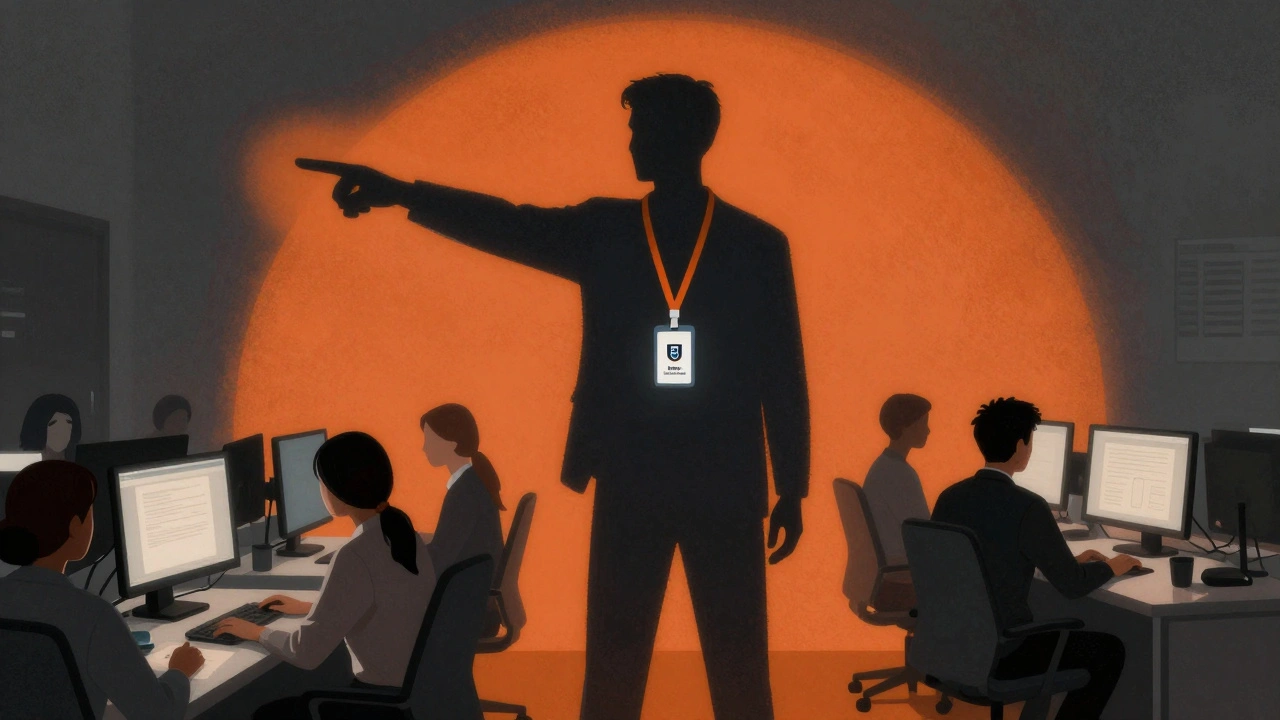
In most companies, if a manager tells you to do something, you do it. But Wikipedia doesn't work that way. It's a meritocracy run by volunteers. When a staff member from the Wikimedia Foundation enters a discussion on a "Talk" page or a mailing list, they bring an implicit authority. Even if they claim they are speaking as a private citizen, other users see the payroll. This creates a psychological weight in the conversation. If a staff member hints that a certain community member is "problematic" or "disruptive," it can lead to a rush of reports and bans based on perceived staff endorsement rather than actual rule-breaking.
Think about a scenario where a long-term editor is fighting over the wording of a political entry. If a staff member publicly sighs and says, "This person is making our lives difficult," the community doesn't just see a tired employee; they see a target. This is where staff ethics become critical. The moment a paid employee uses their visibility to influence a community outcome, they've crossed a boundary from stewardship into interference.
When Press Coverage Hits the Fan
The danger spikes when these internal disputes leak to the press. Journalists love a story about "chaos in the ranks" or "civil war at Wikipedia." When a staff member provides a quote to a reporter about a community dispute, they are effectively weaponizing external media against internal volunteers. This is a massive breach of trust. Most editors feel a fierce sense of ownership over the project; being characterized as a "troll" or "extremist" in a major news outlet because a staff member leaked a private chat is a bridge that rarely gets rebuilt.
We've seen this pattern before. When staff use the media to pressure the community into accepting a policy change, it doesn't look like a collaboration; it looks like a corporate takeover. The Wikipedia community is built on the idea of consensus. External pressure-especially from the organization that controls the servers-is the opposite of consensus. It's a top-down mandate dressed up as a public relations move.
| Feature | Ideal Staff Role | Common Ethical Breach |
|---|---|---|
| Communication | Neutral mediator and resource provider | Taking sides in public forum disputes |
| Press Interaction | Providing factual, high-level project data | Leaking specific community drama to reporters |
| Policy Influence | Facilitating the tools for community votes | Using staff authority to steer a vote |
| Conflict Style | De-escalation and technical support | Publicly shaming "difficult" editors |
Defining the "Safe Zone" for Statements
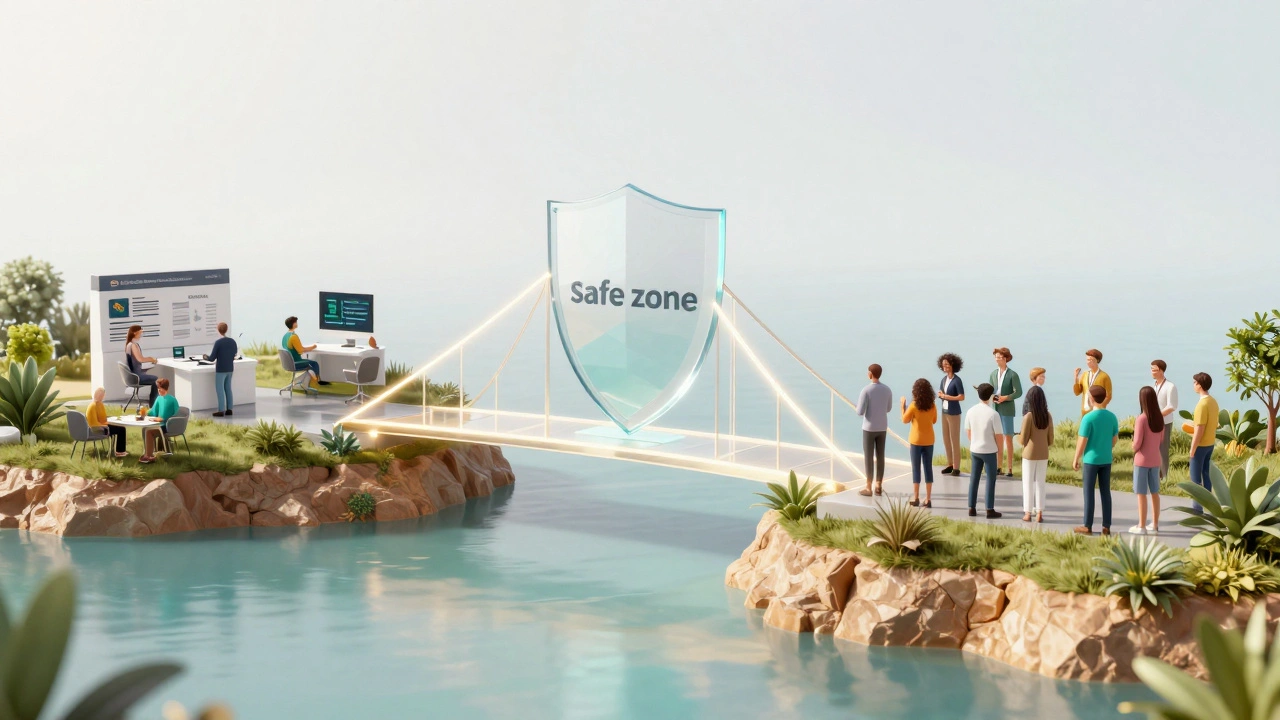
So, can staff never speak their minds? Of course they can, but context is everything. There is a huge difference between saying "We are working to improve the software for the Arbitration Committee" and saying "The Arbitration Committee is currently a mess of egos." One is a statement of operational intent; the other is a value judgment on the community's social structure. The first helps the project; the second burns the house down.
Staff should adhere to a "service-first" mentality. This means their public statements should focus on the infrastructure-the servers, the legal protections, and the grants-rather than the sociology of the editors. When they do engage in community discussions, they should do so with a clear disclaimer and a commitment to not use any administrative tools to enforce their personal opinions.
The Ripple Effect of Public Shaming
When a staff member labels a dispute as "toxic" in a public statement, they are essentially poisoning the well. In the Wikipedia ecosystem, labels stick. Once a group of editors is branded as "the problem" by someone with a @wikimedia.org email address, it becomes nearly impossible for those editors to negotiate in good faith. Other volunteers will align with the staff simply because it's the "safe" path to avoid being targeted next.
This creates a chilling effect. Editors who might have useful, contrary opinions start self-censoring. Why risk a public spat if the people who control your account access might describe you as "unstable" to a journalist at the New York Times? This doesn't lead to a better encyclopedia; it leads to a sterile environment where only the people who agree with the staff feel comfortable speaking up.
Moving Toward a healthier Relationship
The solution isn't to silence staff entirely-that would be unrealistic. Instead, there needs to be a formal agreement on "engagement boundaries." This means establishing a clear set of rules for how staff interact with the community during high-stress periods. For example, a rule that staff cannot provide quotes to the press regarding specific, named editors without that editor's consent. Or a policy where staff must step back from a dispute the moment it becomes a personal conflict.
True leadership in this context isn't about winning the argument; it's about protecting the process. If the process is fair, the outcome will be accepted. If the process is manipulated by the people in charge, the outcome is illegitimate. The Wikimedia Foundation exists to support the community, not to manage it like a corporate department. When staff remember that they are the support system-not the board of directors-the tension naturally drops.
Should staff members use their personal accounts for community disputes?
While using a personal account can seem like a way to separate work from opinion, it often creates a transparency problem. If the community discovers a vocal "volunteer" is actually a paid staff member, it can lead to accusations of "sockpuppeting" or covert influence. The best approach is full transparency: identify as staff, but remain neutral in the debate.
Why is it so damaging when staff speak to the press about internal fights?
External press often lacks the nuance to understand the complex, layered nature of Wikipedia's consensus-building. A staff member's quote can be stripped of context, making a standard editorial disagreement look like a systemic failure or a scandal, which then puts unnecessary pressure on volunteers to "fix" things quickly and improperly.
What happens if a staff member violates these ethical boundaries?
Typically, this leads to a severe breakdown in trust between the community and the Foundation. In extreme cases, it can result in community-led protests or formal demands for staff resignations. The long-term damage is usually a decrease in volunteer morale and a heightened sense of suspicion toward any one-on-one communication with staff.