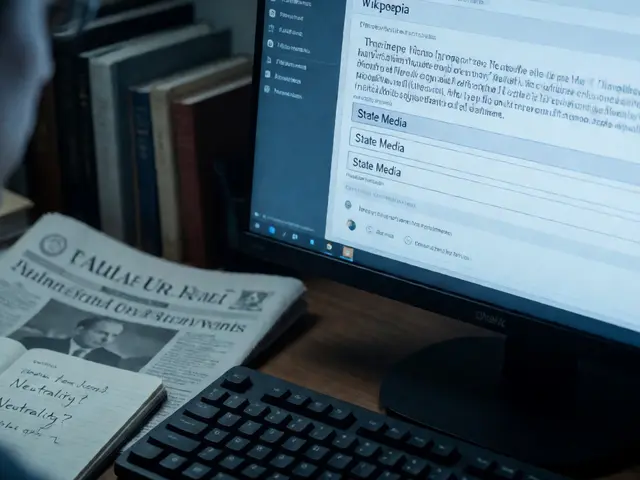
When you edit Wikipedia, you might assume that the final say rests with a neutral algorithm or a team of paid editors. The reality is far more human, and often more messy. Wikipedia is a free-content online encyclopedia written and edited by volunteers around the world. It operates on a model of collaborative consensus, not top-down authority. Yet, when disputes arise-whether over political topics, historical interpretations, or biographical details-the power dynamics shift dramatically. This is where administrative decisions come into play, and why questions about fairness and bias are central to understanding how this platform functions.
You’ve likely seen it happen: an edit reverts, a page gets protected, or a user receives a block. Behind these actions are administrators, often called "admins." They aren’t employees. They aren’t experts hired for their credentials. They are volunteers who have been granted certain technical tools to maintain the site. But because they wield significant influence over what stays and what goes, their decisions are frequently scrutinized for bias. Understanding this dynamic isn’t just for long-time editors; it’s crucial for anyone who relies on Wikipedia as a source of information.
The Role of Administrators in Wikipedia Governance
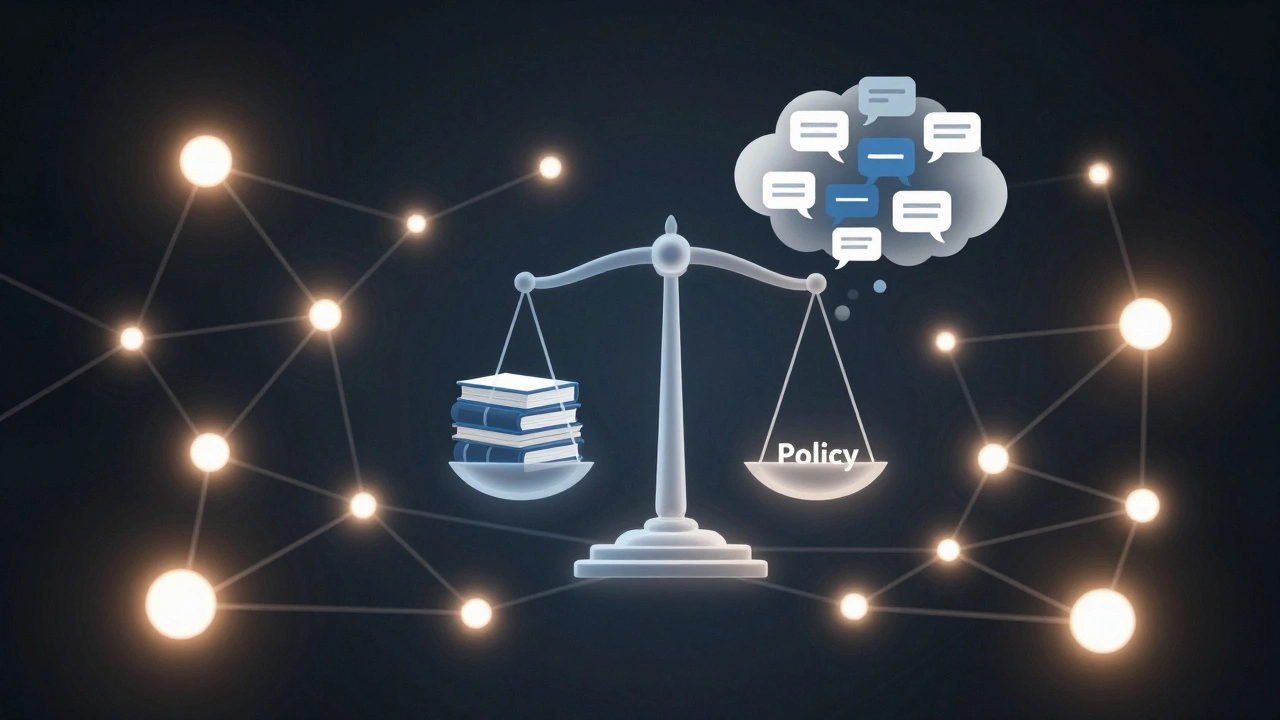
To understand bias, you first need to understand the role. An administrator on Wikipedia has access to tools that regular users do not. These include the ability to delete pages, protect articles from editing during high-conflict periods, and block users who violate policies. However, having these tools doesn’t make an admin a judge in the legal sense. Their primary duty is to enforce community-written policies, such as Neutral Point of View (NPOV), Verifiability, and No Original Research.
The process of becoming an administrator is itself a reflection of community trust. Users nominate themselves or others, and then the broader community votes through a Request for Adminship (RfA) process. This system assumes that the community can identify individuals who will act in good faith. But here lies the first potential friction point: the community is not a monolith. It consists of thousands of volunteers with varying backgrounds, ideologies, and levels of engagement. When admins make decisions, they are interpreting policies through their own lens, which inevitably introduces the possibility of subjective bias.
Consider a scenario involving a controversial political figure. One editor argues that a specific event should be highlighted due to its significance, while another argues it violates neutrality. If an admin sides with one interpretation without clear justification, other editors may perceive this as bias. This perception can escalate quickly, leading to accusations of systemic favoritism. The core issue isn’t necessarily malicious intent; it’s the inherent subjectivity in applying broad guidelines to complex real-world situations.
Identifying Systemic Bias in Editorial Decisions
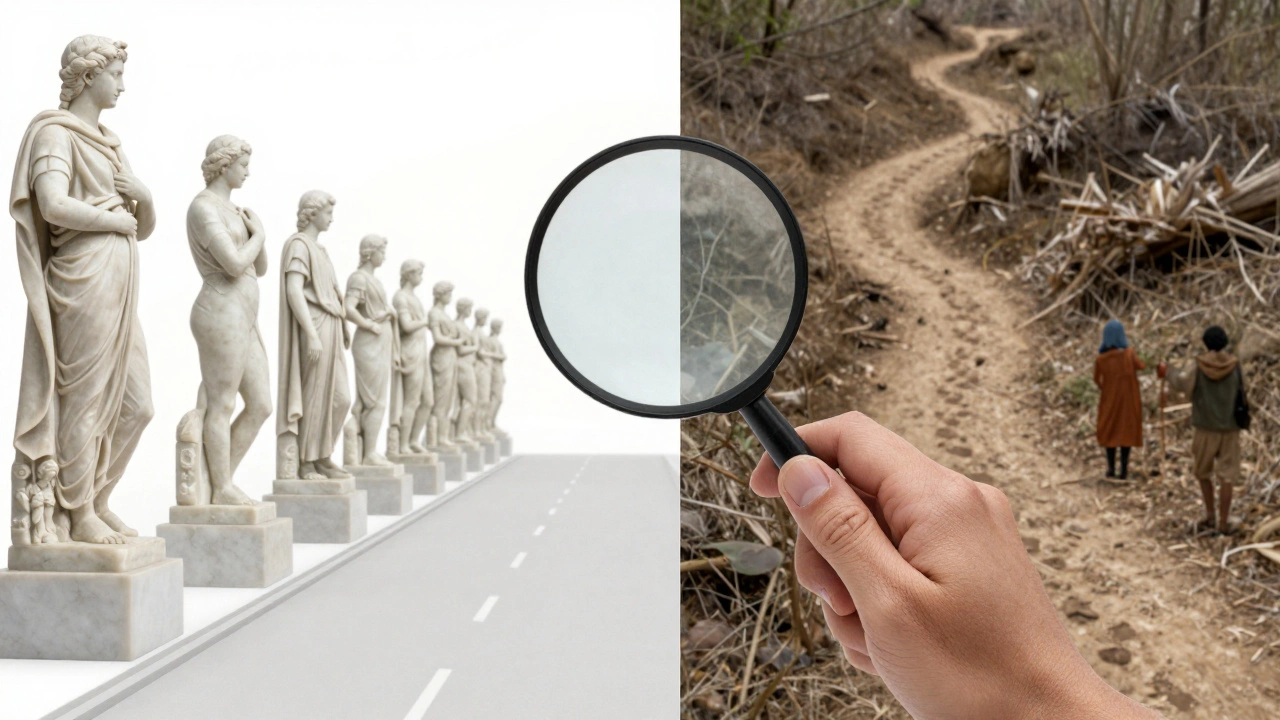
Bias on Wikipedia doesn’t always look like overt prejudice. More often, it manifests as systemic gaps in coverage or disproportionate enforcement of rules. Researchers and community members have long noted that Wikipedia reflects the demographics of its editor base. Historically, this has meant a skew toward Western, male, and English-speaking perspectives. When admins enforce policies, they may unintentionally reinforce these biases by prioritizing sources that align with dominant cultural narratives.
For example, imagine two articles: one about a well-known tech entrepreneur and another about a grassroots activist in a developing country. The tech entrepreneur’s article might rely on mainstream media sources, which are abundant and easily verifiable. The activist’s article might depend on local reports or academic journals that are harder to access. If an admin deletes the latter for lacking sufficient citations, while leaving the former untouched despite similar sourcing issues, this creates a disparity. It’s not necessarily personal bias against the activist, but rather a structural bias toward easily accessible, Western-centric sources.
This type of bias is subtle but pervasive. It affects how history is recorded, whose stories are told, and which viewpoints are considered valid. Addressing it requires more than just individual awareness; it demands a critical examination of the policies themselves. Are the citation requirements equally achievable for all topics? Do the definitions of "notability" favor established figures over emerging ones? These are questions that challenge the very foundation of Wikipedia’s claim to neutrality.
| Type of Bias | Description | Example Scenario |
|---|---|---|
| Selection Bias | Favoring topics that align with the editor's interests or background. | An admin quickly accepts edits on sports topics but delays review on social justice issues. |
| Source Bias | Prioritizing certain types of sources over others based on accessibility or prestige. | Rejecting local newspaper citations while accepting major international outlets for similar claims. |
| Confirmation Bias | Interpreting ambiguous evidence to support pre-existing beliefs. | An admin interprets a vague policy clause to justify blocking a user they personally disagree with. |
| Enforcement Disparity | Applying rules inconsistently across different communities or topics. | Strictly enforcing tone guidelines in political articles but allowing aggressive language in entertainment sections. |
Dispute Resolution and the Limits of Consensus
When editors disagree, Wikipedia relies on a multi-layered dispute resolution process. It starts with talk page discussions, moves to mediation, and can escalate to formal reviews by experienced editors or even the Arbitration Committee. The goal is to reach consensus, but consensus is not always easy to achieve, especially on polarizing topics.
The Arbitration Committee, often called ArbCom, is the highest level of dispute resolution. Its members are elected by the community and have the power to impose binding sanctions, including bans. While ArbCom aims to be impartial, critics argue that its decisions can reflect the biases of its members. Because ArbCom cases are complex and involve detailed analyses of past behavior, the outcome can hinge on subjective judgments about intent and impact.
Imagine a case where two editors are locked in a battle over the wording of a sentence in a biography. One editor accuses the other of adding promotional content, while the accused editor claims the changes are factual and sourced. ArbCom must decide who acted in good faith. This decision isn’t just about the sentence; it’s about setting a precedent for future interactions. If the committee favors one style of editing over another, it can create a chilling effect, discouraging diverse contributions. This highlights the tension between maintaining order and fostering inclusivity.
Furthermore, the burden of proof often falls on the less powerful party. Newer editors or those from underrepresented groups may find it harder to navigate the complex procedural rules. They might inadvertently violate norms they weren’t aware of, leading to blocks or deletions that seem unfair. This procedural complexity can act as a barrier, reinforcing existing power structures within the community.
Community Accountability and Transparency Mechanisms
Wikipedia is not a democracy, but it does have mechanisms for accountability. Admins are expected to document their actions, provide reasons for blocks or deletions, and engage in good-faith dialogue. If an admin acts improperly, users can file complaints at the Administrator Intervention in Vandalism (AIvU) or request review at Requests for Comment (RFC). In extreme cases, admins can be desysopped (stripped of their tools) through a formal process.
However, these mechanisms are not foolproof. Filing a complaint requires time, effort, and knowledge of the system. Many users simply give up when faced with resistance. Additionally, the culture of the community can sometimes discourage dissent. Editors who repeatedly challenge admin decisions may be labeled as "disruptive," regardless of the merit of their arguments. This creates a self-policing environment where conformity is rewarded, and deviation is penalized.
Transparency is another key factor. All admin actions are logged publicly, allowing anyone to audit them. This openness is a strength, as it enables external scrutiny and research. Scholars and activists have used these logs to study patterns of bias and advocate for change. For instance, studies have shown that certain demographic groups are more likely to be blocked than others, prompting discussions about implicit bias in enforcement.
Despite these efforts, there is no perfect solution. The volunteer nature of Wikipedia means that resources are limited, and burnout is common. Admins often work alone, making quick decisions under pressure. This context makes errors inevitable. The challenge is not to eliminate bias entirely-which is impossible-but to minimize its impact and ensure that corrections are possible when mistakes occur.
Navigating Conflicts as an Editor
If you’re an editor facing a conflict, understanding these dynamics can help you navigate them more effectively. Start by documenting your sources carefully. Ensure that every claim is backed by reliable, independent references. This strengthens your position and reduces the likelihood of your edits being dismissed as original research.
Engage in civil discourse on talk pages. Avoid ad hominem attacks or emotional language. Focus on the content, not the person. If you feel an admin has acted unfairly, don’t retaliate. Instead, seek clarification. Ask for specific feedback on what needs to be changed. If the issue persists, use the formal dispute resolution channels. Remember that patience and persistence are often more effective than confrontation.
Additionally, consider joining community initiatives aimed at improving fairness. There are ongoing projects to diversify the editor base, improve coverage of underrepresented topics, and refine policies to reduce bias. By participating in these efforts, you contribute to a healthier, more equitable ecosystem. Change happens slowly, but it is possible when enough people commit to the principles of neutrality and collaboration.
The Future of Neutrality in Online Encyclopedias
As Wikipedia continues to evolve, so too will the conversations around fairness and bias. The rise of artificial intelligence and automated tools presents new challenges. Bots can enforce policies at scale, but they also risk amplifying existing biases if their training data is skewed. Human oversight remains essential, but the balance between automation and human judgment will require careful calibration.
Moreover, the global nature of Wikipedia means that cultural differences in perceptions of neutrality will continue to surface. What is considered neutral in one region may be seen as biased in another. Embracing this diversity, rather than suppressing it, could lead to richer, more nuanced content. It requires humility, open-mindedness, and a willingness to listen to voices outside your own bubble.
Ultimately, Wikipedia’s strength lies in its collective intelligence. No single admin, editor, or policy can guarantee perfect neutrality. But by acknowledging the limitations of the system and actively working to address them, the community can strive toward a more fair and representative encyclopedia. Your edits matter. Your voice matters. And your commitment to fairness helps shape the knowledge we all share.
How can I report a biased admin decision?
You can report concerns by posting on the relevant administrator noticeboard, such as Administrator Intervention in Vandalism (AIvU) or Requests for Comment (RFC). Clearly explain the issue, provide links to the specific actions, and cite any relevant policies. If the situation involves serious misconduct, you may also escalate it to the Arbitration Committee.
What is the Neutral Point of View (NPOV) policy?
NPOV is a core Wikipedia policy requiring articles to present all significant viewpoints fairly, proportionately, and without editorial bias. It means avoiding loaded language, balancing opposing perspectives, and relying on reliable sources rather than personal opinion.
Can admins be removed from their position?
Yes, admins can be desysopped through a formal community process. This usually occurs after repeated violations of policies, abuse of tools, or failure to act in good faith. The process involves a public discussion and vote by the community.
Why does Wikipedia rely on volunteers instead of paid editors?
Wikipedia’s model is built on the principle of open collaboration and decentralization. Using volunteers allows for rapid scaling, diverse perspectives, and resilience against corporate or government control. Paid editors could introduce conflicts of interest and reduce the platform’s independence.
How does systemic bias affect article coverage?
Systemic bias leads to gaps in coverage, particularly for topics related to marginalized groups, non-Western cultures, and women. Articles may lack depth, rely on fewer sources, or be deleted more readily due to stricter enforcement of notability criteria.