Imagine spending three months rewriting a biography to meet the highest standards of an online encyclopedia. You fix every citation, balance the tone, and ensure the structure is perfect. Then you submit it for a Featured Article is a Wikipedia entry that meets strict criteria for comprehensiveness, readability, and stability, representing the site's gold standard for content quality. If your submission gets rejected after two weeks with vague comments like "needs more neutral point of view," what exactly went wrong? Understanding the mechanics behind this rigorous selection process is crucial for any contributor aiming to elevate their work from good to exceptional.
The Core Criteria: What Makes an Article 'Featured'?
Before diving into the procedural steps, you need to understand the yardstick used for measurement. The Wikipedia Featured Article Criteria is a set of guidelines requiring articles to be comprehensive, well-written, stable, and supported by reliable sources. These are not subjective opinions; they are hard rules enforced by a community of experienced editors. An article must cover its topic in depth without being bloated. It needs to read smoothly, avoiding jargon where possible and maintaining a neutral tone throughout. Most importantly, every factual claim must be backed by a credible source, such as academic journals, major news outlets, or official documents.
Stability is another critical attribute. If half the internet is arguing about a single sentence in your introduction, the article isn't ready. The content should reflect a consensus among editors. This means if there is a dispute over a specific detail, it must be resolved before the review begins. Unresolved talk page debates are a red flag that often leads to immediate rejection during the initial screening phase.
Step One: The Self-Assessment Phase
Don't rush to submit. The most common mistake contributors make is skipping the internal audit. Before posting to the review queue, you should treat your own draft as if you were a harsh critic. Check the following elements:
- Structure: Does the article flow logically? Are headings clear and descriptive?
- Sourcing: Is every non-trivial fact cited? Are the sources independent and reliable?
- Length: Is the article too short to be comprehensive or too long to be readable? There is no fixed word count, but density matters.
- Images: Do you have high-quality, freely licensed images that add value rather than just decoration?

Step Two: Submitting to the Review Queue
Once you feel confident, you navigate to the specific review page on the platform. For Wikipedia, this is typically found under the "Wikipedia:Featured article candidates" namespace. You create a new section for your article, linking directly to the draft. In this nomination text, you should briefly state why you believe the article meets the criteria. Avoid boasting; instead, highlight recent improvements, such as adding missing sections or resolving previous disputes. This context helps reviewers understand the current state of the work compared to past versions.
Step Three: The First Round of Peer Review
This is where the real work happens. Your nomination is now visible to the wider community. Any editor can participate, but usually, a small group of dedicated reviewers takes the lead. They will read through the entire article, checking against the criteria. Expect comments ranging from minor formatting fixes to major structural critiques. Some reviewers might suggest splitting the article if it covers too many subtopics. Others might demand better citations for obscure claims. This phase usually lasts between one and two weeks. During this time, you should monitor the discussion closely. Ignoring feedback is a surefire way to get voted down. Respond politely, make the changes, and mark them as done. Show that you are collaborative, not defensive.
Step Four: Handling Disputes and Revisions
Not all feedback will be positive. Sometimes, reviewers disagree on what constitutes "comprehensive." For example, one reviewer might think you need a section on historical context, while another thinks it’s irrelevant. When this happens, try to find a middle ground. Often, the solution is to expand the existing section slightly rather than creating a new one. If a dispute seems unresolvable, consider asking a neutral third party for advice. However, avoid dragging out the process indefinitely. The goal is to reach a consensus quickly so the review can move forward. If you fail to address significant criticism within a reasonable timeframe, the nomination may be closed as "stale," forcing you to start over.
Step Five: The Final Vote
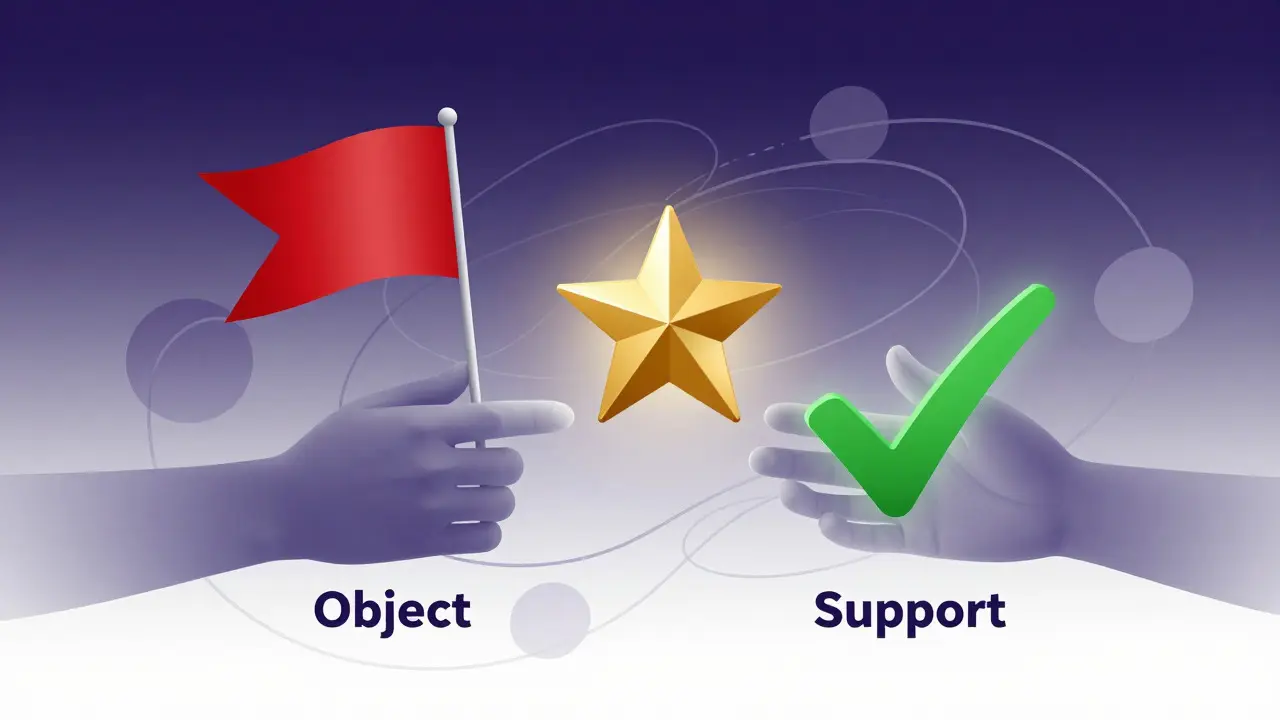
Once the reviewers agree that the article meets the core requirements, the nomination moves to the final voting stage. This is a formal poll where any registered user can vote. The options are usually "Support," "Object,